
Key Takeaways
Selecting an appropriate moisture control system keeps your enclosed storage protected from dampness and decay. Mastering the balance of capacity, airflow, and technology ensures long-term preservation of your valuables.
- Match the dehumidification technology to the cabinet type and its specific moisture load requirements.
- Accurate volume calculations prevent choosing an underpowered or ineffective unit for internal moisture removal.
- Maintain consistent humidity levels by ensuring the cabinet enclosure is properly sealed against external intake.
- Periodic monitoring with a digital hygrometer verifies performance and signals when maintenance is due for filters.
- Prioritize safety by grounding metallic enclosures and choosing components that minimize fire risks during operation.
Types of cabinet dehumidifiers
Choosing a dehumidifier for cabinet systems requires an understanding of how different technologies interact with small, enclosed volumes. Whether you are dealing with a small display case or a specialized storage unit for sensitive gear, the mechanism you select determines both efficiency and longevity. The goal is to reach your target relative humidity without exhausting the enclosure or introducing excessive localized heat.
Desiccant packs and reusable silica beads
These passive solutions operate by chemically adsorbing moisture from the air within the confined space. They are ideal for zero-power environments where no electrical outlet is available, such as small gun safes or sealed storage containers. When the beads reach saturation, most reusable versions can be regenerated by heating them in an oven, providing a sustainable, non-mechanical approach to humidity management.
Electric semiconductor peltier units
These systems function using thermoelectric modules that cool a surface to condense moisture directly out of the air. They are physically compact, making them a common choice for reusable dehumidifiers that occupy minimal shelf space. Because they lack moving parts other than a small fan, they are generally whisper-quiet and well-suited for living areas where noise is a primary concern.
Compressor-based industrial systems
For larger enclosures where high volumes of air or rapid moisture reduction are needed, compressor-based units deliver reliable results. While often larger than their semiconductor counterparts, these units handle persistent humidity better in tropical environments. When comparing technologies, evaluate the specific needs of your project using the comparison table below.
| Technology | Typical Application | Energy Usage | Best For |
|---|---|---|---|
| Desiccant | Small sealed boxes | Zero | Passive storage |
| Peltier | Compact displays | Low | Quiet environments |
| Compressor | Industrial cabinets | Moderate | High humidity loads |
Choosing the right technology for your specific application
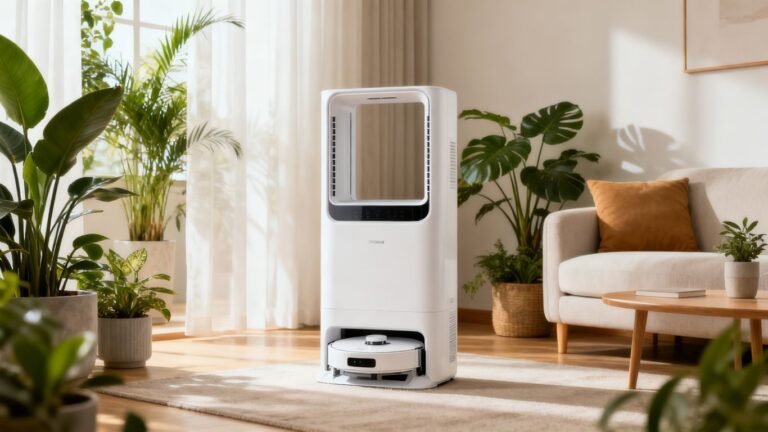
Selecting the correct unit depends heavily on the volume of your cabinet and the ambient humidity of your workspace. If you reside in a climate with constant heat and moisture, you might look for something engineered specifically for those conditions, unlike standard off-the-shelf items. For larger home-based needs, a dedicated solution like the Aerofy DualCore 20 offers sophisticated handling of both moisture and indoor air quality.
Understanding moisture requirements for different contents
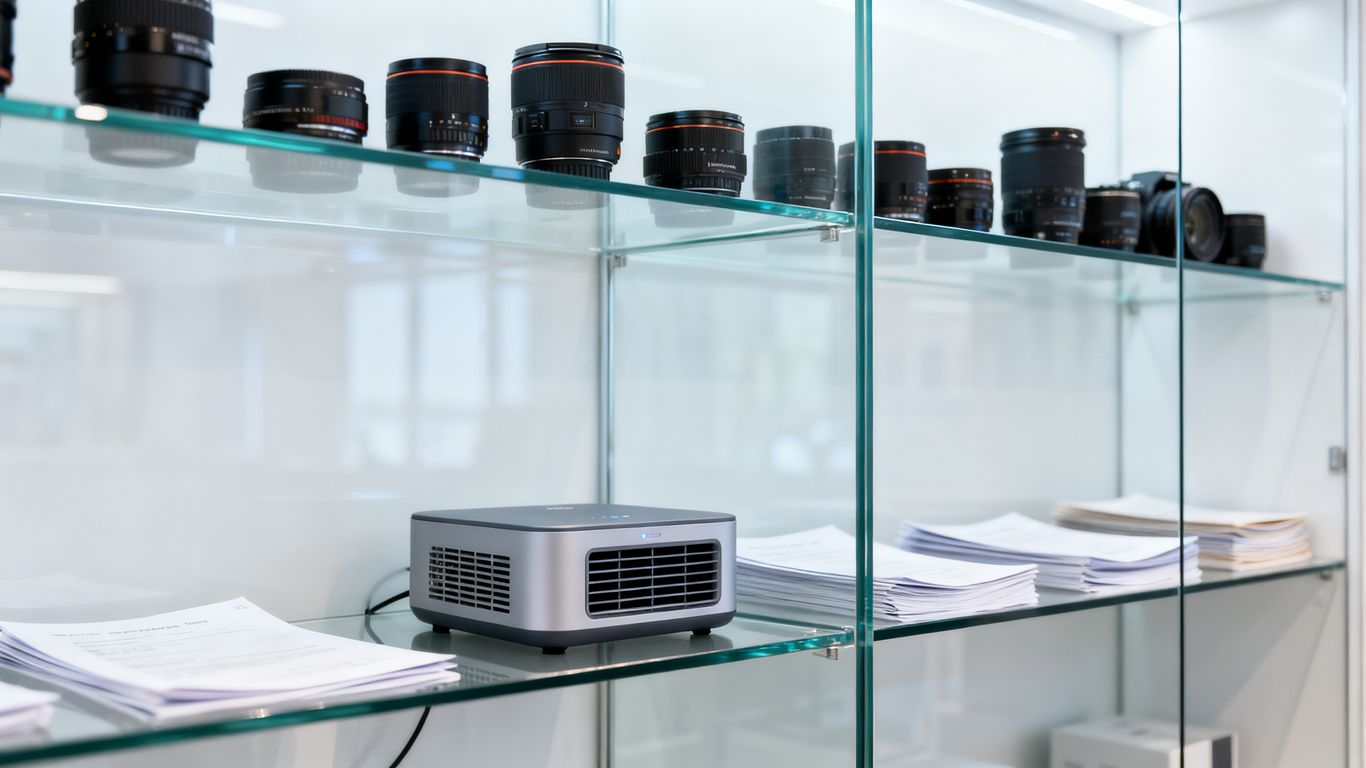
Different items demand unique environmental protocols to survive long-term storage without degradation. Organic materials, complex circuitry, and optical elements each react to humidity fluctuations in distinct ways, often requiring a strictly controlled range to prevent irreversible damage. Maintaining a steady climate is far more beneficial than reactive drying once mold or corrosion has already established a foothold.
Protecting electronics and sensitive circuitry
Electronic components containing exposed copper or precision traces are highly susceptible to corrosion when RH levels spike. Keeping your devices in a controlled environment ensures that surface oxidation does not jeopardize functionality. Understanding the primary purpose of a dehumidifier helps you choose the right capacity for protecting these reactive metal components.
Preserving delicate wood furniture and finishes
Solid wood expands and contracts in response to moisture levels, which can lead to cracking or warping in cabinets and panels over time. Consistent humidity control prevents the degradation of wood fibers, especially in tropical climates where indoor air often feels heavy. Use a dedicated sensor to watch these shifts, and consider if you need a dehumidifier for your home to stabilize the entire room’s air quality.
Maintaining optimal humidity for camera and optical gear
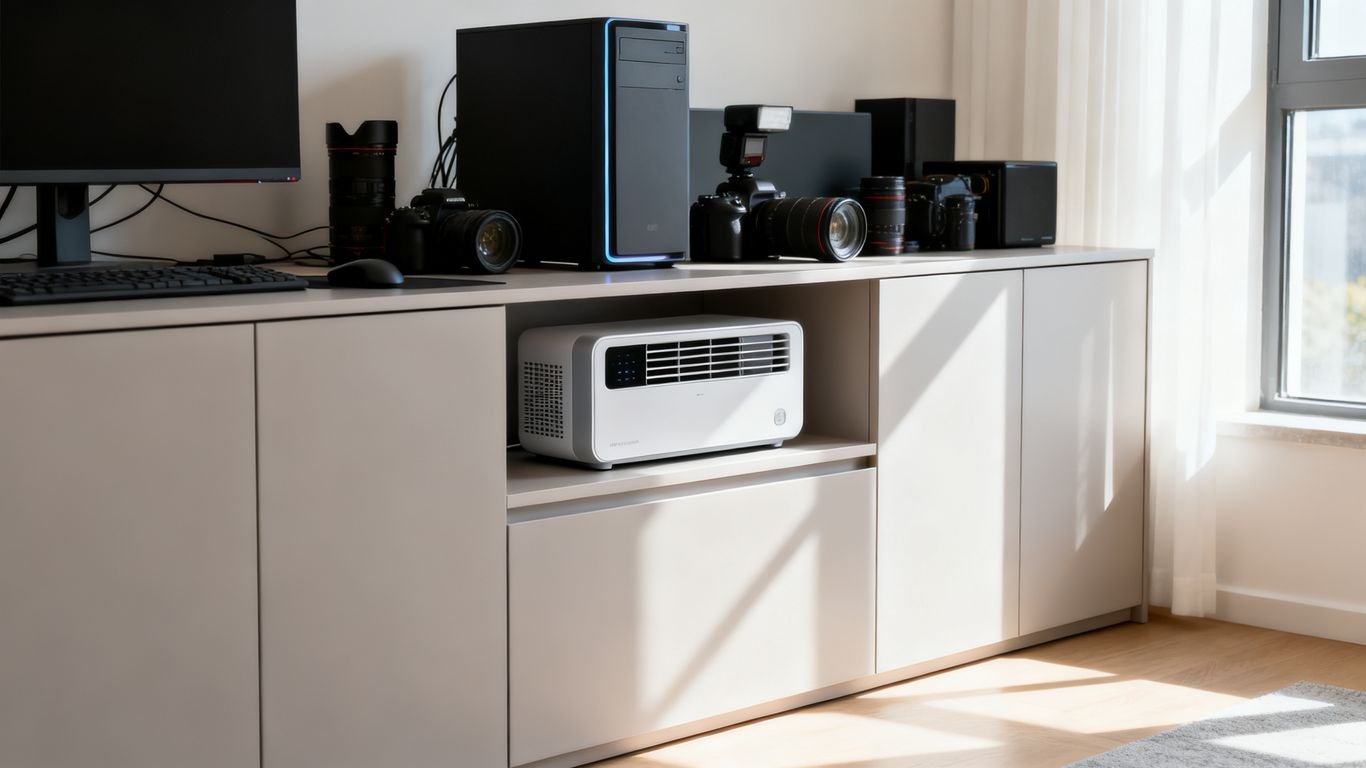
The lenses and sensors inside high-end photography gear require constant protection from fungus that thrives in humid air. Because optics are often fragile, a stable, low-humidity cabinet prevents internal fogging and keeps the glass clear. Many specialized dry storage cabinets provide secure internal climates for such sensitive equipment.
Storage requirements for vintage documents and paper
Paper materials are notoriously prone to absorbing ambient moisture, leading to waviness, discoloration, and mold. For long-term preservation, keeping paper goods away from extreme fluctuations is essential to preventing structural weakness. If you find your storage room consistently damp, you may need a dehumidifier sized to the specific volume of your workspace.
Sizing your dehumidifier for cabinet volume
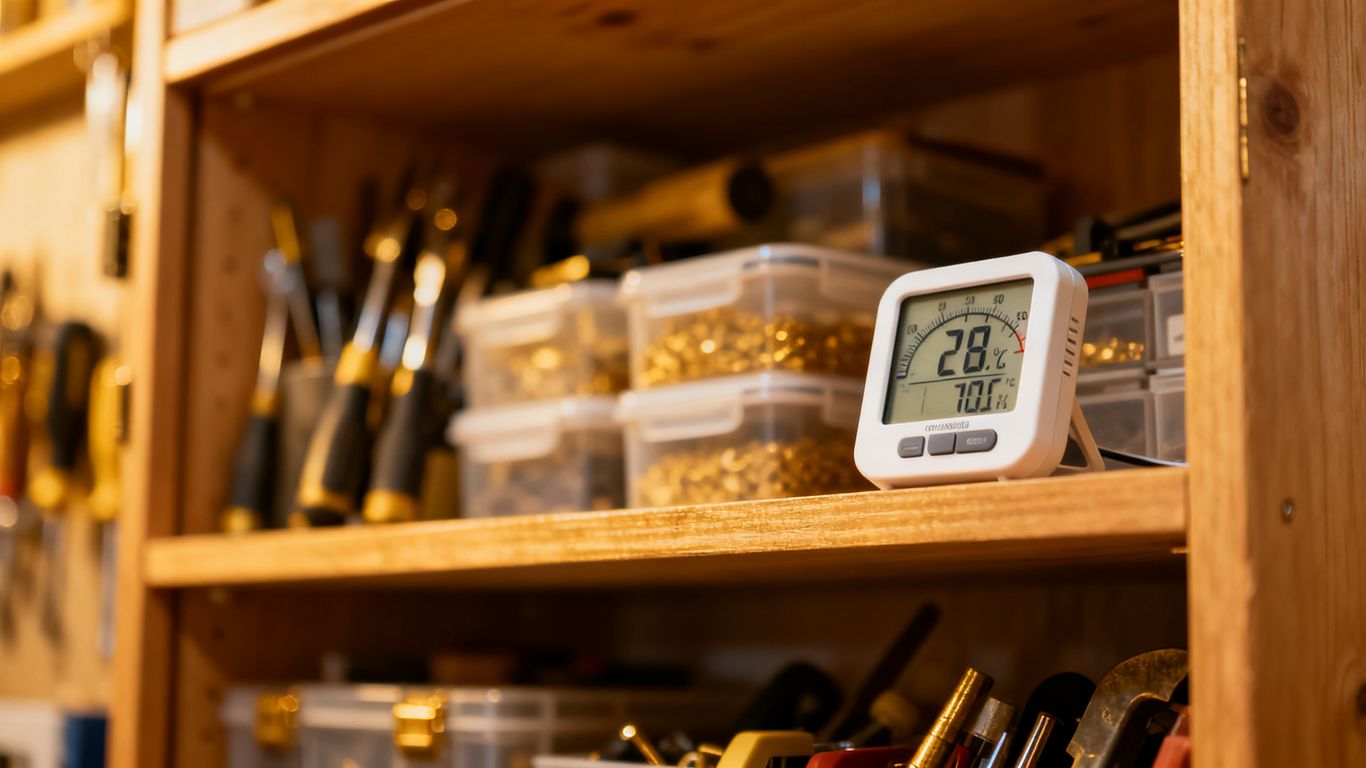
Properly sizing the device ensures that your unit runs efficiently without cycling on and off excessively. Before purchasing, consider the total dimensions of the space, as an oversized unit will dehumidify too quickly and shorten its lifespan, while an undersized unit will fail to achieve the desired results. Understanding your specific environment is the first step toward effective moisture reduction.
Calculating the total cubic footage of the enclosure
Begin by measuring the height, width, and depth of your internal space to determine the total cubic volume. A common mistake is ignoring the volume occupied by shelves or storage bins. Treat the open air inside as the actual target volume for calculations, ensuring the dehumidifier you select matches the load demand.
Accounting for seal integrity and air leakage points
Even the best unit struggles if the enclosure is constantly leaking air from the outside environment. Check the rubber gaskets and door hinges for gaps that might allow humid air to constantly infiltrate the cabinet. If you are struggling with this humidity control issue, upgrading the gaskets is often more effective than buying a bigger machine.
Evaluating ambient humidity levels in your workspace
If the outside room is consistently at 80% RH, your internal cabinet control must be significantly stronger than if you exist in a more moderate environment. Look for models engineered for the tropics that maintain reliable performance under these harsher baseline conditions.
Determining capacity ratings for continuous operation
Scenario Time: Imagine you own a high-end metal cabinet used for storing sensitive metal prototypes in a damp industrial workshop. If your unit is constantly cycling, it might be due to poor capacity management:
- Measure the internal air exchange rate by checking door seals.
- Ensure the chosen device matches the cubic footage of the actual storage volume.
- Calibrate the target humidity setpoint to the specific threshold of the stored items.
- Confirm the unit supports continuous mode to prevent power-off during operation.
Installation best practices
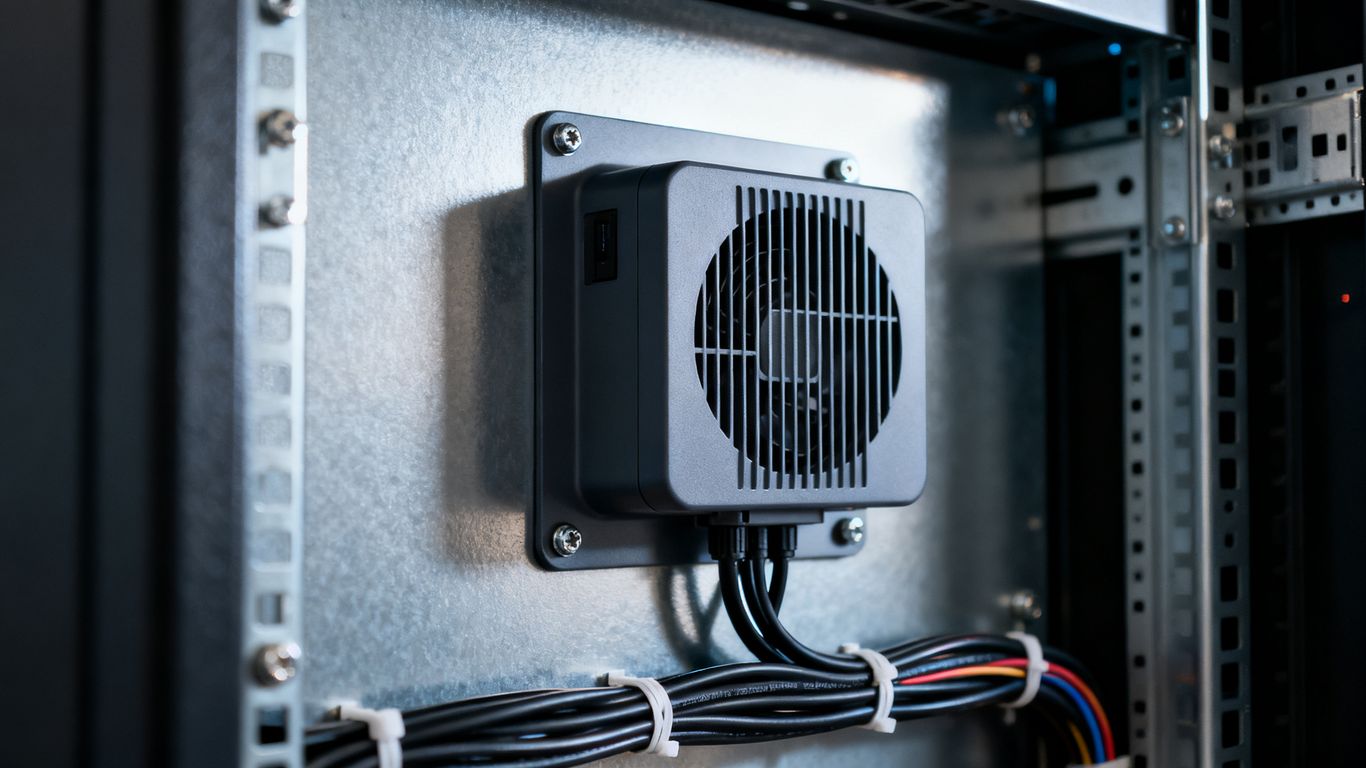
Installation requires more than just placing a device inside a box and hitting the power button. Proper airflow is critical; if the unit is blocked by contents, it will recirculate wet air locally rather than treating the entire volume of the cabinet. Strategic placement ensures that every角落 of the interior benefits from the drier air flow.
Ensuring adequate airflow and internal circulation
Position the unit so that its intake and exhaust vents remain unobstructed by equipment or storage shelves. Without clear circulation, the moisture-laden pockets behind your gear will never reach the dehumidifier vents. For particularly dense cabinet designs, you might need a small auxiliary fan to keep the air moving.
Mounting hardware considerations for different cabinet materials
Metallic enclosures provide a sturdy base for mounting, whereas wooden cabinets may require reinforced brackets to support the weight of the hardware. Always choose anchors that prevent long-term loosening due to vibration, which is crucial for maintaining performance over the life of the appliance. A secure mount also keeps the unit from rattling during its duty cycle.
Routing power supply cables safely and discreetly
Cables should be routed through existing cable ports located at the rear of the cabinet rather than through the door, which maintains the integrity of the door seal. Keep wires away from areas prone to moisture runoff to avoid short circuits. If you are integrating an Aerofy DualCore 20 into a larger living system, consider using cable management sleeves for a clean look.
Minimizing vibration and noise in shared living spaces
Using soft rubber gaskets beneath the mounting points helps dampen the hum of internal fans or compressor motors. This is especially helpful if your storage is located in a bedroom or a small studio apartment where quiet operation is desired. A stable installation prevents resonance that could otherwise be amplified by the cabinet structure itself.
Maintenance and performance monitoring
Monitoring your environment is the only way to confirm that your moisture control strategy is working effectively. Over time, air channels can become clogged with dust, and sensors may drift away from their baseline readings. Regular attention ensures that your dehumidifier continues to provide the dry climate your valuables require.
Setting up a digital hygrometer for tracking results
A separate, high-precision hygrometer is essential for verifying room and internal conditions, especially if your unit lacks a built-in display. Place the sensor in a central location within the cabinet to get an accurate reading. This allows you to track effectiveness and see improvements in real time as the unit pulls moisture from the air.
Scheduled desiccant regeneration or replacement cycles
If you use silica-based systems, you must keep a strict schedule for regeneration based on the color changes of the indicators. Letting desiccant remain saturated for too long defeats the purpose of the device and invites potential issues. For long-term storage, set recurring calendar reminders to perform these manual updates.
Cleaning internal fans and dust filter meshes
Dust accumulation on filters or fan blades can significantly restrict airflow, forcing the machine to draw more power to compensate. Clean these components every few months or whenever you spot visible lint buildup to ensure peak efficiency. Simply using a vacuum or a dry cloth is usually enough to maintain optimal airflow.
Troubleshooting common moisture regulation failures
Scenario Time: You notice your humidity levels haven’t dropped in three days after turning on your new system, suggesting a breakdown between expectations and reality. Check these common failure points to get your system back on track:
- Ensure the power connection is providing full voltage to the unit.
- Confirm the internal storage density allows for adequate air pathing around your goods.
- Check if the door gaskets are failing after being squashed repeatedly.
- Verify that the ambient room humidity hasn’t spiked due to a local water leak or weather shift.
Safety and environmental hazards
Managing a climate-controlled enclosure involves navigating inherent electrical and physical risks, particularly when dealing with water collection. Safety begins with understanding the specific hazards of the technology you have installed inside the cabinet. Whether you are buying a dehumidifier for a small or large space, safety protocols are non-negotiable.
Managing condensation water runoff and drainage
Ensure that collection tanks are easy to access and drain to prevent overflows that could damage your expensive stored inventory. For larger systems, connecting a direct drainage hose is the safest way to prevent accidental spills within the cabinet. This setup is particularly effective for maintaining a clean environment without needing daily manual intervention.
Electrical safety requirements in metallic enclosures
Whenever you install electrical appliances in a metal cabinet, ensure the enclosure itself is properly grounded to mitigate shock risks. This is critical for industrial or electrical cabinet applications where power-line proximity is high. Always follow the manufacturer’s layout guidelines for routing power cables inside the enclosure.
Preventing fire risks from faulty peltier module components
Although semiconductor peltier units are generally low-risk, they can overheat if airflow is restricted or if the power supply is inadequately protected. Use high-quality connections and never stack items against the cooling element. Overheating is a primary indicator that the dehumidifier needs immediate maintenance or a relocated mounting position.
Proper disposal protocols for chemical-based desiccants
While most silica gel is inert, used chemical desiccants should be handled according to local waste guidelines. Never pour desiccant contents into the public water system or storm drains. Contact your local municipal waste center to learn the correct disposal methods for your specific type of moisture-absorbing recharge pack.
Conclusion
Maintaining the right humidity in your storage enclosures protects your gear and electronics from damage. With the right tools and a proper maintenance schedule, you can create a dry, reliable climate that lasts for years. Start your purchase today to bring professional climate control to your home.
Frequently Asked Questions
How often should I monitor the humidity levels inside my cabinet?
It is beneficial to check your levels daily until you understand the natural fluctuation of your cabinet’s climate, after which weekly checks typically suffice for most storage needs.
Can I use a regular dehumidifier instead of a cabinet-specific one?
Standard units are often too large and powerful for small enclosed volumes, potentially leading to overheating or ineffective cycle management in a compact space.
What is the ideal humidity range for most sensitive gear?
For most electronics, cameras, and paper goods, an RH level between 30% and 50% is considered the safest range to prevent both corrosion and fungal growth.
Will my electricity bill increase significantly with a cabinet dehumidifier?
Most compact units, especially those using thermoelectric peltier technology, draw very little power, making them highly efficient even when they run continuously.
Does a dry cabinet work without a power outlet?
Traditional electronic units require a connection, but if you have no outlet, you can use passive desiccant packs that store moisture until they are manually regenerated.
How do I know if my cabinet seal is leaking?
If the humidity levels inside your cabinet remain close to room levels despite the dehumidifier running, it is likely that outside air is infiltrating through worn gaskets.
Is it safe to leave a dehumidifier running while I am away?
When installed correctly with proper ventilation and a reliable drainage system, these devices are designed to operate unattended for extended periods to ensure your items remain protected.