Key Takeaways
Understanding moisture control terminology and the Chinese market helps residents and business owners make informed air quality decisions. This guide clarifies technical terms and provides strategies for sourcing effective equipment.
- Precise language usage facilitates better communication when sourcing products in China.
- Understanding the domestic market requires recognizing the distinction between residential and industrial device tiers.
- E-commerce platforms like Taobao and JD.com provide vast choices but require savvy navigation skills to identify quality.
- Regional climate variance in China dictates specific humidity management needs, especially in the humid southern provinces.
- Proper operation and maintenance, including filter hygiene, remain critical to ensuring the longevity of your indoor air treatment system.
Translating the term: dehumidifier in Chinese
Communicating about climate control starts with the correct vocabulary. Whether you are browsing local hardware stores or researching technical specifications for a home upgrade, knowing the language is essential for success.
Linguistic breakdown of 除湿机
The standard term for a dehumidifier in Chinese is "除湿机 (chúshī jī)". Breaking this down, "除" means to remove or get rid of, "湿" relates to humidity or dampness, and "机" denotes a machine or device. This compound word effectively signals that the appliance is engineered to extract moisture from the surrounding atmosphere.
Regional differences in Simplified versus Traditional Chinese
While the term "除湿机" is widely understood, you may encounter regional variations in written characters. In mainland China, where Simplified Chinese is the norm, the characters are written as "除湿机". In regions using Traditional Chinese, such as Hong Kong or Taiwan, the character for "wet" is more complex, appearing as "除濕機". Both variants function identically in retail settings and online catalogs.
Pronunciation and pinyin guide for accurate communication
For those learning to speak to store clerks or consultants about a dehumidifier in chinese, pronunciation is straightforward once you grasp the pinyin. "Chú" is a rising second tone, "shī" is a flat first tone, and "jī" is also a first tone. Practicing these syllables helps you clearly describe the equipment you need, even when technical jargon gets complex.
Understanding dehumidifier technology in the Chinese market
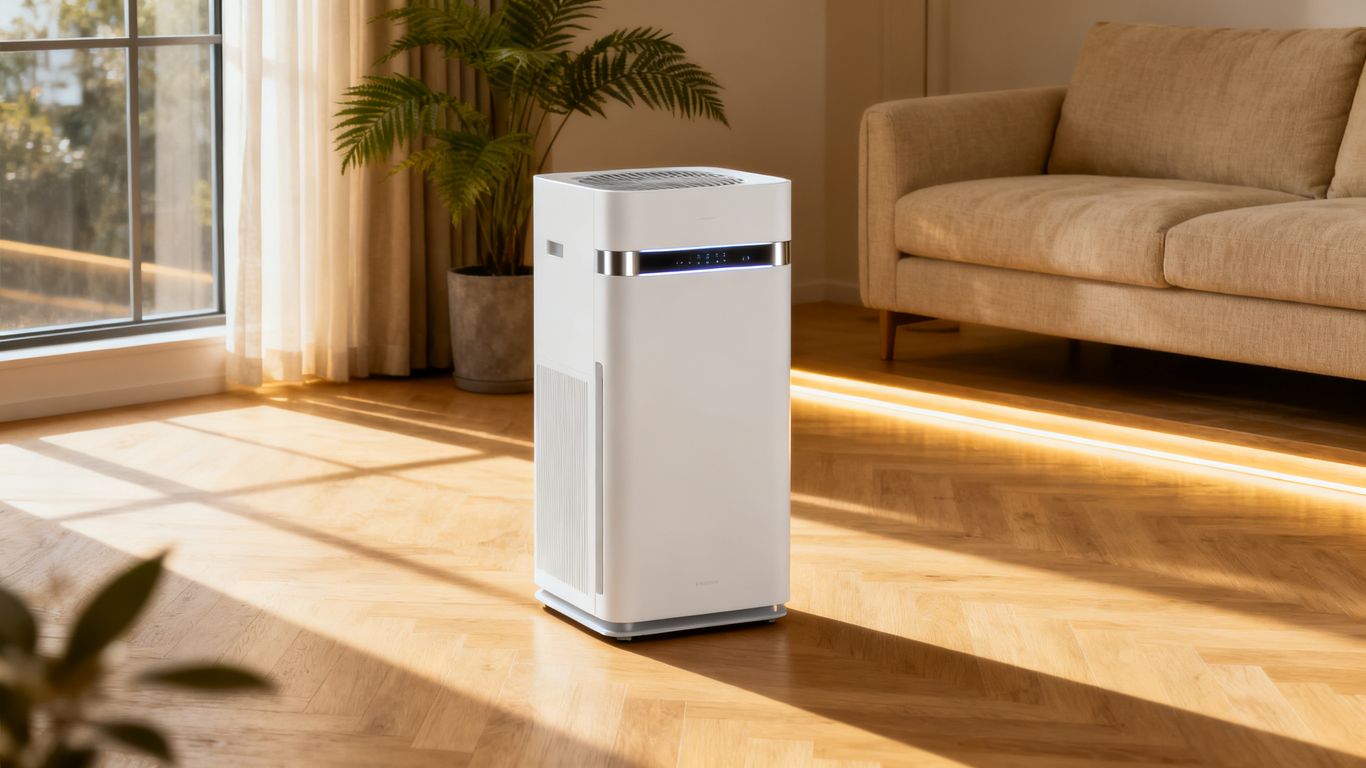
The Chinese market features a vast array of air treatment solutions, ranging from simple passive moisture absorbers to advanced units. Choosing the right tech requires understanding how moisture control is engineered to tackle specific dampness levels.
Common types of equipment available to consumers
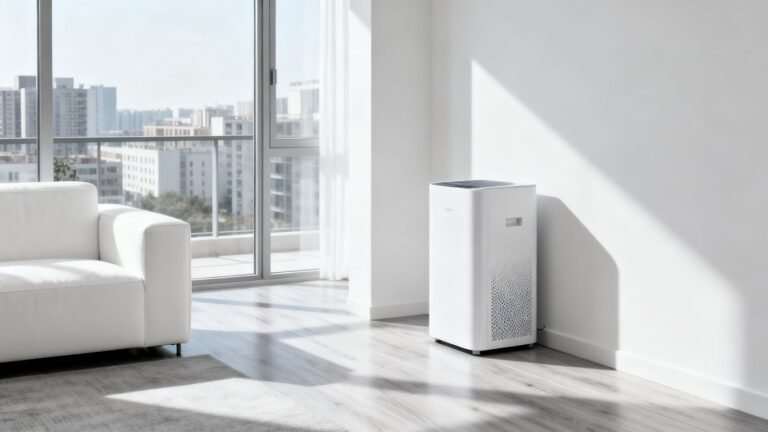
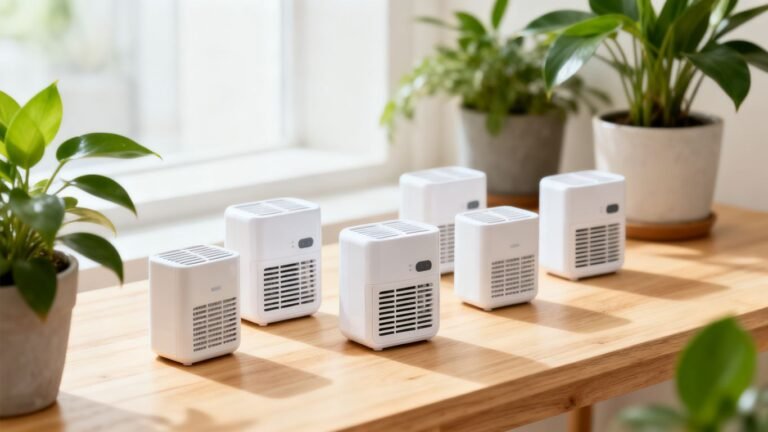
Consumers usually find two distinct categories: compressor-based systems and desiccant-based absorbers. Compressor units, similar to household appliance designs, are standard for general living areas. In contrast, smaller portable units often rely on passive chemical absorption for closets or drawer maintenance.
Technical specifications to look for on product labels
When reading product labels, look for the daily extraction capacity, which is measured in liters per day. You should also check for the power rating and noise output in decibels. For reliable performance, users should evaluate the engineering and effectiveness of the internal components to ensure they can handle high humidity cycles.
Key differences between industrial and residential models
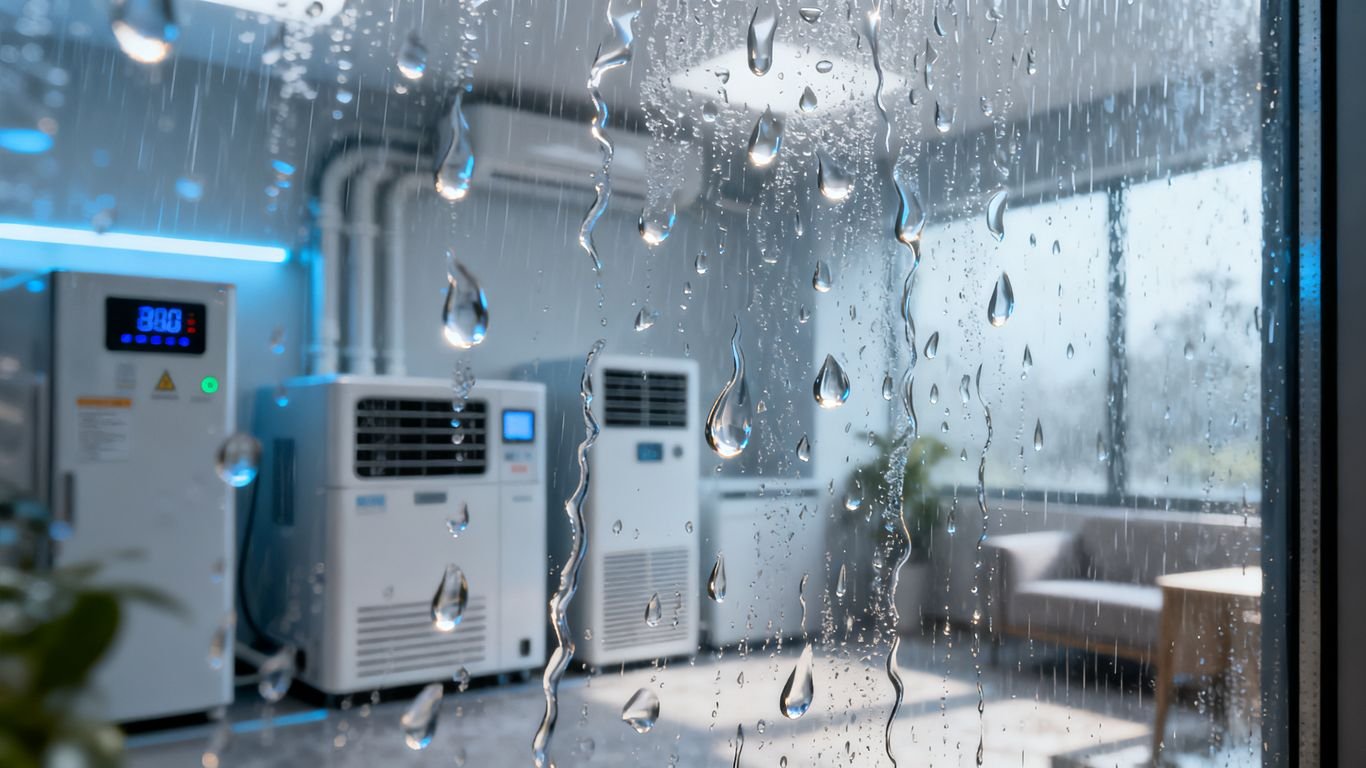
Large-scale environments require systems that differ significantly from those used in a bedroom. Industrial units prioritize airflow volume and asset protection, often incorporating robust drainage and continuous operation features not required for home use.
| Feature | Residential | Industrial |
|---|---|---|
| Capacity | Lower (10-20L) | Higher (50L+) |
| Noise Level | Low (Silent) | High (Mechanical) |
| Mobility | High (Wheels) | Fixed (Heavy) |
Selecting the wrong category often leads to premature motor failure or inefficient moisture extraction, so matching the device to the space and occupancy load remains paramount.
Navigating Chinese e-commerce for climate control products
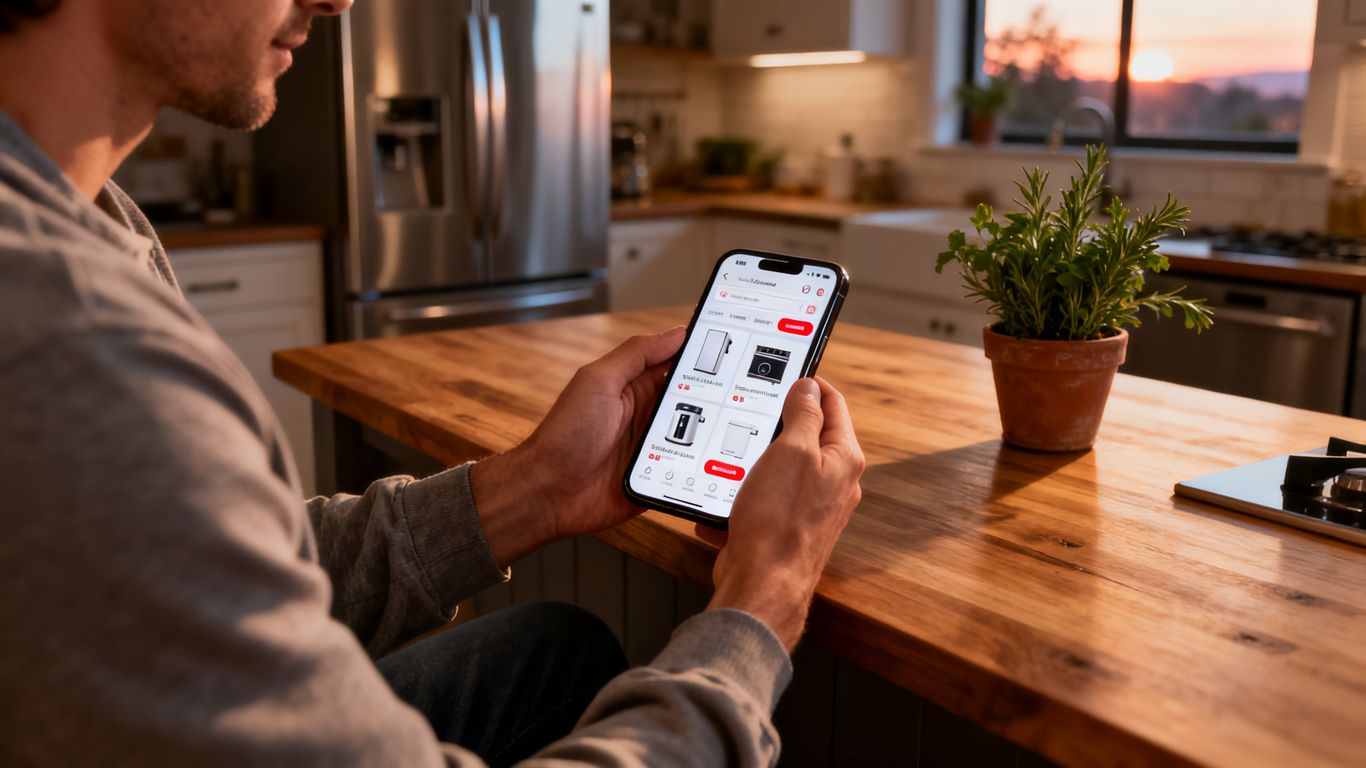
Online marketplaces are the lifeblood of retail in China. Navigating these digital storefronts allows you to compare prices and features with ease across thousands of listings.
Popular shopping platforms for home appliances
Most buyers rely on Taobao, Tmall, and JD.com. JD.com is particularly noted for its logistics, whereas Taobao hosts a wider array of specialty third-party sellers. When searching for affordable and effective equipment, these hubs provide comprehensive inventory.
How to use search terms effectively on Taobao and JD.com
Start by entering the generic term "除湿机" to generate a broad list of results. To refine your search, add modifiers like "静音" (silent), "家用" (household), or specific brand names. Using these targeted keywords narrows the field to products that actually match your requirements.
Interpreting customer reviews and identifying product quality
Reviews are vital, but you must identify patterns. Look for mentions of filter maintenance or water tank durability. Many users post images of collected water, which gives a realistic view of performance, effectively helping you avoid common mistakes when selecting a capacity size.
Essential keywords for comparing features and prices
- "智能控制" (smart control) helps identify units with advanced sensors.
- "节能省电" (energy efficient) flags models with better power management.
- "强力除湿" (powerful extraction) marks units built for higher dampness loads.
Top manufacturers and domestic industry standards

China has established a high bar for domestic manufacturing, leading to the rise of several globally relevant companies. Understanding the 10 best dehumidifiers requires looking at domestic output and safety certifications.
Leading dehumidifier brands currently based in China
Many household names dominate the market, having invested heavily in design and internal air purification technologies. These brands often operate their own manufacturing operations and R&D centers, tailoring their products to accommodate changing consumer environmental needs.
Understanding quality certifications and mandatory safety ratings
Always ensure the unit carries the "3C" (China Compulsory Certification) mark. This safety rating indicates that the product meets national standards for electrical and mechanical safety. It is a non-negotiable feature for any appliance plugged into a home network.
Evaluating after-sales support and regional warranty policies
Check for local service hotlines and warranty terms that cover specific regional requirements. A strong DBS compliance culture in manufacturing is rare, but good brands provide clear, accessible channels for replacement parts and technical repairs to ensure your product remains functional.
Environmental factors and regional humidity challenges
💡 Real-World Scenario: Imagine you live in a coastal apartment in Southern China. During the "Plum Rain" season, items start feeling damp to the touch, and closet storage begins to develop musty odors. Here, the right moisture control level is not just a luxury; it is necessary for maintaining furniture longevity.
Managing high humidity levels in Southern China
Southern China faces extreme humidity that fluctuates seasonally. Residents here typically look for high-capacity machines that can run continuously without constant manual intervention, often relying on drainage hoses to move liquid directly to a floor drain.
Addressing seasonal moisture issues across different climate zones
Climate zones vary wildly, requiring different responses. While the south struggles with humidity, northern provinces might deal with moisture only during specific months. Adapting your strategy by season helps prevent the overuse of the compressor during dry winter months.
Selecting appropriate capacity based on local humidity data
Assess the square footage of your home against the dew point. If you have an Aerofy DualCore 20 unit, you are already equipped to handle the moisture unique to tropical living, but it remains wise to periodically check room dimensions to ensure your filtration capacity matches the space size.
Practical tips for operating a dehumidifier
Running your device correctly maximizes its efficiency and extends its lifespan. Proper usage also prevents the system from working harder than necessary, which lowers overall energy consumption levels.
Energy-saving habits and electricity consumption awareness
Avoid running the unit in open-space modes when you only need to dry a closet. Keep windows and doors closed to stop the device from attempting to dehumidify the entire building, which wastes power and strains the compressor.
Maintenance schedules for water tanks and air filters
Regularly washing the air filter prevents dust buildup, which can block airflow. Empty the water tank at least once a day if it does not have an attached drain hose. These small habits ensure the internal electronics do not get clogged, which is a fundamental requirement for long-term health of your appliance.
Optimized placement strategies for home and office environments
Place your unit in a central location, ideally at least 30 centimeters away from walls. This placement allows for better circulation, ensuring the system can accurately read the relative humidity levels and adjust its power settings automatically to keep your indoor climate optimal.
Conclusion
Selecting and utilizing the right equipment significantly improves the comfort and air quality of your home by addressing moisture at the source. Whether you are navigating Chinese commerce databases or setting up your first high-capacity unit, applying these practical insights will ensure that your space remains fresh and protected year-round, regardless of local environmental challenges.
Frequently Asked Questions
Does running a dehumidifier make a room significantly colder?
While a dehumidifier reduces humidity, it does not function as an air conditioner. It may slightly change the air temperature due to the heat generated by the compressor, but its primary purpose is to remove dampness for comfort rather than cooling.
Can I use a dehumidifier to help dry clothes indoors?
Yes, many users employ these devices in laundry rooms to speed up drying times. Using a high-capacity setting helps extract moisture as it evaporates from the fabric, making the process much faster during humid or rainy weather.
How often should the air filter be cleaned for optimal operation?
Most manufacturers recommend a quick check of the filter every two weeks. If the unit runs in a particularly dusty area, more frequent cleaning is advised to keep the airflow consistent and prevent motor strain.
Why does the dehumidifier produce water even when the air feels dry?
Relative humidity is often higher than it feels, especially in areas with stagnant air or poor ventilation. If the tank is filling, the unit is doing its job by removing invisible moisture vapor that could otherwise lead to mold growth.
What happens if the humidity is set too low for a long duration?
Setting a target humidity level that is too low can lead to overly dry skin or respiratory irritation. It is best to maintain the indoor environment between 40% and 50% for standard health and comfort.
Are industrial units suitable for large residential basements?
Industrial models are powerful, but they are often too loud and bulky for typical home use. Unless you have a massive open space that requires rapid moisture removal, a high-capacity residential unit is usually a more practical and quiet choice.
Will the electricity bill increase substantially with regular usage?
Modern, high-efficiency models are designed to minimize power draw. Because they turn off automatically once the target humidity is reached, daily energy costs remain relatively low, especially compared to the long-term expense of repairing mold or moisture-damaged goods. Buy Now to start managing your home’s air today.