Key Takeaways
Understanding how to effectively manage moisture is essential for protecting your living environment and personal belongings from humidity-related damage.
- Deerma mini dehumidifiers utilize specialized silica gel technology to absorb moisture effectively in small, enclosed spaces.
- PTC heating technology facilitates the automated regeneration of the desiccant core for reusable, long-term performance.
- Choosing the correct model depends on the physical volume of your space and the specific moisture challenges you face.
- Maintaining consistent air flow around your dehumidifier is critical for ensuring optimal absorption rates and preventing indicator failures.
- Regular maintenance routines, including proper electrical recharging, extend the overall lifespan and functional efficiency of your device.
Understanding the mechanics of Deerma dehumidifiers
Managing household humidity requires devices that can handle specific moisture loads without consuming excessive energy. The Xiaomi Deerma DEM-CS50MW Dehumidifier has become a staple for many because it balances size with functional, moisture-wicking capabilities.
How PTC heating technology works
PTC, or Positive Temperature Coefficient, heating elements are designed to provide consistent, safe warmth to the internal silica core. Once the absorption capacity is reached, this technology ensures the unit heats up evenly, effectively expelling trapped water vapor without overheating. This mechanism is central to the Deerma Mini Dehumidifier CS50M functionality, ensuring it remains ready for another round of active duty.
Deciphering the silica gel absorption process
Silica gel serves as the active medium within the unit, drawing moisture from the surrounding atmosphere through physical adsorption. Unlike chemical agents that dissolve, these beads trap water molecules within their porous structures, which can be reversed through the heat application mentioned above. This makes the Deerma Electric Mini Dehumidifier a sustainable choice for those looking to avoid constant cartridge replacements.
Advantages over traditional compressor dehumidifiers
While larger home dehumidifier systems use vapor-compression cycles, mini units are preferred for specific, localized protection. They are silent, cordless while in use, and fit into spaces where full-sized machines simply cannot operate.
| Feature | Mini Dehumidifier | Compressor Dehumidifier |
|---|---|---|
| Power Usage | Low (only during recharge) | High (constant) |
| Noise Level | Silent | Audible Fan/Compressor |
| Mobility | High (fits in closet) | Limited (cord bound) |
| Purpose | Localized Dampness | Whole Room Control |
These differences highlight why choosing the right device is crucial for your specific goals.
Common use cases for Deerma mini dehumidifiers
Small-scale moisture management is often overlooked until you encounter a musty smell or minor patches of mildew. Protecting your space effectively requires placing these devices where air circulation is naturally restricted and moisture tends to settle.
Managing moisture in closets and wardrobes
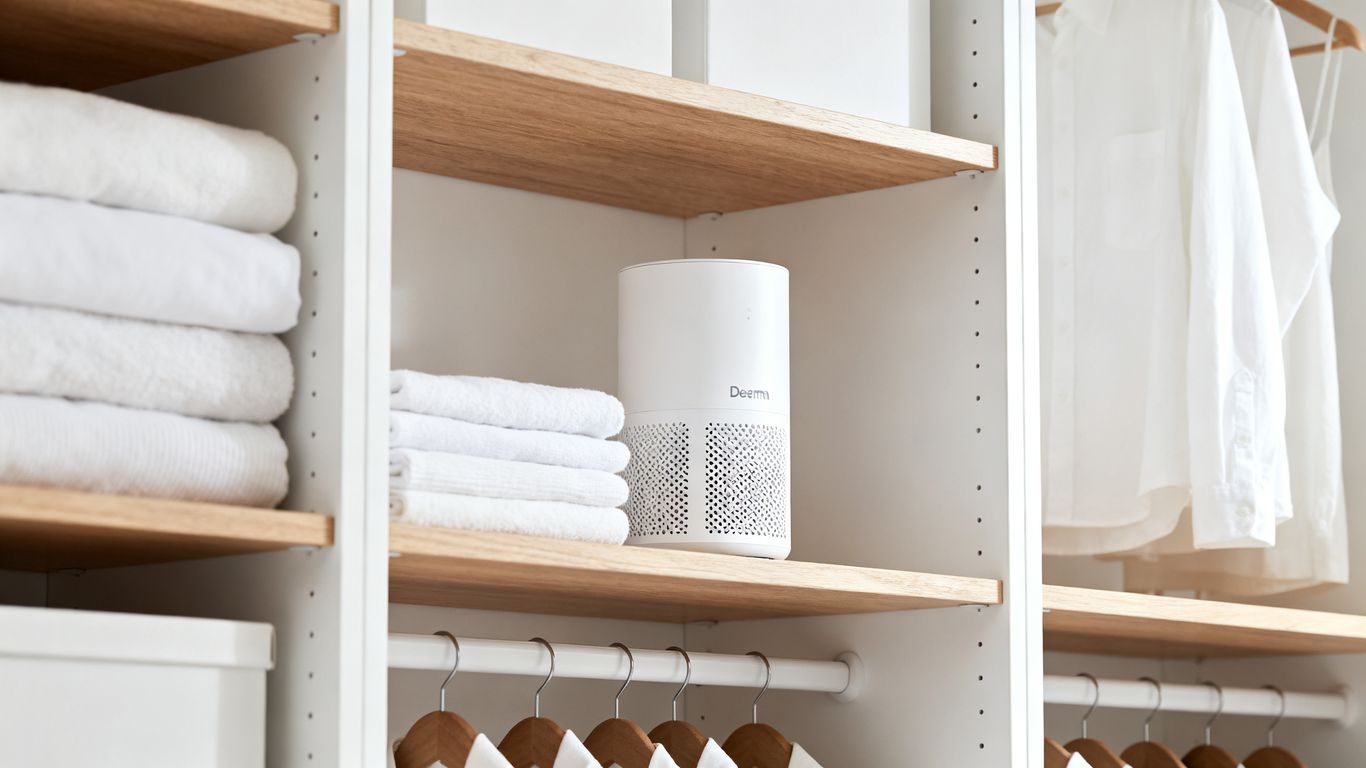
Closets are frequent victims of trapped dampness, especially during rainy seasons, leading to fabric damage over time. By placing a small unit on a shelf, you create a dry zone that prevents clothes from developing that characteristic stale odor.
Protecting footwear from mold and mildew
Shoes are made from materials like leather and fabric that readily absorb ambient humidity in closed storage. Rotating your footwear protection with a dedicated dryer prevents fungal growth that can ruin expensive pairs and cause skin irritation.
Storage solutions for bookshelves and drawers
Books and sensitive document drawers benefit from stable moisture levels, preventing paper warping or ink degradation. Keeping the environment dry protects these items in a way that air solution strategies often miss, focusing strictly on target areas.
Evaluating the key models in the Deerma lineup
When looking to buy now, understanding the specific variations in the product line helps you select the right tool for the job. The sizing, capacity, and recharge cycles are key differentiators.
Comparing the DEM-CS10M versus DEM-CS50M
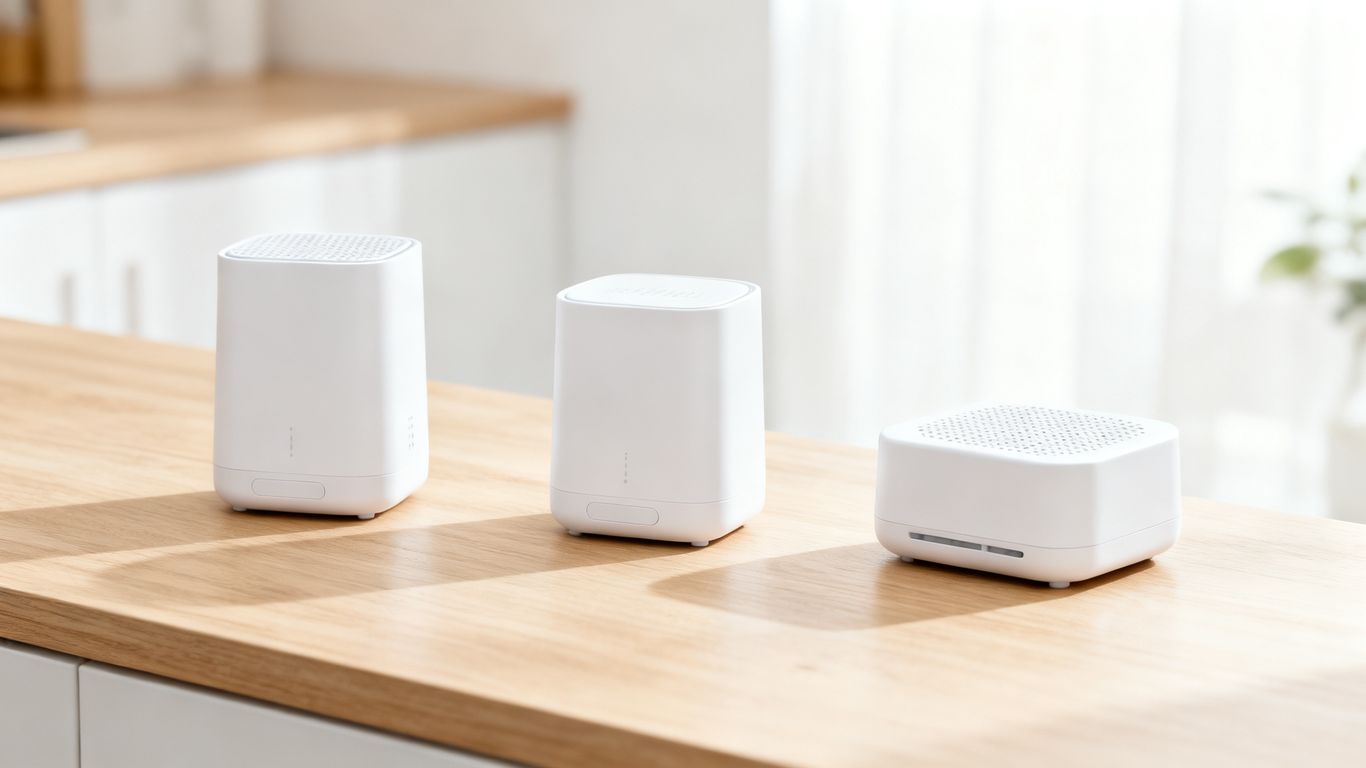
These models vary primarily in their moisture-trapping volume and the duration of their active cycles. While the CS50M offers a slightly larger reservoir, both rely on the same fundamental drying principles that define the Mi Deerma Mini Dehumidifier reputation.
Features of the rechargeable cycle models
These units are built to be reused thousands of times, making them an eco-friendly alternative to single-use desiccant packets.
- No chemical additives or toxic substances.
- Easy-to-read environmental status indicators.
- Rapid full cycle return within a few hours.
- Compact stature for versatile placement.
Following these cycles ensures you never have a fully saturated unit sitting idle in a space that needs continuous protection.
Size variations for different containment spaces
Selecting a unit should match the dimensions of your storage containers or small rooms. Placing an oversized unit in a tiny box isn’t necessarily better; you need to ensure the air circulation remains unobstructed for maximum efficiency.
Best practices for maintenance and regeneration
Like any home appliance, the long-term effectiveness of these units relies on a disciplined approach to maintenance. Ignoring the regeneration cycle leads to a loss in absorbency, rendering the device ineffective for your wardrobe or cabinets.
Identifying when the silica needs to be regenerated
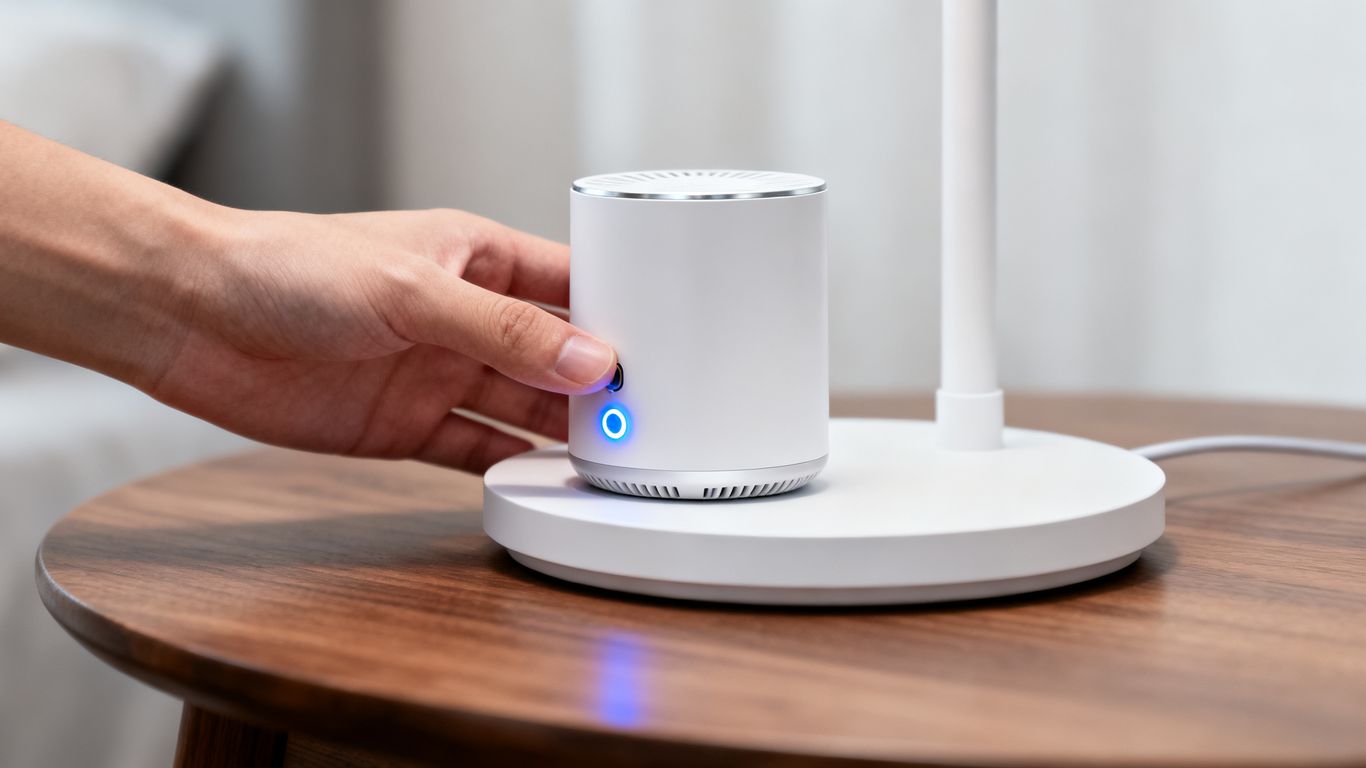
Most models feature a color-changing indicator that shifts when the desiccant is saturated. Monitoring this window periodically is the best way to determine if you need to plug the unit in for a refresh.
Step-by-step guide to the automated heating base process
When the indicator informs you that regeneration is needed, mount the unit onto its base and connect the power cable. The device will generate heat to drive off the moisture, returning the silica to its dry state.
Safety precautions during electrical recharging
Always ensure the unit is on a stable, non-flammable surface when recharging. Do not cover the device while it is running its cycle, as proper ventilation is necessary to allow the evaporated water to escape.
Troubleshooting common performance issues
Why the absorption indicator color remains unchanged
If the color indicator seems stuck, check the ambient environment conditions. In extremely low humidity, the silica may not accumulate enough water to trigger the shift, which is actually a sign that your space is already dry.
Improving efficiency in high-humidity environments
In peak rainy seasons, these mini units may saturate faster than usual. You can use multiple units in a single closet or combine them with a larger home dehumidifier to manage the overall room moisture.
Addressing concerns about indicator light failures
If the light truly stops functioning, it might indicate an internal battery or sensor failure within the indicator assembly. At this point, the unit may still absorb moisture, but you will lose the visual queue for manual operation.
Tips for selecting the right model for your space
💡 Real-World Scenario
Imagine you are living in a humid high-rise apartment and realize your winter coats in the hallway closet have developed a faint, musty smell. Before you start using a dehumidifier calculator to guess your whole-home moisture load, you need to focus on identifying the specific localized "micro-climates." By placing a small unit in the closet, you tackle the source of the smell directly where the problem is most concentrated.
Calculating the volume of enclosed spaces
For a closet or drawer, you don’t need a heavy-duty machine; a smaller unit will suffice perfectly. Measure your shelf or drawer dimensions to ensure there is enough clearance, as airflow is a prerequisite for moisture removal.
Balancing aesthetic design with moisture capacity
Choose units that fit your decor without drawing unnecessary attention. The minimalist design of these products ensures they blend into any room whether on a bookshelf or tucked behind shoes.
Assessing power consumption for long-term storage solutions
Because these devices only consume power during the brief regeneration cycle, they represent a very cost-effective way to maintain storage integrity over the long term.
Conclusion
Choosing the right equipment for moisture management ultimately comes down to understanding your specific needs and the environment you live in, whether you are tackling a small closet or a larger living area. By following these guidelines for placement, maintenance, and regeneration, you can effectively protect your home and belongings from the detrimental effects of excess humidity for years to come.
Frequently Asked Questions
How often should I regenerate my silica-based dehumidifier?
Regeneration frequency depends heavily on your local climate, but most users find that a cycle is needed every two to four weeks depending on the relative humidity of the room.
Can these units damage my clothes if they get too dry?
These small units are designed to reach a stable equilibrium point and cannot reduce the air’s humidity to levels that would damage fabrics or leather goods.
Why does the dehumidifier not collect water in a tank?
Unlike compressor units that condense moisture into water, these models capture moisture directly on the desiccant beads, which is why there is no tank to empty.
Are these devices safe to use inside closed drawers filled with papers?
Yes, they are safe to use with paper, books, and documents as they do not generate excessive heat and operate without any liquids that could spill or leak.
Do I need to clean the air filters on these units frequently?
Because they do not have active fans that pull in air for cooling, they do not require regular filter cleaning like larger air purification units.
How can I tell if the unit has successfully regenerated?
Once the indicator window returns to its original color—typically orange—it signifies that the silica has successfully expelled its trapped moisture and is ready to be returned to active duty.
Can I leave the unit on the charging base permanently?
No, you should only connect the unit to the base when the regeneration process is required, then disconnect it once the indicator confirms it is ready to be deployed again.