Key Takeaways
Understanding the purpose and operation of moisture-control appliances helps improve home comfort. Here are the five most important things to know about maintaining an ideal indoor climate:
- Dehumidifiers extract excess moisture from the air to prevent mold and mildew growth.
- Effective humidity control typically requires keeping relative indoor moisture levels between 40% and 50%.
- Refrigeration-based models are highly energy-efficient for most tropical residential environments.
- Maintaining appliance filters and coils ensures that systems like the DualCore 20 operate at maximum performance.
- Managing dampness protects your home’s structural integrity, flooring, and air quality against long-term moisture damage.
The core dehumidifier meaning and function
A dehumidifier is an electrical device designed specifically to remove excess water vapor from an enclosed space. By decreasing the relative humidity, these machines create an environment that inhibits the growth of unwanted microorganisms while keeping living spaces comfortable. This process relies on specialized engineering to pull damp air through a cold or desiccant-based medium, where the moisture is condensed or absorbed.
Defining the dehumidification process
The fundamental goal of the process is to maintain an indoor air quality standard that feels fresh and prevents the "clammy" sensation caused by high humidity. When a machine cycles the air, it essentially strips out water before returning drier air into the room. Achieving this balance is a core mission for devices engineered in Singapore, where local experience guides the development of high-performance appliances.
How water is extracted from indoor air
To effectively remove moisture, systems utilize specific mechanical stages that work in quick succession to capture airborne droplets. Different technologies handle this capture differently depending on the ambient temperature and humidity levels.
- Air intake draws humid air in through protected filters that remove dust particles.
- Internal cooling coils or desiccant materials force the water vapor to condense or bond to a surface.
- Collected liquid drips into a dedicated tank while the remaining dry air is reheated.
- The unit discharges the conditioned, dry air back into your room, circulating it efficiently.
This continuous loop allows a space to maintain optimal moisture levels regardless of external weather conditions.
Comparison between HVAC systems and standalone units
While air conditioning systems often perform some moisture removal, dedicated appliances offer tailored advantages in varying climates. Understanding the technical distinctions between a standard AC system and a specialized unit helps homeowners choose the right equipment for their specific needs based on the data below.
| Feature | Standalone Dehumidifier | Standard Air Conditioner |
|---|---|---|
| Primary Function | Active humidity reduction | Temperature reduction |
| Humidity Precision | High level of control | Dependent on cooling cycle |
| Energy Focus | Moisture removal efficiency | Thermal comfort management |
By comparing these methods, it becomes clear that a dedicated device provides nuanced control that central cooling systems often lack in high-humidity zones. When evaluating your home setup, consider how these differences impact your comfort, and feel free to use these free online calculators to check your energy usage patterns.
Types of dehumidifiers and their unique technologies
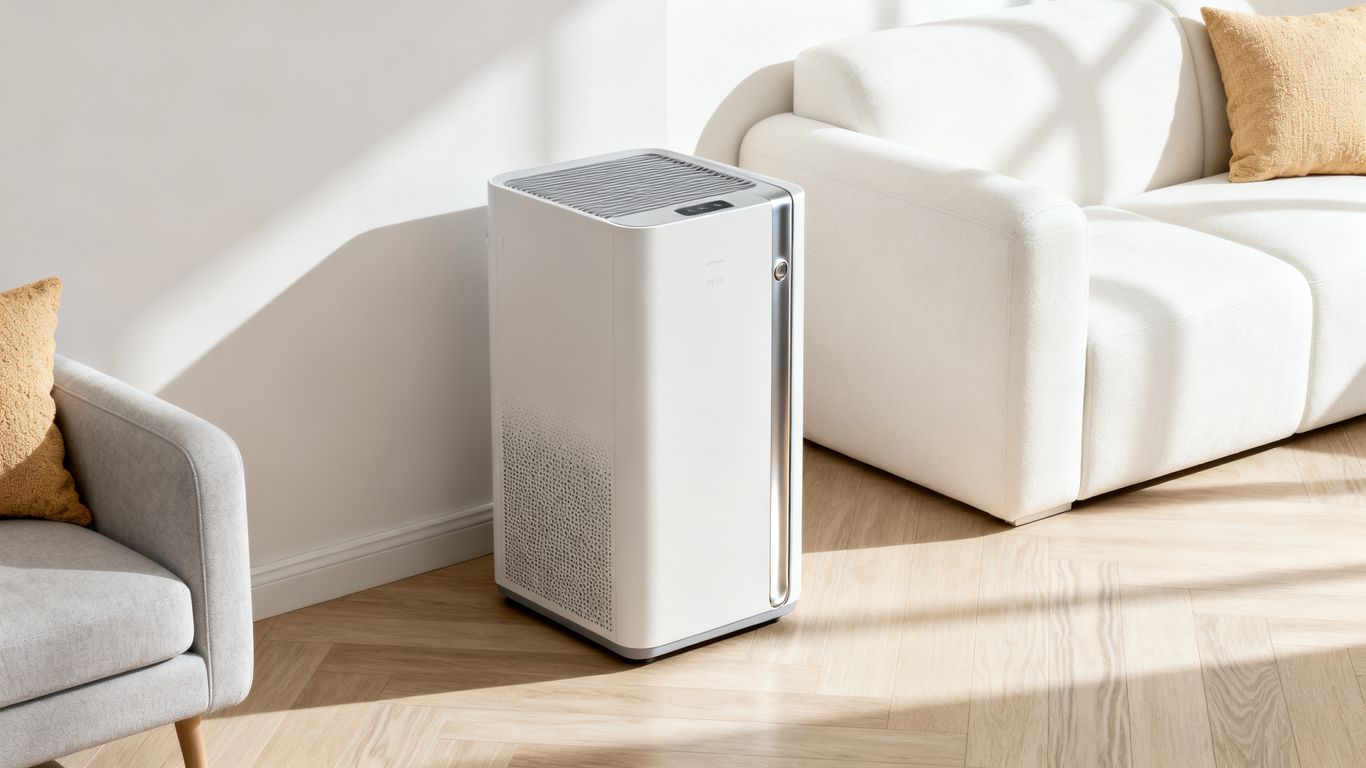
Selecting the right technology often depends on the specific environmental challenges of your local climate. Manufacturers typically offer different categories, each leveraging specific scientific principles to tackle moisture content effectively. Choosing the correct model ensures longevity and operational efficiency for your living space.
Refrigerant-based compressor models
These models operate by cooling a set of coils, which forces moisture in the warm air to condense into liquid. The efficiency of this process is significantly enhanced by components like the internal rotary compressor, which provides a reliable mechanical cycle for moisture capture. Refrigerant-based units are frequently recognized for their robust performance in warm, tropical settings.
Desiccant-wheel dehumidifier operation
Unlike compressor models, desiccant systems use a rotating, absorbent wheel coated with silica or similar moisture-binding materials. This technology is particularly effective in spaces where ambient temperatures are lower, as it does not rely solely on the dew point to capture water. It works continuously by absorbing the moisture and then heating the wheel to release the captured water into a collection tank.
Whole-house vs. portable unit applications
Portable units offer the flexibility to move moisture-fighting capability between rooms, whereas whole-house systems integrate directly into your existing forced-air infrastructure. For residents focused on managing specific living zones, portable appliances often provide the best precision, while larger systems offer broad, low-maintenance coverage for entire floor plans.
Key components and operational mechanics
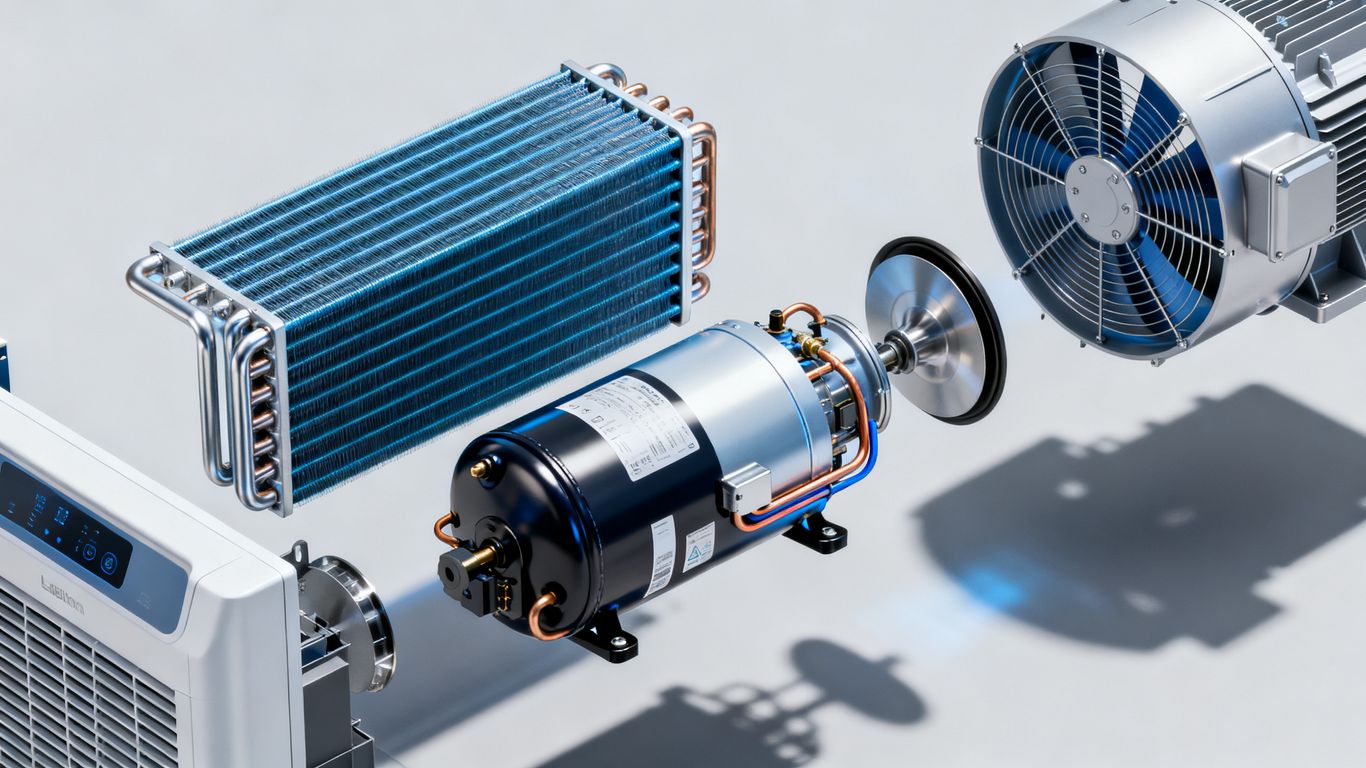
Understanding what happens inside the chassis reveals why these appliances require regular care to remain effective. Every internal piece contributes to a balanced, controlled environment, moving air and managing water collection safely away from your living surfaces. Maintaining a comfortable and healthy living environment is essential for any homeowner residing in regions defined by high annual humidity levels.
The role of the fan and intake system
The intake system acts as the gateway for your room’s air. A powerful, quiet fan draws ambient air across the internal sensors and cooling paths, ensuring that a sufficient volume of air is processed every hour to keep humidity consistently low.
Evaporator coils and condensation buildup
The coils serve as the core of the extraction process, utilizing refrigerants like R290 refrigerant to cool surfaces rapidly. As air touches these frigid surfaces, the excess water vapor transforms into liquid droplets, which then flow downwards into the tank, effectively creating dry conditions throughout the space.
Water collection tanks and continuous drainage options
Most units store collected liquid in a removable reservoir that must be emptied once full. For convenience, many specialized home devices allow for a continuous drain hose setup, meaning you can bypass manual emptying and send the collected water directly to a floor drain or sink, keeping your home environment dry without interruption.
Benefits of maintaining optimal indoor humidity levels

Controlling the moisture balance does more than just make a room feel pleasant; it actively improves your lifestyle by mitigating environmental hazards. By managing the indoor humidity balance, homeowners can prevent issues that jeopardize both their physical well-being and their property’s longevity.
Preventing mold and mildew development
Microscopic mold spores thrive in damp, stagnant air. A dedicated dehumidifier actively stops these colonies from taking hold by removing the moisture they require to survive, keeping surfaces clean and preventing the characteristic musty odor associated with damp structures.
Managing allergens like dust mites
Dust mites are notorious for causing respiratory discomfort in high-humidity homes, as they absorb moisture directly from the air to hydrate. Reducing relative humidity to below 50% makes it nearly impossible for these allergens to persist, significantly improving the quality of the air you breathe while sleeping or working.
Protecting home structural integrity from excess moisture
Excess dampness can cause wood to warp, paint to peel, and metal to corrode over time. By utilizing a high-quality unit, you safeguard your furniture, framing, and decor, ensuring your investment remains in prime condition for years to come instead of falling victim to warping caused by humidity spikes.
Selecting the right capacity for your space
Measuring square footage requirements
Capacity needs are dictated by the size of the room and the severity of the dampness issue present. Measuring your room precisely ensures that the chosen unit does not cycle unnecessarily or fail to handle the volume of air needed to keep the relative humidity stable.
Understanding pint ratings per day
Capacity represents the amount of water a device can extract in a 24-hour period under specified test conditions. While these numbers act as guidelines, they vary based on the local temperature and environment, making it vital to choose a unit sized appropriately for your specific home dimensions.
Impact of environmental factors like basement humidity
Basements often require more robust moisture control due to their proximity to the ground and potential for cool, damp walls. Adjusting your capacity choice to accommodate these "high-load" areas is a critical step in effective environment management.
Best practices for maintenance and energy efficiency
Cleaning and replacing air filters
Filters stop dust from clogging internal components, ensuring maximum efficiency. A quick check every couple of weeks keeps airflow unobstructed, allowing the unit to work with less energy consumption and ensuring the air released is clean for your family.
Proper placement for optimal airflow
Positioning matters significantly; units should be placed in central locations with clear space around the intake vents. Avoiding corners or wall blockage ensures the device draws in air from all directions, facilitating a more rapid reduction in room humidity levels.
Strategies to minimize power consumption
Running your appliance only when necessary, or using the built-in automatic sensors to trigger the cycle, prevents waste. Many modern users buy now to obtain smart units that power down once the target dryness is achieved, keeping your daily electricity costs within reason.
Conclusion
Investing in proper moisture control is a proactive step toward protecting both your home and your health. By understanding how to effectively manage humidity levels, you create a cleaner, more comfortable living space suitable for any tropical environment.
Frequently Asked Questions
Does high humidity make my home feel warmer?
Yes, high humidity levels prevent your perspiration from evaporating efficiently, causing the air to feel significantly warmer and more oppressive than the actual thermometer reading suggests.
How often should I empty the water tank?
This depends on the humidity levels of your environment and the size of your tank, but most units in damp conditions require emptying at least once or twice a day unless using a continuous drain hose.
Can a dehumidifier replace an air conditioner?
No, they are distinct appliances with different goals; a dehumidifier focuses on extracting moisture, while an air conditioner focuses on lowering air temperature via a cooling cycle.
What is the most efficient way to use my device?
Place the unit in an open area with good airflow, ensure all windows and doors to the room are closed during operation, and keep the filters clear of dust for maximum performance.
Will a dehumidifier eliminate existing mold?
It helps stop existing mold from spreading by removing the moisture it needs, but you should physically clean or remove existing mold patches to ensure they do not persist.
Does running this device affect my electricity bill?
While all appliances consume power, modern units designed for high efficiency are engineered to manage energy usage intelligently, especially when they include automatic sensors to shut off once the target dryness is hit.