Key Takeaways
Understanding moisture control is essential for maintaining a healthy and comfortable home environment in tropical regions. This guide outlines how these devices function and how to best manage them.
- Dehumidifiers utilize refrigeration or desiccant technology to extract excess water from indoor air.
- Proper maintenance of coils and filters ensures the machine operates at peak efficiency year-round.
- Most residential units rely on compressor systems to condense vapor into manageable liquid drainage.
- Managing relative humidity between 40-50% protects both your health and property from moisture damage.
- Integrated air purification, such as that found in the Aerofy DualCore 20, offers expanded benefits for indoor comfort.
The basic operating principles of a dehumidifier
Dehumidifiers are essential tools for anyone living in high-humidity zones, as they constantly balance the moisture levels within your living space to prevent dampness and mildew. By drawing in moist air, these devices strip away water vapor, ensuring the air inside your home remains dry and breathable. When you consider the basic operating principles of a dehumidifier, it becomes clear that these devices are sophisticated climate tools designed to protect your home from humidity-related damage.
The refrigeration cycle explained
The core of most residential units relies on a refrigeration cycle, much like a household refrigerator. The system forces air over cold coils, lowering the temperature below the dew point, which causes the water vapor in the air to condense into liquid. This fundamental mechanical process is why many homeowners consider an essential dehumidifier to maintain comfortable levels in humid environments.
Air intake and filtration processes
Before moisture is extracted, the air must pass through internal filtration to prevent dust and debris from clogging the narrow passages of the cooling coils. Modern systems prioritize clean intake to ensure that the moisture extraction is not compromised by airborne particles. This process is vital for the longevity of the components hidden within the chassis.
Condensation and moisture collection
Once the air hits the cold evaporator coils, the moisture undergoes a state change from vapor to liquid. This water drips into an internal reservoir or is routed directly to a drainage outlet, keeping your air crisp and dry. Protecting this part of the cycle is crucial for those interested in long-term property integrity, especially when planning high-end renovations like an I Love My Bathroom! project.
Reheating and air exhaust cycles
After the water is removed, the air is often passed over warm condenser coils to return it to a comfortable temperature before being released back into the room. This reheating cycle ensures that your home does not become overly chilled during the operation of the device. Consequently, the air flowing out is at a much lower relative humidity than the air that entered.
Major types of dehumidifiers
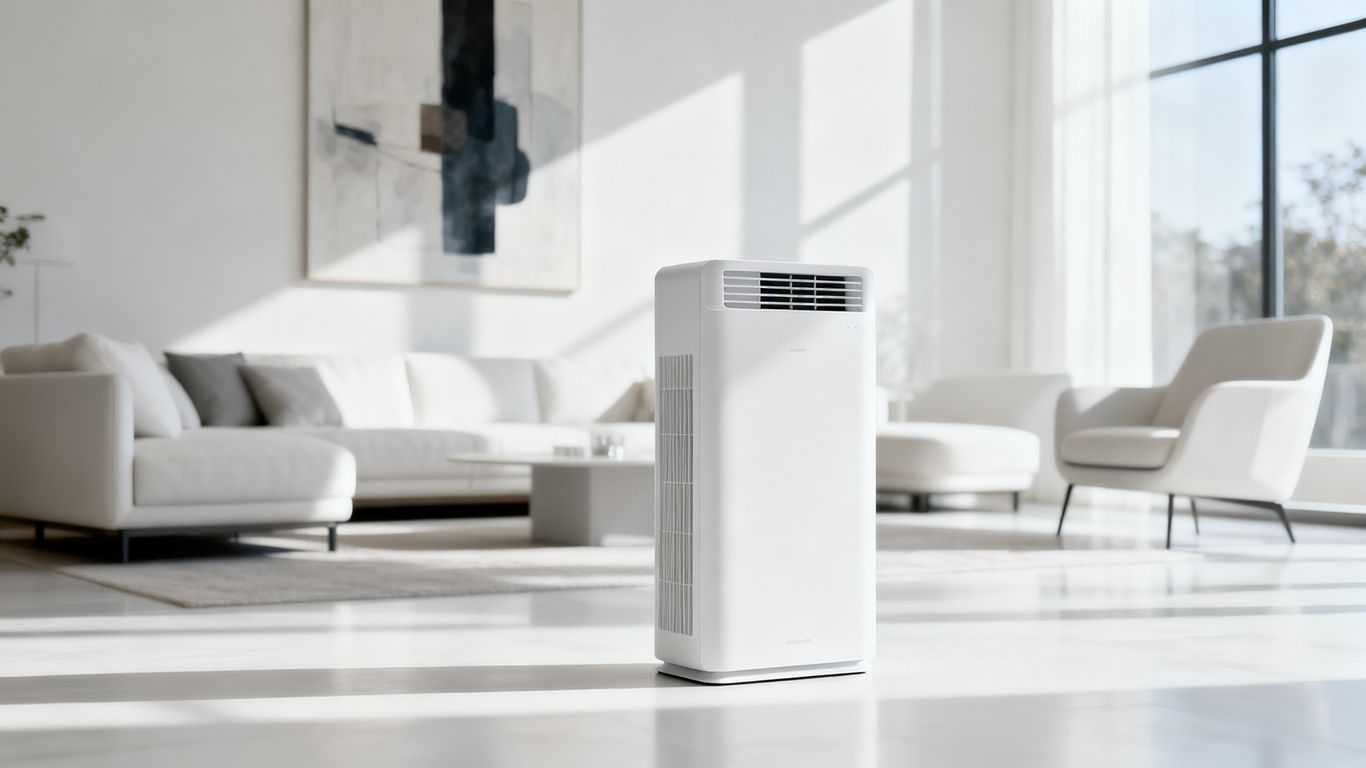
Choosing the right appliance depends largely on your climate and specific humidity challenges throughout the year. While various designs exist to tackle moisture, some are built specifically for industrial use, while others are engineered for the home. Aerofy focuses on creating solutions that bridge the gap for residents in humid, tropical climates who need reliable, high-performance moisture control.
Refrigerant or compressor dehumidifiers
These models act as the standard-bearer for home moisture removal, using a compressor that circulates gas to cool the internal fins. They perform exceptionally well in warmer, moisture-dense environments where humidity remains consistently high. By keeping the coils cold, they are extremely effective at pulling large volumes of water from the air in a short window of time.
Desiccant dehumidifiers
Desiccant models operate by passing air through a material that absorbs moisture naturally, rather than using a compressor-driven cold coil. These are preferred for cooler environments where traditional refrigeration cycles might struggle with freezing internal components. They run quieter and are ideal for smaller storage areas or closets where maintaining dry conditions is necessary.
Thermoelectric or Peltier models
Operating via the Peltier effect, these small, compact units use electrical current to create a cooling side and a heat side. They lack moving parts like compressors, making them ultra-quiet and suitable for extremely small spaces, though their overall moisture removal capacity remains limited compared to larger compressor units.
Differences between whole-house and portable units
Portable units offer the flexibility to move moisture control from the bedroom to the laundry room as needed. In contrast, whole-house systems integrate directly with your HVAC ductwork for seamless, property-wide humidity management. Residents must choose based on the specific volume of air they need to treat and whether they prefer mobile convenience or fixed-location efficiency.
Key components inside a dehumidifier
Understanding the inner workings of your unit helps you appreciate why certain models remain effective long after cheaper units fail. From specialized motors to advanced sensor suites, the assembly of a high-quality machine is designed to withstand the rigors of tropical humidity. Efficient engineering is what sets a premium,purpose-built unit apart from lower-quality alternatives.
The role of the compressor and cooling coils
The compressor acts as the heart of the system, constantly cycling refrigerant to keep the cooling coils at temperatures conducive to condensation. High-grade materials used here prevent corrosion, which is a major benefit in coastal or humid areas. To help you visualize the internal mechanics, we have categorized the primary components below for better clarity:
| Component | Function | Maintenance Level |
|---|---|---|
| Compressor | Circulates refrigerant | Low |
| Cooling Coils | Condenses moisture | Medium |
| Humidistat | Monitors humidity | Low |
| Fan Motor | Drives airflow | Medium |
How fans and motors facilitate airflow
Fans are responsible for maintaining a continuous flow of air through the unit, which is critical for consistent humidity reduction results. Without a powerful motor to pull air across the coils, the machine would only treat the air immediately surrounding it. Quality motors are optimized to provide this draw without creating excessive vibration or noise during regular operation.
The most robust machines are those where the air path is entirely unobstructed, allowing the fan and coils to work in perfect synchrony to extract water from every corner of the room.
Humidistats and control sensor functionality
Sensors act as the "brain" of the dehumidifier, constantly monitoring the moisture levels in the immediate environment. When the level rises above the set point, the sensors signal the compressor to kick in automatically. This level of smart operation allows the unit to save energy while keeping your indoor atmosphere within the ideal, healthy range.
Internal drainage systems and water reservoirs
Most units feature either an internal tank that collects water or a hose attachment for continuous, direct drainage. A well-designed tank includes an overflow sensor that triggers an auto-shutoff when it reaches capacity. This feature prevents spills and ensures your floors remain protected from potential leaks during peak humidity periods.
Primary factors affecting dehumidifier performance
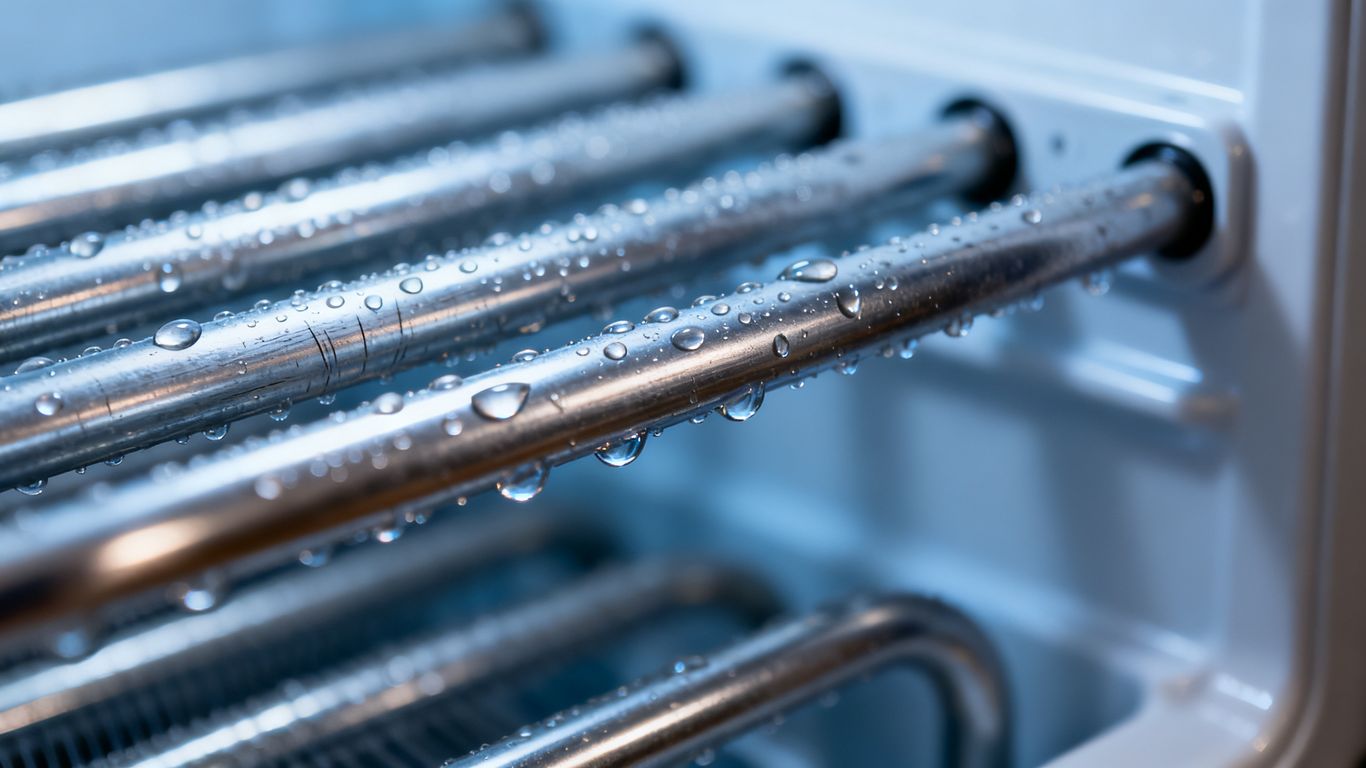
Performance is rarely just about the unit itself but also how you choose to operate it within your home’s layout. Factors like room temperature, filter cleanliness, and airflow paths all contribute to whether your unit successfully lowers humidity or simply runs for long, inefficient cycles. The Aerofy design philosophy emphasizes the importance of these external variables to ensure their units deliver the performance expected by homeowners in the region.
Impact of ambient room temperature
Compressor units work best in warmer conditions where the temperature difference between the room air and the cold coil is significant. If the room is too cold, the coils can develop frost, hindering the machine’s ability to pull moisture effectively. Knowing the temperature of your targeted space is essential before selecting a model type.
Managing relative humidity set points
Keeping your device set correctly ensures you achieve a healthy balance without excessive power consumption. To maintain your home properly, consider these best practices:
- Target 40-50% relative humidity for optimal allergen control and comfort.
- Adjust your set point seasonally to accommodate fluctuations in outdoor humidity.
- Avoid setting the target too low, as this forces the unit to work harder than necessary.
- Ensure the unit is placed in an area with good air circulation for balanced coverage.
Air circulation requirements and placement
For the best results, place your unit in a centralized location with at least six inches of clear space around the intake and exhaust vents. Blocking the airflow path reduces the system’s ability to exchange air effectively, leading to wasted energy and higher bills. Efficient placement is the single most important action a user can take to ensure high performance.
Consequences of dirty filters and coils
Dust and pet dander can quickly build up on both the air filter and the cooling coils, creating a sticky barrier. A dirty filter blocks essential airflow, while matted coils fail to cool effectively, leading to inefficient drying. Regular cleaning or replacement of these components is the standard path to maintaining peak operational capacity.
💡 Real-World Scenario
Imagine you just started a new job in a tropical climate and your apartment feels perpetually muggy. You notice a damp smell upon arriving home every evening, and your floors often feel slightly tacky to the touch. By understanding how the humidistat and coils function, you realize that placing your new dehumidifier in the center of the living area instead of in a corner will improve air intake and help the unit reach your target 45% humidity much faster, effectively reclaiming your space from the heavy, wet air.
Benefits of home dehumidification
Preventing mold and mildew formation
By keeping humidity levels in check, you eliminate the moisture-rich environments where mold spores thrive. This proactive control protects interior walls, ceilings, and closets from unsightly and potentially hazardous growth. For those looking to combine moisture control with advanced debris management, explore the ultimate guide to dehumidifier air purifier combos for comprehensive advice.
Reducing dust mites and biological allergens
Dust mites require air humidity above 50% to survive and propagate. By lowering the moisture levels, you disrupt their life cycle, which significantly improves the indoor environment for allergy sufferers. This simple, mechanical fix often does more for indoor health than aggressive chemical cleaning.
Protecting structural integrity and furniture
Excessively moist air leads to the warping of wood flooring, sagging drywall, and the degradation of fabric upholstery. Utilizing a dehumidifier with a HEPA filter provides a dual-layer of protection, ensuring your valuable interiors remain stable and preserved. Your home’s physical structure stands a much better chance of lasting a lifetime when you curb the corrosive nature of constant, high-level humidity.
Improving personal comfort in humid climates
When you control the humidity, you essentially change how your home feels. Lower humidity allows the body’s sweat to evaporate efficiently, making the same temperature feel significantly cooler and more comfortable throughout the day. It turns a thick, sticky house into a pleasant, airy sanctuary.
Essential maintenance and troubleshooting
Routine cleaning of coils and internal fins
Over time, dust and grime can settle on the cooling fins, making them less efficient at condensing moisture. Use a soft brush or vacuum with a gentle attachment to keep these components clear of debris. Regular attention to these parts will extend the life of your appliance.
Filter replacement and washing schedules
Checking your air filter monthly is a standard requirement for ensuring high airflow. Many filters can be washed in warm, soapy water and rinsed thoroughly, but double-check your manual to see if replacement is required after a certain number of hours of use. Keeping this clean protects the internal motor and coils.
Troubleshooting defrost cycles in cool environments
If you notice frost forming on the coils, do not panic, as many units have a built-in auto-defrost cycle. If it persists, ensure your room temperature is not dropping below the unit’s operating threshold. Proper room ventilation and warming can prevent this issue from becoming a persistent problem.
Identifying and clearing drainage blockages or leaks
If you find water pooling around the base of the machine, check the drain connector for debris, such as lint or pet hair. A blockage will cause the water to back up and spill over the reservoir. Periodic flushing of the line with mild vinegar and warm water can clear stubborn buildup and prevent leaks.
Conclusion
Mastering moisture control is a vital step toward protecting your health and the longevity of your home in tropical climates. By selecting the right technology, optimizing your placement, and staying consistent with filter and coil maintenance, you can ensure a reliable, comfortable indoor environment that remains dry and allergen-free year-round.
Frequently Asked Questions
Why should I care about my indoor humidity level?
High humidity can trigger respiratory issues, encourage mold growth, and cause structural damage to finishes like paint and wood. Keeping your humidity between 40-50% creates an environment where these problems rarely gain a foothold.
Is it possible to run a humidifier and dehumidifier at the same time?
Operating both at once is generally counterproductive as they work against each other’s efforts, wasting energy and putting undue stress on both machines. You should choose one or the other based on whether your indoor air is currently too dry or too damp.
Do I need to empty the water tank every single day?
Usage frequency depends heavily on the size of the room and the overall humidity levels of your region. High-capacity units in very damp rooms may require daily attention, while others could run for days before reaching their capacity limit.
Can a dehumidifier replace my standard air conditioner?
While air conditioners dehumidify as a secondary byproduct of cooling, they are not designed to remove humidity without also lowering the room temperature excessively. A dedicated dehumidifier provides superior moisture control without forcing you to deal with an uncomfortably cold home.
How loud should a dehumidifier be during standard operation?
Most modern units are comparable to a medium-speed fan or a standard refrigerator hum. Some designs prioritize quiet performance, which is ideal if you plan to keep the unit in a bedroom or office where you need to minimize distractions.
What happens if I keep my dehumidifier at a 30% setting?
Setting a target this low is rarely recommended, as it can cause the air to become overly dry, potentially leading to respiratory irritation and dry skin. Aiming for the 40-50% range is usually the safest and most efficient path for most homes.
Is there an easy way to move a unit between rooms?
Most portable units come equipped with rolling casters that make them simple to move across flat surfaces. If your home has multiple floors, you may need a unit with a sturdy handle, but be aware that full water tanks make these machines significantly heavier to lift.
Simplify Your Home Climate
Are you ready to take control of your indoor air and finally say goodbye to the damp, musty feeling? Take the first step toward a healthier home by visiting our shop and finding the right unit for your space. Buy now to experience the difference that expert engineering makes in your daily life.