Key Takeaways
Understanding the role of humidity control is essential for maintaining a healthy and durable living environment, especially in tropical climates where moisture levels reach extreme highs.
- Dehumidifiers extract excess water vapor to maintain indoor humidity between 30% and 50%.
- Proper humidity management significantly reduces the prevalence of respiratory irritants like mold and dust mites.
- Maintaining lower humidity protects structural elements, delicate upholstery, and high-value electronic assets.
- Strategic moisture control enhances the efficiency of home cooling systems while lowering overall monthly energy consumption.
- Advanced appliances like the Aerofy DualCore 20 integrate purification and dehumidification to provide comprehensive climate solutions.
Understanding the primary purpose of a dehumidifier
Many homeowners struggle with stagnant air and clammy living spaces without realizing that excessive water vapor is the root cause. A dehumidifier serves as the primary tool to rectify these conditions by pulling moisture directly from the environment. By stabilizing the air, these devices prevent the buildup of dampness that would otherwise compromise your personal comfort and air quality for 1709.
How moisture levels affect indoor air quality
High humidity turns your living space into a breeding ground for microorganisms that drift throughout your rooms. When moisture remains trapped, it settles into porous materials, leading to musty odors and degraded air purity that can be difficult to eliminate through simple ventilation.
The mechanics of moisture extraction
Modern units work by cycling ambient air over refrigerated coils or desiccant materials to force condensation. This process collects liquid in a reservoir or direct-drain hose, effectively stripping the atmosphere of heavy water molecules before returning dry, breathable air to the environment.
Defining ideal humidity ranges for residential spaces
Maintaining the balance between dryness and comfort is key to avoiding issues related to static or over-saturation. While comfort is subjective, keeping your home within a 40-50% humidity window represents the ideal balance for preventing mold and other persistent indoor humidity challenges referenced in ee51.
Improving respiratory health through humidity management

Managing the air you breathe is a direct health investment that pays off by reducing the concentration of biological contaminants. When humidity stays consistently elevated, individuals sensitive to environmental triggers often notice an immediate decrease in their respiratory well-being. Using equipment to regulate these levels serves as a foundational step for those seeking to minimize their exposure to home-based allergens.
Reducing triggers for asthma and allergies
Airborne particulates like pollen and dander become more active when high humidity is present, worsening indoor environments. A climate-controlled approach helps suppress these triggers, allowing families to breathe with greater ease and reduced dependence on medication for e8d8.
Inhibiting mold and mildew spore proliferation
Mold requires moisture to reproduce, and it will quickly colonize damp surfaces in your home. Eliminating the moisture source through consistent extraction ensures that mold spores do not have the opportunity to take hold in drywall or fabric.
Combating dust mite infestations
Dust mites thrive in humid conditions above 65%, making them a near-universal problem in tropical homes. Controlling these levels acts as a primary defensive barrier against infestations, which you can implement through these steps:
- Regularly monitor indoor humidity levels using a hygrometer.
- Use air-circulating devices to prevent cold spots where moisture hides.
- Maintain consistent room temperatures to prevent condensation.
- Empty and clean water collection reservoirs on a weekly basis.
Improving your environment is a continuous process that yields long-term health results for every member of your household by minimizing these persistent, invisible micro-threats.
Protecting your home structure and assets
Moisture is one of the most destructive forces in any home, often causing damage that remains hidden until it becomes costly to fix. Wood, fabric, and internal structural components are all susceptible to rot and warping when exposed to ongoing humidity. Investing in high-quality systems, such as the Aerofy DualCore 20, ensures that your property receives the climate protection it requires for 14b7.
Preventing structural water damage and dry rot
Dry rot thrives in the dark, damp corners of wall cavities where moisture sits stagnant. By drawing this moisture out, you maintain the structural integrity of your home’s framing, preventing the softening of timber and the resulting structural instability.
Safeguarding wooden furniture and flooring
Natural materials like wood and leather absorb humidity, which causes them to expand, shrink, or crack over time. A reliable climate control system protects your interior investments from these fluctuations and ensures their longevity in a humid climate.
Managing condensation inside windows and wall cavities
Condensation forms when moist air hits cold surfaces, leading to peeling paint and blistered textures on your walls. Effective extraction limits these interactions by keeping the dew point well within safe margins for your home’s interior design.
Enhancing comfort in different home environments
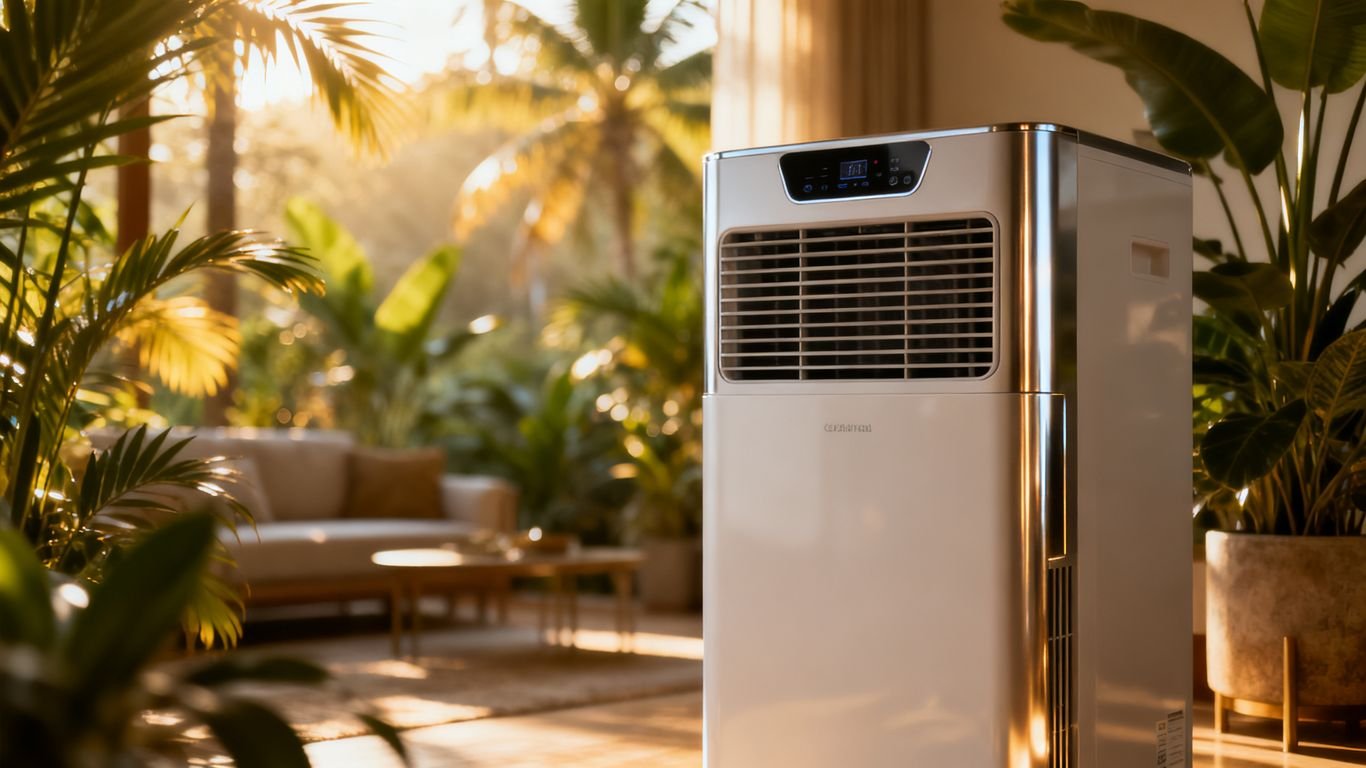
Comfort is not just about the ambient temperature; it is heavily influenced by how easily your body can cool itself through evaporation. A home that feels damp can make a moderate temperature feel stifling and unpleasant, which is a common complaint in tropical regions. The Aerofy DualCore 20 is specifically designed with a high-capacity rotary compressor to tackle this sensation by keeping air dry and refreshing.
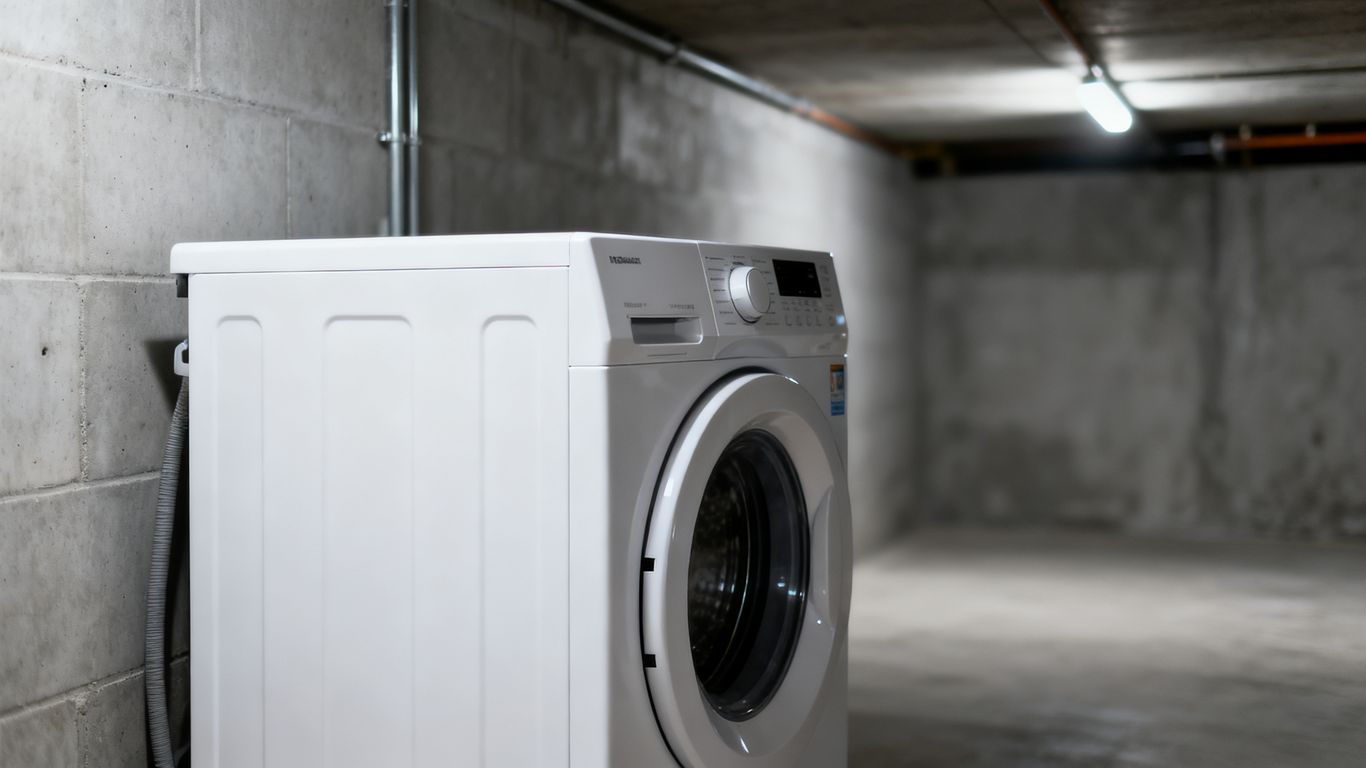
Alleviating the feeling of dampness in basements
Basements often lack decent circulation, creating damp pockets that feel perpetually heavy. These areas benefit most from consistent dehumidification, as you can see in the comparison of different unit footprints below.
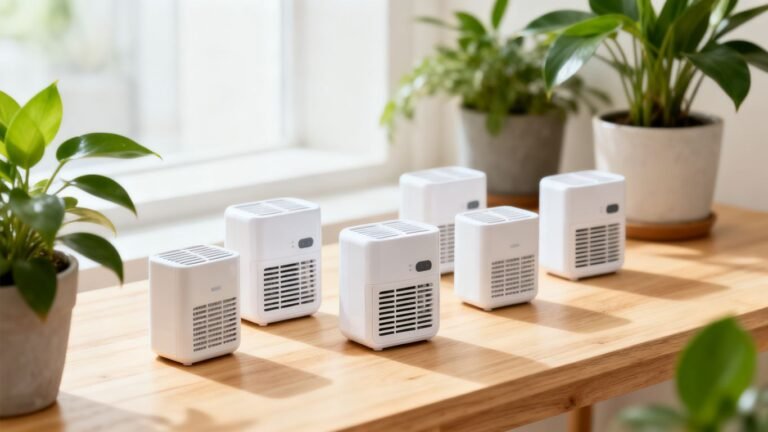
| Unit Size | Ideal Capacity | Room Coverage |
|---|---|---|
| Compact | 10-20 Pints | Small Bedrooms |
| Standard | 30-50 Pints | Living Areas |
| Whole-Home | 70+ Pints | Full Basement |
This distribution allows homeowners to scale their protection to the specific volume of their living space appropriately.
Maximizing the efficiency of air conditioning systems
Your air conditioning is forced to work twice as hard when it has to remove excess moisture before cooling the air. By utilizing a dehumidifier to handle the moisture load, your existing AC system can focus on temperature regulation, which significantly reduces its wear and tear.
Improving sleep quality in humid climates
Sleep is far more restful when you aren’t waking up feeling clammy or sticky due to a saturated atmosphere. Providing a dry, stable sleeping environment helps the body regulate its natural temperature, resulting in deeper and more restorative rest throughout the night.
Evaluating the economic benefits of dehumidification
Operating an efficient appliance offers unexpected financial returns by avoiding the high costs associated with property damage and maintenance. While purchasing a unit requires an upfront investment, its ability to manage environmental variables makes it a practical solution for homeowners managing d77f.
Reducing energy costs by lowering cooling loads
Lowering the humidity level allows you to keep your thermostat at a higher setting while feeling just as comfortable. This simple shift is a powerful way to reduce your electrical bill significantly throughout the year.
Preserving electronics and household metal fixtures
Metal components and delicate electronics are prone to corrosion when exposed to high moisture levels. By maintaining a controlled environment, you extend the lifespan of your expensive appliances and home fixtures indefinitely.
Preventing the need for expensive mold remediation services
Professional mold removal is a massive expense that is easily avoided through preventative climate management. The Aerofy DualCore 20 is a practical approach to preventative care, proving far cheaper than the eventual restoration costs of a moisture-compromised home. You can Buy Now to secure your home climate today.
Conclusion
Understanding what is dehumidifier used for unlocks a better, more protected living experience for your entire household. By tackling excess moisture, you are directly investing in the longevity of your home’s structure and the quality of your personal respiratory health. Whether you are aiming to improve sleep, lower energy expenses, or protect high-value furniture, managing your indoor climate is a practical step that creates a more efficient home environment for 9f1c.
Frequently Asked Questions
Does high humidity really affect my health?
Yes, consistently high humidity levels promote the growth of mold and dust mites, which are major triggers for allergies and respiratory issues like asthma.
What is the best humidity level for a home?
Most health and environmental organizations recommend keeping your indoor relative humidity between 30% and 50% for optimal comfort and safety.
Can I run a dehumidifier and an air conditioner together?
It is often highly effective to run both, as your air conditioner manages temperature while your dehumidifier focuses on reducing moisture to keep the air feeling crisp.
How often do I need to clean the dehumidifier?
To ensure optimal performance, you should clean the pre-filters regularly and empty the water collection tank as soon as it reaches capacity, unless using a direct drain.
Will a dehumidifier fix a mold problem?
While a dehumidifier stops the spread of mold by removing its moisture source, you must still professionally treat and remove any existing mold colonies before the air quality will fully recover.
Does using a dehumidifier increase my electricity bill?
While the appliance consumes power, it often results in a net saving on your total bill because your home cooling systems work more efficiently in a less humid environment.
Are there different types of dehumidifiers?
Yes, there are compressor-based units that work well in warmer climates and desiccant-style units that are better suited for cooler environments or unheated spaces.