Key Takeaways
Choosing the correct moisture control solution involves understanding environmental variables and specific device capabilities. Follow these core principles to ensure a balanced, healthy indoor climate:
- Match the pint capacity of your unit to the square footage of your space.
- Prioritize compressors that use R290 refrigerant for thermal efficiency in warm climates.
- Keep intake and exhaust vents clear to prevent motor strain and overheating.
- Perform bi-weekly filter cleaning to maintain consistent airflow and capture efficiency.
- Utilize a consistent drainage hose to prevent daily reservoir management tasks.
Assessing your room’s conditions
Selecting a proper dehumidifier for room management starts with a clear evaluation of current environmental constraints. You must identify specific humidity sources, such as persistent dampness in basement corners or moisture generated in bathrooms, to determine the necessary removal capacity. Understanding that residential spaces require varied levels of intervention helps prevent underpowering your strategy.
Calculating square footage and pint capacity
Determining capacity is the first step toward effective moisture control. A general rule of thumb is to calculate the square footage and cross-reference it with the dampness level of the space.
| Room Condition | Square Footage | Capacity Needed |
|---|---|---|
| Barely Damp | 500-1000 | 20-30 Pints |
| Very Damp | 500-1000 | 30-50 Pints |
| Constantly Wet | 500-1000 | 50+ Pints |
Selecting a unit that matches these metrics prevents the compressor from running continuously and consuming excess energy. Always aim for a capacity slightly above your calculated needs to ensure rapid adjustment during peak humidity hours.
Identifying specific sources of excess moisture
Detecting where water originates changes how you approach the problem. Often, moisture infiltrates through walls during seasonal rain or rises from the soil in concrete slabs, as discussed by experts in expert reviews.
Monitoring seasonal humidity fluctuations
Humidity levels are rarely static throughout the year. Using a hygrometer allows you to track these trends and adjust your dehumidifier settings accordingly, preventing mold growth effectively.
Selecting the right technology
Modern hardware allows for precision humidity control tailored to specific structural environments. Choosing the wrong mechanism often results in high electricity bills and poor performance, so matching the technology to your climate is essential for success.
Refrigerant dehumidifiers for warm climates
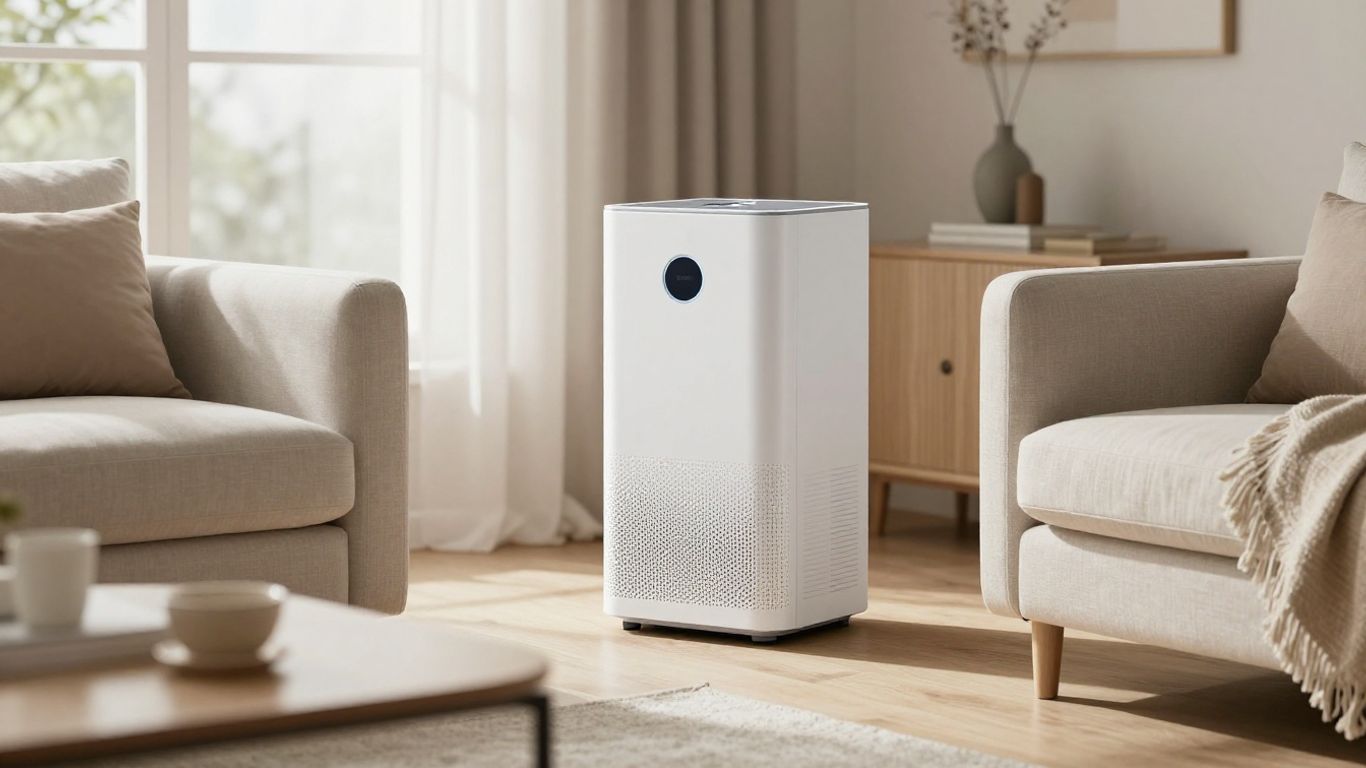
These units act similarly to standard air conditioners, utilizing a cooling coil to condense water vapor from the humid air. For residents in Singapore, the Aerofy DualCore 20 utilizes an efficient rotary compressor and R290 refrigerant to maintain comfort in tropical temperatures.
Desiccant models for low-temperature spaces
Desiccant models use chemical absorbent wheels to attract moisture, making them superior for cellar or garage environments where temperatures are too low for traditional refrigerant cycles to function optimally. These units are quieter and work effectively without generating the heat typically produced by compressor-based systems.
Peltier units for small and quiet closets
Thermo-electric units represent the smallest category of moisture management. While they lack the power for open floor plans, they work well for isolated closets where sound sensitivity is high and moisture accumulation remains minimal.
Critical technical specifications
Technical performance hinges on the sensors and hardware components that manage operational cycles. Understanding these features ensures you are not just buying a machine, but an integrated piece of infrastructure designed to monitor and regulate its surroundings independently.
Understanding auto-shutoff and humidistat sensors
An internal humidistat acts as the central brain of any modern unit, constantly analyzing ambient moisture levels. When the target level is reached, an Aerofy humidistat signals the unit to pause, preventing unnecessary energy consumption and maintaining a consistent, comfortable air profile.
Comparing drainage options: buckets versus continuous hoses
Scenario Time: Imagine returning home after a week of travel to a full water bucket, which caused your unit to shut down, allowing humidity to rise and mold spores to propagate in the ceiling corners. This is why many users opt for a continuous drainage hose to bypass the reservoir entirely.
Analyzing fan speeds and noise level output
Fan speed determines how quickly air circulates through the filter assembly. A higher speed is necessary for clearing damp basements quickly, while lower settings keep ambient noise in bedrooms at a minimum during night hours.
Strategic placement for efficiency
Where you park your unit determines its efficacy in managing the target area. Airflow restrictions often serve as the primary culprit for diminished machine performance, causing the system to work harder than necessary to extract minimal moisture.
Centralizing the unit for optimal air circulation
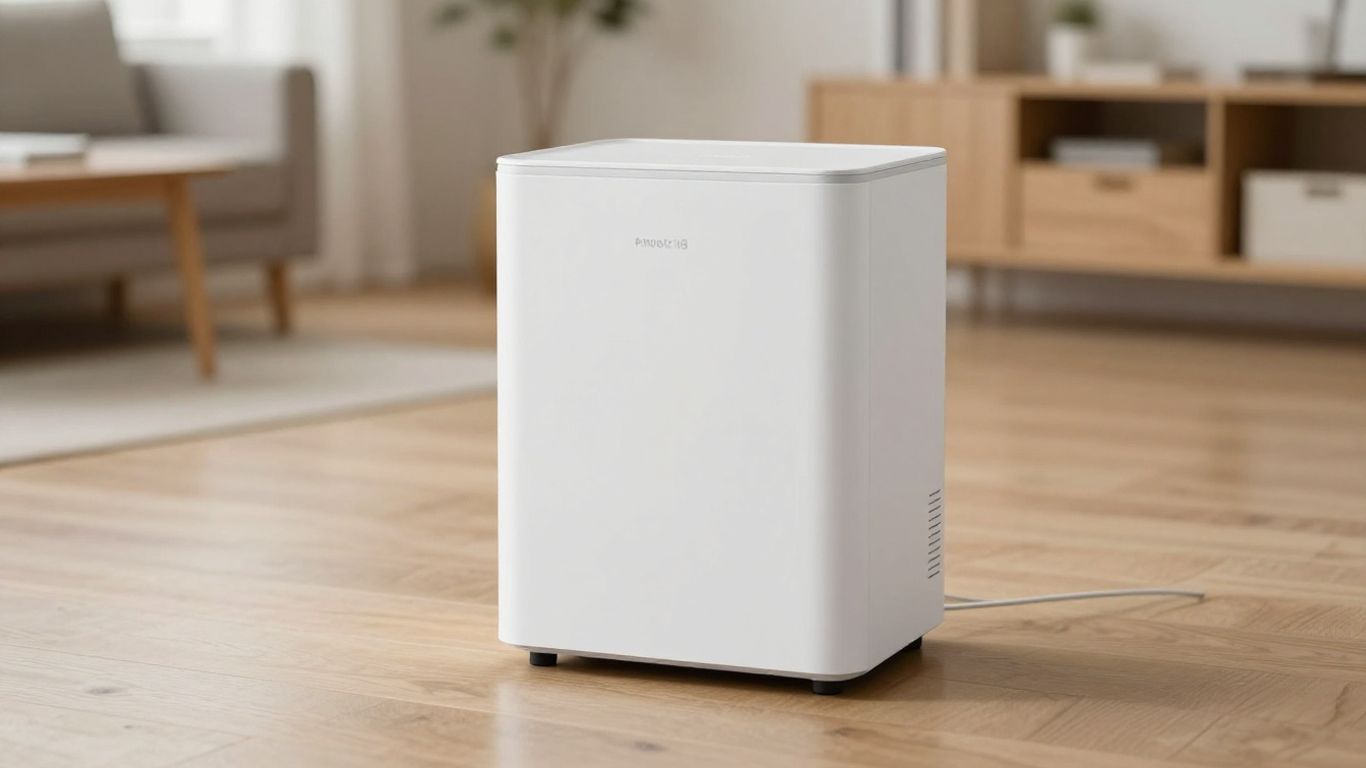
Positioning the machine in the center of the affected area maximizes exposure to stagnant air pockets. This central placement ensures that air is drawn predictably from all directions, allowing the sensor to gather data from the entire room rather than just a single corner.
Maintaining clearance from walls and furniture
Maintain at least 12 to 18 inches of distance between the intake vents and any solid surfaces. This buffer ensures that the machine has a steady intake of room air rather than recycling the dry air it just exhausted, which would lead to false humidistat readings.
Avoiding obstructions near intake and exhaust vents
Ensure that no curtains, decor, or furniture items block the path of airflow. If the exit vent is restricted, the internal pressure can rise, causing the system to heat up excessively and potentially triggering safety shutdowns prematurely, as noted when using your Aerofy setup.
Long-term maintenance and performance
Regular care is required to sustain the longevity of your investment and ensure it remains a helpful household ally. Without routine upkeep, components like condenser coils and dust filters can degrade, resulting in a unit that runs loudly but removes very little water.
Cleaning air filters to prevent dust accumulation
Dirt buildup on the air filter restricts the airflow, which forces the motor to fight against unnecessary resistance. To ensure proper efficiency, detach the panel every two weeks to remove particulates that have accumulated during normal operations.
Managing coil frosting in cold environments
If the ambient air drops below the manufacturer’s recommended operating temperature, frost can accumulate on the condenser coils. Most intelligent units include a defrost cycle to melt this buildup, but keeping the room slightly warmer helps the system stay within its optimal range.
Emptying reservoirs regularly to prevent mold growth
Even with continuous drainage systems, the reservoir should be sanitized monthly. Algae and mold can develop in stagnant water if the tank remains unused for extended periods, creating an unpleasant musty odor in the room.
Evaluating the benefits of room-specific dehumidification
Targeted humidity control improves the interior health of your home and contributes to the structural integrity of your building materials. By focusing on specific rooms, you prevent issues before they reach a point where professional repair is required.
Prevention of structural damage and mildew
Excess humidity leads to wood swelling and wallpaper peeling over time. By maintaining the room within the 40-50% range, you effectively inhibit mold and protect your expensive investments in flooring and interior trim.
Improving indoor air quality for allergy sufferers
For those sensitive to dust mites and mold, the Aerofy DualCore 20 helps significantly. It lowers the relative humidity that allergens need to thrive, effectively creating an environment where microscopic triggers have a much harder time surviving.
Managing electricity costs through targeted usage
Instead of over-conditioning an entire house, room-specific units allow you to focus energy usage only where moisture is a problem. This targeted approach is more sustainable than running a whole-home HVAC system at high load to manage a single damp guest room or home office.
Conclusion
Selecting the right dehumidifier is an investment in your home’s air quality and physical longevity. By assessing room conditions, choosing the appropriate technology, and maintaining your unit with care, you can reliably control moisture levels and protect your indoor environment from the persistent challenges of tropical humidity.
Frequently Asked Questions
What is the ideal humidity range for a living room?
The ideal relative humidity for most residential living spaces is between 40% and 50%, which is comfortable for humans and dry enough to discourage the growth of mold or dust mites.
Do I need to buy a specific size for my bedroom?
Yes, capacity matters; for an average bedroom, a unit rated for 20 to 30 pints per day is typically sufficient to maintain a healthy RH level without being unnecessarily noisy.
How often should I clean the air filter?
It is recommended to inspect and clean your filter every two weeks, or more frequently if there are pets in the household that produce extra dander and loose hair.
Can my dehumidifier run 24 hours a day?
Most modern units are engineered to run constantly if needed, provided they are connected to a continuous drainage hose to prevent the risk of overflowing buckets during extended cycles.
What does ‘pint capacity’ actually mean on the label?
Pint capacity indicates the theoretical amount of moisture the machine can extract from the air over a 24-hour period under standard testing conditions, which usually involve a specific room temperature and humidity level.
Will a dehumidifier fix my damp carpet smell?
Lowering the humidity level will stop the mold and bacteria that cause musty odors, though you may still need to deeply clean the carpet to remove the pre-existing source of the smell.