Key Takeaways
Choosing the right climate-control appliance effectively balances moisture removal with particulate filtration to improve comfort. This guide outlines how dual-function machines operate and what you should look for before purchasing.
- Dual-function units save valuable floor space by consolidating two essential home appliances.
- Understanding CADR and pint capacity is critical for matching performance to room size.
- Routine cleaning of reservoirs and timely filter replacements ensure long-term efficiency.
- Integrated technology helps mitigate mold growth and airborne allergens concurrently.
- Modern systems offer smart controls that automate moisture management based on real-time feedback.
Understanding the 2 in 1 air purifier and dehumidifier technology
Modern indoor climate management requires a sophisticated approach, especially in humid regions where moisture and air quality are constantly intertwined. A 2 in 1 air purifier and dehumidifier addresses both aspects by integrating advanced filtration with compressor-driven drying. By treating air through separate but synchronized paths, these units provide a proactive shield against environmental irritants.
How the air purification process works in dual units
Purification in these systems relies on a multi-stage filtration process that typically includes a pre-filter, a HEPA filter, and optional activated carbon layers. The intake fan draws air through these filters to capture dust, pollen, and aerosols before the air moves toward the internal cooling coils. This ensures that the air being dehumidified remains free of particulates, effectively cleaning the space as the moisture is extracted. High-quality appliances like the Aerofy DualCore 20 emphasize this dual path, ensuring that the air filtration media remains effective despite the presence of moist air conditions.
The mechanics of moisture extraction and dehumidification
Dehumidification works by bringing humid air into contact with refrigerated cooling coils, causing water vapor to condense into liquid form. The liquid collects in a reservoir while the now-dry air is reheated slightly before being pushed back out into the room. This process is essential for preventing mold and mildew buildup on furniture and walls. The system relies on a rotary compressor and high-efficiency coils to maintain consistent output even during high-humidity periods.
Balancing simultaneous airflow and humidity control
Achieving the right balance involves managing fan speeds to ensure air is processed at an optimal rate for both filtration and condensation. If the fan speed is too high, the air spends insufficient time against the cooling coils to shed moisture; too low, and the purification rate drops. Many newer units manage this through smart sensors that automatically modulate airflow based on real-time readings. Achieving this balance is a core engineering challenge for any Aerofy design, ensuring that the unit is not just effective but also energy-efficient.
Benefits of combining air purification and dehumidification
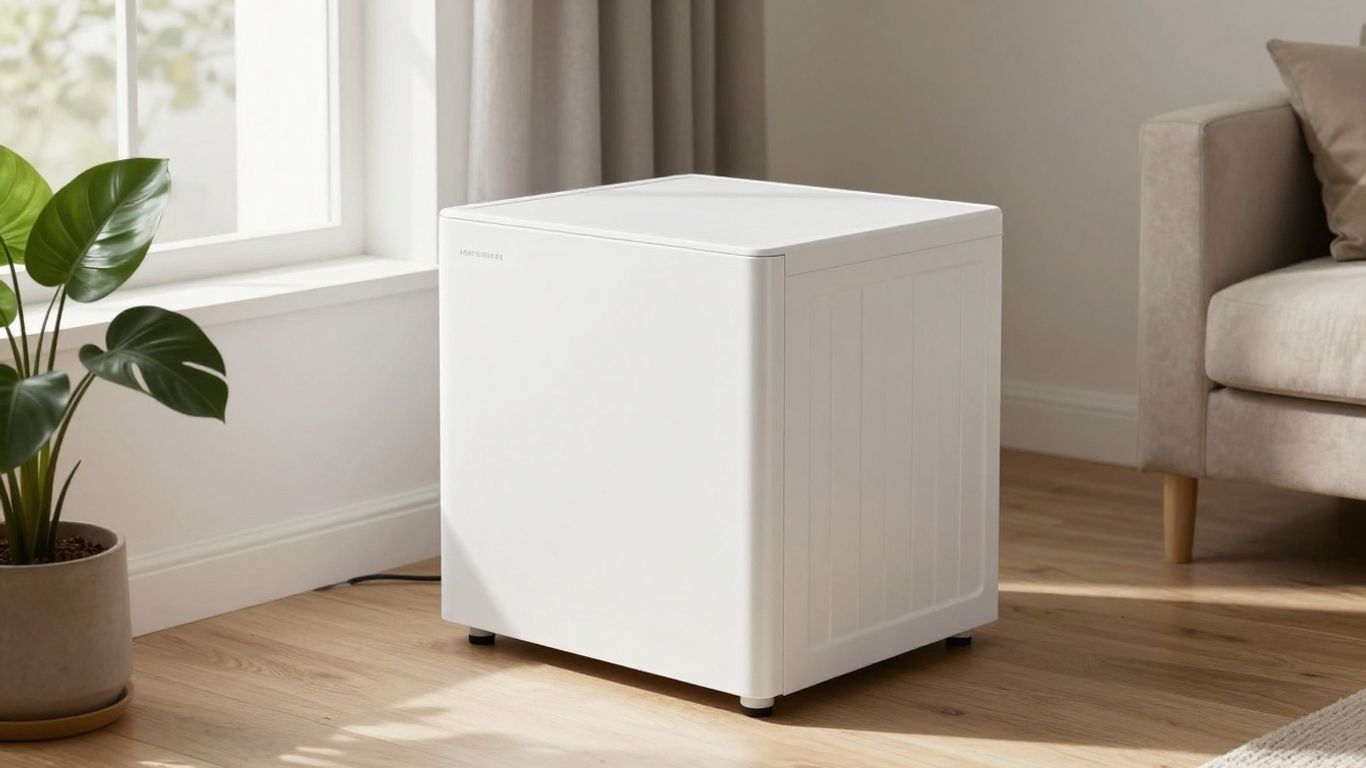
Combining these two technologies into a single hardware footprint provides immediate advantages for urban living. Residents often find themselves with limited storage, making a consolidated appliance a logical choice. When both devices work within one chassis, the footprint is significantly reduced compared to maintaining two separate, bulky machines.
Saving space in apartments and smaller rooms
In smaller living arrangements, every square inch matters, particularly when the bedroom or living area serves multiple daily functions. Having a single piece of equipment allows for cleaner aesthetics and fewer cords cluttering the floor. The Aerofy Lite illustrates this, as it demonstrates how a compact design does not have to sacrifice power, allowing for better movement and furniture arrangement in cramped layouts.
Streamlining indoor air quality management
Managing air health becomes simpler when notifications and maintenance are centralized in one mobile app or panel. Users can track filter life and water tank status simultaneously, preventing the negligence that often occurs with secondary devices. Integrating these tasks simplifies the routine for homeowners who need to combat issues like high humidity and airborne pollutants year-round.
Cost effectiveness compared to purchasing individual appliances
Purchasing a single dual-purpose unit is generally more economical than buying two high-quality, dedicated systems. This approach also results in consolidated energy draw, as modern systems require only one set of sensors and one electrical connection. To better understand the financial investment, consider the following performance comparison across different modes:
| Feature | Dedicated Purifier | Dedicated Dehumidifier | 2-in-1 Combo |
|---|---|---|---|
| Energy Use | Low | High | Medium |
| Maintenance | Filter updates | Filter/Tank cleaning | Combined cycle |
| Space Req. | Minor | Major | Moderate |
After reviewing these differences, it becomes clear that the value proposition of a combined unit lies in its utility for the average user, as it provides seamless indoor air quality management without doubling the device count.
Evaluating key technical specifications
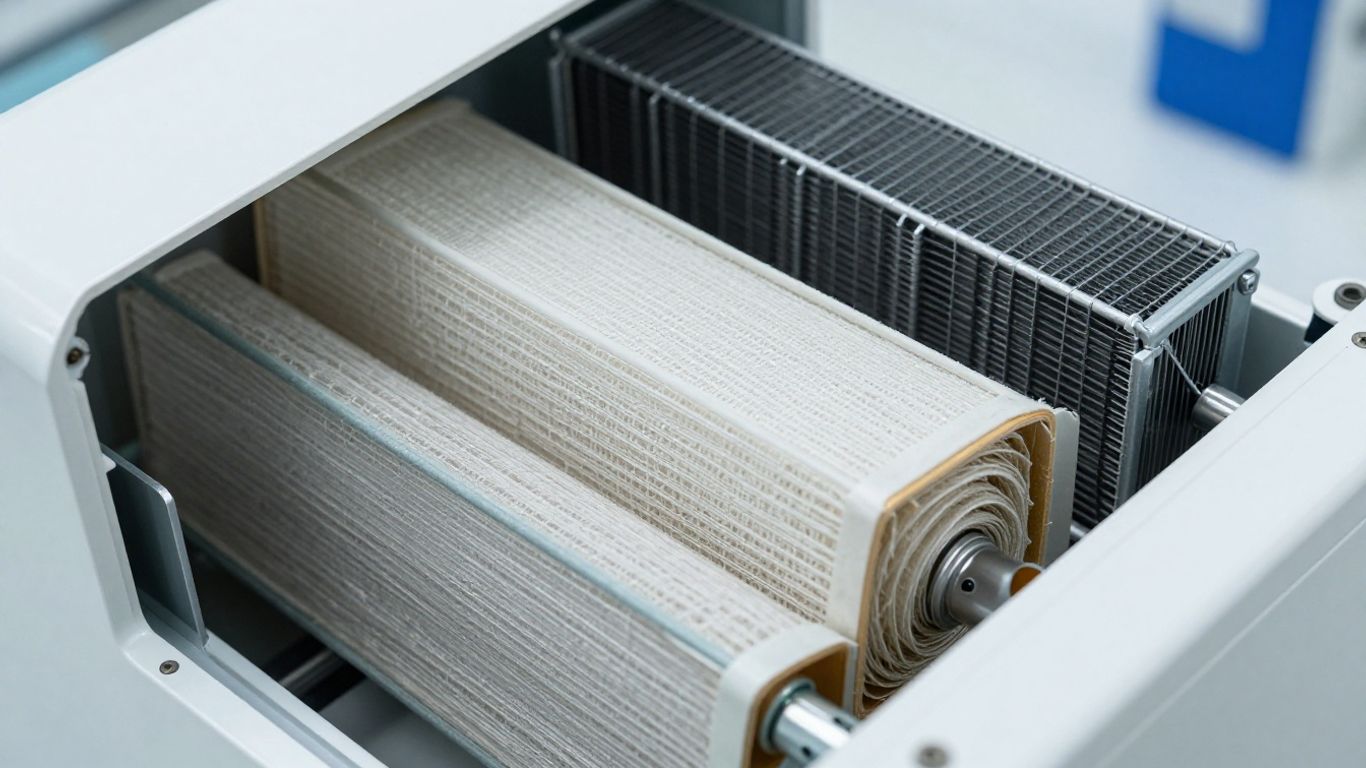
Selecting a device requires looking beyond the marketing claims, as actual performance hinges on specific technical metrics. Understanding how to interpret these ratings will help ensure that you pick an appliance that is actually capable of handling your specific room conditions.
Understanding CADR ratings for particulate filtration
Clean Air Delivery Rate, or CADR, quantifies how much clean air the unit delivers based on volume and particle size. A higher CADR indicates that the purifier can handle larger rooms or achieve more air changes per hour. When assessing Philips Series 5000, notice that a proper balance between fan speed and filter density is vital to maintaining these performance numbers throughout the life of the unit.
Assessing dehumidification capacity in liters per day
Capacity measurements are usually listed in liters per day, representing the unit’s ability to extract water from the environment at specific temperatures and humidity levels. Be cautious with these figures, as manufacturer ratings often reflect optimal, rather than real-world, conditions. For tropical areas, look for a unit that maintains its extraction rate even when the ambient temperature is lower or the internal tank is nearing capacity.
Analyzing power consumption and energy star efficiency
Power efficiency is often overlooked during the initial purchase, yet it dictates long-term operating costs. A more efficient compressor design will keep your electricity bills manageable. It is wise to look for units that utilize advanced refrigerant technology, which allows for higher performance with a lower environmental impact, ensuring maximum circulation and efficiency in every room.
Strategic placement and maintenance requirements
💡 Scenario Time: Imagine you have placed your new unit against a wall in the corner of your humid study. You notice the humidity reading isn’t dropping as fast as expected and the air feels stuffy. By moving the unit to a more central, unblocked location, the airflow paths are cleared, and the internal sensors finally detect the true humidity level, allowing the compressor to function optimally. This highlights why the setup stage is just as important as the purchase itself.
Choosing the optimal location for maximum circulation
Positioning is essential; the unit should have at least 20-30 centimeters of clearance on all sides to prevent intake blockage. Placing it away from curtains or furniture ensures that the sensor can accurately monitor room air. Effective airflow allows the purifier to process the room volume in a predictable timeframe.
Creating a consistent filter replacement cycle
Filters must be replaced or cleaned based on the actual usage hours rather than simple calendar dates. Most manufacturers recommend checks every three to six months, especially during seasons with higher dust or pollen levels. You should follow these practices to keep your unit running well:
- Check the pre-filter mesh every month for visible dust accumulation.
- Verify the HEPA filter status via the control panel or app display.
- Replace carbon layers immediately if you notice lingering odors.
Following these steps keeps the internal cooling system free from airborne debris that might otherwise hinder its operation.
Cleaning the water reservoir and intake vents
To prevent mold from growing inside the reservoir, empty and rinse it weekly with a mild soap. This maintenance helps prevent any musty smell from being cycled back into your home through the exhaust. Wipe the exterior intake vents with a dry microfiber cloth to keep dust from entering the chassis.
Limitations and performance trade-offs
Large-capacity units often come with a heavier noise signature during high-intensity modes. While some users might find this distracting, it is a necessary mechanical reality for moving large volumes of air and extracting significant amounts of moisture.
Balancing noise levels during high-intensity modes
When the system works to lower humidity rapidly, the fan and compressor require more power, leading to higher decibel levels. Choosing units that offer night modes or quiet settings can help mitigate this disruption in bedrooms. Balancing comfort and performance is often a trade-off that depends on the specific noise profile of the appliance in your living space.
Navigating complex control interfaces for dual settings
Some models feature complex, multi-layered interfaces that can be difficult to master during initial setup. Manufacturers who focus on user experience often solve this by providing simple, intuitive applications that allow for remote adjustments. If a device has too many sub-menus, it may lead to unintentional settings that lower the unit’s efficiency over time.
Recognizing scenarios where dedicated units are superior
There are instances, such as in exceptionally large homes or extreme industrial settings, where dedicated, heavy-duty appliances outclass even the best dual-function tech. If your space exceeds the rated capacity of a 2-in-1 unit, you may face poor results even while running the machine at maximum intensity. In such cases, professional equipment is often the only way to maintain the correct environment.
Conclusion
Choosing a 2 in 1 device offers a practical, modern approach to home air health. By understanding the core mechanics of filtration and humidity control, you can make an informed decision that saves space while promoting a more comfortable living environment. Maintaining your machine properly ensures it continues to function as effectively as the day you brought it home, providing lasting relief from the challenges of humid climates.
Frequently Asked Questions
How often should the filters in a dual-purpose unit be cleaned?
Filters should be checked or gently vacuumed every month to remove loose dust, while a full replacement is typical every six months depending on the specific environment and usage frequency.
Can a device like this operate as only an air purifier?
Most units allow users to toggle features independently, meaning you can run the fan and filtration system without engaging the compressor for dehumidification when humidity levels are already stable.
Is it normal for the appliance to produce heat while dehumidifying?
Yes, the process of moisture extraction inherently creates heat as a byproduct, which can lead to a slight rise in ambient room temperature compared to the air before the cycle began.
How does high humidity affect air purifier filtration效率?
Excessive moisture can cause filters to become damp, which may lead to reduced efficacy and potentially promote mold growth within the filter media itself, highlighting the need for efficient dehumidification.
Are these devices effective for removing pet allergies?
Yes, the integrated HEPA filter captures fine pet dander and hair as effectively as a standalone purifier, provided the unit’s CADR rating is sufficient for the room size where your pets spend time.
Should the water reservoir be emptied while the unit is running?
Most modern machines include an automatic shut-off feature when the tank is full, ensuring you can safely remove and empty the reservoir without risking a water overflow or electrical damage.
Can I use these units in a basement or garage?
These machines perform well in enclosed areas, though you should ensure the unit is rated for your specific square footage and operating temperature, as basements can occasionally be too cool for certain compressor-based systems.