Key Takeaways
Optimizing your home climate requires understanding the distinct roles these appliances play, especially in humid regions like Singapore.
- Air purifiers capture airborne particles like pollen and dust.
- Dehumidifiers extract moisture to prevent mold and musty odors.
- Consistent humidity monitoring is vital for structural health.
- Dual-function devices simplify maintenance and save valuable space.
- Proper device placement significantly boosts overall air quality performance.
Understanding the core functions of air systems
Many homeowners often confuse air treatment appliances, yet their mechanical and functional objectives differ significantly. While air circulation is a trait shared by both, the internal processes serve opposite goals. Distinguishing these roles is essential for creating a comfortable, healthy domestic environment.
How air purifiers filter indoor pollutants
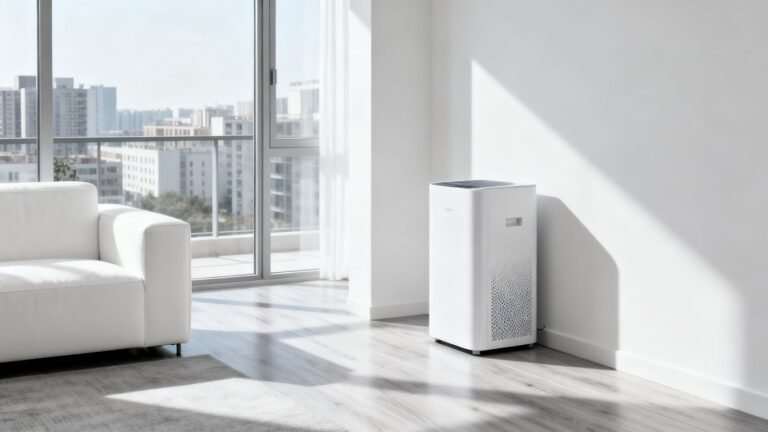
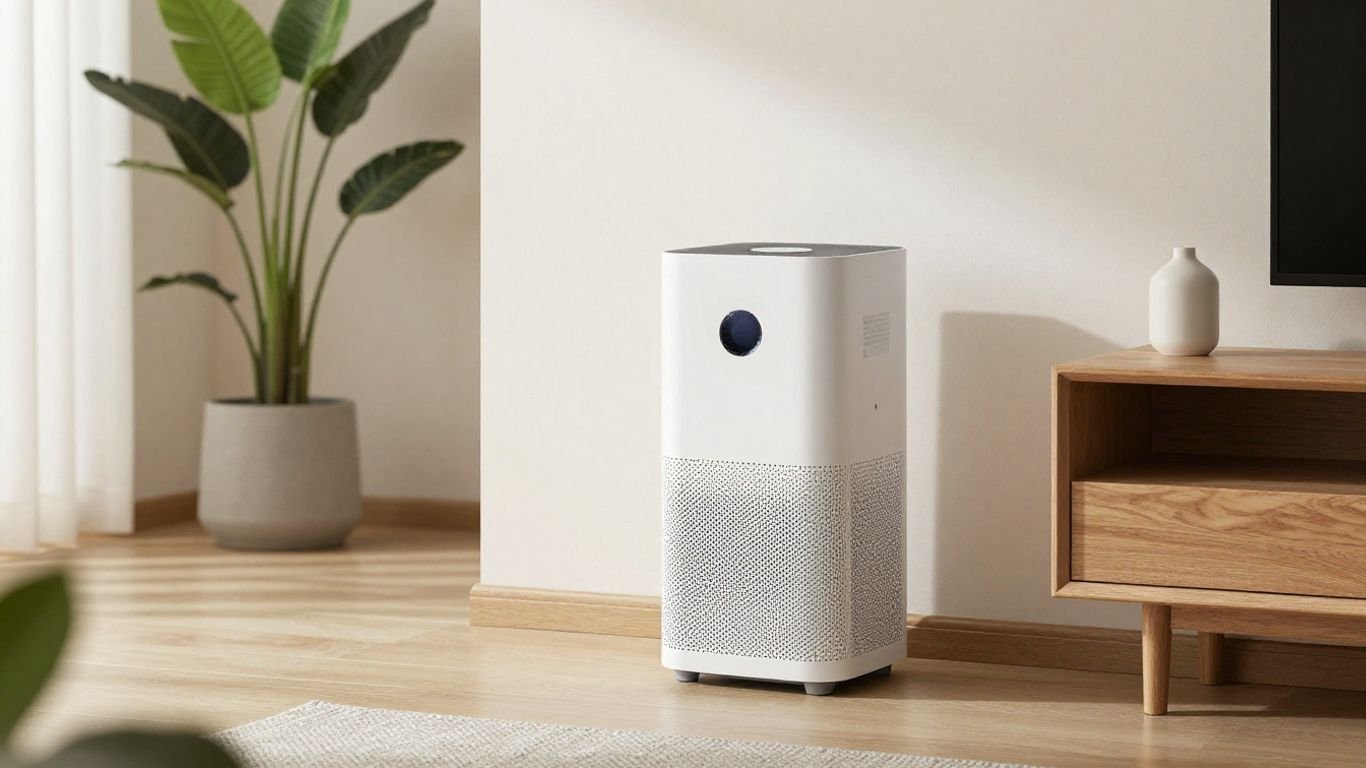
Air purifiers function by using a fan to pull ambient air through high-efficiency filters. These specialized fibers mechanically trap microscopic particles 711a that lead to respiratory inflammation. Technologies such as True HEPA filtration f7aa allow for the removal of allergens that remain suspended in the air. By continuously cycling air through these fine layers, pollutants are effectively contained, leaving the circulating air noticeably cleaner.
How dehumidifiers control moisture levels
Dehumidifiers operate on a condensation principle, which is critical for those managing the impacts of high tropical humidity 1298. By cooling the incoming air through a specialized cold coil, these systems pull the excess moisture out and collect it in a reservoir or drain it externally. This process lowers the relative humidity levels, which directly inhibits the conditions required for biological growth. Proper humidity control remains a foundational element for maintaining a home in Southeast Asia.
Key mechanical differences in unit operation
Mechanical design dictates the performance and longevity of home climate appliances. An air purifier focuses on airflow velocity and filter surface area, whereas a dehumidifier 1f76 requires energy-intensive refrigeration processes often utilizing specific refrigerants like R290. Understanding these hardware requirements ensures users pick the right tools for their specific environmental challenges. Aerofy focuses on this engineering balance, ensuring that their appliances function effectively despite fluctuating exterior temperatures.
Recognizing signs that you need an air purifier
If you find yourself sneezing frequently while indoors or noticing lingering stale smells, your home might be missing effective particle filtration. Pollutants trapped in small or poorly ventilated spaces can reach concentrations that impact your daily breathing. Recognizing these early warning signs allows you to act before symptoms worsen.
Dealing with seasonal allergies and pet dander
Seasonal changes often introduce higher counts of outdoor allergens that infiltrate your rooms. Pet dander also presents a similar persistent challenge, as these tiny organic particles circulate effortlessly through vents 539e. Utilizing an air purifier with a high-cadence fan helps process large volumes of air, sequestering these irritants before they can settle on upholstery.
Reducing smoke and chemical fumes in the space
Volatile Organic Compounds (VOCs) and smoke particles are often too small for basic mechanical filters fae0. Effective particle management requires a system capable of handling gaseous odors alongside solid particulates. Activated carbon components integrated into advanced filtration systems assist in neutralizing these chemical threats, which are frequent contributors to poor indoor air quality in busy urban areas.
Evaluating indoor air quality test results
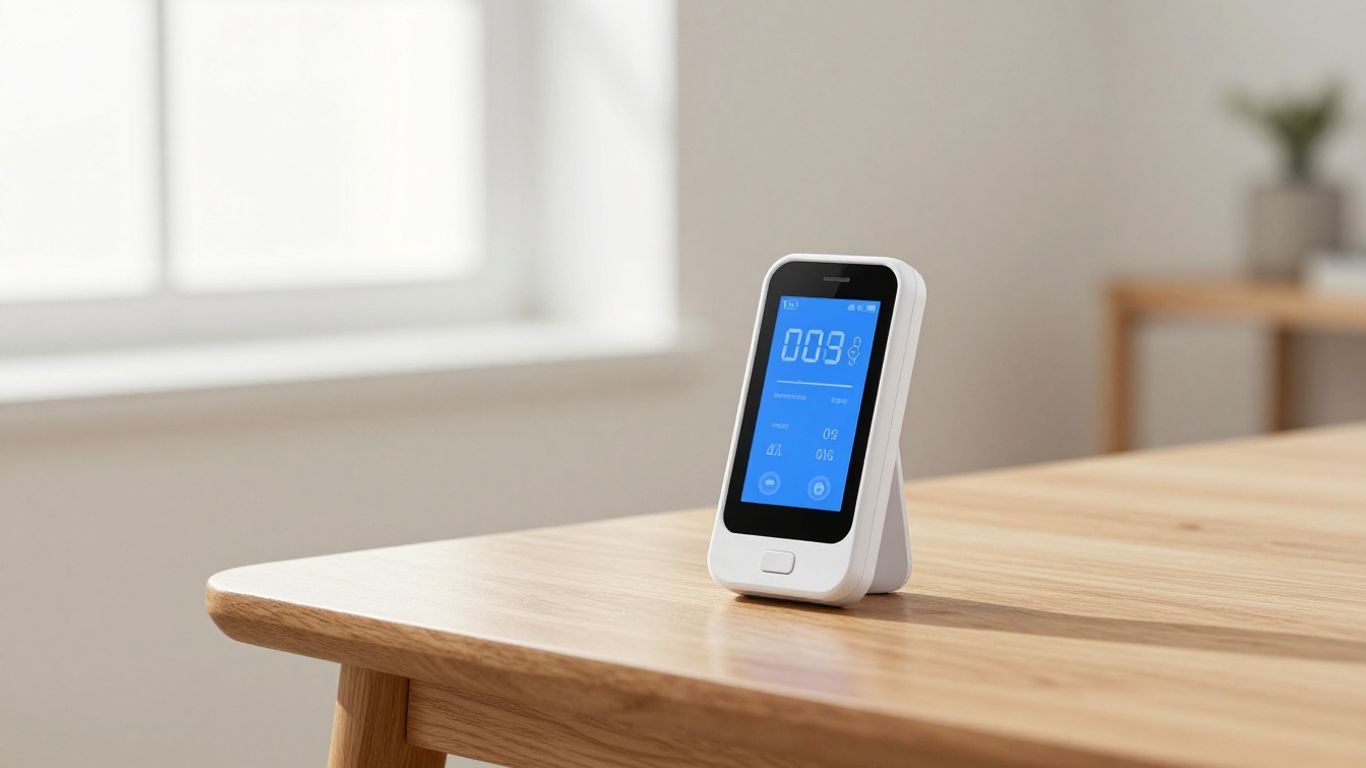
Modern sensors provide real-time data that reveal exactly what is happening inside your home. When your digital monitors show elevated levels of particulate matter even after cleaning, it acts as a clear signal for the installation of an air filtration system. Consistent monitoring allows residents to make informed decisions regarding air quality based on objective statistics rather than simple guesswork.
Identifying when a dehumidifier is the better choice
High humidity is a silent stressor that works against the integrity of your home architecture. If you notice persistent condensation on windows or a heavy feeling in the air, the priority must shift toward moisture extraction. Correcting these levels is crucial for preventing the subtle deterioration of your interior belongings.
Controlling mold and mildew growth
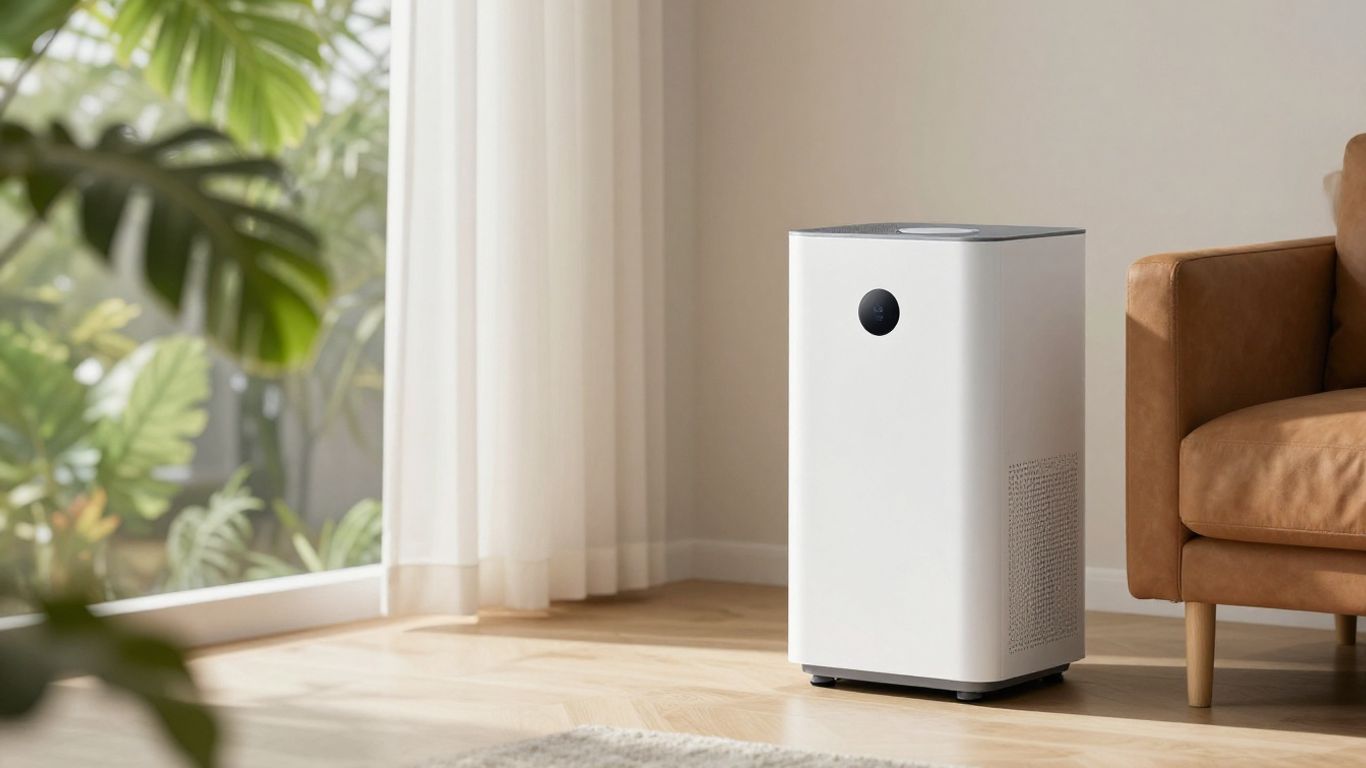
Fungal spores flourish when relative humidity sits consistently above 60 percent. A dehumidifier creates an inhospitable environment for these organisms by keeping moisture levels within the recommended safety range a72a. By removing the water source, you prevent the colonization of mold, effectively safeguarding the air you breathe and the surfaces you inhabit.
Preventing structural damage from high humidity
Excessive moisture causes warping in wooden furnishings, peeling paint, and deterioration in wall insulation. Over time, these damages result in significant financial consequences for the homeowner. Investing in proper moisture control acts as a form of preventative maintenance, ensuring your property retains its structural integrity regardless of the external tropical climate.
Improving personal comfort in tropical climates
Living in Singapore presents unique challenges regarding heat index and ambient moisture. When the air is saturated, the body struggles to cool itself naturally through perspiration, leading to physical fatigue. An Aerofy dehumidifier manages these comfort levels, creating a crisp, manageable indoor atmosphere that significantly enhances daily productivity.
Analyzing the impact on your home environment
Maintaining the air quality in your home requires a look at the operational costs and logistics of your chosen devices. Effective climate management involves balancing performance with sensible utility usage. Understanding these trade-offs helps homeowners build a sustainable routine.
Energy efficiency and power consumption comparison
| Appliance Type | Primary Benefit | Power Usage | Maintenance Needs |
|---|---|---|---|
| Air Purifier | Clean particle count | Low | Monthly filter checks |
| Dehumidifier | Prevents dampness | Moderate/High | Water tank emptying |
| Combo Appliance | Dual environment control | Optimized | Integrated filter sets |
Selecting a unit that balances performance with power draw ensures long-term affordability. For those seeking efficiency, the Aerofy DualCore 20 is designed to optimize these consumption metrics for tropical living.
Noise levels during different operation cycles
Operational volume primarily fluctuates based on the fan speed and compressor load. Most modern appliances include a silent-night mode, though heavy dehumidification cycles naturally operate louder than a standard air-only fan. Choosing quiet-engineered hardware is vital for residential comfort, ensuring that your health interventions do not disrupt essential rest or productivity.
Maintenance requirements and filter replacements
All climate appliances require routine care to maintain their engineering output efficiency. For instance, you should observe these maintenance tasks:
- Vacuuming external intake grates every two weeks to prevent dust buildup.
- Verifying the water drain hose to ensure no blockage occurs in the reservoir system.
- Scheduling semi-annual HEPA filter replacements to maintain high-performance capture rates.
- Cleaning sensor ports to prevent erroneous air quality readings.
Keeping to this maintenance schedule ensures that your devices remain reliable and perform exactly as specified by the manufacturers.
Combining both systems for optimal health
Some homes suffer from the dual challenge of low-quality air and excessive humidity. When these issues overlap, a targeted, integrated approach cee7 serves as the most effective strategy. Attempting to solve one without addressing the other leaves the home environment unbalanced and potentially problematic for those with hypersensitivities.
Addressing overlapping air quality issues
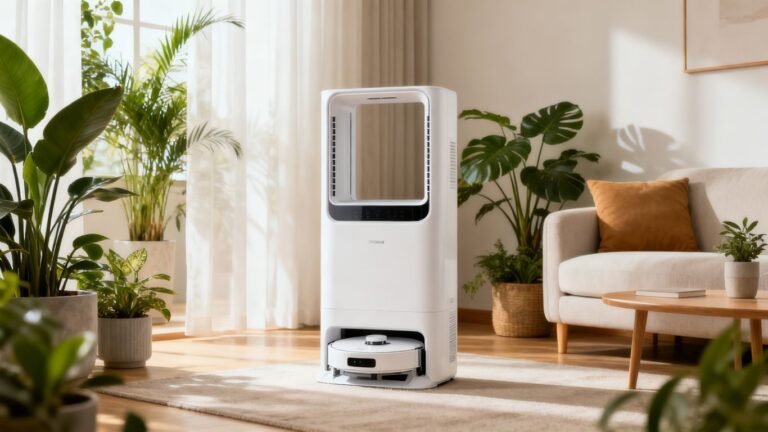
In many Southeast Asian homes, moisture and particulate pollutants form a combined menace 5d1e. Dust particles trapped in moisture require a two-stage approach to manage effectively. Using a 2-in-1 solution, such as those 3f85 purpose-built for Singapore’s environment, targets these conditions at their source while streamlining your utility management.
Strategic placement guidelines for dual devices
Placement is paramount for enabling proper air circulation and moisture extraction. Always install your appliances in central areas to prevent stagnant air zones, and avoid placing them against dense walls or behind bulky furniture. Proper spacing around your unit allows sensors to sample the air accurately and facilitates efficient intake/exhaust cycles.
Long-term budgeting for home climate appliances
Investing in air quality is a significant commitment that yields returns in long-term health. While independent units provide deep specialization, dual-function appliances reduce the capital expense of buying separate power supplies while saving floor space. When evaluating your home setup, consider 30b8 how these investments create a more comfortable rental or personal property value for wellness-conscious occupants.
Conclusion
Achieving the right balance for your home environment requires a consistent commitment to air quality through informed equipment choices. Whether you are addressing humidity issues, microscopic allergens, or both, the key lies in understanding how each appliance functions separately and how they work best together in a tropical climate. By prioritizing engineering effectiveness and maintaining your devices, you ensure a home that is consistently breathable, safe, and comfortable.
Frequently Asked Questions
Can I use a dehumidifier instead of an air purifier for allergies?
While a dehumidifier reduces dust mites and mold, which are major allergens, it does not remove fine particulates like smoke or pollen. It is excellent for moisture control but should not be considered a direct replacement for high-efficiency filtration.
How often should I empty the water tank on my dehumidifier?
Frequency depends on the local humidity levels and the capacity of the tank. In high-humidity tropical conditions, expect to check and empty the reservoir at least once every twenty-four hours to maintain consistent operation.
Do air purifiers consume a lot of electricity?
Most modern air purifiers are designed to be quite energy-efficient, often drawing less power than a standard lightbulb. Larger units with higher fan speeds will naturally consume more, but they are generally less power-intensive than refrigeration-based dehumidifiers.
Does an air purifier remove mold from walls?
No, an air purifier captures airborne spores but cannot remove existing mold growth from hard surfaces. You must manually clean existing mold and use a dehumidifier to prevent further spread by controlling the moisture in the room.
Are HEPA filters washable?
Generally, True HEPA filters are not washable and will lose their structural integrity if water is applied. Most filters need to be replaced according to the manufacturer’s suggested schedule to ensure optimal particle capture efficiency.
Where is the best place to put an air purifier?
Place your unit in a room where you spend most of your time, such as a bedroom or lounge. Ensure there is free space around the intake vents, and keep it away from direct sunlight or heavy traffic areas to maintain accurate airflow.
Can I run both appliances at the same time?
Yes, running both devices simultaneously is perfectly fine and often recommended for comprehensive air treatment. They perform separate functions, so using them together creates a more thorough improvement in both air purity and humidity levels.