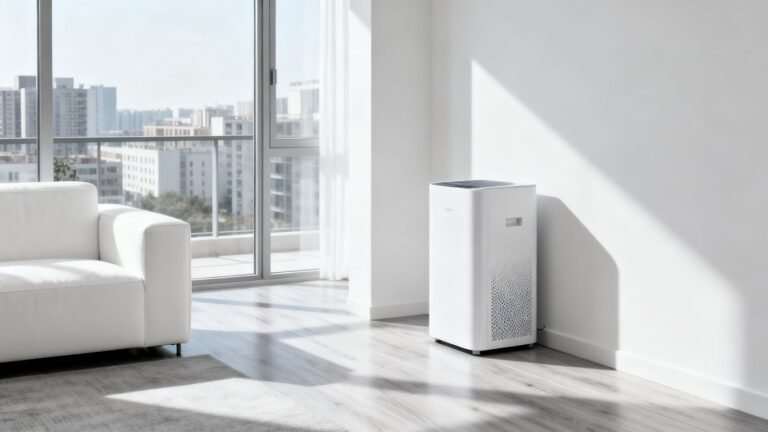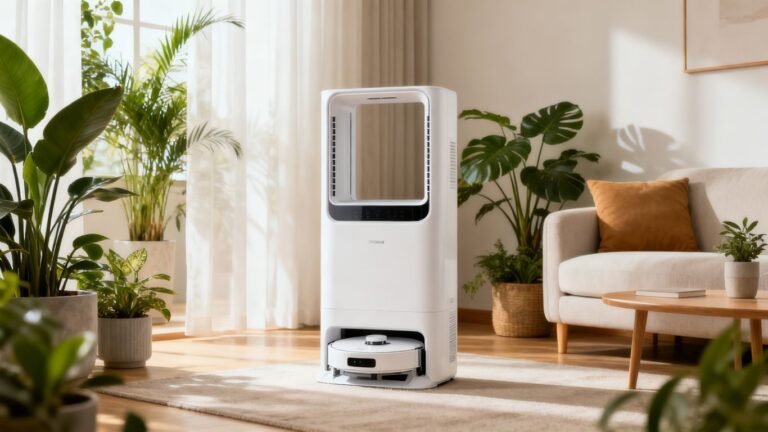
If you’re weighing up your options for tackling humidity and air quality in Singapore, here are some main points to remember.
Key Takeaways
- Dehumidifiers and air purifiers solve different problems: one removes moisture, the other filters air.
- Singapore’s high humidity can lead to mold, musty smells, and even damage to furniture and electronics.
- A 2-in-1 combo unit helps prevent mold and cuts down on allergens, making your home healthier.
- Look for features like HEPA filters, smart controls, and laundry modes to get the most out of your device.
- Combo units are space-saving and practical for Singapore homes, especially in smaller living areas.
Understanding Indoor Air Challenges in Singapore
Singapore’s tropical climate brings its own set of indoor air issues. High humidity is a constant battle, creating an environment where moisture thrives. This isn’t just about feeling sticky; it has real consequences for your home and health. The combination of heat and moisture makes Singapore a prime location for indoor air quality concerns.
Impact of High Humidity on Homes
High humidity levels, often hovering above 60 percent, are more than just uncomfortable. They create the perfect breeding ground for mold and mildew. You might notice this as musty smells, visible mold spots on walls or ceilings, or even peeling paint. This persistent dampness can also affect your belongings, from furniture to electronics, potentially shortening their lifespan. It’s a constant battle to keep things dry and fresh when the air itself is so saturated with moisture. This is where effective humidity control and air quality singapore becomes so important.
Sources of Indoor Air Pollutants
Beyond humidity, Singaporean homes face a variety of indoor air pollutants. Common culprits include dust, pollen, pet dander, and even microscopic particles like PM2.5 from outdoor pollution that finds its way inside. Cooking fumes, cleaning chemicals, and volatile organic compounds (VOCs) from furniture or building materials also contribute to poorer indoor air. For many, especially those with allergies or respiratory sensitivities, these pollutants can trigger symptoms and reduce overall comfort.
Why Traditional Solutions May Fall Short
While opening windows might seem like a natural solution, it often brings more humid air and outdoor pollutants inside, especially in Singapore. Relying solely on air conditioning can sometimes recirculate stale air and doesn’t address the underlying moisture problem. Separate dehumidifiers and air purifiers can work, but they take up space and require managing two devices. This is why many are looking for more integrated ways to solve humid and polluted air singapore.
The unique climate of Singapore means that indoor air quality is a persistent concern for many residents. Addressing both excess moisture and airborne contaminants is key to creating a healthier living space.
Dehumidifier vs Air Purifier Singapore: Core Differences
When you’re thinking about improving your home’s air quality in Singapore, it’s easy to get confused between a dehumidifier and an air purifier. They both tackle indoor air issues, but they do it in very different ways. Understanding these differences is key to choosing the right solution, or perhaps, the best of both worlds.
How Dehumidifiers Remove Moisture
A dehumidifier’s main job is to pull excess moisture out of the air. Think of it like a sponge for your home’s atmosphere. It works by drawing in humid air, cooling it down so the water vapor condenses into liquid, and then collecting that water in a tank. The drier air is then released back into the room. This process is really helpful for preventing that sticky, damp feeling that’s so common in Singapore’s climate. It’s a direct way to combat the effects of high humidity, like condensation on windows or that musty smell. For those struggling with dampness, a dehumidifier is a direct answer to moisture problems. HVAC systems contribute to humidity control, but dehumidifiers offer an extra layer of defense.
How Air Purifiers Filter Pollutants
An air purifier, on the other hand, focuses on cleaning the air itself. It uses various filters, most commonly HEPA (High-Efficiency Particulate Air) filters, to trap tiny particles floating around. These can include things like dust, pollen, pet dander, mold spores, and even some bacteria and viruses. Some purifiers also have activated carbon filters to get rid of odors and gases. The goal here is to make the air you breathe cleaner and healthier, which is especially important if you have allergies or respiratory issues. It’s all about removing the invisible stuff that can make you sneeze or feel unwell.
Distinct Benefits for Everyday Living
So, what does this mean for your daily life? A dehumidifier directly tackles the discomfort and potential damage caused by too much moisture. This means less worry about mold growth on walls or in closets, and your belongings like furniture and electronics are better protected from dampness. It can also make the air feel more comfortable, as drier air often feels cooler. An air purifier, however, focuses on the health aspect. It helps reduce allergy symptoms by removing triggers from the air and can contribute to a generally fresher-smelling home by getting rid of cooking smells or pet odors. Choosing between them often comes down to whether your primary concern is moisture or airborne particles. For many in Singapore, the question of choosing between dehumidifier and air purifier sg is a common one, as both issues are prevalent.
In Singapore’s climate, high humidity often goes hand-in-hand with indoor air pollution. This means that while a dehumidifier tackles moisture, it doesn’t clean the air of allergens, and an air purifier, while cleaning the air, doesn’t lower the humidity. This dual challenge makes a combined approach increasingly appealing for many households.
Here’s a quick look at what each device primarily addresses:
| Device | Primary Function | Key Benefits |
|---|---|---|
| Dehumidifier | Moisture Removal | Prevents mold, reduces dampness, protects items |
| Air Purifier | Pollutant Filtration | Reduces allergens, removes odors, improves air |
Ultimately, understanding these core differences helps clarify why a combined unit, like a best dehumidifier air purifier combo singapore, might be the most practical solution for many homes.
Common Problems Caused by Humidity and Pollutants
Living in a place like Singapore means dealing with more than just the heat. The constant high humidity, combined with indoor air pollutants, can really cause a number of issues around the house. It’s not just about feeling a bit sticky; these problems can actually affect your home’s structure and your health.
Mold and Mildew Growth Risks
High humidity creates the perfect breeding ground for mold and mildew. You might notice it first as a musty smell, especially in less ventilated areas like bathrooms, closets, or behind furniture. Over time, these fungi can spread, appearing as discolored patches on walls, ceilings, or even fabrics. This growth isn’t just unsightly; it can also damage surfaces and release spores into the air. These spores can then contribute to other health problems, making the issue more than just a cosmetic one.
Allergy and Asthma Concerns
Indoor air pollutants, from dust mites that thrive in damp conditions to microscopic particles from cooking or outdoor pollution that seeps in, can be a real problem for people with allergies or asthma. When these irritants are present, they can trigger symptoms like sneezing, coughing, itchy eyes, and difficulty breathing. For those with respiratory conditions, a consistently poor indoor air environment can lead to more frequent or severe flare-ups. Exposure to common indoor air pollutants like formaldehyde can negatively impact respiratory health.
Damage to Furniture and Personal Belongings
It’s not just your health that suffers. The excess moisture from high humidity can also take a toll on your belongings. Wooden furniture can warp or swell, books can develop mildew, and electronics might be more prone to corrosion. Even clothes stored in damp closets can start to smell musty or develop spots. Over time, this can lead to the premature wear and tear of items you’ve invested in, making it a costly problem in the long run.
The combination of damp air and airborne particles creates a challenging indoor environment that affects both the physical state of your home and the well-being of its occupants. Addressing these issues proactively is key to maintaining a comfortable and healthy living space.
Here are some common signs that indicate you might be facing these problems:
- Visible condensation on windows or mirrors, especially in the morning.
- A persistent musty or damp odor, even after airing out rooms.
- Peeling wallpaper or paint, particularly in corners or near the ceiling.
- Increased frequency of allergy or asthma symptoms when indoors.
- Dust that seems to settle very quickly after cleaning.
- Warping or swelling of wooden furniture or doors.
Dealing with these issues often requires a multi-pronged approach, and understanding their root causes is the first step toward finding effective solutions for your home.
How 2-in-1 Dehumidifier and Air Purifier Combos Work
Dual-Function Operation Explained
These combined units are designed to tackle two common indoor air issues at once: excess moisture and airborne pollutants. Think of them as having two jobs. First, the dehumidifier part draws in humid air from your room. It then cools this air, causing the moisture to condense into water, which is collected in a tank or drained away. The drier air is then released back into the room. This process is key to preventing that sticky, damp feeling and discouraging mold growth.
Simultaneously, the air purifier component gets to work. As air passes through the unit, it’s directed through a series of filters. These filters are built to trap tiny particles floating around. We’re talking about things like dust, pollen, pet dander, and even some bacteria and mold spores. The result is air that’s both drier and cleaner. For a place like Singapore, where humidity is a constant, having this dual action in one appliance can really simplify managing your indoor environment. It’s a smart way to address multiple air quality concerns without needing two separate machines, which is a big plus for smaller homes. You can find more information on how these devices work on the Aerofy website.
Technology behind HEPA and Moisture Control
At the heart of these combo units are two main technologies working in tandem. For moisture control, most rely on a refrigeration cycle, similar to a small air conditioner. Humid air is pulled over cold coils, causing water vapor to condense. This collected water is then stored in a reservoir that needs regular emptying, or some models offer continuous drainage options. The effectiveness here is often measured by how many pints of water it can remove per day.
On the purification side, the star player is often a HEPA filter. HEPA stands for High-Efficiency Particulate Air, and these filters are designed to capture at least 99.97% of airborne particles that are 0.3 microns in size. This includes common allergens and irritants. Some units also incorporate activated carbon filters, which are excellent at absorbing odors and volatile organic compounds (VOCs) from sources like cooking or cleaning products. The combination of effective moisture removal and robust particle filtration means these devices are actively working to create a healthier living space. For example, the Aerofy Lite is one such device aiming to provide this dual benefit.
Advantages for Compact Singapore Homes
Living in Singapore often means dealing with limited space. This is where 2-in-1 dehumidifier and air purifier combos really shine. Instead of dedicating floor space to two separate appliances, you get the benefits of both in a single, often more compact, unit. This frees up valuable room in apartments or smaller houses. Furthermore, managing one device is generally simpler than maintaining two. You’ll have one power cord, one set of controls, and typically one place to check for maintenance needs (like emptying a water tank or changing filters).
The dual-functionality means you’re not just improving air comfort; you’re actively protecting your home’s structure and your belongings from moisture damage, while also breathing cleaner air. This is particularly beneficial in tropical climates where dampness can quickly lead to issues like peeling paint or warped furniture.
These units are designed to be energy-efficient, often consuming less power than running two separate devices. This can lead to savings on your utility bills over time. They offer a practical solution for maintaining a comfortable and healthy indoor environment without cluttering your living space. The convenience factor is undeniable, making them a popular choice for many households looking to simplify their air quality management.
Health and Comfort Benefits of a Combo Device
Living in Singapore means dealing with a lot of moisture and, let’s be honest, sometimes questionable air quality. That’s where a 2-in-1 dehumidifier and air purifier combo really shines. It tackles two big problems at once, making your home a much more pleasant place to be.
Reducing Allergy and Respiratory Triggers
High humidity is a breeding ground for things like mold, mildew, and dust mites. These are major triggers for allergies and asthma. A dehumidifier part of the combo actively removes the excess moisture that allows these irritants to thrive. At the same time, the air purifier function filters out airborne particles like pollen, pet dander, and even those pesky mold spores that have become airborne. By reducing both the sources of allergens and the allergens themselves, these devices can significantly ease symptoms for allergy and asthma sufferers. It’s about creating an environment where you can breathe easier, day in and day out. This dual action is particularly helpful for managing respiratory issues in a tropical climate. You can find more information on how air purifiers work to improve air freshness here.
Prevention of Mold and Structural Deterioration
That damp, musty smell in your home? It’s often a sign of mold or mildew starting to take hold. This isn’t just unpleasant; it can actually damage your home over time, affecting walls, furniture, and even the structural integrity of your house. The dehumidifier function is your first line of defense. By keeping humidity levels in check, typically below 50%, it makes it much harder for mold and mildew to grow. This proactive approach helps protect your belongings and your home’s value. A dehumidifier is key to preventing these issues in a humid climate like Singapore’s [1c0b].
Enhancing Everyday Comfort in Humid Climates
Beyond health benefits, these combo units just make your home feel better. When the air is less humid, it feels cooler and less sticky. You know that heavy, clammy feeling you get sometimes? A dehumidifier combats that directly. Combined with purified air, free from odors and irritants, your living space becomes a more comfortable sanctuary. Imagine coming home after a hot day to air that feels crisp and clean, not heavy and damp. It makes a real difference in your daily comfort and overall well-being. It’s about transforming your home into a more restful and enjoyable environment, especially during those long, humid afternoons.
Key Features to Look for in a Dehumidifier with Air Purifier
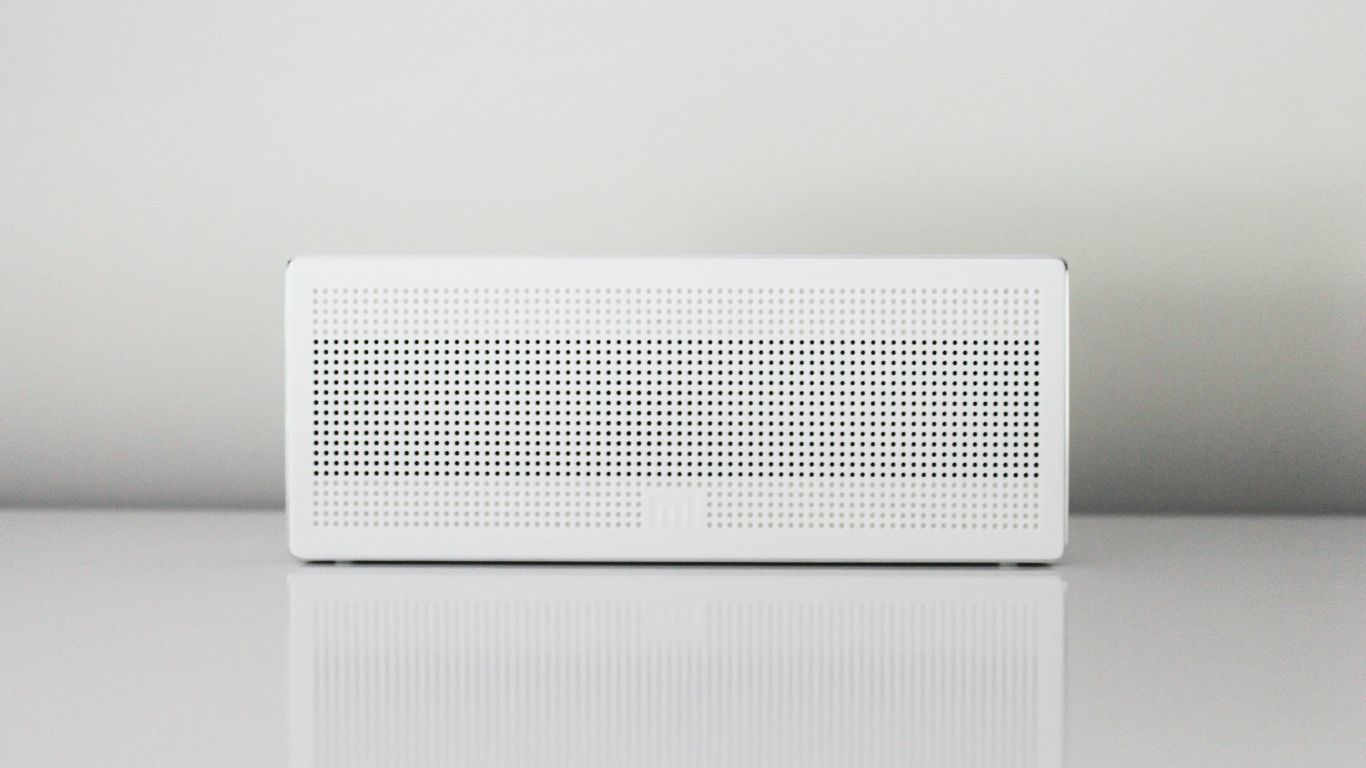
When you’re looking to get a device that handles both moisture and air quality, there are a few things to keep in mind. It’s not just about getting a 2-in-1 unit; it’s about getting one that actually works well for your home. Think about what’s most important for you. Is it getting rid of that damp smell, or are allergies the bigger concern?
The best combo units will effectively tackle both humidity and air pollutants without a significant drop in performance for either task.
Here are some features that really make a difference:
- Filtration Technology: This is where the air purification happens. Look for units with a True HEPA filter. These are designed to capture at least 99.97% of airborne particles down to 0.3 microns. That includes things like dust, pollen, pet dander, and even some bacteria. Some units also include an activated carbon filter, which is great for grabbing odors from cooking, pets, or general mustiness. It’s a good idea to check out models like the Aerofy DualCore 20 if you’re curious about specific filtration capabilities.
- Moisture Removal Capacity: Dehumidifiers are rated by how much water they can pull from the air per day. For Singapore’s climate, you’ll want a unit that can handle a good amount, especially if you live in a smaller apartment where humidity can build up quickly. Check the pint-per-day rating and make sure it’s suitable for your room size.
- Smart Controls and Energy Efficiency: Modern units often come with smart features. This can mean Wi-Fi connectivity so you can control the device from your phone, or auto modes that adjust based on the room’s conditions. Energy efficiency is also a big plus. Look for Energy Star ratings or specific power consumption figures to keep your electricity bill from climbing too high.
- Quiet Operation: If you plan to use the device in a bedroom or a home office, noise level is a big deal. Many units will list their decibel (dB) rating. Anything below 50 dB is generally considered quiet enough for most living spaces, but quieter is always better if you’re sensitive to noise.
- Laundry Mode: Some dehumidifiers have a specific ‘laundry mode’ that boosts dehumidification power. This is super handy for drying clothes indoors, which is common in humid climates and can really help reduce dampness and odors.
When choosing a 2-in-1 device, it’s important to balance the capabilities of both the dehumidifier and the air purifier. Don’t let one function overshadow the other; ensure both aspects meet your household’s needs for a comfortable and healthy indoor environment.
Consider how much space you have, too. A compact design can make a big difference in fitting the unit where you need it without it being an eyesore. Ultimately, the goal is to find a machine that fits your lifestyle and effectively addresses the specific air quality and humidity issues in your Singapore home. For a good overview of what’s available, you might want to look at top recommendations for air purifier and humidifier combos.
User Experiences with 2-in-1 Units in Singapore
Transforming Daily Home Comfort
For many living in Singapore, a 2-in-1 dehumidifier and air purifier is more than a gadget—it’s part of everyday life. The difference becomes obvious in small details. People talk about how these combos help keep their homes free from that musty smell that seems to pop up after a few days of rain. The same unit cuts down on mold and dust, thanks to features like HEPA filtration, which captures common allergens floating in the air. It’s not unusual to hear from users who used to struggle with morning stuffiness or allergy flare-ups, only to find things get much better after using a device like the Novita ND26+ dehumidifier in auto mode.
- Less mold on bathroom ceilings and wardrobes
- Rooms feel fresher without keeping windows constantly open
- Visible reduction in dust on furniture and electronics
Ease of Use and Portability Insights
Most people in apartments value how simple these devices are to use and move. Many popular models come with wheels, making it easy to push them from a bedroom to a damp kitchen or a wardrobe prone to mildew. Controls tend to be straightforward—press a button for laundry drying mode, or just set your target for humidity and let the unit do the work. People like not having to empty buckets or change filters constantly; filter notifications and auto shutoff have made everyday use hassle-free for most folks.
- Wheels for effortless moving between rooms
- Quick setup, usually plug-and-play
- Color-coded lights showing current air quality
For anyone tired of waking up with congestion or sniffles, adding a 2-in-1 air purifier and dehumidifier has made a noticeable difference without a steep learning curve. Convenience really matters when you’re short on time—or patience.
Real-World Applications for Various Rooms
Singaporeans get creative with placement. Some put their units in the bathroom after showers or just outside to catch excess steam. Others find the laundry dry mode a real lifesaver on rainy days. With Singapore’s climate, you don’t always have space for multiple bulky appliances—so doubling up saves money and room. These combos get used in:
- Bedside for all-night purification and noise-free operation
- Closets and wardrobes, cutting down moisture that can ruin clothes
- Living rooms, where kids and elders spend time and need cleaner air
A growing number of users mention how combining moisture control and air purification brings peace of mind, especially for families dealing with allergies or constantly battling dampness. For more details on how HEPA filtering and dehumidifying work hand-in-hand, see how dehumidifiers with a HEPA filter help with allergies.
Limitations and Considerations for Combo Appliances
While the idea of a single device handling both dehumidification and air purification sounds incredibly convenient, especially for Singapore’s climate, it’s important to go into it with realistic expectations. Combo units, by their nature, often involve compromises.
Performance in Larger Spaces
One of the biggest limitations of 2-in-1 units is their effectiveness in larger rooms. Most combo appliances are designed with smaller spaces in mind, typically under 200 square feet. If you have an open-plan living area or a larger bedroom, a combo unit might struggle to adequately reduce humidity levels or purify the air across the entire space. In these situations, a dedicated, properly sized unit for each function will likely yield better results. For instance, a standalone dehumidifier might have a higher moisture removal capacity (measured in pints per day) than what a combo unit can offer, and a separate air purifier might boast a higher Clean Air Delivery Rate (CADR) for faster pollutant removal.
Maintenance Needs and Filter Management
Owning a combo appliance means you’re essentially managing two systems in one. This translates to more frequent maintenance. You’ll need to keep an eye on both the water tank for the dehumidifier function and the air filters for the purifier. Filters, especially HEPA filters, need regular cleaning or replacement to maintain optimal performance. Forgetting to maintain either function can lead to reduced efficiency or even potential issues. It’s a bit like having two pets instead of one – double the care, but hopefully, double the reward.
When to Choose Separate Devices
If your home has significant humidity problems, perhaps due to persistent leaks or very poor ventilation, a standalone dehumidifier with a higher capacity might be necessary. Similarly, if you or family members suffer from severe allergies or respiratory conditions, a high-performance air purifier specifically designed for allergen removal could be a better investment.
- Severe Humidity: Look for standalone dehumidifiers with higher pint capacities.
- Serious Allergies: Consider dedicated air purifiers with advanced filtration and higher CADR ratings.
- Large Areas: Separate, room-sized units often perform better than a single combo appliance.
While combo units offer convenience, they might not be the best fit for every household’s specific needs. It’s worth weighing the trade-offs in performance and maintenance against the space-saving benefits before making a purchase. For critical health concerns or significant environmental challenges, separate devices might offer a more robust solution.
Comparing Popular Brands and Models Available in Singapore
Finding a good dehumidifier and air purifier combo for your Singapore home involves sifting through a growing range of 2-in-1 devices. The Singapore market features both global brands and models designed specifically for our humid climate. It’s not as straightforward as picking whatever’s on sale—the right features, user satisfaction, and value for money matter just as much as a recognizable name.
Notable Models and Their Unique Features
There are a few stand-outs when it comes to 2-in-1 dehumidifier and air purifier units in Singapore. Here’s a short table comparing several important aspects:
| Model / Brand | Combo Price (SGD) | Dehumidifying Capacity | Filtration | Customer Rating |
|---|---|---|---|---|
| FocusWater 2-in-1 | 349 | 12-15L/day | HEPA, Carbon | 4.0/5 |
| Xiaomi Smart Combo | 399-450 | 10-12L/day | HEPA, Ionizer | 4.2/5 |
| Philips Series 2-in-1 | 450-520 | 15-20L/day | HEPA, Carbon | 4.4/5 |
Prices and features vary, so check recent user reviews and tech specs before buying.
Highlights to Note:
- HEPA and activated carbon filters are now common in newer models, which is handy for allergy sufferers.
- Some models have smart controls and app integration, making it easier to manage air quality even when you’re away from home.
- Units with laundry-drying modes can come in useful, especially during the wet season.
For a closer look at a reliable mid-range option, you can check out details on the 2-in-1 air dehumidifier and air purifier from FocusWater, a well-reviewed choice in Singapore households.
Market Trends in Combo Air Solutions
Combo devices are gaining ground over single-function gadgets in Singapore. People are really prioritizing tight spaces and less clutter at home, so these devices are starting to phase out the need for separate machines. Over the past two years:
- Demand for all-in-one devices has increased noticeably, especially in new apartments.
- Smart features like auto mode and sensor-based controls are now considered basic needs by younger buyers.
- User ratings suggest filter lifespan and easy maintenance are top priorities.
Space efficiency is a key reason many in Singapore switch to 2-in-1 devices—why use two outlets when you only need one?
Considerations for Different Home Sizes
When choosing a combo unit, size absolutely matters. Here are a few guidelines:
- For small flats and bedrooms (up to 25 sqm), compact devices with a lower dehumidifying rate work well.
- Larger living areas (25-50 sqm) may need units with higher capacity and multiple fan speeds to keep up.
- Open-plan homes or those with high moisture problems benefit from premium models with max output.
Take a moment to check for deals, like current sales on the 2-in-1 home combo device, and consider your household’s real needs—capacity, noise level, and maintenance can make or break the deal in everyday use.
Optimal Placement and Usage Strategies for Best Results
Getting the most out of your 2-in-1 dehumidifier and air purifier combo means thinking about where you put it and how you run it. It’s not just a matter of plugging it in and forgetting about it. A little bit of thought can make a big difference in how well it works for your home.
Where to Position Your Device
For peak performance, the placement of your combo unit is key. Think about airflow and the specific room’s needs. In general, you want to place the unit in an open area, away from obstructions like furniture or curtains that could block the intake or output vents. This allows the air to circulate freely, letting the device do its job efficiently. For instance, placing it in the center of a room or along a wall with clear space around it is usually better than tucking it away in a corner. If you’re using it in a bedroom, consider placing it on a nightstand or a small table to elevate it slightly, which can further improve air circulation, much like you would with a standalone air purifier.
Tips for Maximizing Air and Moisture Control
To really get the best results, consider these usage tips:
- Run it consistently: For continuous air quality improvement and humidity management, it’s best to run the unit regularly, especially in rooms where you spend a lot of time. Many units have auto modes that adjust based on sensor readings, which is convenient.
- Close doors and windows: When the air purifier function is active, keeping doors and windows shut helps the device concentrate on cleaning the air within the room, rather than constantly trying to filter outside pollutants.
- Monitor humidity levels: While the dehumidifier has its own settings, using a separate hygrometer can give you a clearer picture of the actual humidity in your home. This helps you fine-tune the dehumidifier’s settings for optimal comfort.
- Empty the water tank regularly: If your unit has a removable tank, make sure to empty it promptly when it’s full. Some units have continuous drainage options, which can be very useful.
Combining with Other Home Appliances
Think about how your combo unit interacts with other appliances. For example, if you have a clothes dryer, running the dehumidifier function in a laundry area might be beneficial, though it’s often more effective to use a dedicated dehumidifier for larger moisture loads. In a bedroom, running the combo unit alongside your air conditioning can help maintain a more comfortable temperature and humidity balance. It’s about creating a holistic approach to your home’s climate control. For example, if you’re looking at a unit like the Aerofy Pro, understanding its capacity relative to your room size is important.
The effectiveness of a 2-in-1 unit is often dependent on the specific environmental conditions of your home. While they offer convenience, understanding their limitations and optimizing their use through strategic placement and consistent operation is key to achieving the desired air quality and humidity levels. For more challenging conditions, separate, dedicated appliances might still be the superior choice.
Remember, the goal is to create a healthier and more comfortable living space. By paying attention to placement and usage, your 2-in-1 device can be a powerful ally in managing Singapore’s unique climate.
Environmental and Energy Impacts in Singapore Context
When you’re thinking about bringing a new appliance into your home, especially in a place like Singapore where the climate is pretty unique, it’s smart to consider how it’s going to affect your electricity bill and the environment. A 2-in-1 dehumidifier and air purifier combo is no different. These units work hard, so understanding their energy footprint is key.
Assessing Power Consumption and Utility Costs
These combo units do two jobs at once, so they naturally use more power than a single-function device. The exact amount depends on the model, its size, and how often you run it. For instance, a dehumidifier might use around 500W, and if it’s running for 8 hours a day, that adds up. The good news is that many newer models are designed with energy efficiency in mind. Look for Energy Star ratings or similar certifications. You can also manage costs by using the unit only when needed, perhaps during the most humid parts of the day or night, or when drying laundry indoors. It’s a trade-off between comfort and cost, but with smart usage, it doesn’t have to break the bank.
Eco-Friendly Operation and Long-Term Savings
While these devices consume electricity, they can also contribute to long-term savings and a more sustainable home. By effectively controlling humidity, they help prevent costly damage to your home from mold and mildew, saving you repair bills down the line. Preventing mold also means you’re not relying on chemical sprays to combat it. Furthermore, by improving indoor air quality, you might find yourself needing fewer allergy medications or doctor visits. Some units also have features like timers and auto-shutoff, which help reduce unnecessary energy use. Choosing a durable, well-made unit also means it will last longer, reducing the need for frequent replacements and the waste that comes with it. It’s about finding that balance between immediate comfort and sustainable living.
Government and Industry Guidelines
Singapore, like many countries, has guidelines and standards for energy efficiency in appliances. You’ll often see labels on products indicating their energy consumption. The National Environment Agency (NEA) promotes good indoor air quality, and while they don’t specifically regulate dehumidifiers and purifiers, their focus on public health aligns with the benefits these devices offer. Always check for local certifications and energy labels when purchasing. Some manufacturers also participate in voluntary programs aimed at reducing the environmental impact of their products. Staying informed about these standards can help you make a more responsible choice, both for your home and for the wider environment. It’s worth looking into local energy efficiency standards to see what’s recommended for appliances in Singapore.
Singapore’s environment and energy use are important topics. We need to think about how our actions affect the planet and how we use energy. Understanding these impacts helps us make better choices for a healthier future. Want to learn more about how you can help? Visit our website for tips and solutions!
Conclusion
When it comes to keeping your home comfortable in Singapore’s humid weather, a 2-in-1 dehumidifier and air purifier is a practical choice. It tackles both moisture and air quality problems in one compact device. These combos are especially handy for small spaces, making them a smart fit for HDB flats, condos, and even landed homes. With features like HEPA filtration, smart controls, and laundry modes, they’re designed for the real challenges Singaporeans face every day. While separate devices might work better for very large rooms or special needs, most households will find that a well-designed combo, like those built for tropical climates, gets the job done—and saves space too.
Frequently Asked Questions
What’s the main difference between a dehumidifier and an air purifier?
A dehumidifier takes moisture out of the air, while an air purifier removes dust, pollen, and other particles. They fix different problems.
Can a combo unit really do both jobs well?
Yes, many 2-in-1 units are designed to handle both. They use separate systems inside to control humidity and filter the air at the same time.
Will a dehumidifier help with mold?
Yes, by lowering humidity, a dehumidifier makes it harder for mold to grow. Air purifiers can also trap mold spores floating in the air.
Is it better to buy two separate devices?
If you have a large space or special needs, separate devices might work better. But for most Singapore homes, a combo unit is enough.
Does an air purifier lower humidity?
No, an air purifier only cleans the air. It won’t make the room less humid. You’ll need a dehumidifier for that.
Are 2-in-1 units noisy?
Most modern models are pretty quiet, especially in sleep or night mode. Always check the noise level before buying.
What features should I look for in a combo unit?
HEPA filters, smart controls, energy-saving modes, laundry drying options, and quiet operation are all good to have.
Will using a combo unit increase my electricity bill a lot?
Most units are made to be energy efficient. You might notice a small increase, but it’s usually not much—especially compared to running two separate devices.