Key Takeaways
- Dual-function appliances save significant floor space compared to operating two separate devices.
- True HEPA filters in hybrid units capture fine particulates while dehumidifiers manage humidity levels.
- Correct room coverage and pint capacity are the primary metrics for ensuring effective moisture removal.
- Regular maintenance of drainage and filtration systems extends the lifespan of sensitive electronic components.
- Placement away from obstructions allows for consistent airflow and accurate ambient humidity sensing.
Understanding the combo technology
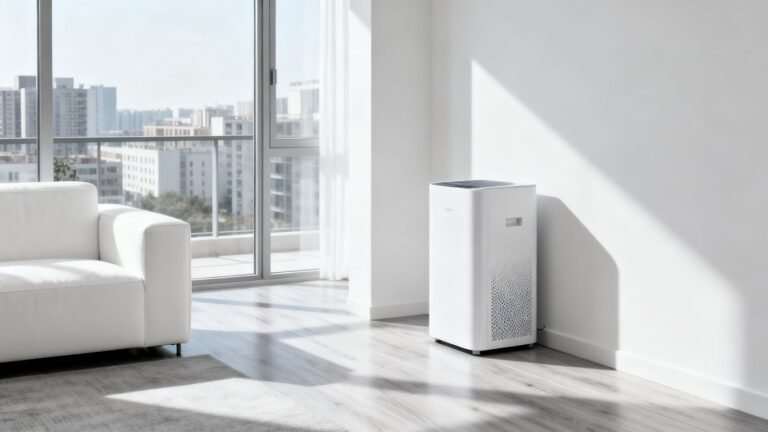
Integrating moisture management with air sanitization creates a streamlined approach to indoor comfort. These units work by cycling air through a cooling coil for condensation, followed by a multi-stage filtration process to strip out airborne pollutants. By combining these, you can manage the specific environmental challenges often found in humid, tropical climates without crowding your living space. The DualCore 20 from Aerofy serves as a prime example of such an appliance, engineered specifically to handle both air humidity and particulate levels efficiently.
How dual-function filtration works
Dual-function filtration relies on a specific sequence to protect your health and the durability of the internal hardware. Typically, air is pulled inward and passed through the HEPA filter to remove dust, mold spores, and dander before it enters the dehumidification chamber. This ensures that the moisture-collecting coils remain clean and free of biofilm growth that often plagues high-humidity rooms. Many modern home solutions follow this intake path to ensure that the air being cooled is already pre-filtered for comfort.
Moisture removal mechanics vs air purification
While they often share the same casing, the guts of a dehumidifier and an air purifier perform fundamentally different tasks. A dehumidifier uses refrigeration cycles, often involving high-performance cooling systems similar to those in an air conditioner, to pull water vapor out of the air. Conversely, an air purifier relies on mechanical pressure from a fan to force air through dense fiber media. When you understand the difference between dehumidifiers and air purifiers, it becomes easier to see why some units might excel at one function but struggle with another, especially when it comes to power usage.
Benefits of integrated units in small spaces
In tighter residential footprints, managing multiple power cables and bulky enclosures is a logistical nightmare. Choosing a single, purpose-built device means you only occupy one outlet while addressing two distinct air quality issues simultaneously. For property owners working with Home Team Luxury Rentals to maximize their square footage, these hybrid units offer an unobtrusive way to keep vacation units fresh without cluttering hallways or closets.
Key features to evaluate before buying
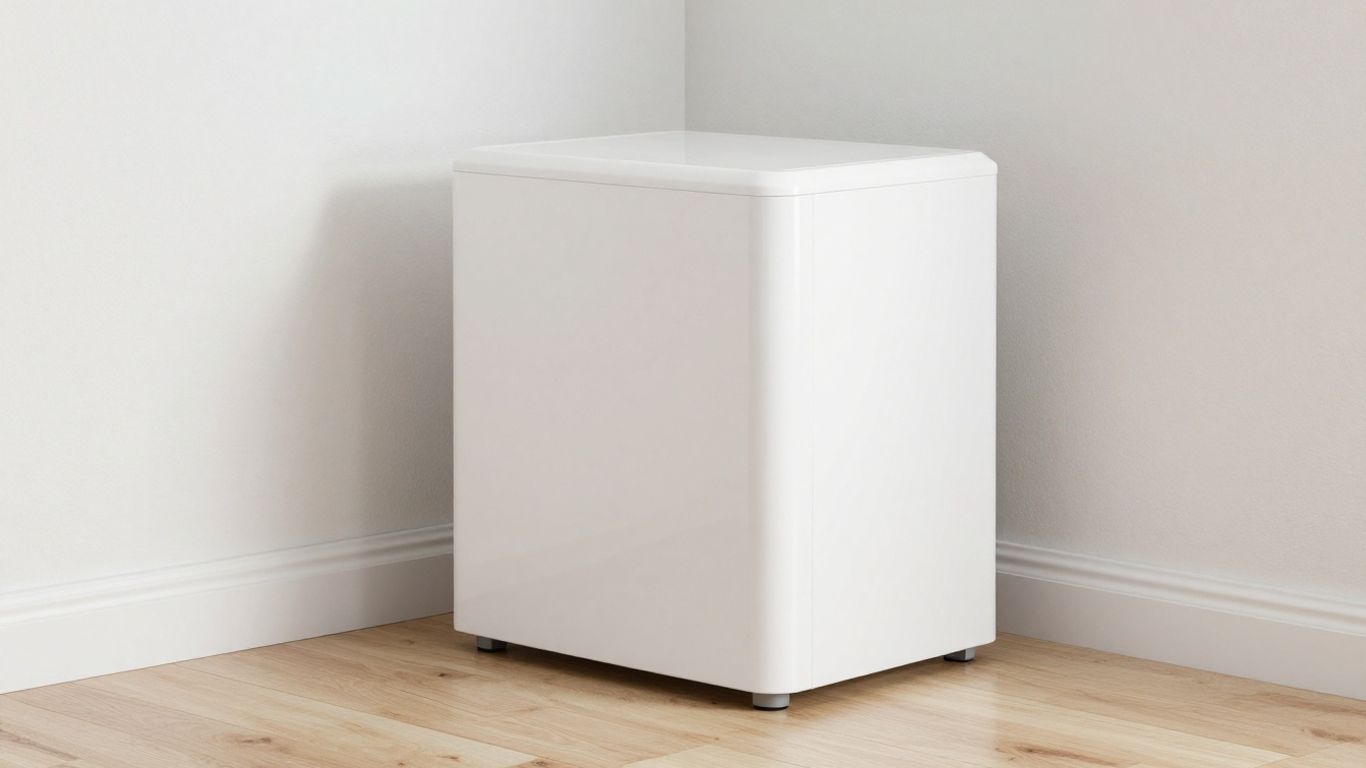
Selecting the right air purifier with dehumidifier requires looking closely at technical specs that define its operational efficiency. You should prioritize models that explicitly detail their air exchange rates and water extraction capacity to match your specific square footage. Since these units are often built for humid environments, checking the quality of the seals and the accessibility of internal components can save you significant time during routine checkups. Aerofy remains a leader here, as they are built for the tropics with robust materials that stand up to constant moisture exposure.
HEPA filtration standards for allergens
True HEPA standards must be rigorously applied to your choice if you are seeking genuine allergy relief. Many cheaper devices claim to have filtration systems, but they often lack the density capture rates required to remove fine pollutants effectively. Look for certifications that guarantee the removal of 99.97% of particles, as this creates a cleaner, more breathable environment. This level of filtration is essential for managing household air quality effectively.
Capacity and coverage area requirements
Capacity is usually measured in pints per day, which determines how much water the unit can extract from the air within a twenty-four-hour period. If your unit is undersized for your climate, it will run constantly without ever reaching your target humidity levels. Before purchasing, verify that the coverage area matches the dimensions of your room, and be wary of products that inflate their capability beyond their physical compressor limits.
Energy efficiency ratings and power usage
Energy utilization is a critical concern as these machines often run for extended periods during rainy seasons or peak heat. Look for units that utilize advanced motor control to avoid unnecessary power spikes. Using a high-quality unit helps improve your home’s air while keeping your electricity costs predictable and manageable over the long term.
Noise levels for bedroom vs living area use
Noise levels fluctuate significantly based on the fan speed and the type of compressor inside the unit. A noisy dehumidifier can be disruptive in a sleeping area, so look for quiet modes that prioritize lower decibels at night while maintaining minimal air exchange. Proper sound dampening is one of the secondary factors that distinguishes an engineer-focused design from a baseline model.
Comparing hybrid units to standalone appliances

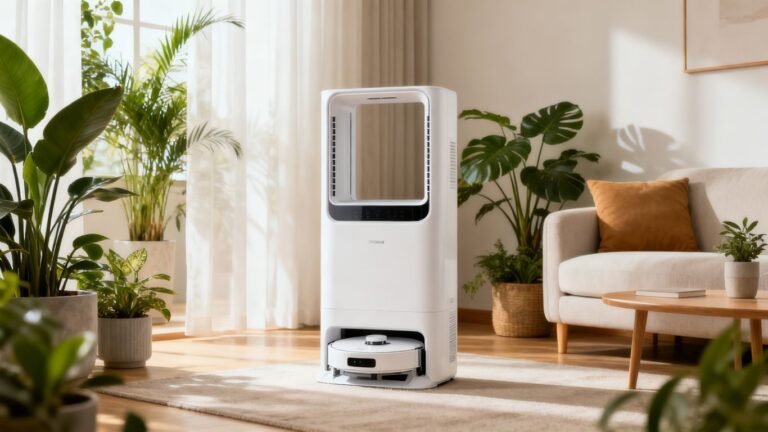
Deciding between a hybrid unit and standalone equipment often comes down to balancing raw performance against spatial requirements. While separate machines offer highly specialized power, they rarely handle the dual issues of moisture and particulates as gracefully in a small footprint. For many homeowners, the convenience of a single setup justifies the slightly lower peak performance compared to massive, warehouse-style dehumidifiers.
Space saving advantages
Most modern residential layouts do not easily accommodate a bulky air purifier sitting next to a massive dehumidifier. By merging these systems, you effectively halve your equipment footprint without sacrificing the core functionality necessary for modern air quality control. This is particularly advantageous for residents in high-density urban areas.
Maintenance and filter replacement schedules
Maintenance intervals for a combination unit effectively double in frequency because you are servicing two distinct systems at once. You must watch the drain bucket to prevent overflow while keeping an eye on the filter light to ensure particles aren’t clogging the air stream. Most owners find that a consistent schedule is the only way to avoid the musty odors that occur when internal humidity buildup is ignored.
Performance trade-offs in multi-functional devices
There is always a theoretical trade-off when forcing two distinct mechanical processes into a singular package. An effective unit requires a design that prevents air from bypassing the filter during the dehumidification cycle. When you choose a well-engineered combo unit, you are balancing airflow throughput with the cooling surface area required to pull moisture from the environment effectively.
Cost analysis: one unit vs two separate systems
| Feature | Hybrid Unit | Separate Systems |
|---|---|---|
| Floor Footprint | Low | High |
| Energy Outlets | Single | Double |
| Setup Complexity | Minimal | High |
| Combined Utility | High | Moderate |
Comparing the cost involves more than just the sticker price of the hardware. While single hybrid units are often pricier upfront than the cheapest standalone versions, they save consistently on replacement filters and long-term energy maintenance for two separate motors. An integrated unit provides a reliable path to suppressing mold and mites for the average household.
Best placement strategies for optimal performance
Once you have your unit, its location dictates its ultimate efficiency in your home. The sensors that read ambient humidity are sensitive to localized pockets of airflow and can provide inaccurate data if the unit is tucked too far into a corner. Proper placement ensures that the machine measures the room’s total air rather than just the environment near the appliance.
Positioning for maximum humidity control
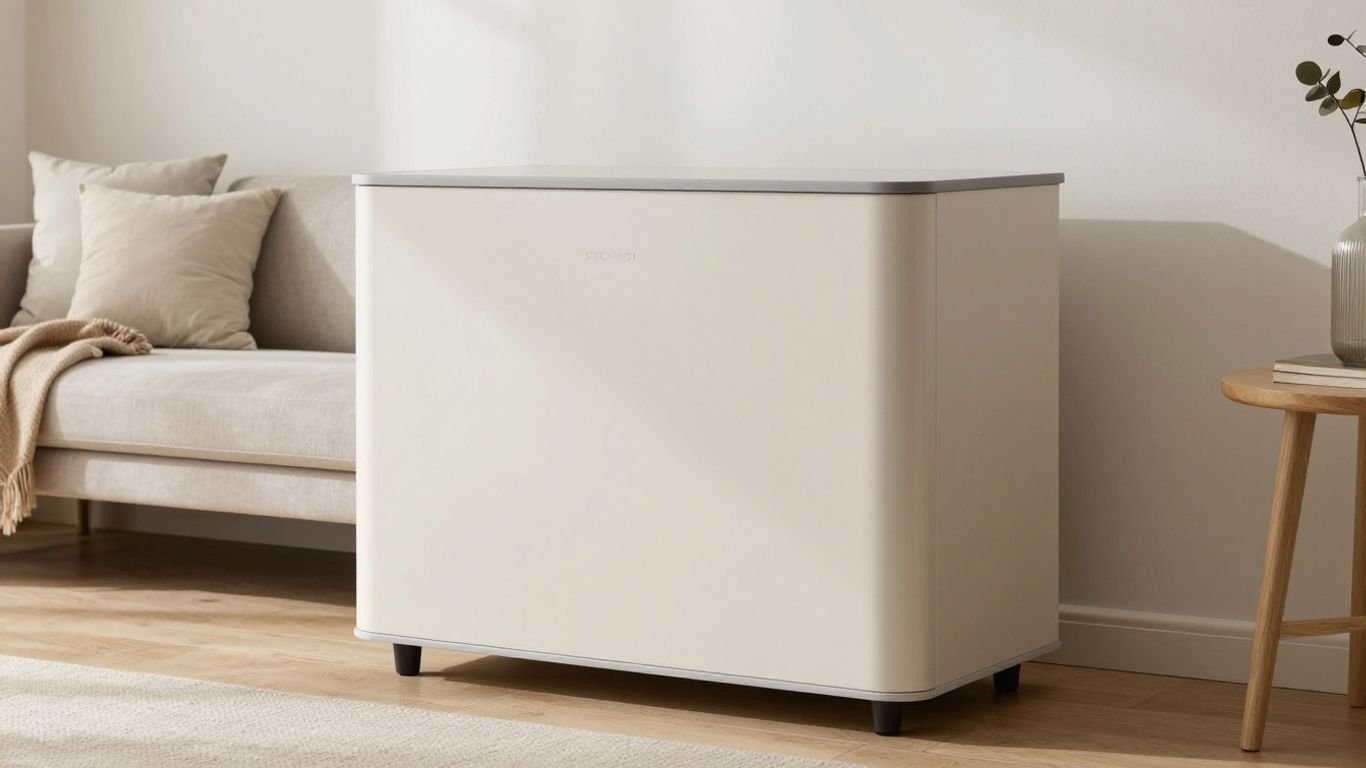
Humidity is uniform throughout a space, but airflow patterns are not. To get the best results, place your unit in a central location, ideally near the source of the dampness, but clear of any furniture that might block the exhaust. Aerofy units often use a rotary compressor design that necessitates sturdy ground placement for optimal balance and sound dampening.
Airflow considerations for effective purification
Effective purification requires the unit to cycle the entire room’s volume of air multiple times an hour. Avoid setting up in narrow hallways where the intake can easily be choked off by dust buildup from passing foot traffic. For optimal results, keep it in an open area where the air can circulate freely around the filter intake.
Managing distance from walls and furniture
Leave at least twelve inches of clearance between the back of the unit and any wall. This prevents the exhaust from recirculating its own air, which can cause the compressor to overheat. If you find your unit running hot, try moving it further away from soft surfaces like curtains or upholstered chairs that can inadvertently dampen the internal airflow.
Scenario Time: Imagine you walk into your living room on a particularly muggy Tuesday evening. You notice a slight heaviness in the air and a faint scent indicating moisture buildup. If the machine is pressed tightly against a bookshelf, its internal sensors will only read the air trapped in that dead space, causing it to cycle on and off improperly rather than drying the room effectively. By pulling it out into the center of the air flow, the unit stabilizes the climate quickly.
Long-term maintenance and unit longevity
Consistency in your upkeep routine determines whether your appliance lasts two years or ten. The moisture extracted from the air often carries minerals that can calcify inside the drainage line, leading to restricted internal flow if you don’t keep the reservoir clean. Always follow the manufacturer’s documentation for internal part safety to maintain the integrity of your specific model.
Cleaning internal drainage systems
Most units feature a drainage bucket that requires a weekly wash with mild soap to prevent buildup. If your unit supports a continuous drain hose, inspect the connection point frequently for any signs of mold or mineral deposits that might impede flow. Maintaining a clean path is essential to keep the system running efficiently without relying on R290 refrigerant to work harder than necessary.
Managing filter replacement cycles
Filter life is rarely as long as the packaging suggests in humid climates because airborne moisture often binds to dust, increasing the load on the media. Check your replacement schedule against the local air quality index if you live near major construction or busy roads. Replacing filters as soon as you notice a performance drop prevents strain on the main fan motor.
Troubleshooting common hybrid device issues
- If the unit does not start, check the power cord seal to ensure no moisture is affecting the electrical connection.
- In case of water leakage, inspect the hose connection to the drain tank for cracks or improper seating.
- Should the unit seem noisy, verify that the base is level and free of any vibrations caused by uneven flooring.
- If the filter reminder does not reset, consult the user manual to perform a manual override on the electronic interface.
Regular observation allows you to catch these little quirks before they turn into mechanical failures.
Conclusion
Investing in a quality air purifier with dehumidifier serves as a smart, space-efficient solution for anyone looking to master their indoor climate. By balancing proper placement with consistent maintenance routines, you can ensure that your equipment remains an effective tool for keeping your home environment stable, fresh, and clear of common respiratory triggers throughout the year.
Frequently Asked Questions
How often should I clean the filter inside my hybrid unit?
Filters in combination units should typically be checked or cleaned every month, with a full replacement every three to six months depending on your local air quality and humidity levels.
Can a dehumidifier be left running during the night?
Yes, most modern units are designed for continuous use, but you should ensure the model features an automatic shut-off function to stop once the target humidity is reached or the reservoir is full.
Will this device significantly increase my electric bill?
While they do consume power, their impact depends heavily on your desired humidity level and fan intensity, though most ENERGY STAR certified models are built to operate with reasonable efficiency.
How do I know if my unit is removing enough moisture?
Listen for the compressor cycle and monitor the collection bucket; if the unit is sized correctly for your space, you should see noticeable water collection within the first twenty-four hours.
Is it normal to smell a musty odor near the unit?
Usually, no; if you detect an odor, it is likely time to clean the internal drainage reservoir or replace the HEPA filter to remove trapped organic matter.
Should I close the doors and windows while this is running?
Yes, closing windows and doors allows the unit to process the air within your room effectively without trying to manage the humidity of the entire outdoors.
What is the ideal humidity range for a comfortable home?
For most homes, keeping internal humidity between 40% and 50% is best for preventing mold growth while maintaining a comfortable breathing environment.