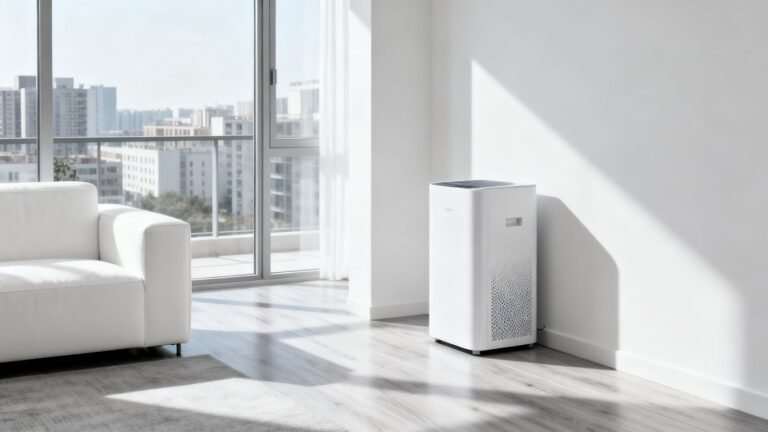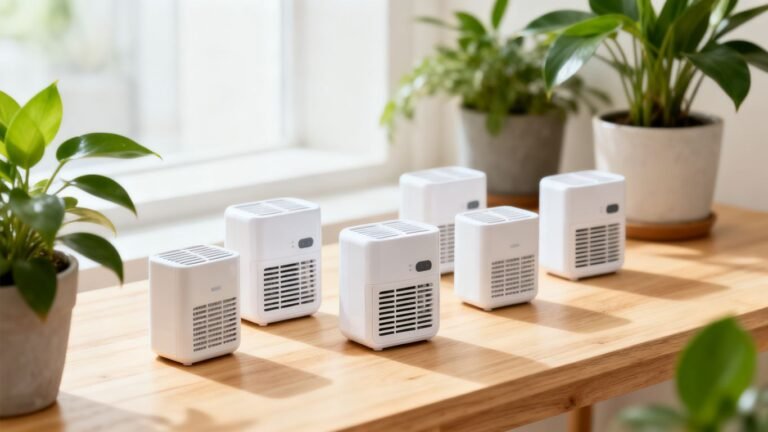


Key Takeaways
Improving your home comfort often requires a nuanced look at atmospheric control. Understanding the dehumidifier air purifier difference ensures you invest in equipment that actually addresses your specific indoor challenges.
- Air purifiers target airborne pollutants like dust and pollen through physical filtration.
- Dehumidifiers manage excess water vapor to prevent mold, mildew, and dust mite proliferation.
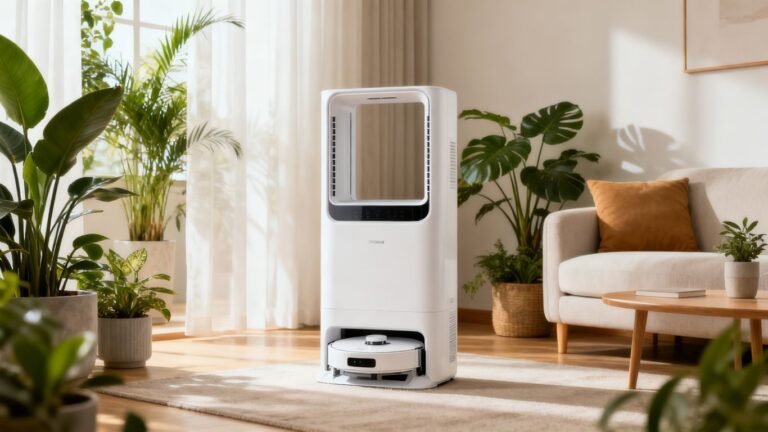
- Combining these functions into a single unit, like the Aerofy Lite, provides a space-efficient solution for tropical living.
- High humidity levels are often overlooked but significantly impact both structure and personal respiratory health.
- Proper maintenance, such as regular filter changes and coil cleaning, is vital for long-term appliance reliability.
Understanding the primary purpose of each device
Many homeowners struggle to distinguish between air quality appliances because they often look identical and are sold in the same aisles. The primary distinction lies in their intended output: air purifiers attempt to scrub the air of particulates, while dehumidifiers act as moisture-extracting machines. By ignoring these functional boundaries, you might end up with air that is clean but still damp, or dry air that remains heavy with allergens. Recognizing these unique roles is essential for anyone dealing with the dehumidifier vs air purifier functions in a home environment.
Defining the core function of an air purifier
An air purifier is a specialized machine designed to capture tiny solid particles suspended in the air. By utilizing a high-velocity fan, the device draws room air through a series of internal filters that trap debris before cycling the cleaned air back into your living space. These systems prioritize the removal of physical irritants that often trigger sneezing, wheezing, or skin irritation in sensitive individuals.
Explaining the moisture control mandate of dehumidifiers
Dehumidifiers operate on a completely different principle, focusing solely on the liquid content of the indoor atmosphere. Instead of filtering out dust, these units lower the relative humidity within a room by forcing moisture to condense onto cold surfaces. Once the water vapor is turned into liquid, it is collected into an internal reservoir or diverted down a drain, effectively preventing static humidity levels from rising too high.
Distinguishing between air sanitization and humidity regulation
While both systems improve indoor comfort, they tackle different problems with separate mechanical processes. Sanitize your air by removing contaminants like pollen, while regulating humidity stops the environmental conditions that allow colonies of mold to thrive. Using sanitization techniques alone will not solve structural dampness, and managing humidity does not strip the air of fine-grained airborne particles like smoke.
Addressing common misconceptions about overlapping functionality
One persistent myth is that any decent air purifier naturally lowers humidity, which is rarely true. Conversely, some users believe a dehumidifier is enough to stop allergies; however, these units cannot physically trap the micro-particulates that usually cause respiratory distress. Unless a product is specifically engineered with dual cores, you should assume one device does not inherently perform the core job of the other.
How air purifiers clean your indoor air
Air filtration is a complex science involving several layers of physical and chemical barriers. At the heart of most effective units is the mechanism that forces air through dense fiber meshes to snag pollutants. By understanding how these purifiers handle various types of indoor contaminants, you get a better sense of what makes air purifier benefits truly impactful for your daily life.
Mechanics of medical-grade HEPA filtration systems
High-Efficiency Particulate Air (HEPA) systems represent the gold standard for trapping microscopic debris. These filters are constructed from a complex web of randomly arranged fiberglass strands that capture 99.97% of particles as small as 0.3 microns. By catching dust, pollen, and even some bacteria, they ensure that the air being pushed back into your room is drastically cleaner than the air entering the unit.
Role of activated carbon in neutralizing odors and gases
Particles are only half the battle, as many odors and volatile organic compounds (VOCs) are gaseous. Activated carbon filters use a highly porous, surface-area-rich material to adsorb harmful chemicals and smells into the tiny crevices of the carbon itself. This provides the necessary chemical neutralizing layer that purely mechanical HEPA filters simply cannot provide on their own.
Advanced technologies like ionizers and PECO oxidation
Beyond basic filtration, some devices employ advanced tech to active-clean your space. Technologies such as negative ion technology help clump smaller particles together so they are easier to catch, while other systems use complex oxidation to break down pollutants at a molecular level. These advancements make it possible to address a wider variety of threats, including the invisible components of household pollution.
Limitations of purifiers regarding ambient humidity levels
It is important to understand that standard purifiers have no impact on the water vapor content of your home. If your room already has high humidity, simply moving air through a filter will not prevent the biological growth triggered by that moisture. In these scenarios, air quality remains compromised by the humidity itself, regardless of how many HEPA cycles the machine runs.
The moisture extraction process of dehumidifiers
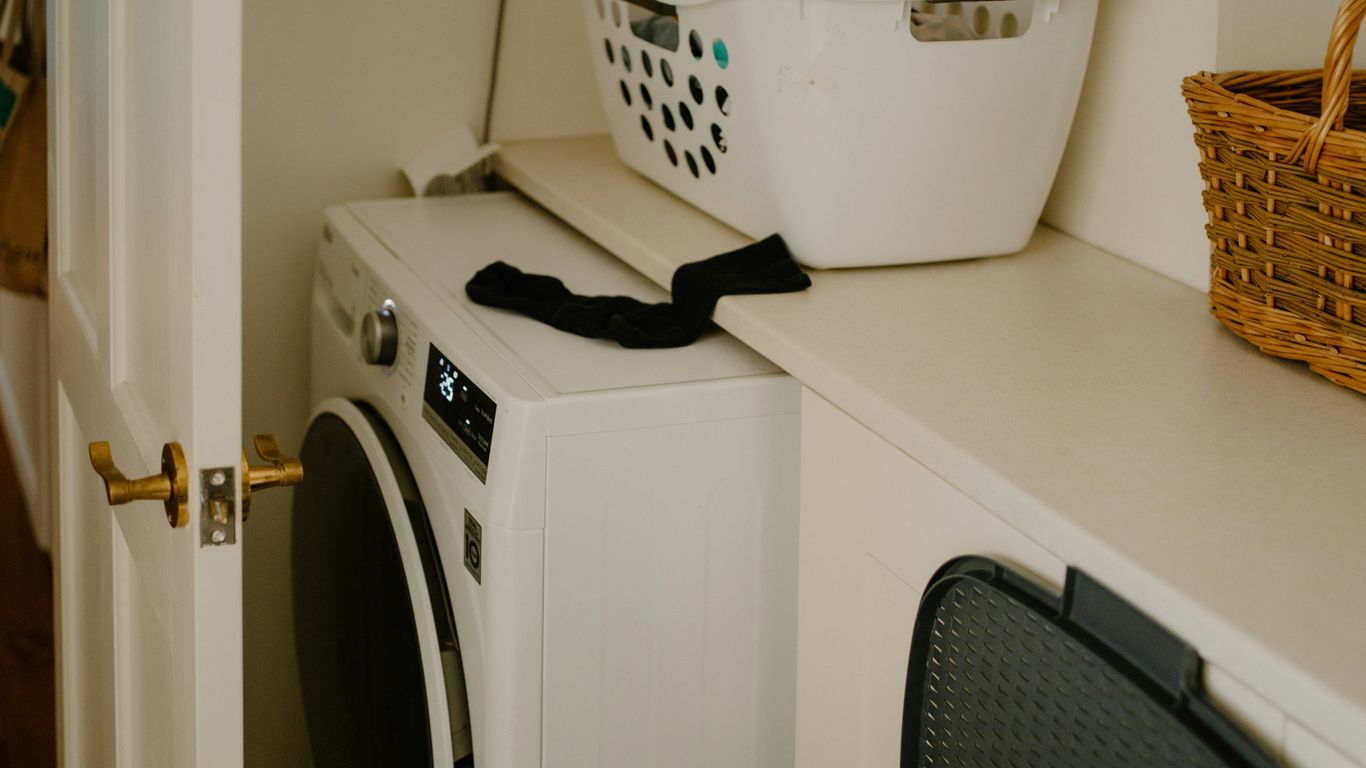
Managing excess dampness is a critical task for maintaining a healthy and structurally sound home. When thinking about what does a dehumidifier do, focus on its ability to lower the air’s dew point within your specific square footage. This process prevents the accumulation of water in walls, flooring, and furniture, which is why reducing moisture is such a high priority for homeowners living in humid regions.
Understanding compressor-based refrigeration cycles
Most high-performance dehumidifiers rely on a refrigeration cycle, much like the one in your kitchen fridge. A compressor circulates refrigerant through a series of coils, chilling them far below the surrounding air temperature. As warm, moist air is pulled across these freezing coils, the water vapor quickly turns into liquid condensate and drips away.
The importance of pint capacity for room-specific efficacy
Choosing the right device requires matching the pint capacity to the actual volume of your living area. A tiny unit might run continuously in a large, damp basement without ever making a dent in the overall level of humidity. Always verify the extraction rating of your premium dehumidifier to ensure it can keep up with the specific climate challenges of your residence.
Preventing mold growth and structural moisture damage
When relative humidity exceeds 60%, the environment quickly becomes an incubator for fungal growth and mildew. By maintaining consistent, lower humidity levels, you protect porous materials like wood, drywall, and fabric from absorbing moisture, which effectively halts the potential for organic decay. This is a fundamental step in preserving your home’s integrity and value over time.
Comparing refrigerant-based units and desiccant models
While compressor units are the standard for most homes, desiccant models offer a different approach by using chemical absorbents instead of cold coils. Desiccants are often quieter and work better in cooler, dryer areas where refrigeration coils might struggle with ice buildup. Knowing the environment you are trying to dry will dictate which technology is the right one to employ.
Assessing health impacts on respiratory wellness
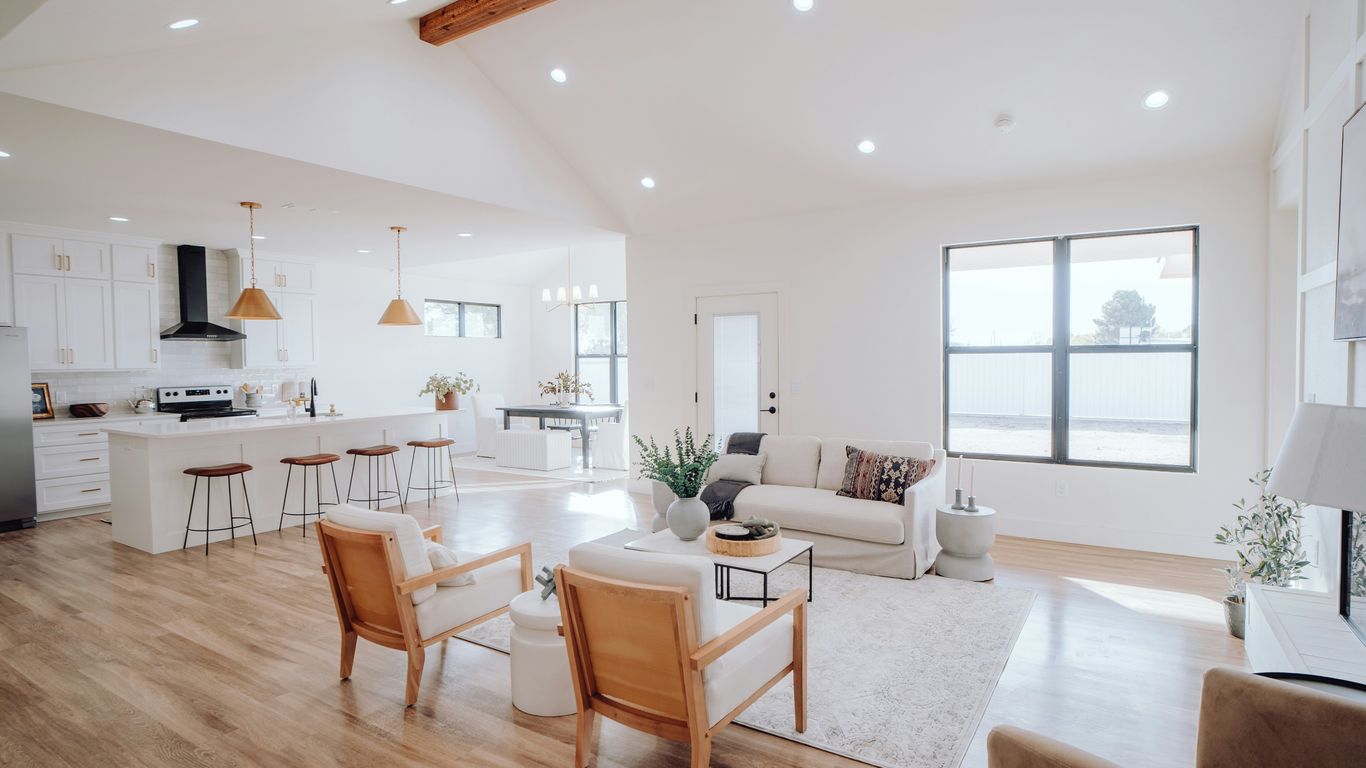
Your respiratory system acts as a filter for everything in your home, which is why chronic exposure to poor quality air is a serious health concern. By controlling the factors that trigger allergic and inflammatory responses, you take a proactive role in your own long-term wellness. Many residents find that choosing between dehumidifier and air purifier is less about picking one versus the other and more about treating the totality of their environment.
Filtering airborne particulate matter for allergy relief
Allergy sufferers often find that high-quality filtration is their first line of defense. By removing the tiny proteins found in pet dander, pollen, and dust, air purifiers stop these allergens from landing in your respiratory tract. This drastically reduces the physiological load on your immune system during high-pollen seasons.
Suppressing dust mite populations via humidity control
Dust mites are microscopic creatures that love dampness and are a major trigger for household allergies. Since they absorb moisture directly from the air, keeping relative humidity low prevents them from proliferating in carpets and upholstery. If you keep the environment dry, you eliminate their ideal reproductive conditions entirely.
Managing mold spores in damp or basement environments
Basements and windowless bathrooms are notorious for harboring mold colonies that release spores into your home’s airflow. A dehumidifier prevents spores from becoming airborne by ensuring the surfaces where they grow remain too dry to support life. This stops the cyclical shedding of spores that can lead to chronic respiratory irritation.
Addressing sensitivity to chemical pollutants and VOCs
Many household items, from cleaning fluids to furniture adhesives, off-gas volatile organic compounds that degrade indoor air quality. HEPA and carbon filtration systems are effectively the only way to manage these invisible gaseous threats. Combining this level of chemical control with humidity management provides a comprehensive health approach that cleans the air and keeps the environment stable.
Choosing the right solution for your environment
Deciding which device to add to your home often requires an honest assessment of your immediate surroundings. Climate, house age, and personal health sensitivities play the largest roles in determining your priority needs. Often, once you identify the source of the problem, the choice between these appliances becomes strikingly clear, especially when you look for a 2-in-1 dehumidifier that balances both tasks.
Signs you specifically need an air purifier
If you find yourself sneezing frequently indoors or noticing lingering stale odors, you likely need filtration. This is particularly true if you live in high-traffic city areas with smog or in homes with shedding pets. A purifier acts as the necessary defense against the solid particles you inhale every day.
Indicators that your space requires a dehumidifier
Look for physical clues like condensation on your windows, puffy wallpaper, or a distinct musty smell in your closets. These are classic indicators that ambient moisture is too high and that your home requires active humidity management. If you feel physically sticky or find that clothes stay damp for days, a dehumidifier is the missing link in your comfort.
Analyzing environmental factors like climate and house age
Older, less sealed homes often struggle with damp creeping in from foundations, whereas newer, tightly sealed apartments might trap indoor odors and dust. Your local climate is also a major factor; proximity to the coast or high-rainfall regions makes moisture the primary problem, while arid, inland locations might focus more on dust control. Adapting to your specific location is key to success.
Determining when both devices are necessary for optimal air quality
Most modern families find that relying on one device leaves a gap in their comfort. When you recognize that moisture control vs air quality are both persistent issues, investing in integrated solutions creates a cohesive, cleaner living space. Trying to solve a mold issue with just a filter, or an allergy issue with just a dehumidifier, usually leads to incomplete and disappointing results.
Financial and maintenance considerations
Investing in air treatment is a long-term commitment that requires careful budgeting for both initial purchase and ongoing operation. When you prioritize energy-efficient units and standard filter systems, you keep your total cost of ownership manageable. Proper care is not just about the budget, but about ensuring that your machine can actually buy now deliver the results you expect from high-end equipment.
Long-term costs associated with filter replacements
Unlike an appliance that only consumes power, purifiers require periodic investment in replacement filters. Depending on the air quality level, you might need to swap out HEPA layers every six to twelve months. Factor these consumables into your initial budget so that you aren’t blindsided by maintenance costs later on.
Comparing energy consumption patterns for both appliances
Dehumidifiers generally have a higher power draw than air purifiers because they are physically moving water vapor through phase changes. While it is always better to look for energy-efficient ratings, expect the compressor-based unit to have a more significant impact on your monthly utility bill. Always check the wattage before plugging in a unit to run 24/7.
Routine upkeep required for high performance and durability
Every machine needs basic care to remain effective, which includes wiping down the external housing and clearing intake vents of trapped dust. Dehumidifiers require draining their tanks or cleaning their coils to prevent internal mold, while purifiers demand clean sensors. Neglecting these small tasks significantly reduces the effective lifespan and performance quality of your hardware.
Evaluating noise levels and placement strategies for daily comfort
Placement is everything; avoid tucking your machines into corners that block their air intake. If noise levels are a concern, consider units that offer various speed modes or low-decibel settings, particularly for bedroom use. Finding the ideal location—centered where airflow is unobstructed—will ensure that the appliances work efficiently without creating unnecessary disturbance or excess heat in your living quarters.
Conclusion
Selecting between an air purifier and a dehumidifier requires evaluating your home’s unique environmental challenges, but often the most effective path involves integrating both systems for complete atmospheric control. By addressing both the fine particulate pollutants and the excess moisture that fuels biological growth, you create a stable, comfortable, and healthy living environment tailored to your specific climate needs.
Frequently Asked Questions
Do I need to run my air purifier and dehumidifier at the same time?
It is often highly beneficial to run both simultaneously if your environment suffers from both high humidity and airborne pollutants. They target different problems, so their combined operation creates a comprehensive solution for your indoor comfort.
How often should I clean the filters in my air purifier?
General guidance suggests checking your pre-filter monthly and replacing the primary HEPA filter every six to twelve months based on usage levels. Always check the manufacturer’s specific guidelines to maintain optimal performance and air circulation.
Will a dehumidifier actually kill mold in my house?
While a dehumidifier cannot remove existing mold colonies from surfaces, it prevents new growth and stops existing mold from spreading further. Once the humidity level is maintained below 50%, mold loses its ability to reproduce and maintain its presence.
Can an air purifier help with musty smells?
If the musty smell is caused by mold or mildew, an air purifier helps mitigate the odor by trapping spores and particles, but it will not remove the source of the dampness. You will need to address the underlying humidity to permanently remove the smell.
Does high humidity negatively affect the performance of a HEPA filter?
Excessive moisture can cause a HEPA filter to become damp, which may lead to filter degradation or even the growth of mold within the filter itself. In very humid climates, using a dehumidifier is essential to protect the lifespan of your purifier’s filters.
What relative humidity level is considered ideal for a healthy home?
Most experts recommend maintaining a relative humidity level between 30% and 50% for optimal comfort and health. This range is low enough to prevent dust mite and mold issues, but high enough to remain comfortable for your skin and pipes.
Where should I place my air purifier and dehumidifier for the best results?
Place units in an open area with plenty of clearance for air intake and exhaust, usually in the room where you spend the most time. Avoid placing them against walls or inside tight furniture, which restricts the amount of air the machine can process effectively.