Key Takeaways
Maintaining a healthy home in high-humidity environments requires addressing moisture and airborne pollutants simultaneously, rather than tackling them as isolated issues.
- Dual-action systems consolidate climate management and purification into one energy-efficient appliance.
- Moisture control suppresses biological growth, while HEPA filtration captures fine particulate matter effectively.
- Proper room sizing based on pint capacity ensures the unit can handle actual moisture levels.
- Strategic placement near high-risk zones like closets or basements optimizes unit efficiency and airflow.
- Regular filter maintenance and sensor calibration prevent performance degradation and bacterial buildup over time.
How a dehumidifier and air purifier combo works
Integrating humidity control and air cleaning into one device requires two distinct mechanical processes working in tandem. Many homeowners struggle with the reality that removing wetness from the air does little to trap microscopic pathogens drifting through their rooms.
The mechanical difference between a filter and a condenser
A dehumidifier utilizes a refrigeration cycle, employing a compressor and evaporator coils to cool the air, causing moisture to condense and drip into a reservoir. In contrast, an air purifier pulls air through a mechanical or electrostatic medium to physically trap particles. The DualCore 20 from Aerofy merges these technologies, using a condensate system for dampness alongside HEPA-grade filtration to scrub the circulating air of contaminants simultaneously.
Why dehumidification alone does not remove pollutants
While reducing humidity limits the reproduction cycle of dust mites and mold, moisture management alone does not clear VOCs or fine particulates from your living space. You may lower the air’s moisture content until it feels dry, yet pet dander, pollen, and off-gassed chemicals remain trapped in the air stream. Relying solely on a dehumidifier is like trying to patch a roof without cleaning the debris already inside the home; you need to understand the key differences to address all health hazards.
Benefits of integrated versus separate systems
Maintaining multiple appliances often leads to clutter and inconsistent air management in smaller urban living spaces. When you use one device, you reduce electricity consumption and eliminate the need for redundant sensors or secondary maintenance schedules. Modern 2-in-1 dehumidifier designs provide a streamlined experience that is both cognitively easier to manage and physically more compact than running two large, independent machines.
Benefits of dual-action air treatment
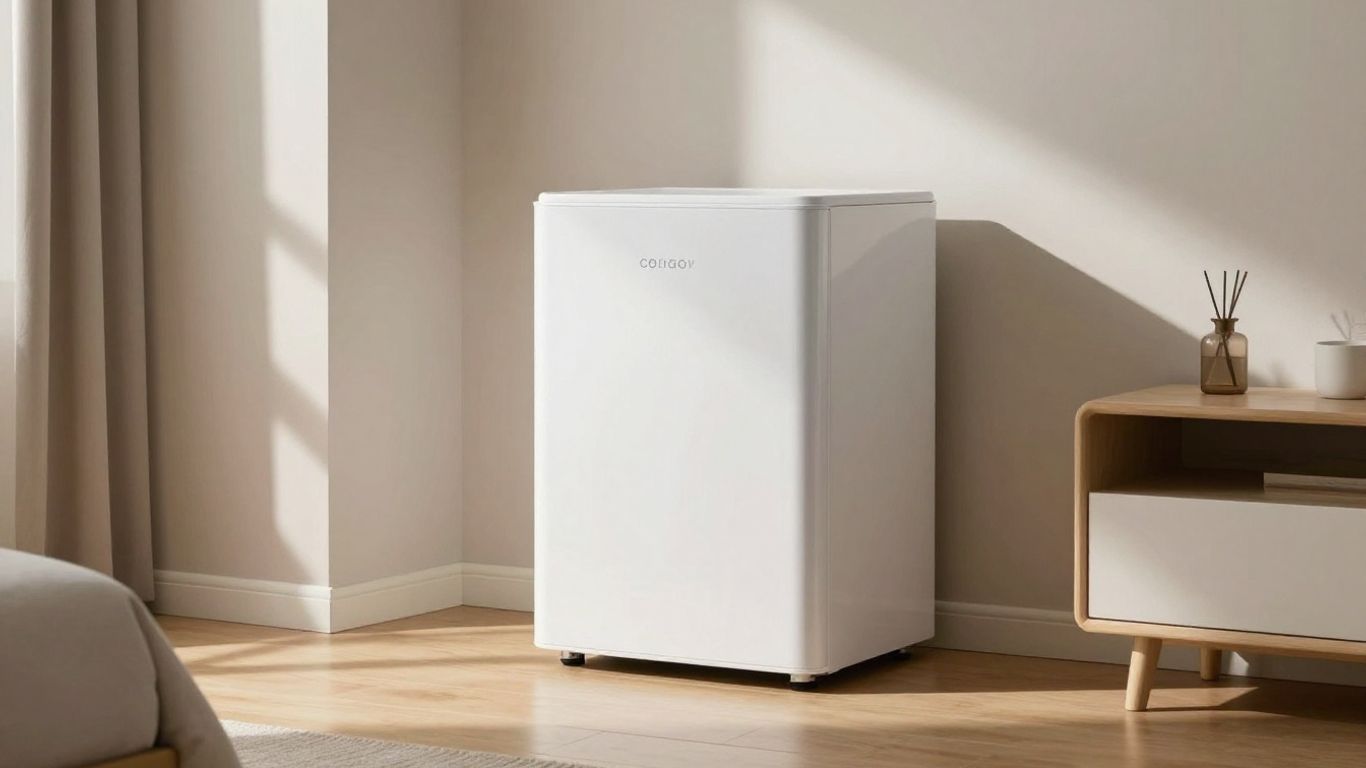
Addressing air quality from multiple angles offers a comprehensive shield against common indoor allergens. By controlling the environment, residents can experience fewer respiratory flare-ups and maintain a cleaner physical space.
Reducing mold and spore growth through moisture control
High humidity levels act as a catalyst for biological expansion, allowing mold and fungal spores to propagate on surfaces. By maintaining a humidity level between 40% and 50%, you remove the fuel source for these organisms. Proper moisture management is the most effective way to reduce allergy symptoms associated with damp indoor atmospheres.
Capturing volatile organic compounds and fine particulates
Even in dry environments, microscopic pollutants like VOCs from flooring or furniture can accumulate and degrade air quality. Advanced HEPA filtration modules operate effectively alongside dehumidification units to neutralize these invisible threats. Utilizing a device with True HEPA filters ensures these particles are trapped and unable to settle back into your living area.
Improving respiratory comfort for allergy sufferers
When you combine these features, you create an environment where the physical air is light and breathable. For those suffering from seasonal or chronic allergies, this multi-faceted strategy provides relief that neither system can offer alone. It is a vital upgrade for anyone dealing with indoor air quality issues in tropical regions.
Scenario Time
Imagine a family living in a humid coastal apartment who frequently wakes up with congested sinuses. By placing a dual-function unit in the bedroom, they stop the cycle of night-time dampness while simultaneously scrubbing dust and pollen from the air. Their daily comfort is no longer dictated by the external weather, as they now enjoy a constantly purified living environment regardless of tropical humidity surges.
Key technical specifications to consider
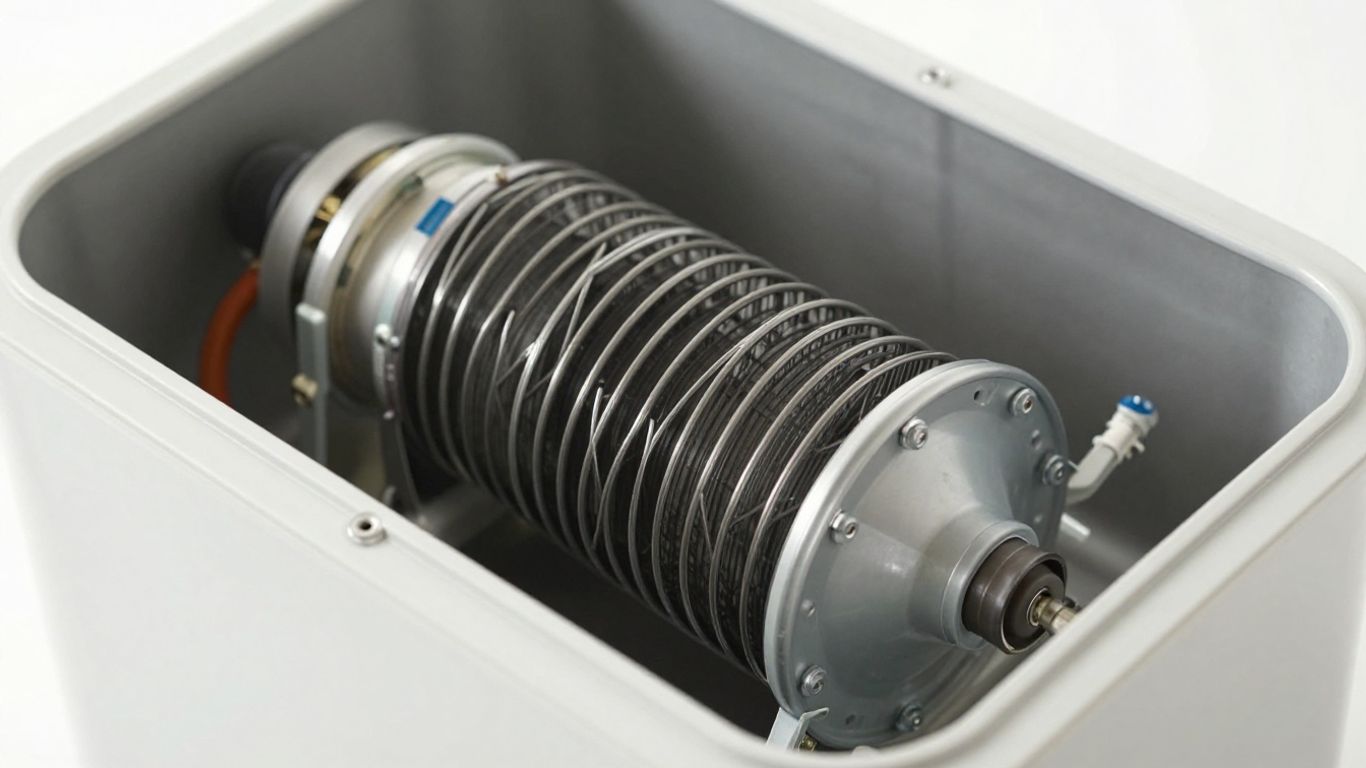
Selecting the right unit requires looking past marketing aesthetics to the raw engineering data presented by the manufacturer. Understanding these metrics allows you to match the machine’s actual output to the square footage of your home.
Measuring moisture extraction rates for room size
Every device is rated on how many pints of moisture it removes per 24 hours in specific conditions. If you purchase an undersized unit, it will run continuously without ever reaching your target humidity levels. Consult the 5 best dehumidifier combos to compare coverage data and ensure your choice matches the footprint of your specific flooring plans.
Analyzing HEPA filter grades and capture efficiency
True HEPA filtration is the gold standard, capable of capturing 99.97% of particles down to 0.3 microns. You should always verify the filter grade to ensure it effectively removes fine particulates that lead to respiratory issues. Note that higher filtration efficiency often requires higher airflow pressure, which is something engineers like those at Aerofy prioritize during the design phase.
Power consumption and energy efficiency ratings
Continuous operation is often necessary to combat tropical moisture, meaning your utility bill depends heavily on the machine’s efficiency. Units featuring smart-dry technology or programmable timers allow you to minimize waste by adjusting operations based on current load rather than running at maximum output constantly. You can often find energy-efficient solutions that help manage these operational costs over time.
Noise level impact on living and sleeping spaces
Appliances that function as both air purifiers and dehumidifiers rely on fans and compressors that can generate significant white noise. For bedrooms or quiet workspaces, prioritize models that display verified decibel ratings specifically for "night mode" or low-speed settings.
| Feature Type | High-Performance Model | Basic Utility Model | Compact Unit |
|---|---|---|---|
| CFM Airflow | 150-200 | 80-100 | 40-60 |
| Noise Level | 35-45 dB | 45-55 dB | 55+ dB |
| Filter Type | Medical Grade HEPA | Standard Synthetic | Mesh Screen |
Selecting based on these performance tiers ensures that your investment provides the specific utility your home demands for year-round comfort.
Choosing the right placement for maximum effect
Placement determines the effective radius of air circulation and moisture catchment. If tucked away too tightly, the machine will struggle, sensing a local micro-climate rather than the conditions of the entire room.
Optimizing airflow for large living areas
For an open-plan room, position your unit as close to the center as possible to facilitate a 360-degree intake of air. A centralized position allows the device to draw from multiple directions, ensuring that no pocket of stale air remains ignored.
Strategic positioning in mold-prone basements
In subterranean levels, focus on the areas where humidity naturally wicks in through foundation cracks or low-ventilation zones. Prioritize these high-risk areas to stop moisture accumulation at the source before it migrates to main living levels.
Maintaining distance from walls and furniture
To ensure peak performance, follow these guidelines for clearance during daily operation:
- Allow at least 15 inches of space behind the unit for unrestricted intake airflow.
- Keep the device away from thick curtains that could obstruct the exhaust.
- Place the machine on a flat, even surface to ensure the internal drain system functions without leaks.
- Ensure that no large furniture pieces are blocking the immediate output path of the purified air.
Maintaining these clearances prevents the system from overheating and allows the onboard sensors to read the actual humidity levels of the room accurately.
Maintenance requirements for dual-function devices
Consistent maintenance is the hidden factor differentiating a long-lasting appliance from one that suffers premature motor failure. If you ignore the internals, you are essentially recirculating collected pollutants into your own air.
Establishing a cleaning schedule for air filters
Filters accumulate dust quickly, and a clogged filter acts as a massive point of resistance for your cleaning fan. Check and vacuum your primary dust filter monthly, and swap your HEPA filter according to the specific manufacturer intervals to maintain peak capture efficacy.
Monitoring water tank levels and drainage systems
If your unit uses a bucket to collect condensate, empty and rinse it weekly to prevent algae or mold from forming in the stagnant water. For permanent, passive drainage, verify the hose connections monthly to ensure gravity flow has not been impeded by calcification or mineral deposits.
Sensor calibration for accurate air quality readings
Many devices rely on internal sensors to adjust fan speed based on detected particles or humidity. Over time, these sensors can become coated in local dust, leading to false readings; wipe them gently with a non-abrasive cloth to ensure the Aerofy internal logic tracks changes accurately.
Periodic deep cleaning to prevent bacterial buildup
An annual deep clean involves wiping down the interior cavities near the condensation coils where moisture and dust merge. By keeping the chassis clean, you ensure that the machine itself never becomes a breeding ground for the mildew you are trying to eradicate.
Conclusion
Investments in top-performing dual-action appliances pay dividends through cleaner, more comfortable living environments that actively combat the stressors of a humid climate. By harmonizing technical performance with proper maintenance and strategic placement, you ensure that your home remains a sanctuary regardless of seasonal humidity swings.
Frequently Asked Questions
Is it better to run the air purifier and dehumidifier separate or together?
Running them as a single integrated system is often superior because it creates a cohesive air management environment while minimizing total power draw and simplifying your maintenance routine.
Does a 2-in-1 device work as well as standalone machines?
Modern engineering allows for high-efficiency operation in a single chassis, provided the device is correctly sized for your specific square footage and the pollutant load of your home.
How often should filters be replaced in a combo unit?
Filter replacement intervals vary based on your environment, though it is standard to inspect pre-filters monthly and replace HEPA filters every six to twelve months for maximum effectiveness.
Do these devices make a lot of noise while running?
Most units offer variable fan speeds, with lower settings providing quiet operation suitable for bedrooms, while the higher settings are designed to rapidly treat larger living areas.
Where is the best place to put a combo device?
For optimal results, place the device in a central, unobstructed location within a room to ensure consistent airflow and accurate detection of humidity and particulate levels.
Will a dehumidifier fix a mold problem that already exists?
While humidity control stops the propagation of mold spores, it will not remove physical mold growth present on surfaces; you must physically clean existing mold with the appropriate treatments.