Key Takeaways
Understanding the dynamics of the air dehumidifier market is essential for homeowners and industrial operators looking to maintain optimal environments and protect high-value assets.
- Rising global atmospheric humidity levels are significantly driving demand for sophisticated moisture management systems.
- Consumers are increasingly prioritizing multi-functional appliances that combine atmospheric drying with rigorous air filtration.
- Industrial sectors, particularly electronics and healthcare, remain the largest consumers of high-capacity dehumidification technology.
- Strategic shifts toward smart home integration and IoT connectivity are transforming how residential users manage indoor climate.
- Navigating evolving refrigerant regulations is a primary challenge for manufacturers aiming to balance performance with environmental sustainability.
Overview of the current air dehumidifier market
The air dehumidifier market has evolved from simple seasonal utility tools into highly specialized climate control systems essential for maintaining long-term property integrity. Historical growth has been largely defined by rising seasonal fluctuations and a growing awareness of the correlation between stagnant moisture and structural damage. Modern consumers now seek complete guide to choosing solutions that offer more than mere humidity reduction, often looking for appliances that handle air quality holistically.
Historical growth patterns
The early market was dominated by basic compressor units designed to lower dew points in residential basements. As research into microscopic mold and dust mites progressed, the industry saw a surge in residential adoption, moving these devices into living spaces. You can observe the trajectory of these global dehumidifiers market trends by looking at how rapid technological adoption has outpaced traditional seasonal demand cycles.
Primary consumer demand segments
Consumer demand spans from individual homeowners managing living room comfort to healthcare facilities protecting sterile environments. Large-scale institutions rely heavily on professional-grade systems to ensure consistent conditions, whereas residential users prioritize energy efficiency and compact operation. Market segments can be summarized by their specific moisture control requirements.
| Segment | Primary Objective | Typical Technology |
|---|---|---|
| Residential | Mold Prevention | Refrigerant Compressor |
| Electronics | Condensation Control | Solid State Desiccant |
| Pharmaceutical | Humidity Stabilization | Industrial Hybrid |
Regional market distribution
Regional performance varies based on climate volatility and urbanization rates, with the Asia-Pacific region currently demonstrating the fastest uptake of humidity control technology. European markets have focused heavily on energy efficiency standards, while North America continues to integrate these systems into broad-scale residential HVAC infrastructure. The growth of the global dry room dehumidifier market indicates that localized environmental needs, such as managing extreme seasonal heat, significantly influence regional adoption rates.
Key growth drivers in the industry
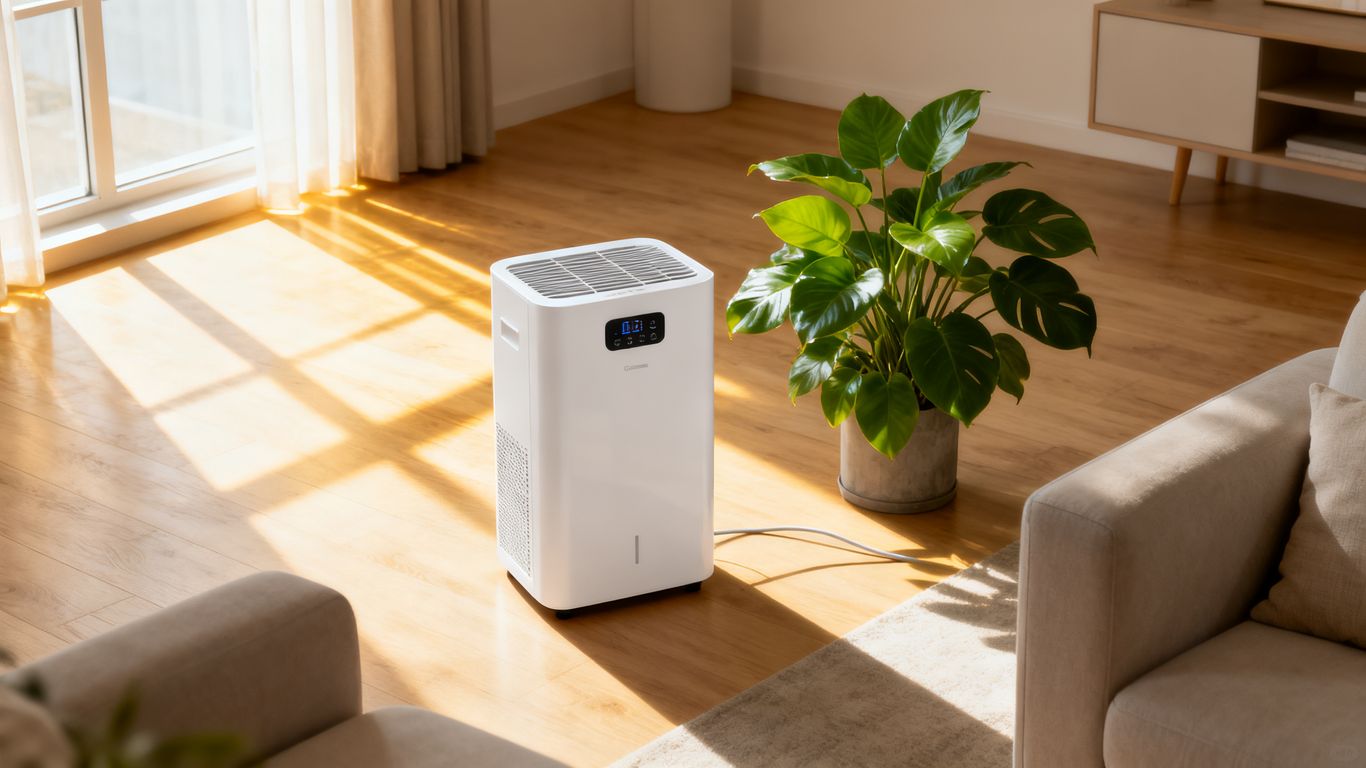
Increased awareness regarding internal air conditions is a major catalyst for investment in climate management, as residents realize that high humidity facilitates the growth of airborne pathogens. This shift is compounded by densifying urban environments where natural cross-ventilation is restricted, leaving mechanical moisture removal as the only effective path to comfort. The industry is responding by offering essential uses of a dehumidifier that clearly demonstrate how these appliances mitigate musty odors and respiratory discomfort.
Increasing awareness of indoor air quality
Health-conscious homeowners now treat consistent humidity levels between 40-50% as a health requirement rather than a luxury. This transition has led users to seek appliances that effectively filter out pollutants while removing moisture. Maintaining these levels is vital for preventing the proliferation of biological contaminants.
Urbanization and rising humidity levels
Rapid horizontal and vertical growth in cities often results in apartments with poor airflow and high thermal mass. Urban dwellers are finding that controlling moisture is the most effective way to eliminate the clammy, stagnant air typical of dense residential blocks. This creates a clear demand for buy now compact systems suited for smaller living configurations.
Expansion of the HVAC and smart home sectors
Integration into existing smart home ecosystems allows central systems to communicate with localized units for perfectly synced climate control. Users can now monitor ambient conditions through mobile apps, creating a synchronized environment that responds to real-time sensor data.
Technological innovations shaping market evolution

Technological progress is shifting focus toward energy optimization and system longevity, with current research centering on rotary compressors and advanced filtration media to achieve superior outcomes. By utilizing a rotary compressor for more efficient heat exchange, modern machines generate less noise while extracting more water per cycle. These enhancements address the primary user need for quiet operation without compromising on moisture removal rates.
Integration of smart sensors and IoT connectivity
Precision sensors act as the intelligence layer, allowing the unit to automatically adjust extraction levels relative to the current RH percentage. This prevents the unit from over-operating, thereby saving energy while ensuring the room never dips into uncomfortable dryness.
Energy-efficient desiccant versus compressor technology
When considering how dehumidifiers work, the choice between refrigerant and desiccant models typically rests on the temperature of the environment. Refrigerant models are ideal for standard indoor temperatures, while desiccant models offer distinct advantages in cooler spaces where compressor efficiency drops significantly.
Advancements in portable and industrial designs
The Aerofy DualCore 20 stands out as a prime example of high-efficiency engineering designed specifically for tropical use. It features dual functionality that addresses both moisture and micro-particulates, effectively managing long-term exposure to high-humidity cycles. We should also consider how industrial dehumidification technology informs consumer models, bringing durable, consistent performance into the residential market.
Challenges and regulatory pressures

Regulatory changes centered on refrigerant global warming potential are forcing manufacturers to innovate rapidly. Compliance requires a switch to newer natural refrigerants, such as R290, which complicates design and increases development overhead. While the leading companies shaping the industry have largely moved toward these standards, the transition presents a significant barrier for smaller entrants. Firms are also navigating supply chain volatility, which directly impacts the ability to procure specialized sensors and high-grade plastic polymers.
Compliance with environmental refrigerant standards
Regulatory bodies are tightening constraints on the types of refrigerants allowed in portable appliances to reduce the environmental footprint. This shift forces a total rethink of heat exchange cycles to maintain efficiency with lower-pressure compounds.
Supply chain disruptions and raw material costs
Fluctuations in the price of copper, used in cooling coils, and microprocessors, used in digital controllers, create unpredictable cost structures for manufacturers. This makes it difficult to maintain fixed price points for retail units without compromising on build quality.
Competition from alternative air treatment solutions
Some markets are seeing a shift toward passive moisture absorption or wall-based materials that naturally regulate humidity. While these lack the rapid extraction capabilities of active machines, they provide a low-energy deterrent to mold development.
Strategic analysis for business stakeholders
Stakeholders must recognize that market penetration in tropical regions is heavily reliant on localized engineering solutions. Aerofy, with its commitment to being ‘Designed in Singapore’ and ‘Built for the tropics’, represents a strategic focus on region-specific performance metrics that generic appliances often miss. The following list details the key focus areas for new market entrants:
- Prioritizing R&D in dual-stage filtration to capitalize on the 2-in-1 appliance trend.
- Developing modular parts to simplify repairability and extend product life-cycles for end users.
- Focusing on whisper-quiet operation protocols to suit the dense, high-rise living environments of Southeast Asia.
- Strengthening supply chain resiliency for rare earth magnets used in high-efficiency fan motors.
Market share dynamics and top manufacturers
The competitive landscape is dominated by a mix of established home appliance giants and specialized engineering firms that focus on niche climate solutions. Consolidation is becoming common as companies look to acquire specialized sensor IP to bolster their IoT capabilities.
Product differentiation and customization trends
Customization is moving beyond color and form factor; it now includes software profiles for specific climate conditions, such as ‘Singapore Night’ modes that balance quiet fan speeds with intermittent moisture checks. Aerofy integrates these refined engineering choices to distinguish its devices in a crowded landscape.
Projections and future market intelligence
We anticipate a continued move toward ‘living’ appliances that adjust parameters based on environmental variables. As data collection improves, the global Dehumidifier Market will likely see a move toward predictive maintenance, where apps notify owners about filter life or coil cleaning before degradation occurs.
Conclusion
Maintaining healthy humidity levels is a critical component of modern home and industrial asset management, requiring a blend of sophisticated engineering and user-friendly operation. As technology continues to evolve, the distinction between active dehumidification and holistic air purification will continue to blur, providing residents and facility managers alike with more cohesive solutions to tackle the challenges of our climate.
What is the ideal humidity level for a home?
Most experts agree that keeping indoor relative humidity between 40% and 50% is best for preventing mold while ensuring personal comfort.
Are dehumidifiers noisy to operate?
While older compressor models can be loud, modern residential units utilize advanced fan technology and rotary compressors to operate quietly in sleeping areas.
How often should I clean the air filter?
It is generally recommended to clean or inspect the air filter every two to four weeks depending on usage intensity and the amount of dust in the local environment.
Do I need a professional for installation?
Most portable residential units are designed for simple user setup, while industrial-scale systems require professional HVAC technician assistance.
Will a dehumidifier make my room hot?
Dehumidifiers that use compressors will produce a small amount of warm air as a byproduct, but natural room temperature changes are usually minimal compared to the humidity reduction benefit.
Can I use a dehumidifier and air purifier together?
Yes, many modern appliances combine these two functions into a single unit, which saves space and simplifies overall air quality management.
Does a dehumidifier help with allergies?
By keeping humidity levels in the ideal range, dehumidifiers prevent the growth of mold and dust mites, which are major triggers for indoor allergy sufferers.