Key Takeaways
- The global market is expanding rapidly due to rising health awareness and increased atmospheric humidity.
- Consumers are prioritizing smart, connected devices that integrate seamlessly into modern home ecosystems.
- Tropical regions act as a primary driver for innovation in moisture control and filtration technology.
- Energy efficiency ratings and refrigerant safety are becoming the most critical metrics for new product performance.
- Sustained growth is expected through 2035, fueled by urbanization and the demand for better indoor comfort.
Current growth drivers of the household dehumidifier market
Rising awareness of indoor air quality
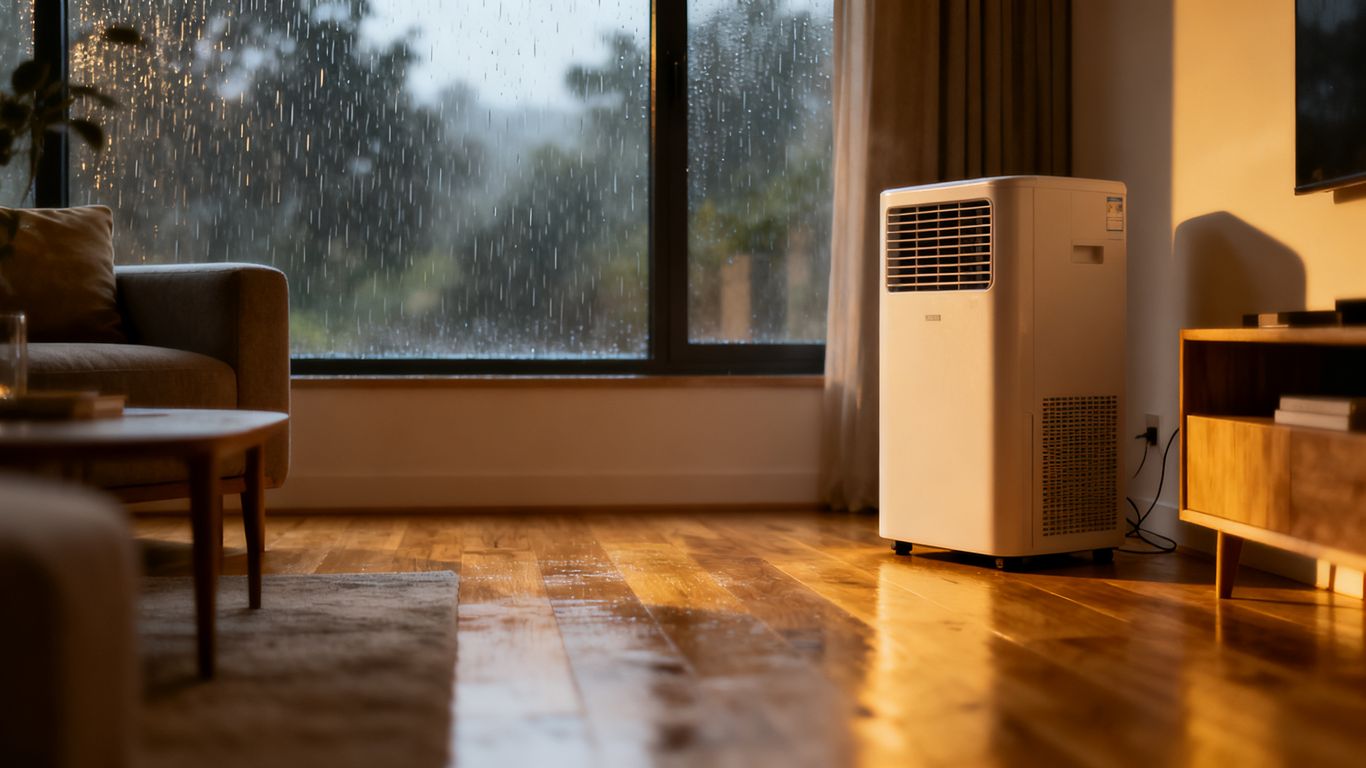
Consumers today are increasingly focused on the health of their living spaces, particularly regarding airborne allergens and pollutants. Residents are recognizing that maintaining optimal humidity levels is essential for health, leading to widespread interest in air management. Many are turning to standard solutions to maintain balanced intake, while simultaneously employing devices that tackle moisture-related mold growth.
Impact of changing climate patterns
Global atmospheric humidity is on a steady climb, forcing homeowners to rethink how they manage indoor environments. Weather patterns are becoming less predictable, and seasonal humidity spikes are now a daily reality in many regions. In places like Singapore, specialized systems are essential to maintain comfort, which is why the Aerofy DualCore 20 is designed specifically optimized for tropical climates to address persistent dampness effectively.
Growth of residential construction projects
Rising urbanization and residential growth have expanded the market for integrated appliance solutions. As developers focus on tight building envelopes for energy efficiency, ventilation issues frequently lead to trapped moisture. This creates a niche for advanced, purpose-built systems that handle both dehumidification and purification in single residential units.
Advancements in energy efficiency standards
Regulatory bodies are pushing for stricter energy criteria to reduce carbon impacts from residential appliances. Manufacturers are upgrading internal components, such as using efficient rotary compressors and eco-friendly R290 refrigerant, to meet these benchmarks. These improvements allow devices to run longer cycles without substantial increases in utility costs, which is vital for users in humid climates.
Key consumer trends shaping product demand
Shift toward smart and connected appliances
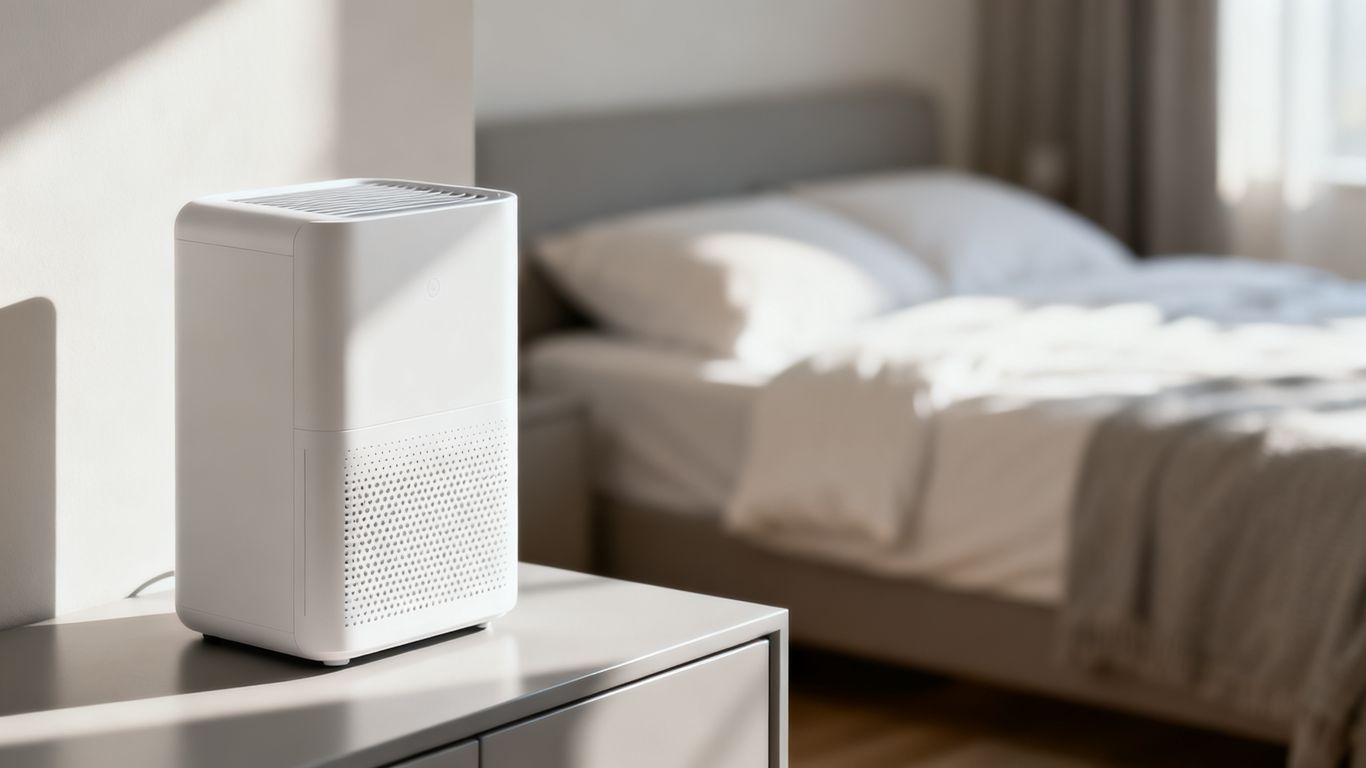
Modern households are moving toward automated environments where climate control is managed via smartphones. Users want real-time data on their air quality, leading to a surge in demand for sensors that track humidity and particulate matter automatically.
Preference for compact and portable designs
Space-constrained urban dwellings drive the need for small-footprint units that maintain high performance. Whether for a small bedroom or a wardrobe, consumers look for machines that blend into their decor while remaining mobile enough to move between rooms. This has created a clear preference for sleek, vertical architectures that maximize airflow without consuming excessive floor space.
Focus on noise reduction technology
Quiet operation is paramount for bedrooms and living areas, where appliances should function unobtrusively. Engineering teams are focusing on sound-dampening materials and variable-speed fans to reach lower decibel levels. The table below outlines how various models compare when considering noise vs. drying capability:
| Appliance Type | Noise Output | Drying Efficiency | Suitable For |
|---|---|---|---|
| Compressor-based | Moderate | High | Living rooms |
| Desiccant-based | Low | Moderate | Bedrooms |
| Integrated Multi-Function | Quiet | Targeted | Tropical homes |
Demand for sustainable and recyclable materials
Sustainability is moving from a buzzword to a primary purchase driver for environmentally conscious buyers. Consumers are looking for appliances manufactured with recyclable plastics and components that are easy to maintain, reducing the need for premature replacement of the entire unit.
Segmentation analysis of the global market
Compressor-based versus desiccant dehumidifiers
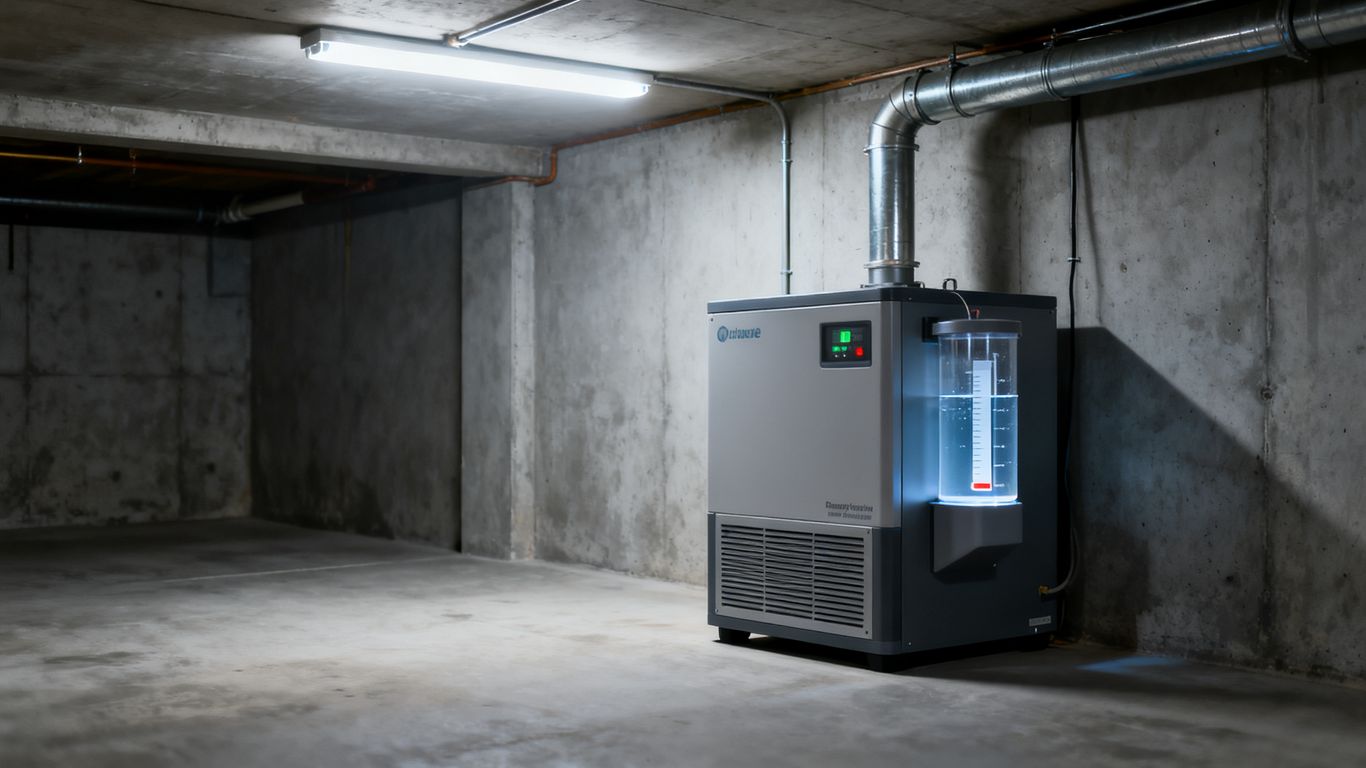
Most refrigeration-cycle appliances rely on compressors to condense moisture out of the air. These systems are highly effective at higher temperatures where common atmospheric moisture needs to be managed quickly. In contrast, desiccant technology uses absorption materials to pull water, which is ideal for colder environments where compressors struggle to operate efficiently.
Assessing capacity for basement versus living space use
Choosing the right unit requires understanding the specific duty cycle of the space. Homeowners often need to categorize their needs based on three distinct levels of usage:
- Low-capacity units (under 12 liters/day) for small closets or bathrooms.
- Mid-range units (12-25 liters/day) designed for standard living areas.
- High-capacity, whole-house systems for basements or open-concept floor plans.
Matching the pint capacity to the square footage of the room ensures optimal performance and machine longevity without over-cycling the hardware.
Private residential versus multi-family housing requirements
While private residents look for aesthetics and quiet operation, multi-family developers often prioritize unit durability and ease of maintenance. Both segments are moving away from manual water buckets in favor of continuous drainage systems that provide a more seamless experience for tenants.
Regional market dynamics and landscape
North American market saturation and replacement cycles
North America remains a major market with established logistics, though it is currently focused on the replacement of older, less efficient units. The focus here is on smart home connectivity and energy-certified models, as seen in the broader household dehumidifier market analysis of current trends.
Rapid adoption in humid tropical regions
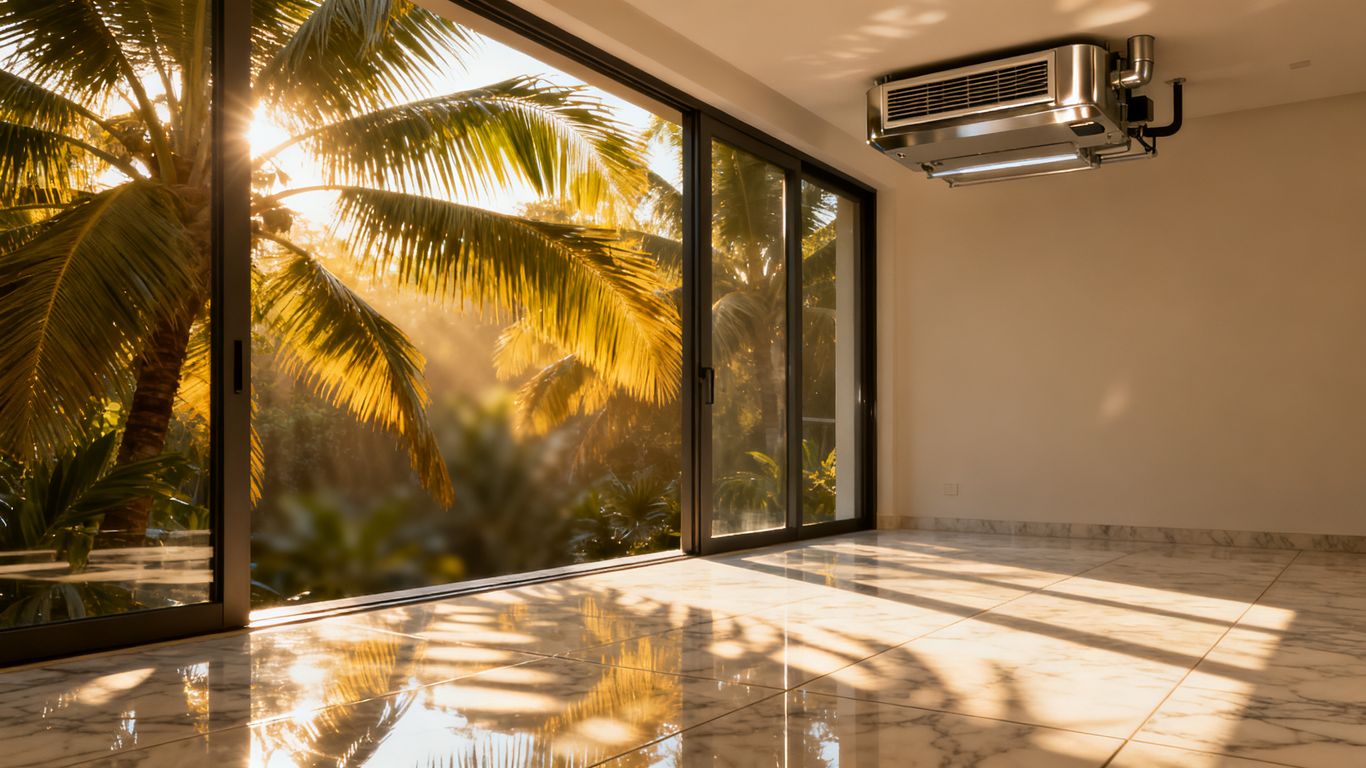
Tropical nations in Southeast Asia are experiencing massive growth due to the consistent need for heavy-duty humidity management. The Aerofy DualCore 20 is a prime example of equipment designed specifically for these conditions, prioritizing durability through robust engineering and high filtration standards. It is often necessary to avoid moisture damage by installing dedicated systems in both living areas and storage centers.
Expanding sales channels in emerging economies
Online marketplaces are rapidly breaking down barriers in emerging economies, granting residents access to global brands. This channel expansion allows consumers to compare specifications directly, pushing brands to highlight unique features rather than relying on historical brand recognition.
Challenges impacting industry expansion
Rising raw material and manufacturing costs
Global supply chain volatility has made it difficult to keep price points stable while incorporating better materials. Manufacturers are balancing the cost of specialized components like HEPA filters with the need to remain accessible for the average consumer.
Stringent regulatory requirements for refrigerants
Regulatory agencies globally are banning older, high-GWP refrigerants. This transition requires significant R&D investment to ensure that new systems maintain effective heat exchange processes while using greener gas alternatives.
Competition from integrated HVAC solutions
Central HVAC systems are increasingly adopting built-in moisture control features, which reduces the necessity for standalone appliances. To compete, manufacturers must offer better air quality management, blending dehumidification with purification to stay relevant. You can visit our selection to see how modern units differentiate themselves with dual-purpose performance.
Strategic future outlook and predictions
Market consolidation and key player strategies
Market experts expect continued consolidation as leaders in the appliance space acquire niche firms. This strategy enables larger companies to integrate specialized moisture-control technology into their existing catalog of smart home products.
Technological integration with smart home ecosystems
Future dehumidifiers will function as nodes in broader home automation networks. By communicating with other sensors, these machines will proactively manage air status, adjusting fan speeds based on real-time environmental forecasts. Companies like Aerofy are leading this by emphasizing energy-saving logic within their internal controls.
Growth projections for the 2024 to 2034 period
Industry researchers expect a steady growth path for the foreseeable future. As the climate changes and more households recognize the health benefits of lower indoor dampness, the global reach of these devices will exceed previous, more conservative estimates.
Conclusion
As the industry matures, the focus on smart capability, regional suitability, and sustainable engineering will determine which brands succeed in providing long-term home air quality solutions. Homeowners remain the center of this evolution, trading older, inefficient machines for intelligent, climate-specific appliances that protect both their health and their property.
Frequently Asked Questions
How does room size impact the type of dehumidifier I should choose?
Room size dictates the required pint capacity, or how much water a unit can remove in 24 hours. Larger spaces require high-capacity systems with stronger airflow, whereas small rooms can be managed effectively with minimal power, ensuring you do not waste electricity on an oversized, underutilized unit.
What represents the main difference between compressor and desiccant units?
Compressor units work similarly to refrigerators to condense water from air, making them ideal for warm or humid environments. Desiccant units use absorbent materials, which are much quieter and significantly more efficient for operating in cold spaces, such as unheated basements or storage rooms.
Why does indoor humidity fluctuate regardless of weather?
Internal sources like cooking, showering, and the natural respiration of plants contribute significantly to humidity levels. Poorly ventilated homes often trap this moisture, meaning internal ambient conditions may stay damp even if the external weather is relatively dry.
When is the best time of year to operate a dehumidifier?
Dehumidifiers are most effective during seasons where humidity remains consistently above 50%, often in summer months or the rainy season. However, in tropical climates, they are essential to keep running year-round to prevent the formation of mildew andmusty odors in confined storage areas.
Can a dehumidifier replace the need for an air purifier?
While some units offer dual functionality, they tackle different problems. A dehumidifier removes water to stop mold growth, whereas an air purifier captures particulates. If you live in a region with high moisture and high pollen, a combo unit is often the most practical use of floor space.
How important are energy efficiency ratings during the buying process?
Efficiency ratings directly impact the cost of operation on your monthly utility bills. Higher energy efficiency means the machine performs its primary job—moisture extraction—while using less power, which is critical for equipment intended for nearly continuous operation.
What are the main signs that a home might require a dehumidifier?
Visible damp spots on walls, persistent musty smells, condensation on windows, and a feeling of heavy, sticky air are all clear indicators. In some cases, the slow appearance of mold or peeling wallpaper within a wardrobe or pantry is the first warning sign that ambient moisture exceeds healthy thresholds.