
Key Takeaways
Understanding how to balance moisture removal with living comfort is essential for anyone living in high-humidity climates. Use this guide to navigate technical features, capacity needs, and maintenance requirements for a healthier indoor environment.
- Prioritize units that match your space’s volume and moisture levels.
- Distinguish between compressor and desiccant technologies for specialized needs.
- Look for units that combine air purification and dehumidification for dual efficiency.
- Factor in long-term energy costs when analyzing the upfront price of high-quality hardware.
- Establish regular maintenance schedules to ensure the consistent performance of sensors and internal drainage components.
Assess your room size and humidity level
When you begin to evaluate your environment, you need to look at how moisture accumulates in your specific living area. Measuring your space and monitoring localized humidity levels are fundamental steps in determining the correct equipment for your home. By taking the time to assess your room size and humidity level, you avoid the common mistake of buying a unit that is either too weak to have an impact or too powerful for the area it serves.
Calculating square footage requirements
Start by determining the floor area of the target room to ensure the machine has enough capacity to cycle the air effectively. For most residential applications, a unit that can handle the full volume of your living room or bedrooms is necessary to maintain a consistent dew point.
Identifying specific signs of high basement moisture
Look for physical cues that your current indoor air quality is compromised by excess humidity that requires management. These signs are often the first indicator that a specialized appliance is needed beyond basic natural ventilation.
- Visible condensation on glass surfaces or window frames.
- A lingering, persistent musty odor that resists cleaning.
- Dark spots or mold clusters appearing on drywall and ceilings.
- Peeling wallpaper or damp patches on concrete flooring.
After addressing these indicators, you can justify the investment in a high-quality system that protects your valuables from long-term damage.
Matching pint capacity to total room volume
Capacity is usually measured in pints per day, reflecting the total moisture extraction rate of the machine within a standard period. In tropical climates, where humidity levels often remain consistently elevated throughout the year, calculating the correct capacity for your room volume is the deciding factor between dry comfort and persistent dampness.
Distinguishing between damp, wet, and overly saturated environments
Understanding whether your space is simply damp or truly saturated informs the necessary power and duty cycle of your chosen unit. While home renovations can address structural moisture ingress, a standalone dehumidifier serves as an immediate, practical mitigation strategy for excess air moisture.
Determine which type of dehumidifier suits your home
Selecting the right machine requires understanding the core refrigeration cycles that drive moisture control in warm, humid regions. Because modern portable dehumidifiers come in various configurations, your goal is to find one engineered to perform reliably despite the constant, heavy environmental load typical of the tropics.
Refrigerant models for standard indoor humidity
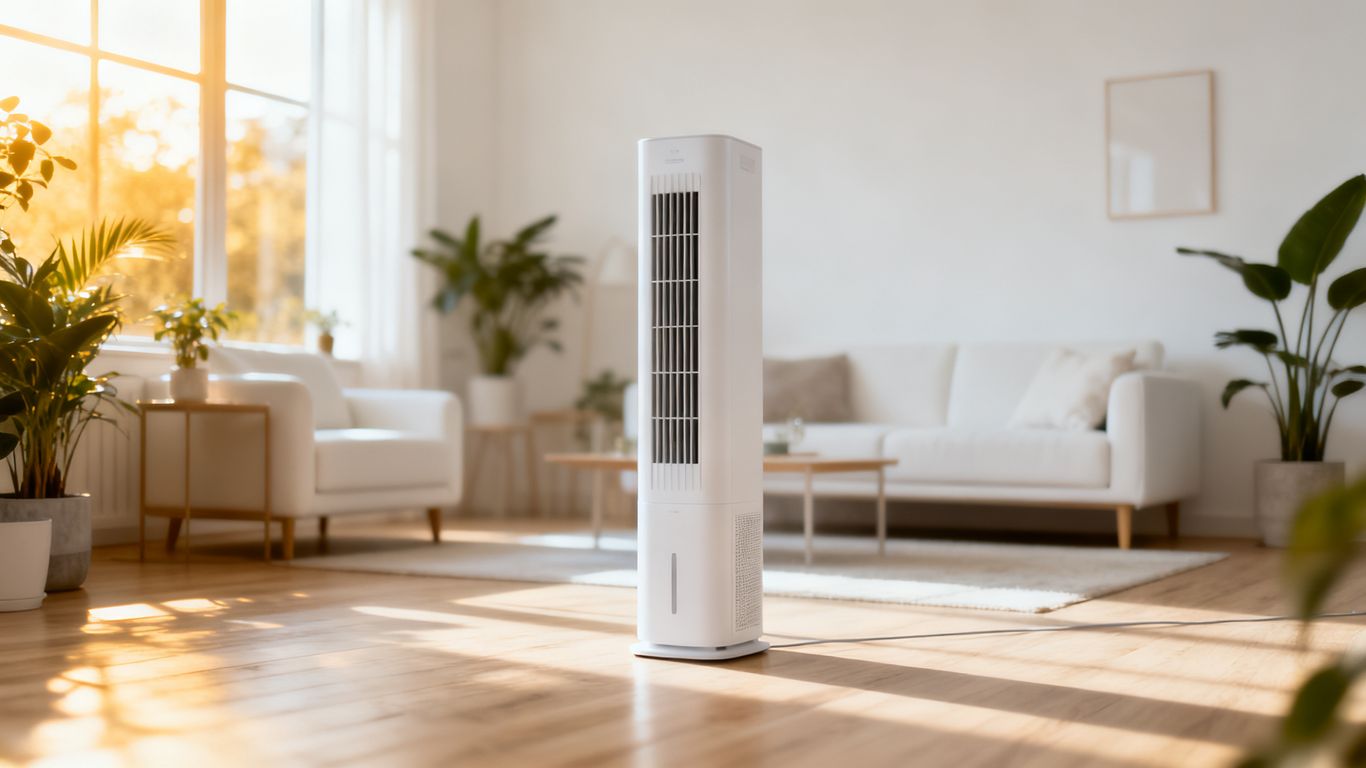
Refrigerant models work by cooling internal coils, which then condense moisture from the air before reheating the air to return it to the room. The Aerofy DualCore 20 utilizes this cycle effectively to manage moisture for residents who prioritize long-term performance and durability in their personal spaces.
Desiccant units for cold environments and crawl spaces
Desiccant technology is ideal for environments where low temperatures would normally cause a standard compressor-based machine to struggle with frosting. These units use a chemical medium rather than a refrigeration loop, making them a niche but important solution for specific, colder parts of your home.
Whole-house integrated systems for central air modification
For those managing large properties, integrated systems provide a centralized approach to humidity control through your existing ventilation network. While efficient, these installations represent a significant investment in permanent hardware that requires professional integration and regular system checkups.
Portable options for targeted moisture control in individual rooms
Many homeowners prefer portable humidistat systems that offer the flexibility to move between bedrooms or home offices. These devices allow you to manage moisture precisely where you need it most, such as in sleeping areas where high humidity often affects air quality and respiratory comfort. We suggest you buy now if you want to immediately stop humidity damaging your internal spaces.
| Dehumidifier Type | Primary Benefit | Best Use Environment |
|---|---|---|
| Refrigerant | High extraction volume | Warm, tropical living areas |
| Desiccant | Works in low heat | Cold basement crawl spaces |
| Whole-house | Centralized automation | Large, open-plan properties |
Selecting the correct hardware for your specific climate ensures that your equipment operates consistently without failing under pressure.
Evaluate essential technical specifications
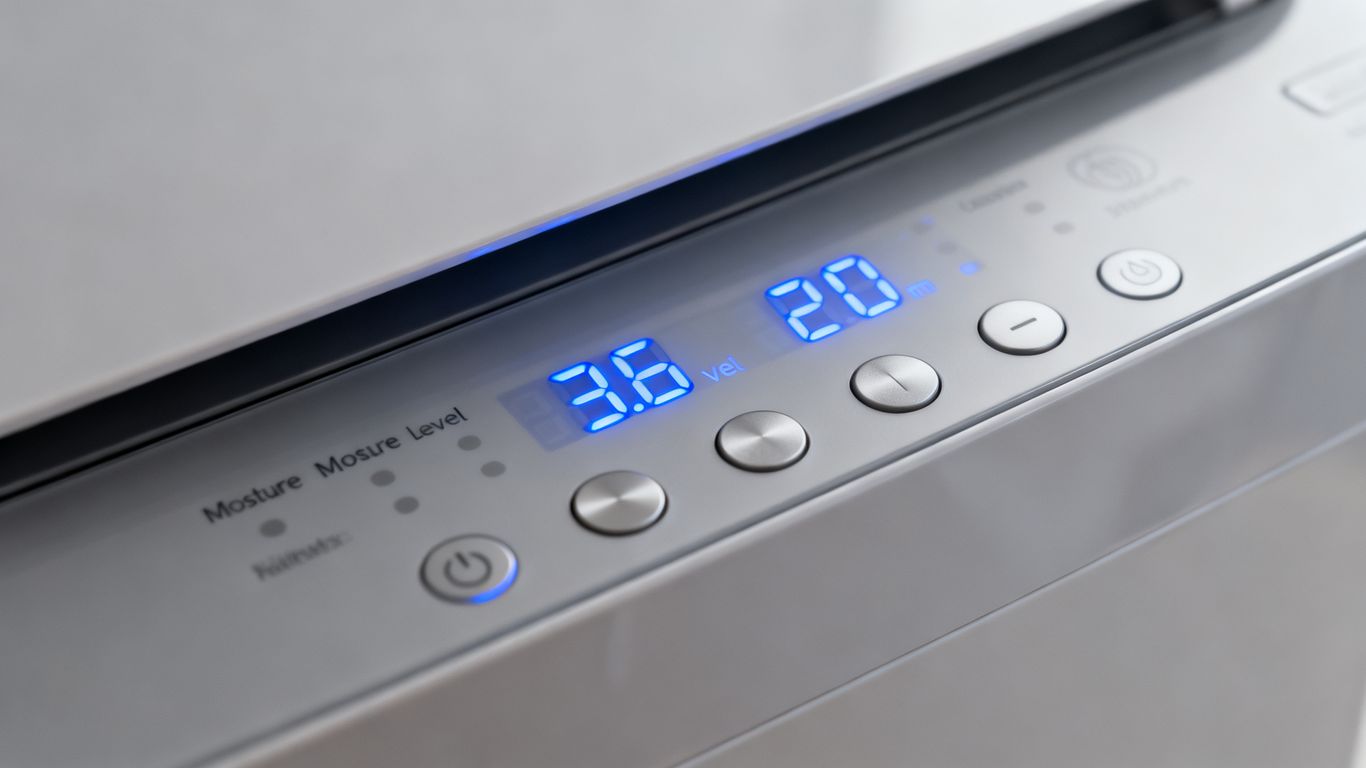
Technical specifications provide a roadmap for how a specific machine will interact with your home’s unique layout and noise limitations. It is helpful to understand metrics like airflow rates and fan speeds, which dictate how quickly it can process the total air volume in your living area.
Reviewing airflow and fan speed capabilities
Airflow is measured by how effectively the unit pulls stagnant air into its intake and pushes out conditioned air across your square footage. A high-quality model will feature adjustable fan speeds so you can trade off between fast initial drying and quieter, long-term maintenance cycles.
Checking decibel ratings for noise-sensitive areas
If you plan to use your machine in a bedroom or home office, the decibel rating is a non-negotiable metric for your comfort. You want to look for a unit that achieves a low sound profile without sacrificing the mechanical throughput required to maintain your target humidity level.
Assessing automatic defrost features for low-temperature operation
Automatic defrost functionality ensures that the cooling coils do not build up ice blocks during intense, continuous operation. This feature is a critical safeguard for the hardware, particularly in environments where temperatures might fluctuate, as it prevents system stalls and ensures consistent performance.
Comparing warranty terms and manufacturer support
Investing in a machine from a manufacturer that stands behind its engineering is essential for peace of mind. Check the length of the warranty and the clarity of support channels, especially if you rely on the device for year-round humidity management in tropical conditions.
Consider convenience and maintenance features
Maintenance is the difference between a machine that lasts for years and one that fails when you need it most. Features that automate the draining process or facilitate easy filter access are vital for modern convenience and long-term reliability.
Comparing internal reservoirs versus external continuous drainage
Most units store captured water in an internal tank that needs frequent emptying, which can become a burdensome chore. For those who prefer a set-and-forget solution, utilizing a continuous gravity-fed drainage hose allows the unit to run indefinitely without the need for manual intervention.
Navigating automatic shut-off and overflow protection sensors
Automatic shut-off functionality is a safety baseline for any device that deals with liquids within an electrical appliance. These sensors detect when the reservoir is at capacity and kill power to the compressor immediately, ensuring that you never return to a water overflow incident.
Simplifying filter cleaning and replacement schedules
Regularly cleaning the air intake filter prevents dust buildup, which protects the motor and maintains optimal airflow across the cooling coils. A unit designed with easy-access filters makes this maintenance chore simple enough to handle in just a few minutes, protecting your investment for the long term.
Utilizing programmable humidistat controls for consistent performance
Having the ability to set a specific target percentage—typically between 40% and 50%—is the most precise way to manage your indoor climate. A programmable humidistat control is the smartest way to ensure the device cycles on and off at the right moments, preventing over-drying while keeping moisture-related issues at bay.
Balance energy efficiency with upfront costs
Calculating the true cost of ownership requires looking beyond the initial ticket price to account for daily energy consumption over several years. High-efficiency models are engineered to operate for longer durations at a lower wattage, which translates into significant savings in regions with high humidity where the unit may run during most of the year.
Interpreting Energy Star certification labels
Energy Star labels help you identify appliances that meet specific, higher standards for efficiency compared to standard, generic units on the market. These certifications typically indicate that the internal components, such as the compressor and fan, are balanced for maximum power output with minimal thermal loss.
Calculating long-term electrical operating expenses
Consider the power draw of any unit you choose, as a machine that saves you money upfront might cost more over time due to high consumption rates. Evaluate the wattage during normal operation, as this will be a direct factor in your monthly electricity costs during periods of high humidity.
Weighing hardware longevity against initial purchase price
Robust, well-engineered chassis and high-quality internal copper coils often justify a higher initial investment by lasting years longer than budget alternatives. Think of this hardware as a protective investment for your home structure, rather than an expendable appliance.
Determining the value of digital versus manual operation interfaces
While manual dials are simple to use, digital interfaces often provide better oversight of current humidity levels and more precise control over target settings. A modern display is easier to read and often includes maintenance reminders that help you stay on top of filter changes without having to check the unit daily.
Conclusion
Selecting the right system for your home depends on understanding how your space interacts with local climate conditions and choosing hardware that balances extraction power with operational efficiency. By prioritizing high-quality, engineered units that are designed for high-humidity environments, you protect your belongings and your health while ensuring long-term comfort.
Frequently Asked Questions
What is the ideal relative humidity level for a home?
For most indoor environments, maintaining a humidity level between 40% and 50% is considered ideal to prevent mold growth while ensuring the air remains comfortable for residents.
Can a dehumidifier replace an air conditioner?
No, these devices serve different purposes; a dehumidifier removes excess moisture from the air to reduce humidity, while an air conditioner focuses on lowering the overall temperature of the space.
How often should I clean the dehumidifier filter?
Most manufacturers recommend cleaning the air filter every two weeks, or more frequently if you have pets or live in particularly dusty areas, to preserve optimal airflow.
Is it harmful to run a dehumidifier 24/7?
Modern models are designed for continuous operation and feature sensors that will turn off the unit once the target humidity level is reached, making 24/7 running safe and efficient.
Where should I place my dehumidifier for best results?
Place the unit in a central location, away from walls and furniture, to allow for unobstructed airflow throughout the room, preferably in an area where moisture is most problematic.
Do dehumidifiers remove airborne pollutants like dust?
While some units have integrated filters that can catch larger particulate matter, standard models focus primarily on moisture, and you would need a true air purifier for comprehensive pollutant removal.
Why is my dehumidifier constantly running without collecting water?
If the unit runs but fails to collect water, it may indicate that the ambient humidity is already at your target level, the air temperature is too low for the compressor to work effectively, or the unit needs a technical inspection.