Key Takeaways
Selecting a high-quality unit ensures efficient moisture control and cleaner air for your living space. Follow these five points to make the right choice:
- Prioritize units with high-grade filtration, such as HEPA filters, for superior particle removal.
- Ensure the pint capacity matches your local humidity levels and room square footage.
- Look for smart connectivity to monitor and manage humidity levels from anywhere.
- Choose systems that offer flexible drainage options like continuous hose connections.
- Perform regular maintenance on filters and water tanks to prevent bacterial growth.
Understanding the 2 in 1 dehumidifier concept
Modern households face dual challenges of excess moisture and airborne pollutants, making integrated devices a popular choice. Transitioning from separate machines to a single unit often saves precious floor space while maintaining similar performance levels.
Difference between standard and multi-function units
Standalone dehumidifiers focus solely on pulling moisture from the air, often through a refrigeration or desiccant cycle. Multi-function models, however, incorporate advanced filtration stages to scrub the air as it passes through the system. This integration means you are not just getting drier air but also air free from lint, dust, and pollen.
Common hybrid combinations like dehumidifier and air purifier
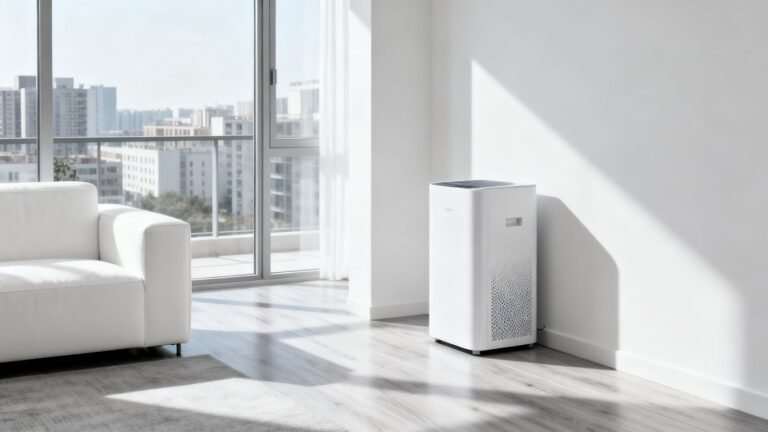
Many homeowners in urban centers rely on a 2-in-1 dehumidifier and air purifier to combat high humidity and fluctuating air quality. By combining these two essential roles, users can effectively prevent the accumulation of mold and dampness while simultaneously reducing indoor allergens. This synergy makes it a versatile tool for creating a healthier indoor climate year-round.
Core engineering principles of integrated systems
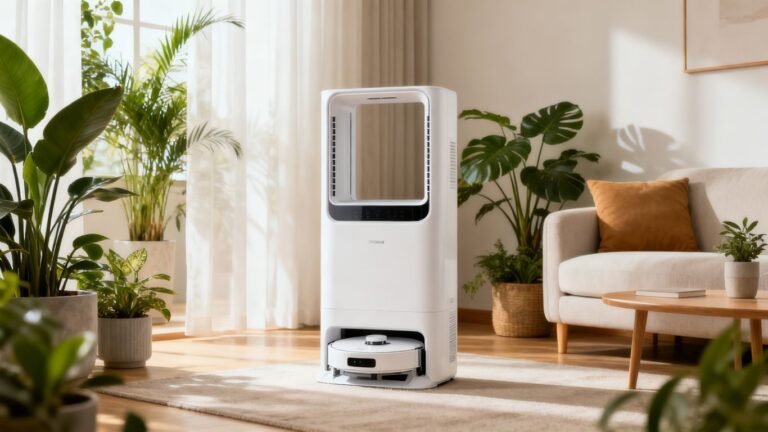
Engineers at Aerofy designed the DualCore 20 specifically for the tropics by balancing airflow dynamics with moisture extraction. By optimizing the R290 refrigerant circuit and the rotary compressor, the unit maintains high performance even when ambient humidity is high. These systems are inherently built for the tropics, ensuring that the machine does not overheat and remains energy efficient under heavy, constant usage.
Key features to look for in a 2 in 1 model
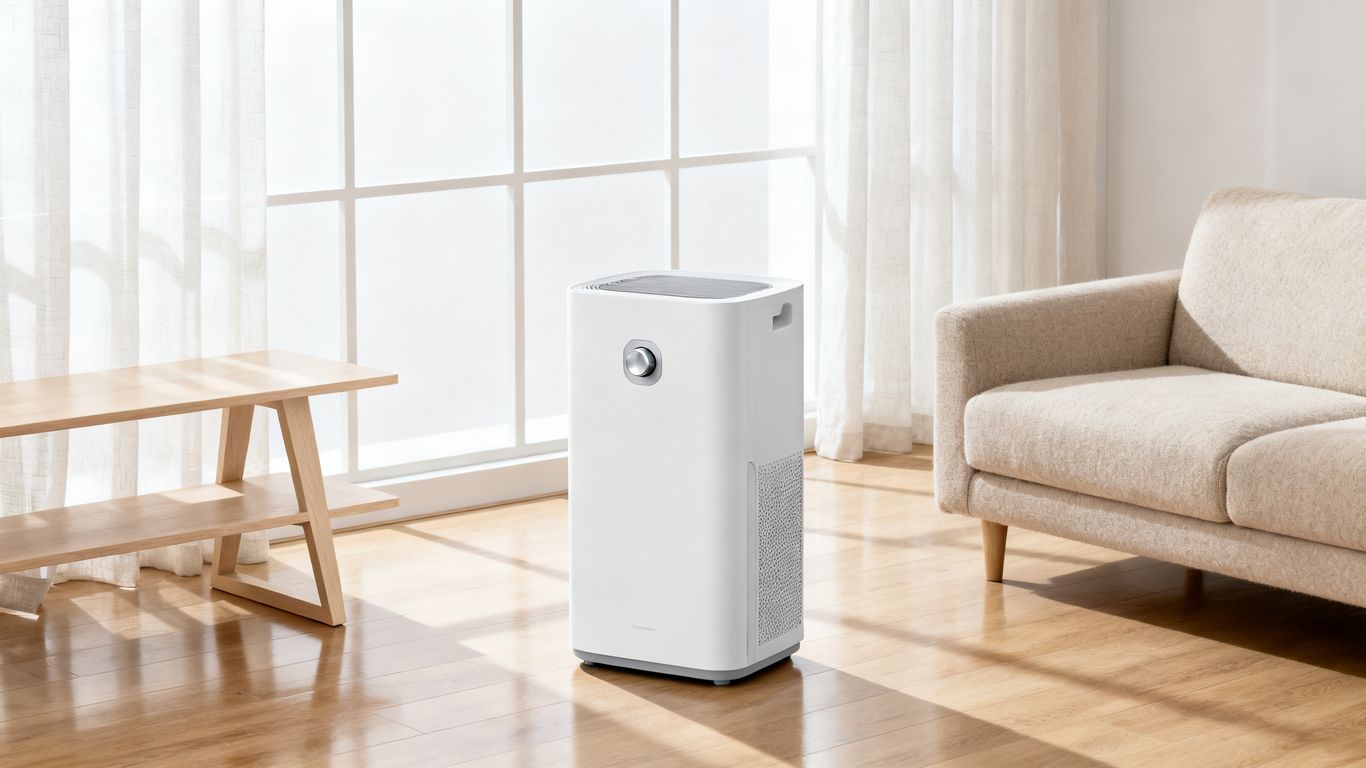
Selecting the right unit requires a look at how well the machine is constructed for long-term reliability. Advanced features differentiate an effective appliance from a basic one by simplifying daily operation and monitoring.
Filtration technology for high-performance air purification
High-end units often utilize multi-stage filters that include mesh pre-filters, HEPA layers, and active carbon. These layers capture particles ranging from large pet dander to minute viral pathogens. When checking specs, ensure the filtration level is rated for your specific health needs.
Smart connectivity and mobile app integration
Smart features allow users to control their indoor climate directly from a smartphone. Being able to check your home’s current humidity or change fan speeds remotely is essential for maintaining comfort when you are away. Some systems even provide real-time air quality data.
Energy efficiency ratings and power-saving modes
Energy consumption is a major factor, especially for units expected to run 24/7. High-efficiency models often feature smart sensors that automatically throttle the motor when target humidity is reached. This prevents the unit from drawing unnecessary energy during low-demand periods.
Reservoir capacity types and continuous drainage options
Mismatching your tank size to your environment can lead to frequent, annoying trips to the sink. The table below outlines how capacity relates to drainage convenience.
| Reservoir Capacity | Recommended Space | Drainage Type |
|---|---|---|
| Small (2-3 Liters) | Compact Bedrooms | Manual Tank |
| Medium (5-8 Liters) | Living Rooms | Continuous Hose |
| Large (10+ Liters) | Basements | Gravity Drain |
Choosing the right capacity ensures you spend more time enjoying clean air and less time maintaining the machine. If you have a drain nearby, prioritize models that offer direct hose ports.
Health and environmental benefits
Excessive indoor humidity creates an ideal environment for biological growth, which can trigger respiratory distress. By keeping environments within a Goldilocks zone of 45% to 55% relative humidity, you create a home that is physically and mentally easier to inhabit.
Reducing proliferation of mold, mildew, and dust mites
Fungal spores and dust mite populations require moisture to thrive and reproduce. By lowering the surrounding dew point, these appliances starve these irritants of the resources they need to colonize your walls, upholstery, and carpets.
Managing indoor allergens effectively
Integrated filtration systems work by trapping microscopic pollutants trapped in the humid air. When purified, the air feels fresher and smells much cleaner, drastically reducing the impact of seasonal or household allergies on all residents.
Improving respiratory comfort in humid and damp climates
Drier, cleaner air is easier on the lungs than damp, heavy air. People suffering from asthma or other respiratory sensitivities often report immediate relief when moving into an environment where humidity is strictly controlled by a top-tier unit.
How to choose the right size for your space
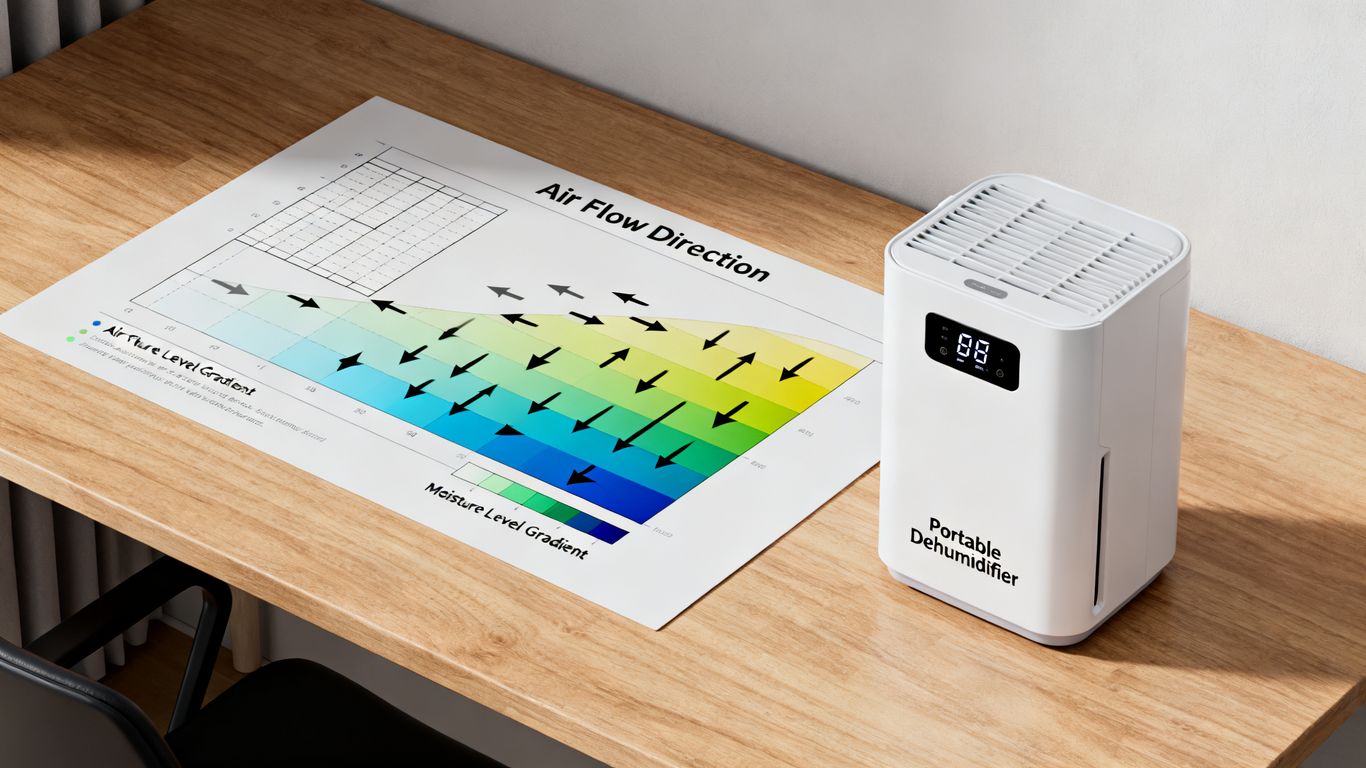
Sizing a machine is often the most critical mistake users make during the purchase process. You need a device that matches the physical volume of your room and the moisture output inside it.
Calculating the pint capacity needed for your environment
You must calculate the capacity by looking at your room size and the degree of dampness. A generally damp basement always requires a higher pint capacity than a bedroom that experiences only occasional condensation. Always err on the side of a larger capacity to ensure the unit doesn’t run continuously.
Understanding room square footage requirements
When determining the size of the unit, keep these factors in mind to ensure your selection remains effective throughout the year:
- Small rooms (under 200 sq ft) typically require 20-30 pint capacity.
- Large, open-concept living spaces need at least 50 pint capacity.
- Extremely damp areas might require a 70+ pint classification for consistent drying.
After assessing your square footage, consider the overall volume of your rooms. High ceilings drastically change the amount of air the machine must cycle through to reduce moisture.
Impact of ceiling height and insulation on unit performance
Rooms with tall ceilings or poor insulation will allow external air to re-enter, making dehumidification slower. In such cases, the unit must work harder, potentially increasing its power usage and noise levels to maintain the same result as it would in a well-sealed room.
Maintenance tips for hybrid appliances
Properly looking after your machine is the only way to ensure it lasts for years. Neglected units often lose efficiency or become a breeding ground for bacteria themselves.
Cleaning frequency for HEPA and pre-filters
Pre-filters should be vacuumed every two weeks to prevent dust build-up. HEPA filters usually indicate their lifespan through a digital sensor, but if you live in high-pollution areas, replace them annually or as soon as airflow decreases.
Sanitizing the internal water collection tank
Even with an auto-off feature, the tank can foster algae if not scrubbed. Use a mild soapy solution to wash the plastic interior every time you empty a full load; this prevents unpleasant smells and microbial growth.
Maintaining exterior air intake and exhaust vents
Use a soft brush or a microfiber cloth to keep vents clear of debris. Clogged intake grills force the motor to consume more electricity and can significantly drop the amount of air the system cycles per hour.
Best practices for seasonal storage
When putting your device into storage, always ensure the tank is bone-dry and the filter has been cleaned. Storing the unit while damp can lead to internal corrosion or mold growth, which will be difficult to clean when you turn the unit back on later.
Common installation and usage mistakes
Placing units in poorly ventilated corners
If you block the air intake, the sensor might detect a false level, causing the machine to short-cycle unnecessarily. Leave at least a foot of clearance around the machine to ensure adequate circulation for moisture extraction.
Ignoring the impact of room temperature on performance
Most units are designed for specific room temperatures, generally between 65°F and 95°F. Below these ranges, the cooling coils may freeze over, significantly reducing the machine’s overall performance level.
Skipping initial humidity level calibration
Always allow the unit to run in "Continuous" mode for the first 24 hours to stabilize the internal sensors. This sets a baseline for your room’s unique environment and helps the master bath remodel area or related living zones stay dry.
Overlooking power cord and circuit load requirements
These systems draw high amounts of power, so avoid using extension cords. A dedicated outlet prevents tripping breakers and ensures the compressor receives a steady, clean power flow as it runs.
💡 Real-World Scenario
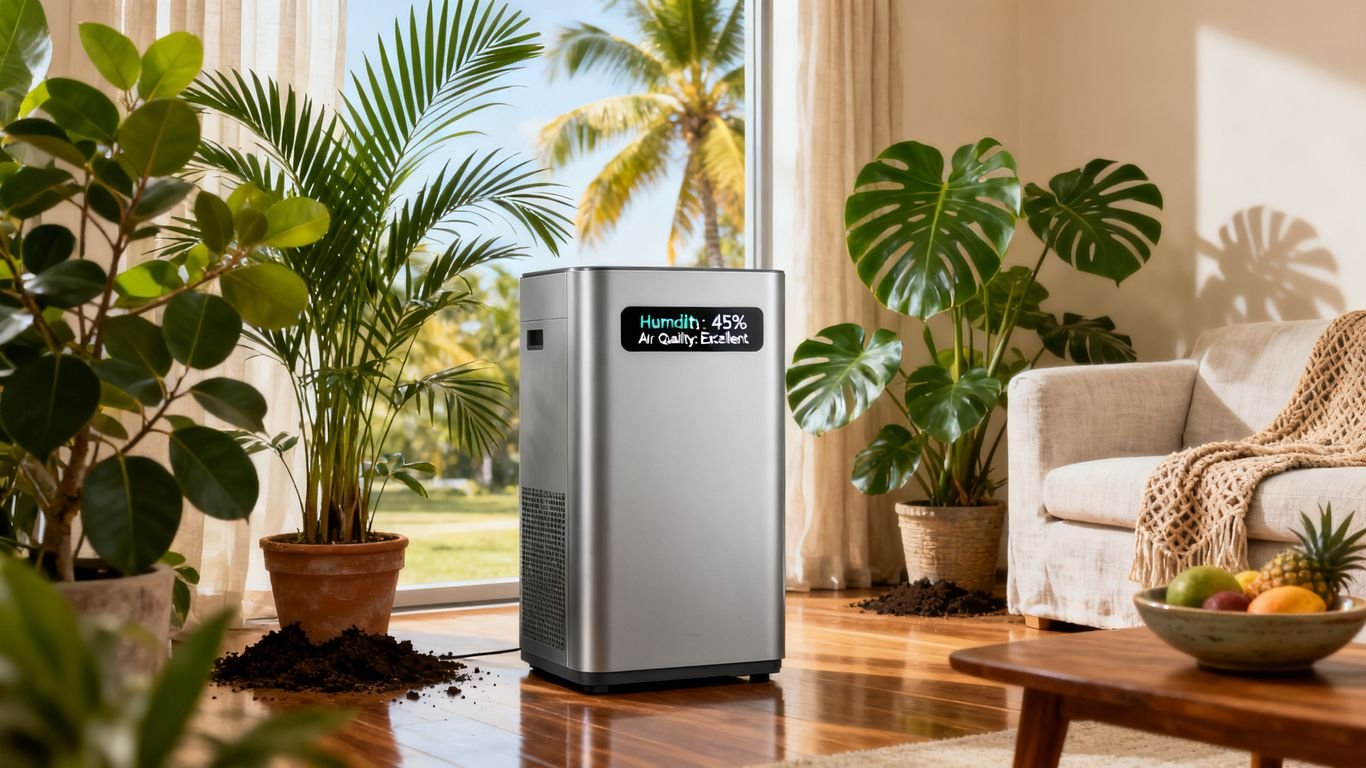
Scenario Time: Imagine you live in a modern apartment where the bathroom wall mirrors constantly fog up after a shower. Even with a good exhaust fan, you feel the moisture lingering in your apartment. You decide to roll your DualCore 20 unit near the bathroom door, let it run on high for an hour, and notice the air quality improve and the moisture vanish.
Conclusion
Investing in a quality hybrid unit transforms your home from a damp-prone space into a controlled sanctuary of comfort and air quality without the clutter of multiple bulky appliances.
Frequently Asked Questions
What is the ideal humidity level for my home?
Most experts recommend keeping your indoor relative humidity between 40% and 55% at all times.
Can I leave my dehumidifier running all night in my bedroom?
Yes, provided the unit has a quiet night mode and a large enough reservoir, it can safely run while you sleep.
Do I need to clean the internal filters if the unit is always on?
You should inspect and clean pre-filters monthly to ensure your device stays energy-efficient and pulls air at maximum capacity.
Will this device replace my air conditioner?
No, these models are built specifically for moisture and air quality, they lack the refrigeration cycle power needed to cool entire rooms properly.
What happens if the water reservoir fills up while I am away?
Modern units include an automatic shut-off feature that halts operations to prevent overflow and potential floor damage.
How often should I check my unit for mold growth?
Perform a visual inspection of the water tank and intake grills every few weeks to catch potential issues early before they spread.
Why does the appliance smell like ozone or burning dust?
This is often caused by dust accumulation on heating elements or the motor, so switch off the device and carefully clean the exterior intake vents.