Key Takeaways
Optimizing your indoor environment requires understanding both the appliance capabilities and the specific moisture challenges of your home. These five points summarize how to effectively manage humidity:
- Match the pint capacity of your unit to your specific square footage.
- Clean internal filters every two weeks to maintain consistent airflow.
- Use continuous drainage setups to avoid the hassle of manual dumping.
- Place your unit away from walls to ensure efficient moisture extraction.
- Monitor humidity levels at 40-50% to prevent mold and structure damage.
Understanding the benefits of portable dehumidifiers
Maintaining the right balance of humidity in your home is vital for both long-term health and the integrity of your property. Managing moisture levels effectively prevents common issues associated with dampness and stale air.
Health impacts and allergen control
High humidity serves as a breeding ground for triggers that affect your respiratory health. When air remains stagnant and damp, mold spores and dust mites flourish, leading to persistent sinus congestion and irritation. Using portable dehumidifiers significantly reduces these triggers, allowing for a cleaner home environment.
Protecting home structures from moisture
Excessive water vapor in the air eventually settles on surfaces such as drywall, hardwood flooring, and furniture, potentially leading to warping or water stains. By stabilizing the environment, you ensure that structural materials retain their integrity for years. Using high-quality Aerofy appliances provides the necessary support to keep these surfaces protected from rot and decay.
Improving general comfort and air quality
Beyond structural protection, there is a tangible increase in personal comfort when you manage humidity levels correctly. When the air is less heavy and sticky, you spend less energy cooling your home, leading to a more efficient and comfortable living space. This is a primary benefit of the DualCore 20 model, which is specifically engineered to handle the demands of challenging tropical climates.
Key features to evaluate before buying
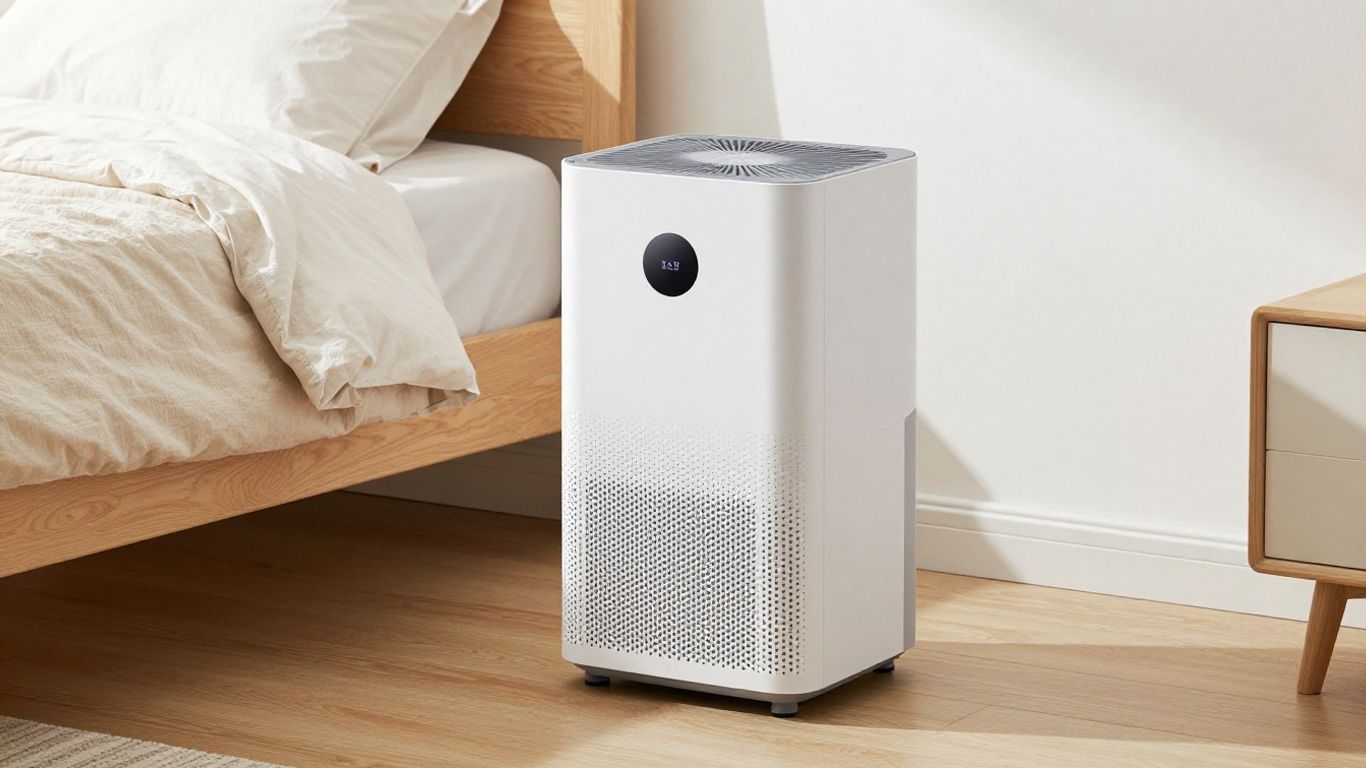
Selecting the right unit requires an objective review of technical specifications against the reality of your individual space. Features should align with the size of your environment and the level of humidity you face regularly.
Moisture removal capacity in pints per day
Capacity is the most critical metric, dictating how much water a unit can pull from the air within a twenty-four-hour cycle. When comparing models, you might consider the following data points to determine the right fit for your layout:
| Unit Size | Ideal Room Type | Daily Capacity |
|---|---|---|
| Compact | Small Bedroom | 20-30 Pints |
| Medium | Large Living Area | 35-50 Pints |
| Large | Fully Finished Basement | 50-70 Pints |
Selecting a unit that is properly sized ensures the compressor does not cycle too frequently, which extends the overall mechanical life of the machine.
Energy efficiency and power consumption
Efficiency ensures that your appliance does not become a financial burden during operation. Look for models utilize modern refrigerant technology to maximize moisture extraction while keeping power usage low. Efficient machines perform reliably without causing unnecessary spikes in your utility bills during long periods of sustained use.
Digital smart controls and integrated sensors
Modern devices offer built-in sensors that automatically adjust output based on real-time humidity fluctuations. These sensors take the guesswork out of maintenance, signaling exactly when the unit detects high moisture levels vs when it should enter a low-power state. This approach to intelligent climate control is essential for modern homeowners who prioritize convenience.
Noise level considerations for living spaces
When units are operated in bedrooms or home offices, decibel ratings become paramount for uninterrupted rest or concentration. High-performance models are engineered to run quietly at night, ensuring your environment remains tranquil. If you are ever worried about tracking inventory or specific appliance units within your maintenance log, you might consider using QR Print Tech labels to clearly identify your hardware.
Determining your room size and square footage requirements
Selecting an appropriately sized unit is the single most important decision for long-term comfort. Under-sizing a unit forces it to work continuously, which leads to overheating and poor moisture control, while over-sizing often results in inefficient, short-cycling operations.
Best units for small bedrooms and home offices
Smaller, confined spaces often suffer from stagnant air and localized moisture buildup. Compact units are perfect here, as they provide sufficient power to clear the air without consuming unnecessary closet or floor space. It is often recommended to use the lightest unit capable of covering the room to ensure mobility.
Scaling performance for basements and large living rooms
Larger spaces, particularly basements with porous concrete walls, require significantly higher extraction capabilities. When dealing with wide-open layouts, you should prioritize units that feature continuous drainage interfaces. This allows the appliance to handle large water volumes without requiring you to manually empty a container multiple times daily. As you look at Santa Fe options for large-scale moisture control, remember to account for the total open-floor square footage of the lower level.
How ceiling height influences your capacity needs
Most homeowners focus solely on floor square footage, but total air volume is influenced by cubic footage. Higher ceilings contain more air mass that requires processing, which often necessitates a step up in pint capacity. A 500-square-foot room with 12-foot ceilings contains significantly more moisture than the same room with standard ceilings. You should include these extra dimensions in your calculation to avoid choosing an underpowered, struggling unit.
Installation and placement best practices
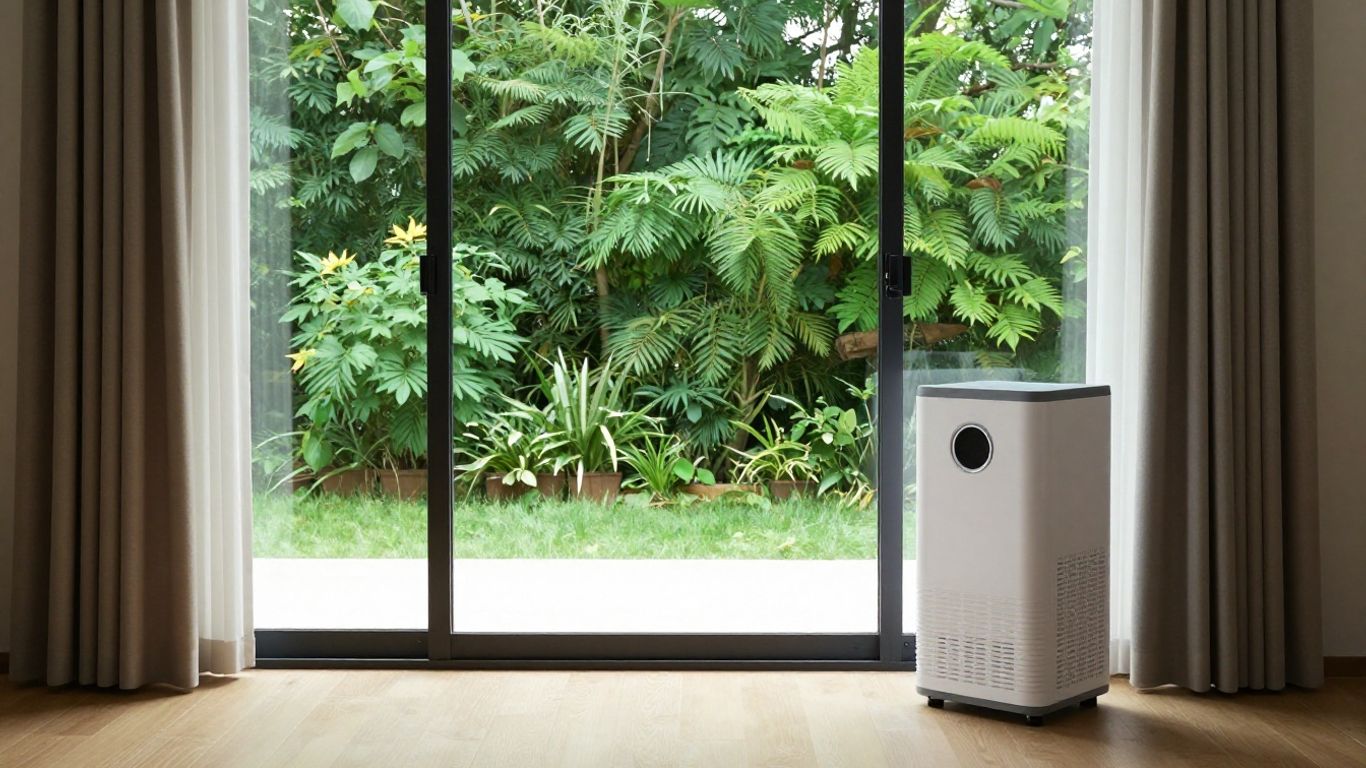
Strategic placement allows your appliance to perform its job with minimal effort. Proper installation is not just about finding a corner to hide the unit; it is about facilitating optimal airflow and drainage to ensure the device operates at maximum efficiency.
Optimizing airflow around the unit for efficiency
Air must circulate freely around the unit for the coils to condense moisture effectively. Obstructing the intake or exhaust vents leads to premature sensor failure and poor performance. For best results, follow these installation rules:
- Maintain at least 12 inches of clearance from all nearby walls.
- Ensure the exhaust path is not pointed directly at heat-generating furniture.
- Position the unit in a central location rather than a tucked-away corner.
- Verify the unit sits on a level floor to ensure the bucket functions correctly.
Following these simple placement rules ensures that your unit draws sufficient air volume for effective condensation without straining the internal hardware.
Choosing between gravity and pump drainage systems
Gravity-fed hoses are excellent for basements where the unit can be placed on a platform to drain into a floor drain or sink. A pump system, by contrast, is necessary if you need to elevate the water to a higher drain point or across a significant distance. While pump systems offer more flexibility, gravity is arguably the more reliable choice over the long term as it has fewer mechanical parts that can potentially fail.
Strategic positioning for balanced moisture extraction
Placing the device in high-risk areas minimizes the time required to lower overall room humidity. Positioning your unit near a damp stairwell or an entryway can stop humidity from spreading by creating a low-moisture barrier.
Maintenance steps for longevity and performance
Consistent upkeep of your equipment prevents unnecessary repairs and ensures that your air quality standards are met year-round. Taking a proactive stance toward filter maintenance and mechanical cleaning preserves your investment and saves energy in the long run.
Regular care is the primary reason why some units last for a decade, while others fail within two seasons. A systematic approach to cleaning will keep your unit in excellent condition.
Regular filter cleaning and replacement schedules
Filters are the first line of defense for the internal coils, trapping dust and debris that would otherwise cause blockage and reduced airflow. Aim to check these every two weeks; in high-dust environments, a more frequent rinse in warm water is essentially required. Replacing the filter annually or as recommended by the manufacturer ensures the air moving through the system remains clear.
Managing and sanitizing the water collection bucket
Stagnant water in the collection bucket can harbor bacteria if not cleaned properly. Every time you empty the bucket, give it a quick wipe with a mild detergent and water solution to prevent slime buildup or odors.
Handling internal coil frosting and defrost cycles
When the ambient temperature drops too low, frost can form on the refrigerated coils, effectively stopping the moisture extraction process. Most modern models have a dedicated defrost mode that runs until the coils are clear. If you find your unit is constantly cycling into defrost, it is likely the room temperature is too cold for the current compressor settings.
Troubleshooting common issues
Interpreting warning lights and error codes
Scenario Time: Imagine you walk into your home office on a Tuesday morning, and the dehumidifier display is flashing a strange ‘E3’ code you have never seen before. Rather than panicking, check the manual specifically for that code, as it usually signals a simple issue like a disconnected bucket or a sensor error. Following the manual provided by the manufacturer is the best way to decode these error messages quickly.
Identifying and sealing drainage leaks
Leaks at the hose attachment point indicate that the adapter may have loosened over time. Check the seal between the unit and the hose periodically to ensure no water is pooling on the floor. A tight fit prevents the internal safety float from incorrectly triggering a ‘full bucket’ signal when the water is actually leaking elsewhere.
Recognizing when a unit requires professional repair
Internal noises that sound like grinding or high-pitched squealing often point to a failing compressor or internal fan motor. If the unit continues to run but refuses to collect any water despite a high humidity level, the refrigerant system may be compromised. In these cases, it is often more cost-effective to replace the unit than to pay for intensive labor-based repairs that may not yield long-term results.
Conclusion
Investing in a quality system pays off through lower energy costs and a much healthier home environment in the long run. By thoughtfully matching your unit’s capacity to the requirements of your space and keeping up with the recurring maintenance tasks, you effectively guarantee that your home environment remains dry, comfortable, and protected against the long-term impacts of excess humidity.
Frequently Asked Questions
Should I leave my dehumidifier running all day?
It is generally recommended to keep the unit running until the target humidity level is achieved, at which point the internal humidistat will cycle the compressor off to save energy.
Does high humidity cause furniture to warp?
Yes, wood products absorb excess moisture over time, which often results in swelling, bowing, and structural weakness within your furniture pieces.
Is a lower humidity level always better?
Keeping humidity between 40-50% is ideal; setting it significantly lower can lead to overly dry air, which causes irritation to your skin and eyes.
Can a dehumidifier replace an air purifier?
These units serve distinct roles; a dehumidifier removes moisture to stop mold and dust mites, while an air purifier targets airborne pollutants like pollen using mechanical filtration.
Why does my dehumidifier make so much noise?
Noise levels are often linked to the fan speed and compressor activity; placing the unit on a level surface away from hard walls can significantly reduce vibration and echoes.
Does my home need a continuous drainage hose?
If you live in a chronically humid climate where the unit fills its bucket multiple times a day, a drainage hose is a massive convenience that removes daily effort.
Should I clean the dehumidifier coils?
Dust and lint buildup on the coils reduces efficiency, so you should gently vacuum the external intake grids regularly to keep the air flowing correctly.