Key Takeaways
Understanding your home’s moisture level is the first step toward improving indoor quality. These are the main points regarding climate control:
- Humidifiers add water vapor to fight dry air conditions.
- Dehumidifiers extract excess moisture to prevent mold and musty odors.
- Ideal indoor humidity for most homes stays between 30% and 50%.
- Choosing the right system often depends on regional climate constraints.
- Dual-function devices offer space-saving options for high-humidity environments.
Understanding the core differences
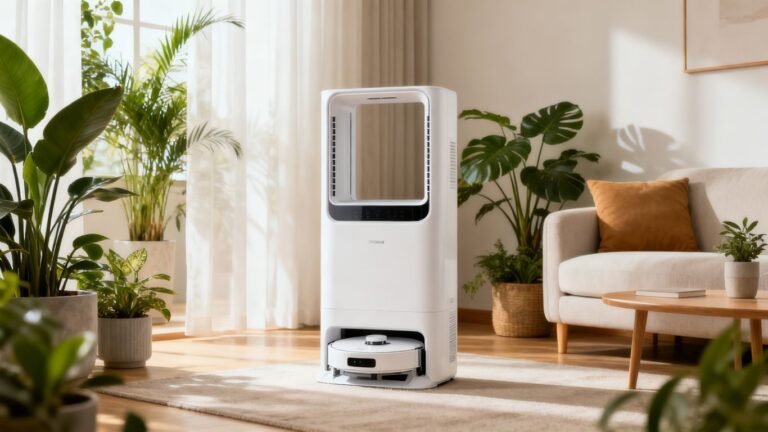
Managing indoor climate requires knowing whether your air is too arid or too damp, as the two extremes demand opposite technological approaches. While a humidifier introduces moisture when the air becomes uncomfortably dry, a dehumidifier is designed to pull excess water from the air to stabilize the environment during muggy stretches. Residents looking to manage complex air quality challenges might find that some specialized tools, such as the DualCore 20, effectively integrate moisture regulation with air purification to simplify home maintenance.
How a humidifier adds moisture
Humidifiers use internal mechanics like ultrasonic vibrations or heat-based evaporation to turn liquid water into a fine mist or vapor. This vapor disperses into the room, raising the total water content of the air and effectively reducing the static electricity and irritation that often accompany low humidity levels found in heated winter homes.
How a dehumidifier removes moisture
Dehumidifiers draw air over cold coils where water vapor transitions into liquid droplets that are then collected in a reservoir or drained away. This process is essential for maintaining dry, healthy spaces, especially in tropical regions where high humidity is constant. You can learn more about the distinct advantages these appliances offer for your living space by reading about the differences between these appliances.
Measuring relative humidity levels
Relative humidity is a percentage comparison between the amount of actual water vapor in the air and the total it could hold at that current temperature. Monitoring this metric is vital to ensure you are not under- or over-treating your home, as the air’s capacity to hold water changes drastically with seasonal temperature shifts.
Key physical differences in equipment design
Design choices prioritize efficiency, drainage capacity, and airflow for each device segment. Understanding these distinctions helps homeowners select equipment that fits their specific environment, as seen in this comparison:
| Feature | Humidifiers | Dehumidifiers |
|---|---|---|
| Primary Tank | Removable for filling | Collection bucket or drain |
| Intake Focus | Air moisture injection | Moisture extraction condensation |
| Ideal Location | Near heating sources | Central damp areas |
Selecting the right system requires matching the physical design of the unit to your room’s specific square footage and ventilation patterns. Taking the time to evaluate these technical design aspects ensures you avoid inefficient or oversized appliances for your living environment.
Recognizing signs of dry air

Dry air can quickly manifest in ways that impact both your physical health and your domestic belongings. When the humidity drops significantly, the environment creates a persistent drain on moisture from everything it touches, leading to a range of common household issues.
Physical symptoms like dry skin and chapped lips
When ambient humidity is too low, the body struggles to retain moisture in the dermis, resulting in tight, itchy skin and dry lips. This effect is often magnified in heated homes during winter or in arid locations where the surrounding air constantly leeches internal water vapor from the skin surface.
Respiratory issues and sinus congestion
Low moisture levels dry out the mucous membranes in the nasal passage and throat, leaving the body vulnerable to irritation and discomfort. This lack of lubrication impacts how well the body filters out particles, often leading to heightened sinus congestion and discomfort during the dry seasons.
Structural damage to wooden furniture and flooring
Natural materials like wood require a stable moisture level to maintain their form and structural integrity. Persistent dryness causes wood fibers to contract, which leads to shrinking, splintering, or even cracking of structural flooring and beloved antique furniture.
Increased susceptibility to airborne viruses
Research indicates that viruses often survive longer and travel more effectively in air characterized by low humidity. Maintaining a stable moisture balance is a protective layer for your household, as consistent air quality helps to reduce the survival rate of viruses circulating in your indoor spaces.
Recognizing signs of excess moisture
Excessive ambient dampness creates a distinct set of problems that can compromise both the structural integrity of a building and the health of its occupants. Detecting these early signs allows for rapid intervention before damage becomes difficult or expensive to repair.
Mold, mildew, and musty odors
Biological growth thrives when relative humidity regularly climbs above the 60% mark. Musty smells are often the first warning sign that colonies are forming in hidden areas like closets or behind drywall, and they usually demand immediate attention to ensure clean air circulation.
Condensation on windows and cold surfaces
When warm, damp indoor air encounters cold glass or metal, it releases its moisture content as visible liquid water. This regular accumulation of condensation creates a persistent cycle of dampness that encourages the rapid spread of spores throughout the localized area.
Visible water stains on walls or ceilings
Saturating moisture can seep deep into porous materials, leading to discolored patches or peeling paint on your interior surfaces. These stains typically indicate an ongoing humidity issue that requires either source control or active machine intervention to dry out the building materials.
Pest problems linked to damp environments
Certain insects and pests are highly attracted to damp, cool environments where the hydration levels remain consistently high. Eliminating moisture sources is often the best preventative measure against these uninvited guests in your kitchen or basement area.
Assessing ideal indoor humidity levels
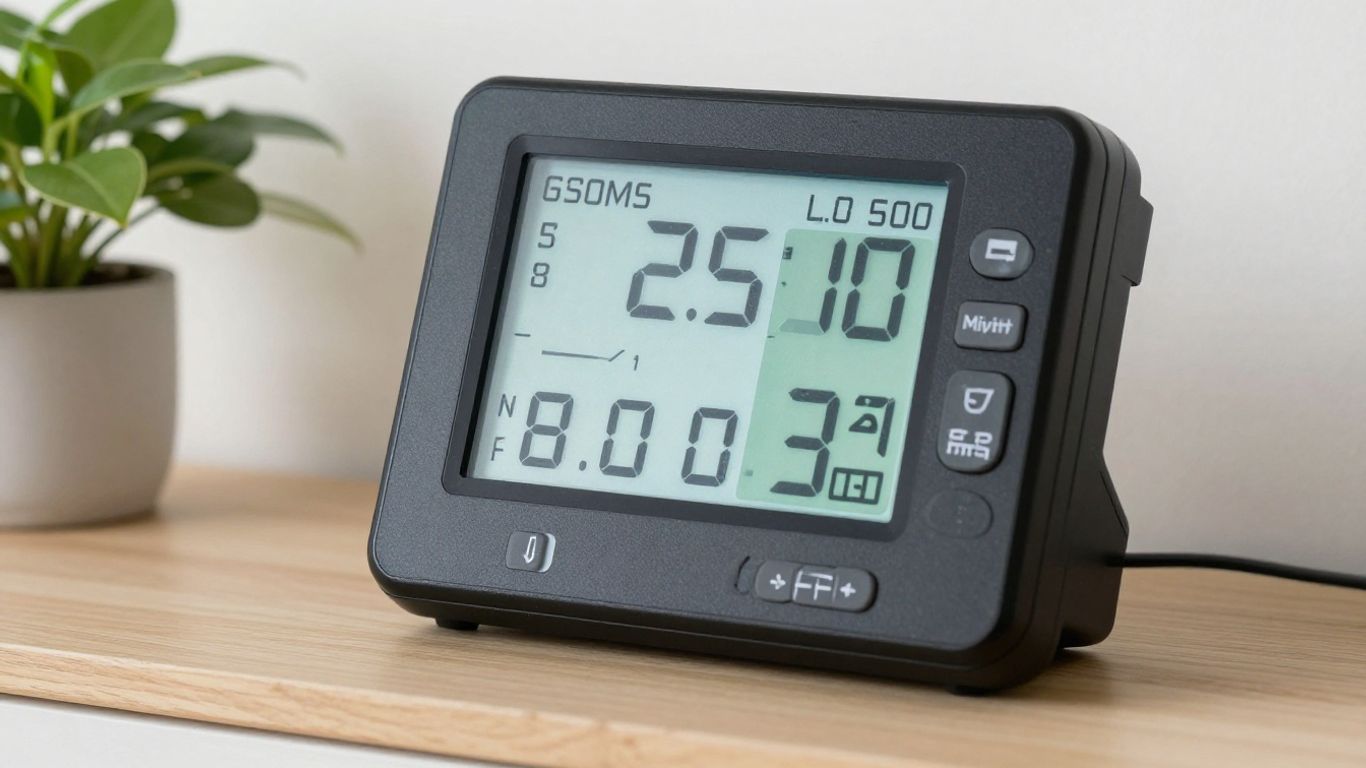
Finding the sweet spot for your home air involves balancing your personal comfort needs with the physical requirements of your building and belongings. Most experts and health organizations agree that a narrow window provides the best protection for your property and your respiratory system.
Recommended percentage range for home health
Maintaining your indoor relative humidity levels between 30% and 50% is generally recommended for optimal human health and comfort. This range is wide enough to be manageable with standard equipment, yet narrow enough to keep pathogens and allergens in check during sensitive times of the year.
How seasonal changes impact humidity needs
Seasonality often forces a rapid shift between needing dry air management and wet air management within the same year. Adapting your strategy to the seasons is critical, as a winter home might require a boost, while the same home may need aggressive extraction during a humid summer.
Using hygrometers to monitor ambient air
Because the human body is not a reliable gauge for precision humidity, using a hygrometer is the most accurate way to monitor your current atmosphere. These devices take the guesswork out of your climate control strategy, providing objective data that tells you exactly when to turn your device on or off.
Balancing personal comfort against energy efficiency
Achieving the right balance means you can spend less on climate control while still keeping your air at a level that feels crisp and clean. You must weigh the power usage of your unit against the comfort gains, opting for efficient engineering that keeps bills low while managing humidity continuously.
Choosing the best device for your lifestyle
Selecting equipment that matches your actual home usage patterns is the difference between a set-it-and-forget-it solution and a constant maintenance headache. Whether you prioritize quiet operation for your home office or high-capacity extraction for a damp basement, the right device should integrate seamlessly into your routine.
Room size and square footage requirements
Always ensure the PPD (pints per day) rating or the reservoir size of your device matches the dimensions of your room. An undersized unit will run non-stop, failing to ever reach your target humidity, whereas an oversized unit will cycle too frequently, increasing wear on the mechanical parts.
Maintenance and cleaning frequency for different models
Filter health and water tank hygiene are non-negotiable aspects of any climate control system. Models with accessible components or those with integrated filtration systems often lead to more consistent performance, as they encourage regular cleaning by the user.
Noise level considerations for bedrooms and offices
Sound output is a major factor if your device is intended for frequent use in quiet zones during the day or night. Advanced units utilize rotary compressors and dampened casings to ensure that their powerful performance does not disrupt your focus or sleep cycles.
Energy consumption and long-term operational costs
When investing in climate control, the upfront price is only one part of the equation; consider the energy draw needed to maintain your target humidity over several years. High-efficiency engineering pays off in the long run by reducing the load on your electrical grid and lowering monthly utility costs.
Troubleshooting common climate control issues
Effective climate management sometimes hits a snag, whether it is due to external weather spikes or internal structural failures that keep humidity too high or too low. Troubleshooting effectively involves tracking down the root cause rather than simply masking the symptoms with more machine runtime.
Finding the source of unexpected humidity fluctuations
If your levels are spiking without an obvious reason, look for leaks around doors, windows, and pipes that might be bringing in outside air. Frequent humidity changes often indicate a compromised seal, which allows the external climate to override your interior efforts.
Improving home insulation for better atmosphere regulation
Better insulation acts as a buffer between your climate-controlled interior and the unpredictable outdoors. Increasing the thermal break of your home helps your units maintain stable moisture ranges with less effort, which ultimately extends the life of your appliances.
Using natural ventilation alongside mechanical devices
Even with top-of-the-line appliances, fresh air acts as a critical reset for indoor air hygiene. Opening windows during the driest or coolest points of the day can help clear air more effectively than mechanical filtration alone, provided the exterior air is actually beneficial to your needs.
Addressing recurring mold despite active dehumidification
If mold continues to appear while your device is running, you may have hidden water intrusion issues like leaking behind walls or insufficient airflow in corners. You may also need to upgrade to a more capable system that combines moisture extraction with improved air movement to ensure no pockets of damp air remain untreated.
Conclusion
Selecting the right climate control solutions allows you to master your indoor environment, protecting both your health and your living space from the extremes of humidity. By identifying the specific needs of your home and utilizing effective equipment tailored to those conditions, you can enjoy a more comfortable living environment year-round while avoiding the damage associated with both excess dampness and chronic dryness.
Frequently Asked Questions
Can you use a humidifier and dehumidifier at the same time?
Using both at the same time is generally counterproductive, as they will fight each other and result in excessive energy use. You should focus on one goal—either adding or removing moisture—based on the current readings provided by your hygrometer.
How often should I clean my climate control machine?
Regular maintenance is crucial for optimal performance, so plan to clean the water tanks and replace or vacuum filters at least every two weeks. If the unit is used in a particularly damp or dusty environment, increase the frequency to ensure that no bacteria or debris build up inside the system.
Does high humidity affect sleep quality?
Yes, high humidity can make a room feel heavy and stifling, which often disrupts deep sleep cycles. Regulating the moisture level to the recommended 30-50% range helps create a neutral temperature environment that is more conducive to resting well throughout the night.
What happens if I keep my home too dry?
Maintaining the air below 30% humidity can lead to irritated sinuses, persistent coughing, and aggravated skin conditions like eczema. Over time, it also causes wood furniture to shrink or crack and may lead to increased static electricity throughout your home.
Do houseplants affect indoor humidity significantly?
Houseplants release moisture through transpiration, which acts as a very mild, natural humidifier. While they improve the aesthetic of your home, they are rarely sufficient to counteract severe dryness, so you will still need mechanical appliances for significant moisture adjustment.
Is it normal for a dehumidifier to produce warm air?
Yes, this is a standard byproduct of the dehumidification process as the device cools the moist air to extract water. The warming effect occurs because the condenser coils release heat back into the room as part of the thermodynamic cycle needed for the water condensation phase.
Are there specific energy-saving modes I should look for?
Modern devices often feature smart sensors that automatically shut off the compressor once a specific humidity threshold is reached. Look for units that include these intelligent monitoring features, as they help prevent unnecessary energy consumption by keeping the device in standby until the humidity level rises again.