Key Takeaways
Selecting an efficient appliance requires balancing core performance metrics with intelligent features designed for long-term power savings. By understanding these technical factors, you can create a healthier living space while managing utility costs effectively.
- Prioritize units that provide tangible energy efficiency certifications to ensure reduced consumption over time.
- Size your appliance appropriately for your room dimensions rather than defaulting to the largest capacity available.
- Utilize smart features like variable fan speeds to match power output to real-time humidity fluctuations.
- Follow a strict maintenance schedule to prevent the wear that forces your unit to cycle more frequently.
- Position units in open spaces away from heat sources to decrease the workload on internal cooling systems.
Understanding energy efficiency ratings in dehumidifiers
Efficiency ratings act as a blueprint for long-term utility expense forecasting, helping homeowners identify which units will provide consistent results without unnecessary power spikes. Beyond just looking at the sticker, analyzing how these ratings translate to daily operation is essential for users residing in consistently damp environments.
Decoding ENERGY STAR certification
ENERGY STAR certified dehumidifiers represent a clear baseline for energy performance. These units are tested to operate with significantly higher efficiency than traditional models, often reducing the electricity required for moisture extraction while maintaining effective humidity control. By opting for certified hardware, you minimize the long-term cost of running an essential home machine.
The role of integrated humidistats
Precision control is a hallmark of efficient hardware, and the integrated humidistats found in modern units provide exactly that. Instead of running continuously regardless of air conditions, the unit periodically senses ambient humidity and adjusts its duty cycle. This prevents the motor from consuming power when levels are already within the optimal range for home comfort.
Comparing wattage versus moisture removal rates
The relationship between power consumption and output should always be the primary point of consideration when shopping. Below is a comparison of typical operating metrics for high-efficiency versus legacy technology.
| Efficiency Level | Power Usage (W) | Moisture Removal (L/day) | Energy Cost/yr |
|---|---|---|---|
| High-Efficiency | 280 | 20 | Low |
| Mid-Range | 450 | 20 | Moderate |
| Conventional | 700 | 18 | High |
Selecting a unit that maximizes water removal while keeping total wattage low ensures that you are choosing the right dehumidifier for a sustainable household footprint.
Key features that drive energy savings
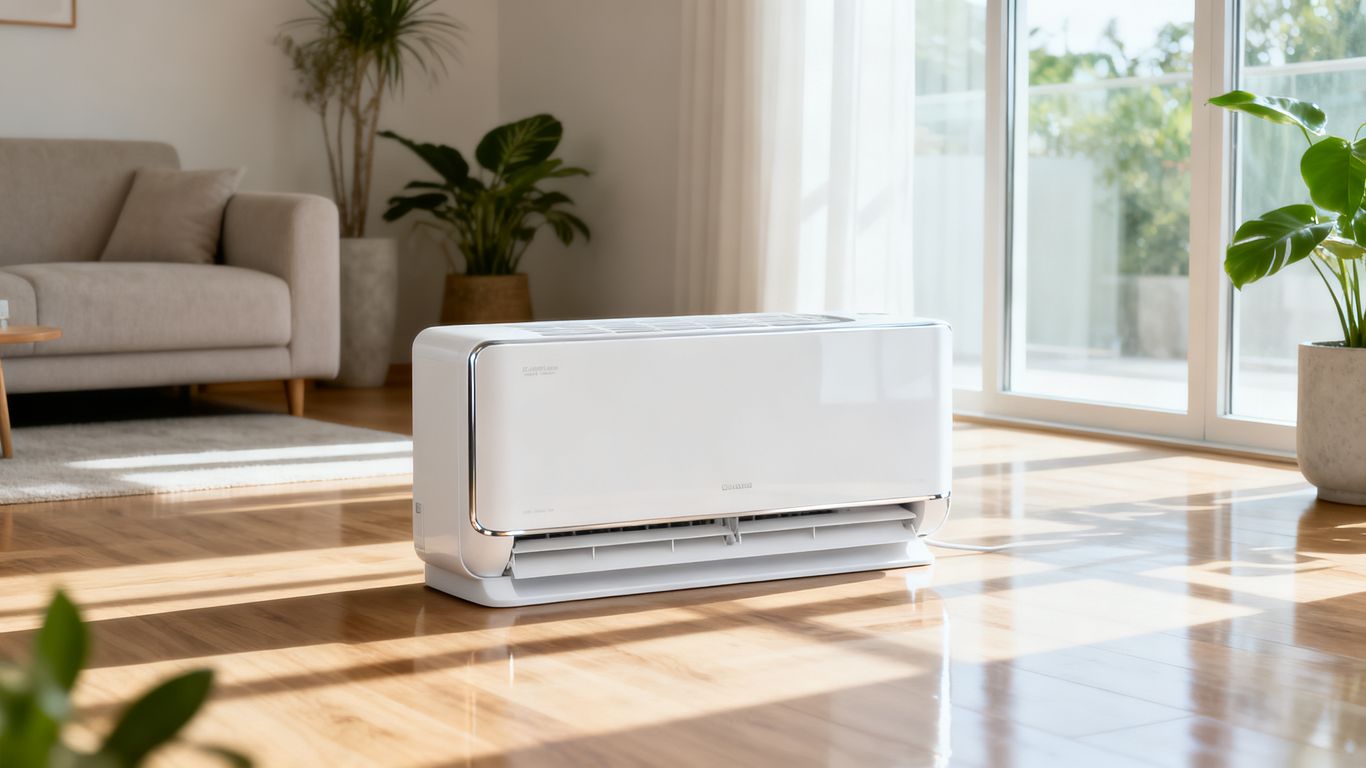
Advanced features allow modern appliances to operate as intended, even in complex or changing room environments. These additions reduce the stress on internal components, ultimately extending the functional life of your hardware and lowering total energy throughput.
Automatic shut-off and restart functions
Reliability through automation is a core benefit for homeowners looking to save on energy. When a tank fills or a target humidity is reached, an automatic shut-off cycle halts power consumption immediately. The restart function ensures that the unit returns to active operation only when necessary, avoiding the waste associated with manual resets.
Variable fan speeds and climate modes
When you use variable fan speed settings correctly, you significantly impact the power draw of the unit. The Aerofy DualCore 20 allows you to dial in performance, using lower speeds for night-time comfort and higher speeds for rapid drying after a rainstorm. This flexibility ensures you don’t over-process the air.
Real-time energy monitoring technology
Modern interfaces allow users to visualize their efficiency metrics instantly. By observing real-time energy usage, you gain insight into how room temperature and moisture levels influence your electricity bills. This empowers you to modify settings or relocate the unit based on data rather than guessing, a process that improves the usability of your appliance over its entire lifespan.
Sizing your dehumidifier correctly
Matching capacity to your environment is perhaps the single most important factor for reducing load. An underpowered unit works continuously without result, while an overpowered one experiences excessive start-stop cycling that wears down internal mechanical parts faster than necessary.
Assessing the square footage of your space
Calculating total volume is essential, but it is equally vital to understand your local climate conditions. For those who need to combat moisture levels in small or medium rooms, finding the appropriate "pints per day" rating ensures the compressor isn’t running perpetually.
Factoring in basement and crawl space conditions
Basements often experience unique moisture seepage that standard living spaces do not. Using a device designed for the specific pressures of these environments—such as the Aerofy DualCore 20—prevents the buildup that often leads to mold infestations. These environments require a higher extraction capacity but demand superior dehumidification efficiency to be truly cost-effective.
Why an oversized unit contributes to energy waste
A large unit that cycles on and off too quickly fails to dehumidify the air evenly while spiking energy usage at every activation. Maintaining an honest evaluation of your household requirements helps you select a machine that reaches targets steadily. Proper sizing is the key to achieving professional results without the high costs associated with industrial-grade equipment.
Types of energy efficient technologies
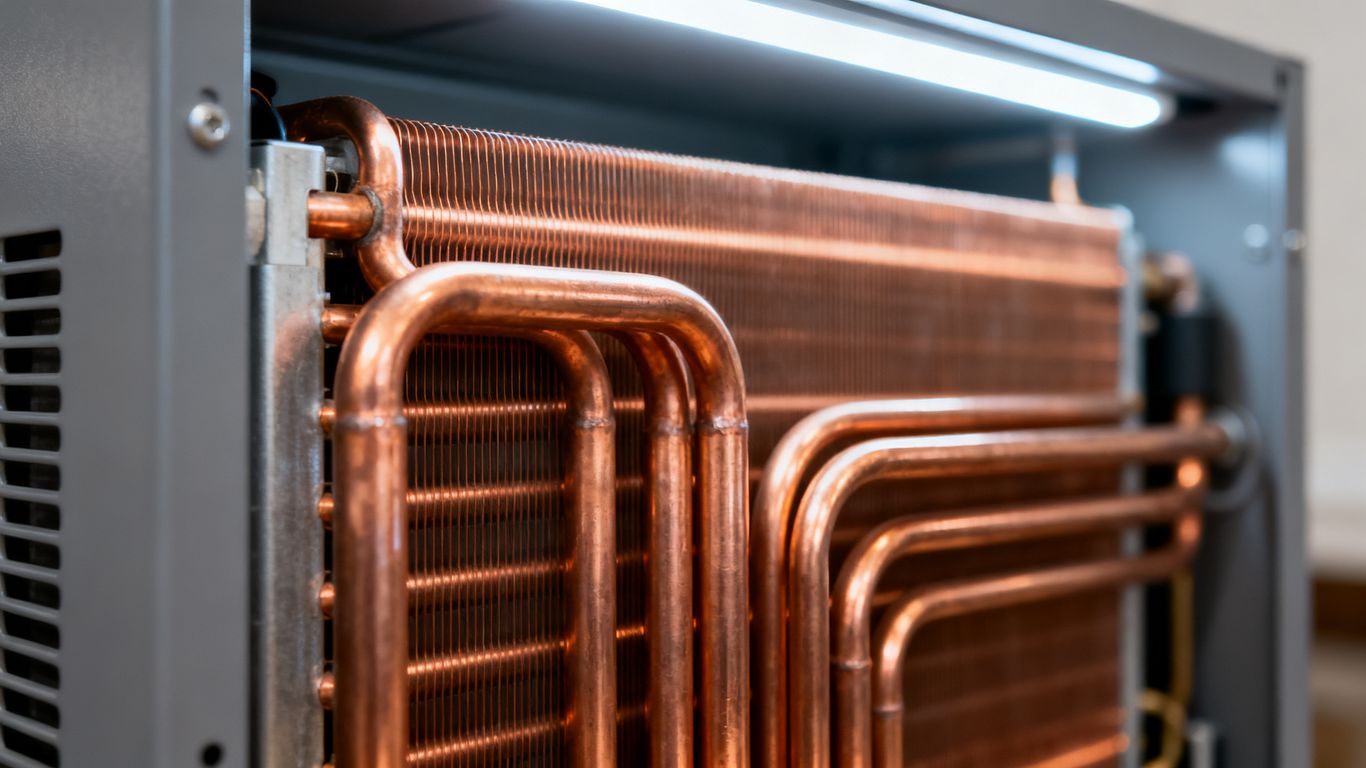
Different technologies cater to different environments, ranging from cold storage areas to standard family living rooms. Selecting the correct underlying mechanism for your specific home layout is the first step toward reducing your monthly utility bill.
Refrigerant versus desiccant models
Refrigerant models, which rely on a compressor, are generally the most efficient for home use in warm climates. Conversely, desiccant models function well in cooler environments but often use more electricity. For most residents focused on maintaining optimal humidity levels, a reliable compressor-based system is the standard for long-term savings.
Heat pump integration in modern units
Integrating a heat pump into the design significantly improves moisture removal per watt. The Aerofy DualCore 20 utilizes advanced thermodynamic cycles that allow it to operate efficiently, ensuring that heat generated during the drying process doesn’t counteract your home’s air conditioning efforts.
Determining the best type for your climate
- Evaluate if you need persistent, 24-hour moisture control.
- Identify if your space frequently drops below 15 degrees Celsius.
- Assess the total volume of air needing treatment.
- Choose a unit that balances raw capacity with low power operation.
Following these steps allows you to tailor your purchase to your home’s unique geographic and structural layout.
Best maintenance practices for peak performance
Consistent care is not just about cleanliness; it is about ensuring that the device operates at peak design parameters. A neglected unit will force its compressor to work harder, directly impacting its efficiency and energy consumption.
Cleaning and replacing air filters
Air quality depends on intake, and obstructed filters restrict airflow, requiring the system to expend more energy to achieve the same result. Regular cleaning sessions ensure the Aerofy DualCore 20 continues to provide both dehumidification and purification without strain. If you are struggling with skin concerns or allergies, consulting with Evercare Wellness & Aesthetics might broaden your perspective on the role of clean indoor environments.
Keeping internal coils free of dust and debris
Internal coils act as the engine for condensation, and if they are covered in dust, heat transfer efficiency drops significantly. Ensuring your machine stays clear of internal buildup is as vital as choosing an air purifier for maintaining pure, dry air. A clear coil is a cool-running coil.
Proper drainage setups versus tank emptying
Gravity-fed drainage or high-quality pump integration prevents the unit from stopping prematurely when the collection tank hits capacity. Efficiency drops whenever an appliance reaches a limit, so continuous drainage solutions keep your device running steadily and smoothly throughout the hottest months.
Strategic placement for maximum efficiency
Strategic placement directly affects how quickly a unit reaches its desired set-point. If a unit is blocked, it spends more energy recirculating already dry air rather than pulling fresh, humid air from the rest of the room.
Maintaining optimal airflow around the unit
Clearance is critical for effective energy use. Keeping at least 30 centimeters of space around all intake and exhaust vents ensures that the compressor isn’t working against localized backpressure.
Avoiding proximity to ambient heat sources
Placing your device near a radiator or under direct sunlight forces the cooling system to overcompensate. Your unit should be placed away from these areas to ensure that ambient conditions reflect the true climate of the room, preventing the unnecessary running of the machine near heat sources.
Managing humidity levels throughout the home
Centralized placement or moving the unit to high-traffic damp areas, like a laundry space, provides better overall air health. If you are ready to improve your environment, you can buy a unit designed for efficiency today by visiting our shop.
Conclusion
Optimizing your home’s moisture control doesn’t require complex engineering, but it does demand a thoughtful approach to appliance selection and maintenance. By prioritizing energy-efficient technologies and keeping your system well-positioned, you ensure a drier, healthier living space while keeping your utility bills manageable year-round.
Frequently Asked Questions
Does a dehumidifier replace the need for an AC unit?
No, these devices serve different roles; while an AC cools the air, a dehumidifier specifically removes excess moisture, and they are best used in tandem when total climate control is needed.
Will running a dehumidifier make my room hotter?
Most units discharge a small amount of warm air during operation, but modern designs are engineered to minimize this effect, typically making the room feel drier rather than noticeably warmer.
How often should I check the water tank?
If you are not using a continuous drainage system, check the tank daily if the humidity in your home is high, as an overflowing tank can lead to water damage.
Can I run my dehumidifier at night?
Yes, many modern units feature a quiet night mode specifically designed for bedroom use, ensuring the device runs efficiently without disrupting your sleep.
Do I need a larger unit for a large basement?
Yes, basement spaces often require higher capacity units because they deal with constant moisture seepage that living areas simply do not have to combat.
How do I know if my appliance is failing to work efficiently?
Signs include the unit running constantly without collecting water, the buildup of moisture or mold despite the unit being on, or hearing unusual grinding noises from the compressor.