Key Takeaways
Optimizing your home climate involves understanding how moisture control and particle filtration work in tandem to create a living space that feels truly comfortable.
- Air purifiers focus on capturing airborne particulate matter to clean the air.
- Dehumidifiers extract excess moisture to prevent mold and musty odors.
- Combined systems offer space-saving solutions for compact living environments.
- Proper maintenance of both filters and reservoirs is essential for performance.
- Strategic placement ensures maximum efficiency for air treatment devices.
Understanding the difference between a purifier and a dehumidifier
Managing your home environment often requires a clear distinction between particulate removal and moisture control. While people frequently conflate these two needs, they rely on fundamentally different engineering principles that address specific environmental triggers. Understanding whether you need a dedicated system or a dual-function device depends on identifying your primary household challenge.
Primary mechanical functions of air purifiers
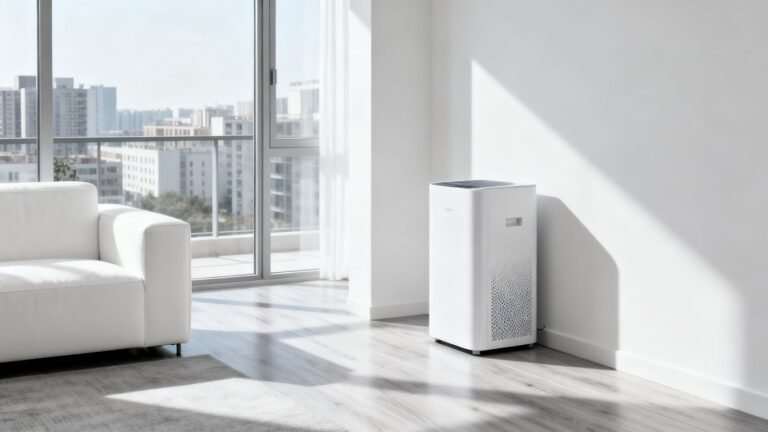
Air purifiers operate by drawing room air through a dense web of fibers designed to trap particles. These devices utilize high-efficiency particulate air technology to sequester dust, pet dander, and pollen from the circulation path. By forcing air through these layers, the unit significantly lowers the concentration of microscopic pollutants, making internal air safer for individuals with respiratory sensitivities.
Moisture extraction mechanics in dehumidifiers
Dehumidification relies on cooling internal surfaces to condense water vapor out of the air. Modern units, such as those employing a rotary compressor for efficient operation, pull damp air across chilled coils where moisture is collected and deposited into a drainage tank. This process is critical in tropical climates, where ambient humidity often remains high enough to sustain dampness beyond what standard airflow can manage.
How air quality is impacted by humidity levels
High moisture content does more than just make a room feel uncomfortable; it actively degrades indoor air quality by creating a breeding ground for biological growth. Damp environments encourage the proliferation of mold spores and dust mites, which then become suspended in the air. Lowering humidity levels helps neutralize these threats, meaning that moisture management is a core component of a complete air quality strategy.
Distinguishing between air filtration and humidity control
Because purifiers capture solids and dehumidifiers remove liquids, the two serve distinct roles in your home. You might find that you need particle filtration during dry seasons when dust is high, but shift your focus to high-capacity moisture extraction during the intense monsoon months. Some users find that using both separately allows for more intense control, whereas others prefer the simplicity of an integrated unit.
Benefits of using a purifier and a dehumidifier combination
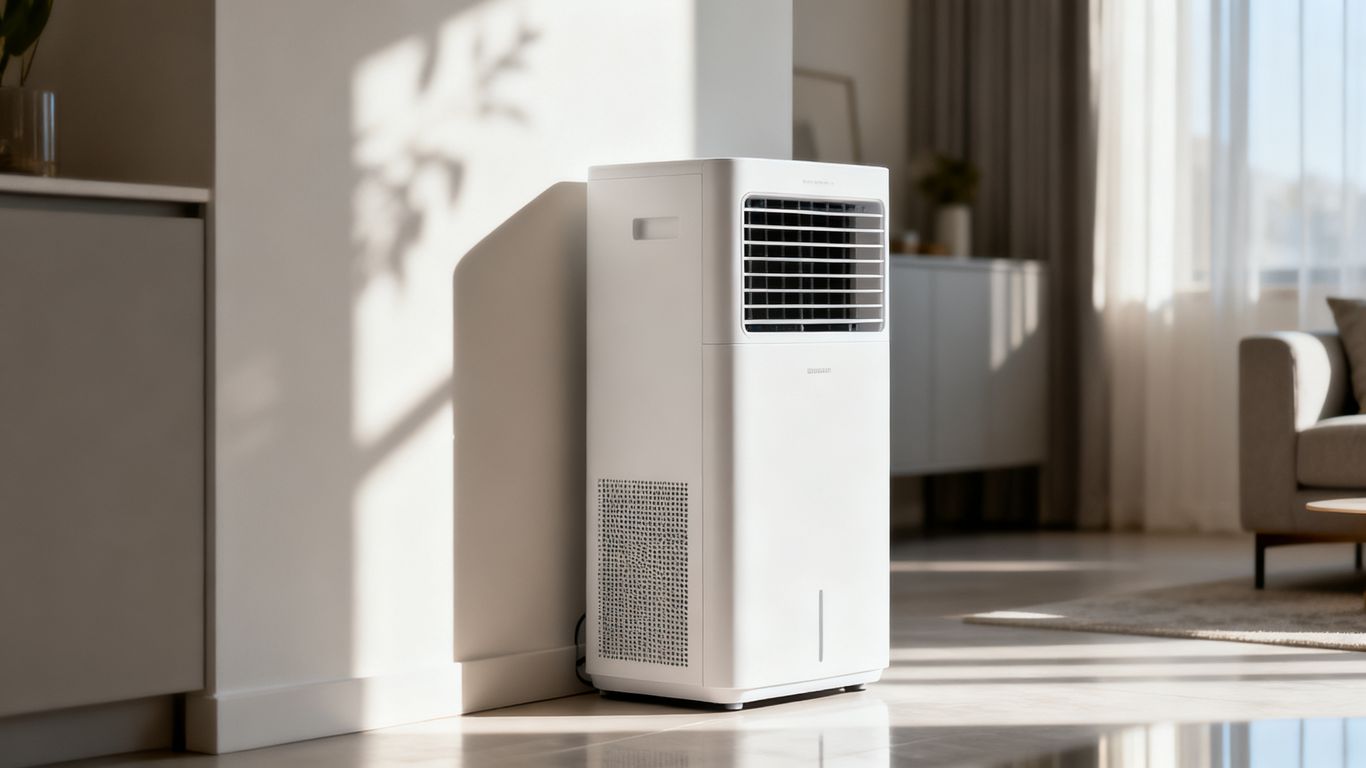
Integrating multiple treatment functions into one footprint radically simplifies the management of complex rooms. In high-humidity zones like Singapore, the challenge is twofold: preventing mold while simultaneously filtering airborne irritants. Relying on a unified system ensures your air remains crisp, dry, and clean through a single interface.
Maximizing floor space in small living areas
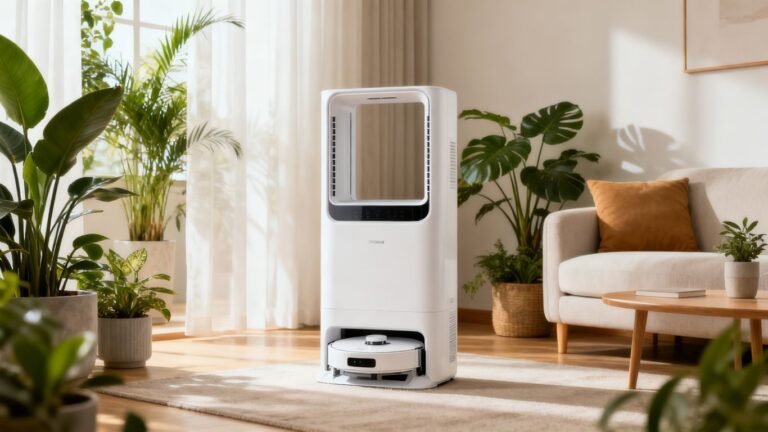
In apartments where every square meter is precious, having two distinct boxes can become cluttered. An integrated unit combines these features, allowing you to reclaim space previously taken by separate power cords and bulkier casings. This thoughtful design approach acknowledges the constraints of high-density housing.
Improving respiratory comfort through dual-action treatment
By attacking pollutants and humidity simultaneously, these systems help occupants breathe clearly. When the air is too damp, it feels heavy; when it is full of dust, it causes irritation. Addressing both issues at once provides rapid relief, especially for residents suffering from frequent allergic reactions to airborne particles.
Efficiency advantages of integrated dual-function systems
Modern engineering allows a single unit to optimize its energy draw based on combined feedback from moisture and air quality sensors. By running one motor instead of two, you decrease your electricity footprint. These units are often built for reliability, ensuring the core compressor remains effective even during extended periods of heavy use.
Targeted relief for seasonal allergies and dampness
| Feature | Dehumidifier Mode | Purifier Mode |
|---|---|---|
| Core Function | Condensation | Mechanical Filtration |
| Primary Target | Moisture/Mold | Dust/Pollen |
| Maintenance | Tank Drainage | Filter Replacement |
Using this setup allows you to pivot modes throughout the day depending on local environmental shifts. For many, this offers the perfect balance, ensuring that humidity stays below 60% while simultaneously removing 99.97% of fine particles. You can shop our range of engineered appliances to find the configuration that best serves your home.
Factors to consider when buying a purifier and a dehumidifier
Selecting the right machine requires looking closely at your home’s specific requirements. Whether you are dealing with a basement level that stays perpetually damp or a bedroom prone to dust buildup, the technical specifications will dictate your success. It is vital to prioritize engineering that withstands your climate rather than purchasing generic models.
Assessing your room size and square footage requirements
Measure the room intended for the unit to ensure the pints-per-day capacity and air exchange rate are adequate. A device rated for 200 sq ft will struggle to manage a living room of 500 sq ft, leading to system fatigue. Always verify the manufacturer’s suggested capacity against your actual living area.
Comparing HEPA filter standards for air purification
Ensure that the filtration component is certified to capture microscopic hazards consistently. True HEPA standards imply a rigorous testing process, and these filters are the gold standard for removing tiny irritants. Without robust HEPA filtration, you may simply be moving air around the room rather than cleaning it.
Evaluating moisture removal capacity for specific climates
In humid zones, the speed at which a unit can pull water from the air is a key performance marker. You must check that the machine uses an appropriate refrigeration cycle capable of dealing with ambient moisture levels. If you live in a region with high base humidity, prioritize a unit that demonstrates consistent extraction rates under stress.
Noise level considerations for bedrooms and offices
Operating a high-power compressor can be distracting during work or sleep. Look for appliances that utilize whisper-quiet fans or have dedicated "night mode" settings. A well-engineered unit allows you to maintain clean, dry air without compromising your ability to concentrate or rest comfortably.
Optimal placement for air treatment devices
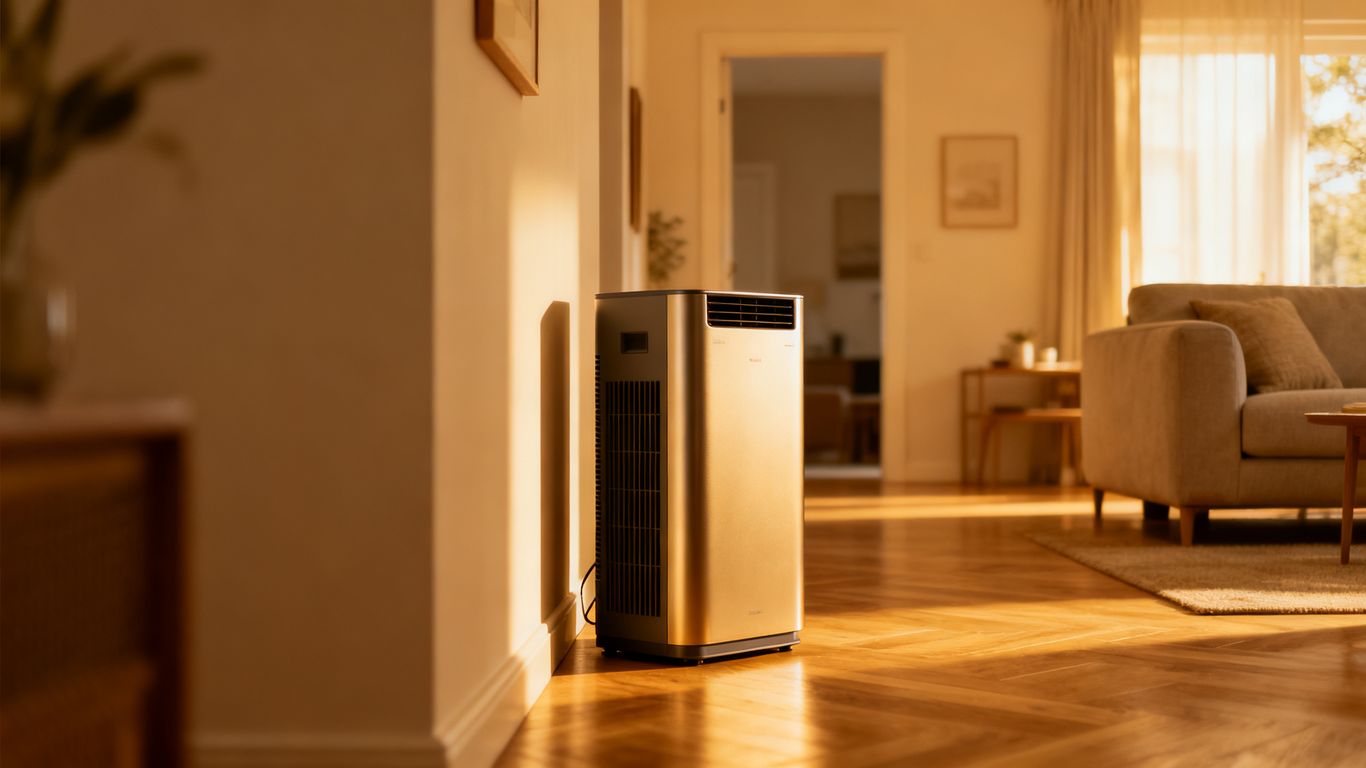
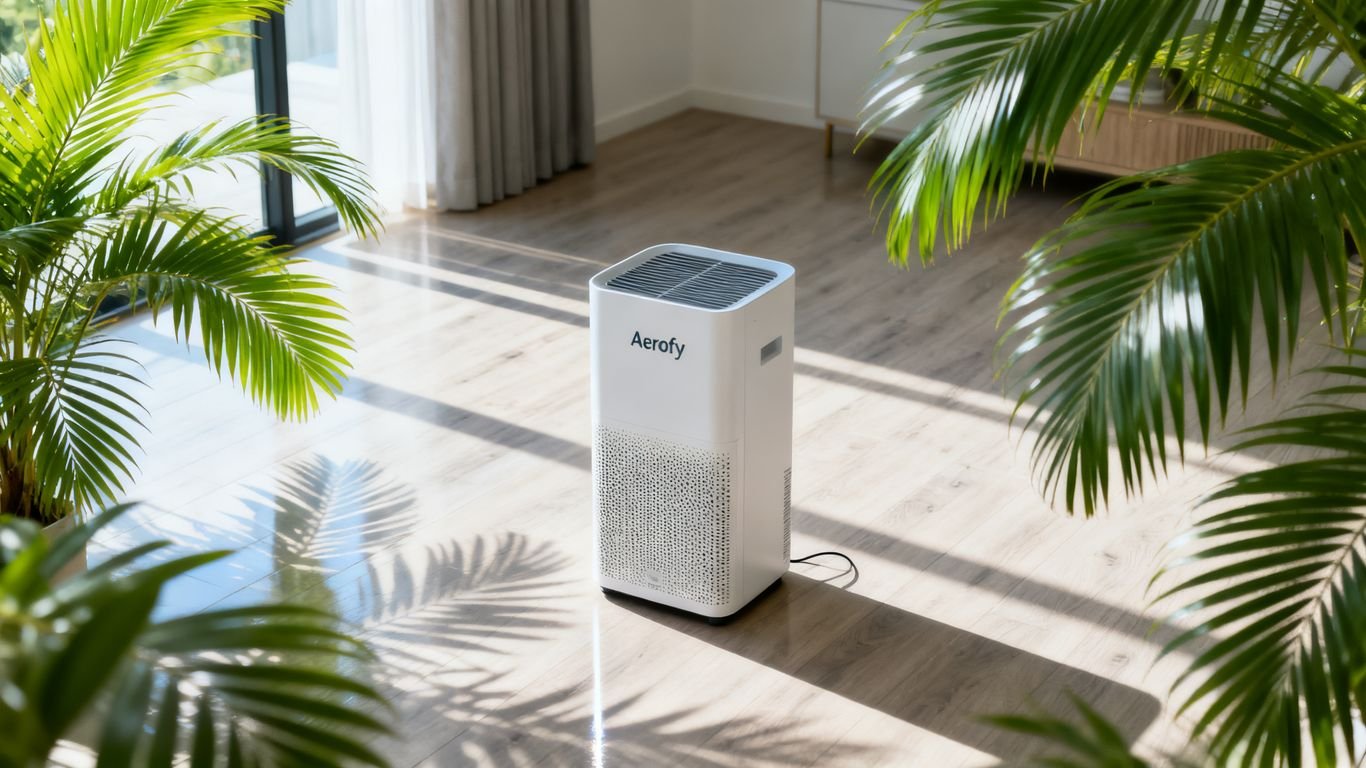
Finding the sweet spot for your device determines how successfully it processes air throughout your home environment. Placing an appliance, such as the Aerofy DualCore 20, away from corners allows for improved intake efficiency. Proper positioning prevents the unit from working harder than necessary by ensuring clear circulation paths.
Strategic positioning for balanced airflow
Place your unit in a central location where air moves naturally, like the middle of a hallway or a non-obstructed spot in a main living space. This ensures it isn’t only processing air from one small corner. Proper flow is necessary for the sensors to get an accurate reading of the room’s ambient state.
Maintaining clearance distances from walls and furniture
Most appliances require at least six to twelve inches of space from walls to ensure intakes and exhausts remain clear. Blocking these vents can cause the motor to overheat or reduce the effective reach of the device. Respecting these clearance zones is a non-negotiable part of efficient device care.
Avoiding placement near heat sources or windows
Putting an air appliance near a heater or a sunny window can confuse the internal humidity sensors. These devices function best when they can accurately register the room’s baseline temperature and moisture levels. Heat fluctuations force the compressor to cycle incorrectly, which shortens the lifespan of your machine.
Maximizing performance in basements or high-humidity zones
For spaces prone to intense moisture, keep the unit away from damp walls where airflow might be stalled. Basement placement often benefits from being elevated slightly off the floor if you are worried about occasional dust or floor debris. Ensuring that the unit has access to the widest volume of air in the space is the best way to keep that air fresh.
Maintenance requirements for dual-function units
Consistent care of intake vents and filtration layers ensures that the mechanical components continue to operate at peak efficiency throughout the year. Simple, routine attention prevents long-term performance degradation and keeps your unit running reliably in tougher climates.
These systems require more than just occasional checking to ensure they function well. Whether you are swapping out a filter every few months or cleaning the drainage assembly, you are helping the machine handle the load of a tropical environment.
Scheduling filter replacements and cleaning cycles
Establish a calendar reminder for your filter changes based on your actual usage time and the local air quality. If the filter becomes saturated, the motor works twice as hard to pull air through it. Checking these consumables regularly prevents the wear-and-tear that stems from inefficient operation.
Managing water reservoir drainage and sanitation
If your unit does not feature a continuous pump, you must manage the reservoir proactively. Letting water stagnate in the tank for too long creates a perfect environment for microbes. Cleaning the tank with mild soap and warm water every other week keeps the internal air pathway hygienic and prevents bad odors from drifting back into your home.
Sensor calibration and accuracy testing
Over time, dust can accumulate on internal sensors, causing them to report false humidity readings. Gently wiping these sensors during your routine cleaning cycle helps the unit maintain precise control over the environment. A clean sensor is the difference between a unit that cuts off at the right time and one that runs incessantly.
Periodic maintenance for internal intake vents
Intake grilles often collect lint and hair that can restrict airflow. A few minutes with a vacuum attachment or a soft cloth on the outer vents goes a long way toward keeping the compressor running cool. By keeping the intake clear, you are protecting the integrity of the internal air pathways.
Troubleshooting common performance issues
Scenario Time: Imagine you walk into your laundry room and notice the dehumidifier is running, but the walls still feel a bit tacky to the touch. You check the display and see it hasn’t gathered a drop of water in three hours. Don’t panic; this is a clear sign that the environment needs a check. Often, the solution is purely about airflow. You might find a stack of boxes blocking the back vent. Move the unit, reset the intake flow, and within an hour, the compressor should kick back into action and the tank will start to fill.
Resolving inconsistent moisture removal rates
If the unit is not pulling water effectively, start by checking the temperature of the room. If it is too cold, the unit cannot condense liquid. Alternatively, verify that the doors and windows in the room are closed tightly. Allowing outdoor drafts to enter defeats the purpose of the dehumidifier, making the room seem like it is not drying out at all.
Addressing unusual noises during operation
Persistent rattling or grinding sounds often indicate that a component needs clearing. Check for loose housing panels or debris caught near the fan blade. If the noise continues despite a clear intake, it may be time to consult technical support to determine if the internal mounting for the motor has become misaligned.
Interpreting indicator lights and error codes
Most modern units have a display board that communicates specifically what is wrong, such as a full bucket or a dirty filter. Refer to your manual when these codes appear. Flashing lights on a specific sensor almost always mean it is time for a thorough cleaning of that component, as a buildup of surface residue can trip the warning light.
Identifying signs of filter saturation or system fatigue
If you notice an increase in energy usage or a decrease in air output strength, it is likely that the unit is struggling. A filter reaching the end of its life creates a bottleneck that slows down the entire machine. System fatigue is typically corrected by replacing your primary HEPA media and allowing the compressor a period of rest.
Conclusion
Choosing the right appliance ensures that your living space remains a sanctuary from both the humidity and the airborne pollutants that threaten comfort in tropical climates. By balancing effective moisture extraction with high-quality filtration, you can tackle the specific challenges of your environment and maintain a home that is consistently fresh and healthy.
Frequently Asked Questions
Are there specific humidity levels I should aim for?
Most experts suggest keeping your indoor relative humidity between 40% and 60% for optimal health and to prevent the regrowth of molds.
Why does my purifier run constantly even when the room seems clean?
Sensors in your device are often highly sensitive to invisible particulates like VOCs or smoke, meaning the unit may continue working to ensure the air quality stays within a safe range.
Is it safe to leave my dehumidifier on when I am away from home?
Yes, most modern units are designed for continuous operation, provided they have a drainage hose or an auto-shutoff feature to prevent overflow.
How often should I replace the HEPA filter in my unit?
In standard residential environments, replacing the filter every four to six months is typically recommended to keep airflow and particle removal effective.
Does the dehumidifier remove odors as well as moisture?
Removing moisture helps eliminate the musty smell caused by mold, and if your unit includes an integrated carbon filter, it can also neutralize other household odors effectively.
Do these units increase the ambient temperature of a room?
Dehumidifiers that use a refrigeration cycle typically release a small amount of warm air out of the exhaust, which can slightly raise the room temperature during operation.
Can I use these devices in multiple rooms simultaneously?
While a single unit might temporarily help multiple rooms, they are most effective when sized for a specific volume of air, making it better to move the compact unit to the room you are currently using.