Key Takeaways
Understanding the distinct roles of climate control appliances helps homeowners create a healthier indoor environment. By recognizing how different technologies address specific air quality concerns, you can make an informed decision for your residence.
- Air purifiers focus on capturing airborne particulates through specialized filtration systems like HEPA.
- Dehumidifiers extract excess moisture to prevent dampness and inhibit mold development.
- High-humidity environments significantly increase the risk of respiratory issues and structural decay.
- Modern systems often combine both functionalities to provide a comprehensive solution for tropical climates.
- Regular maintenance of filters and drainage systems is essential to ensure consistent, reliable device performance.
Primary functions and operating mechanisms
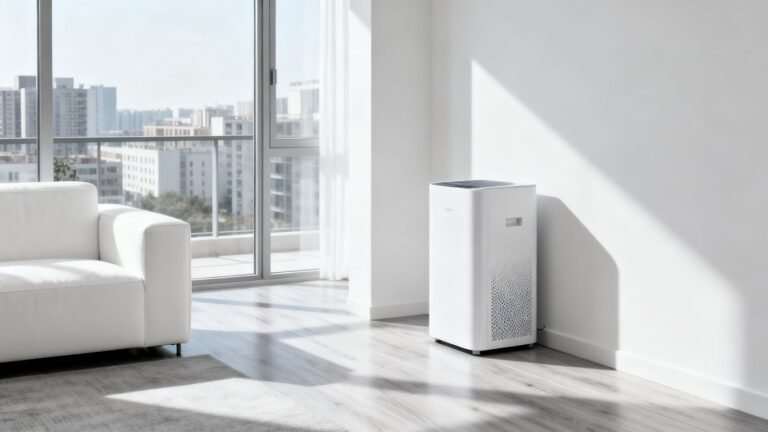
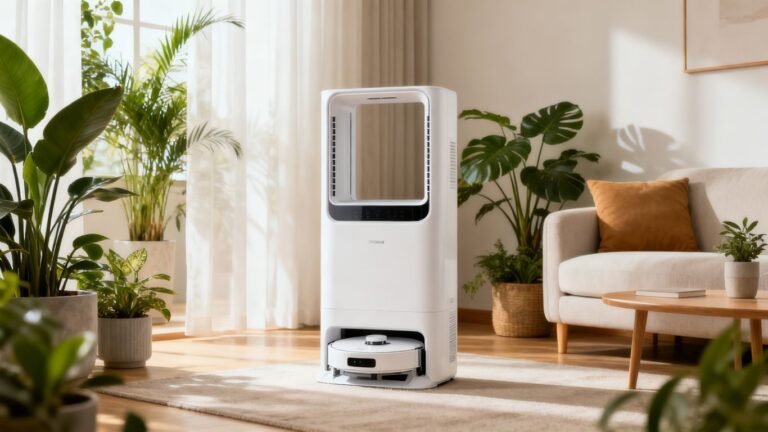
Every home environment demands a tailored approach to air management, as residential spaces often face challenges related to both humidity and airborne contaminants. Understanding the mechanical differences is the first step toward effective mitigation of these issues. Most modern systems, like the DualCore 20 from Aerofy, are specifically engineered to integrate these functions for maximum efficiency in tropical climates.
How air purifiers filter particulate matter
Air purifiers function by drawing air into the unit via a high-velocity fan, forcing it through a series of internal filters. These filters are meticulously designed to trap specific physical contaminants before releasing clean air back into the living area. The primary objective is to capture microscopic materials that would otherwise settle on surfaces or circulate in your breathing zone.
How dehumidifiers extract moisture from the air
These systems reduce relative humidity by guiding air across refrigerated coils, which causes atmospheric water vapor to condense into a liquid state. The resulting water is then collected in a reservoir or diverted through a drain pipe. By maintaining precise control over this process, homeowners can keep indoor settings at a comfortable level, often choosing Aerofy for their robust extraction capabilities.
Fundamental physics behind each device operation
At their core, these appliances operate on well-understood principles of fluid dynamics and thermodynamic cycles. The following table provides a breakdown of the typical operational mechanisms found in these devices:
| Mechanism | Primary Function | Typical Output | Target Contaminant |
|---|---|---|---|
| Mechanical Filtration | Capture particles | Clean air | Dust and pollen |
| Refrigeration Cycle | Condensation | Drier air | Water vapor |
| Carbon Adsorption | Chemical bonding | Odor reduction | VOCs and gases |
Selecting the right system requires understanding how these physical processes translate to tangible improvements in your daily quality of life.
Targeted indoor air quality problems
Addressing the distinct problems of poor indoor quality requires identifying whether your home is suffering from airborne particulates or excessive water vapor. Many residences in urban areas face both challenges simultaneously, making the difference between air purifier and dehumidifier a critical consideration for health-conscious occupants. By evaluating your environment, you can prioritize which pollutants are currently impacting your family the most.
Managing allergens, dust, and pet dander
Particulate allergens settle into soft furnishings and fabrics, creating a persistent challenge for allergy sufferers. Mechanical filtration remains the gold standard here, as the mesh structures within high-quality units effectively catch these irritants. Using a device with proper HEPA filtration can lead to a significant reduction in indoor allergens, keeping your living spaces free from debris that triggers uncomfortable reactions.
Combating mold growth and damp environments
Excess moisture acts as a fuel for biological entities like mold and mildew, which can quickly spread across walls and ceilings. Controlling the ambient moisture levels is the only way to kill these growth factors at the source. It is important to note that without active moisture removal, the most robust filters will eventually struggle against the airborne spores that dampness generates.
Identifying signs of poor air quality versus high humidity
One common indicator that you might need specialized equipment is the presence of physical symptoms or structural indicators inside your dwelling. Consider these common markers that suggest your current indoor management might be insufficient:
- Persistent musty or damp odors lingering in confined spaces like closets or basements.
- Increased frequency of respiratory irritation, such as coughing or congestion, when staying indoors.
- Visible condensation forming on window panes during early morning or evening hours.
- Accelerated dust accumulation on furniture despite routine cleaning practices.
Detecting these signs early is key to choosing an appropriate Aerofy solution, as prolonged exposure to poor conditions can lead to greater long-term issues.
Health benefits of each system

Improving your indoor environment offers measurable health advantages, ranging from improved sleep quality to reduced asthma triggers. While these devices tackle different problems, they both contribute to a safer, more sustainable home. Residents who buy now often find that their overall wellbeing increases once they stop battling the effects of stagnant or moist air.
Respiratory relief through airborne particle reduction
By efficiently pulling irritants out of the circulation, purifiers reduce the burden on your lungs. This is particularly relevant for those living in high-traffic urban areas where outdoor particulate matter can easily permeate residential structures. Reliable systems act as a clear shield against these external threats, ensuring the air remains crisp.
Reducing allergy triggers linked to high humidity and mold
Dehumidifiers are essential for mitigating the microscopic triggers that bloom in damp spaces, such as dust mites and fungal colonies. When you keep the relative humidity in a target zone—usually between 40% and 60%—you create an environment that is naturally hostile to these pests, providing essential relief for sensitive individuals.
Preventing structural damage and biological growth in the home
Beyond just immediate health benefits, these appliances act as a protective barrier for your property. Consistent extraction of moisture prevents moisture-related rot and damage to wood, drywall, and insulation. Furthermore, by keeping air dry and clean, you promote a stable environment that resists the encroachment of airborne biological threats.
Maintenance requirements and operational costs
Keeping your home climate systems running at peak performance requires a consistent approach to maintenance. Routine attention not only extends the effective life of the machine but also ensures that the internal components, like the rotary compressor or the air filters, are working efficiently.
Filter replacement schedules for air purifiers
Depending on the local air quality and the intensity of usage, filters should typically be inspected every few months. Most modern setups will notify you when a change is needed, preventing the build-up of restricted airflow. Neglecting this part of the maintenance cycle can lead to secondary strain on the fan motor and decreased overall air exchange rates.
Water tank management and drainage for dehumidifiers
Continuous drainage is a preferred feature for those looking to offset the burden of daily tank emptying. If your setup requires manual disposal, ensure the tank is cleaned with a mild antiseptic solution to prevent bacterial growth. Proper care here is just as vital as managing the filters in your air purification system.
Comparing long-term energy consumption for daily use
Energy usage is a major consideration, especially in tropical regions where these devices might run for most of the day. Selecting models designed for optimized performance, such as the DualCore 20 with its smart power management, helps control long-term expenses while providing a high standard of comfort. Balancing initial costs against durability and energy efficiency is a fundamental step in your purchasing decision.
Selecting the right device for your living space
Choosing the correct hardware involves careful assessment of your specific home surroundings. Every room presents a unique set of challenges, ranging from proximity to pollution sources to local weather patterns.
Analyzing the humidity levels in your specific environment
Use a digital hygrometer to get a clear picture of the moisture levels in your home throughout the day. If you find that ambient humidity stays consistently above 65%, a standard air purifier alone will not be sufficient to protect your home. Investing in a dedicated dehumidification solution is the only practical way to address the humidity floor.
Assessing air pollution sources in urban or industrial areas
Large cities often introduce specific challenges, such as construction dust or localized traffic fumes, that infiltrate living spaces. If your home is located in such an area, filtration grade should be your primary metric for selection. Look for units that utilize advanced filtration layers capable of binding gases and small particles.
Determining if your home requires both appliance types concurrenty
Many modern households in the tropics benefit from a hybrid approach, where both moisture control and particle filtration occur in a single operation. This ensures that the air is not only dry but also clean, covering all potential stressors. For those seeking to address these issues, Aerofy offers systems that effectively bridge the gap between dual requirements.
Conclusion
Selecting the right climate control equipment is an essential step toward building a healthier home environment. By understanding the distinct roles of these appliances—whether you need the particulate-trapping power of a purifier or the moisture-regulating capacity of a dehumidifier—you can create a more balanced living space tailored to your unique requirements.
Frequently Asked Questions
Can a dehumidifier replace an air purifier?
A dehumidifier is not a direct replacement for an air purifier. While dehumidifiers help limit mold by reducing moisture, they lack the high-efficiency mechanical filters required to capture fine dust, pollen, and other airborne allergens from the home.
Do I need to run these devices 24/7?
It is generally recommended to run these appliances based on the needs of your room rather than keeping them active constantly. Many smart devices feature sensors that automatically turn the unit on only when humidity or pollution levels exceed your preferred threshold.
How often should I clean the filters?
You should inspect your filters every 3 to 6 months according to the manufacturer guidelines. In areas with higher pollution or more pets, you will likely need to clean or replace them sooner to maintain steady airflow and particle capture performance.
What happens if the humidity is too low?
If the air becomes excessively dry, you may experience issues such as dry skin, irritated sinuses, or static electricity in your home. It is best to maintain relative humidity between 40% and 60% to maximize comfort and prevent both dryness and mold growth.
Will these machines make my house noisy?
Modern home appliances are engineered for whisper-quiet performance. While they will produce some ambient sound due to the fan and compressor, most current models offer specific night modes designed to lower noise output while maintaining consistent air quality.
Where should I place these devices for maximum impact?
Optimal placement is in the center of the room or at least a few feet away from walls to ensure unobstructed airflow. Keeping the unit in the area where you spend the most time, like a bedroom or living area, usually yields the best results.
Are there specific energy savings I should look for?
Look for appliances that feature variable-speed compressors or smart sensors that modulate performance based on real-time room data. These features help you reduce energy expenditure compared to standard units that run at a fixed, high-intensity output regardless of the actual air quality.