Key Takeaways
Finding the right dual-function appliance requires balancing moisture control with air purification efficiency for a healthier home. This guide explains how to select the best technology to suit your local environment and specific household needs.
- Prioritize HEPA filtration for effective allergen reduction.
- Determine required pint capacity based on room square footage.
- Match the device’s CADR rating to your room’s airflow requirements.
- Maintain filters and humidity reservoirs according to manufacturer schedules.
- Focus on units with automated smart sensors for energy efficiency.
Understanding how a dehumidifier air purifier works
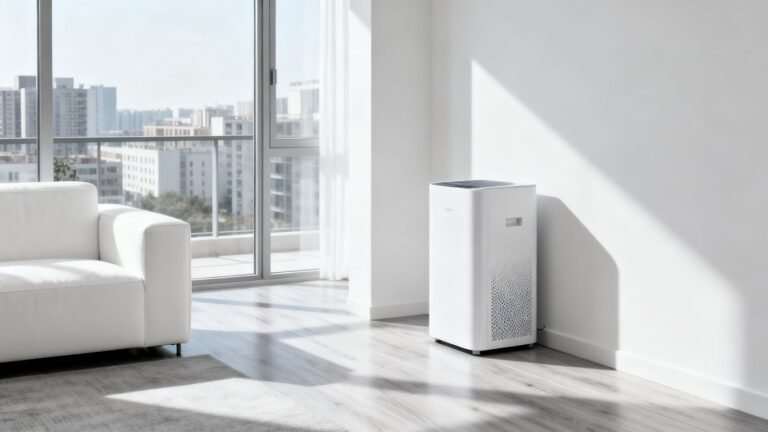
Modern environmental control requires looking at how a device manages air composition and moisture levels simultaneously. A quality dehumidifier air purifier serves a dual role in residential settings, ensuring that your space stays dry while maintaining breathable air. These systems rely on precision engineering rather than basic fan-based circulation to treat the air within a room effectively.
The mechanics of moisture extraction
Moisture extraction starts when a built-in compressor pulls humid air into the unit after it flows through the evaporator coils. As the air contacts the cold coils, water vapor condenses into liquid, which drips into a dedicated tank or flows out through a drain hose. This process is essential for lowering humidity, which in turn helps keep structural surfaces from feeling damp and clammy. Managing this transformation efficiently requires a reliable heat exchange system, and units like the Aerofy DualCore 20 leverage specialized technology to maintain this cycle consistently in tropical climates.
Filtration technologies used in hybrid systems
Filtration works alongside the cooling cycle to capture airborne particles as air circulates. Most high-performance units incorporate multi-stage filtration, typically featuring a pre-filter for large debris and a high-efficiency media layer for smaller pathogens. Air is pushed through these layers after the moisture removal process to ensure dust, pollen, and pet dander are removed before the air is cycled back into the living area. Advanced units like the Aerofy Lite prioritize this purification step to ensure that the air being returned to the space is free of common respiratory irritants.
Controlling air flow and internal sensors
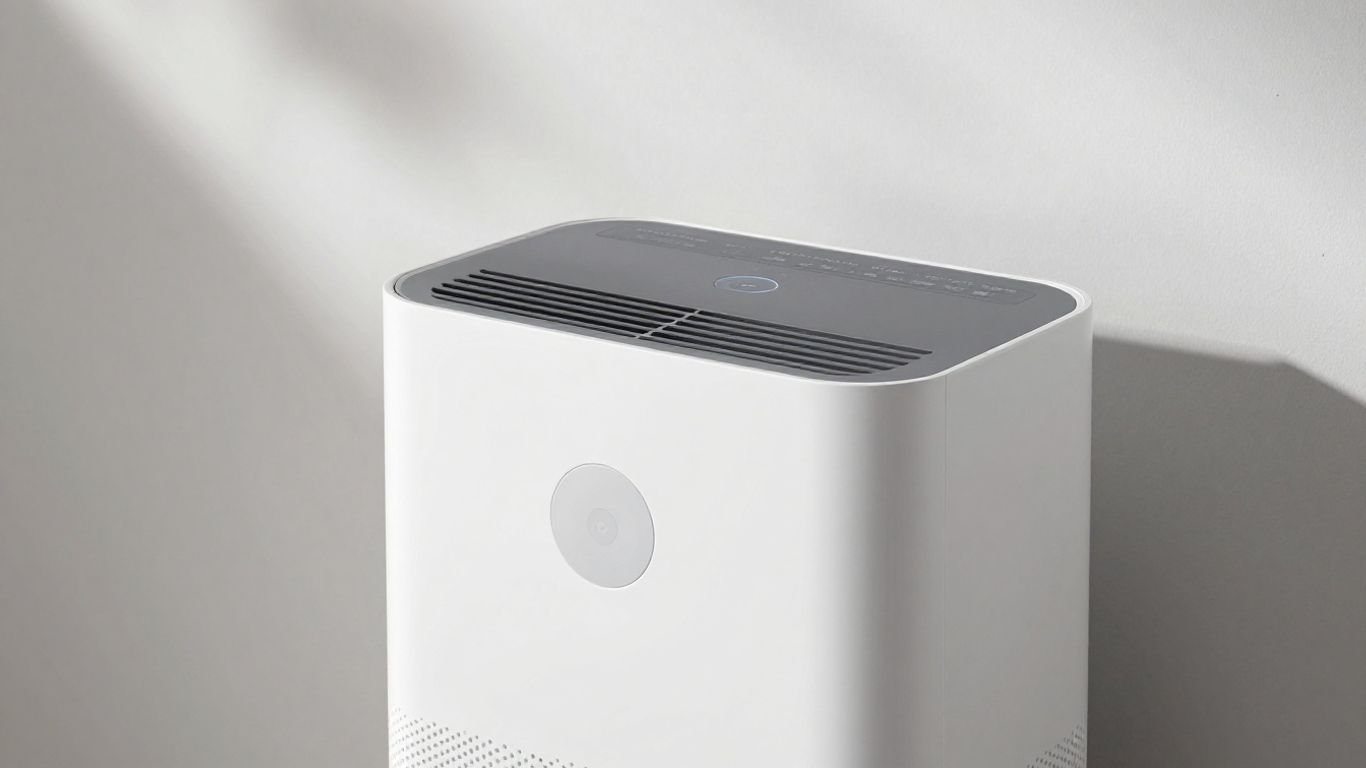
Smart internal sensors are what differentiate high-end hybrid units from basic fans. These sensors detect real-time humidity percentages and particle concentrations, adjusting the fan speed or compressor intensity accordingly to maintain an optimal indoor environment. This automation prevents the unit from drawing excessive power when the target levels are already reached. Proper placement of these sensors is vital, as they must accurately sample the air before it is processed through the filtration banks, ensuring the unit reacts appropriately to changes in room air composition.
Key features to look for in a combo unit
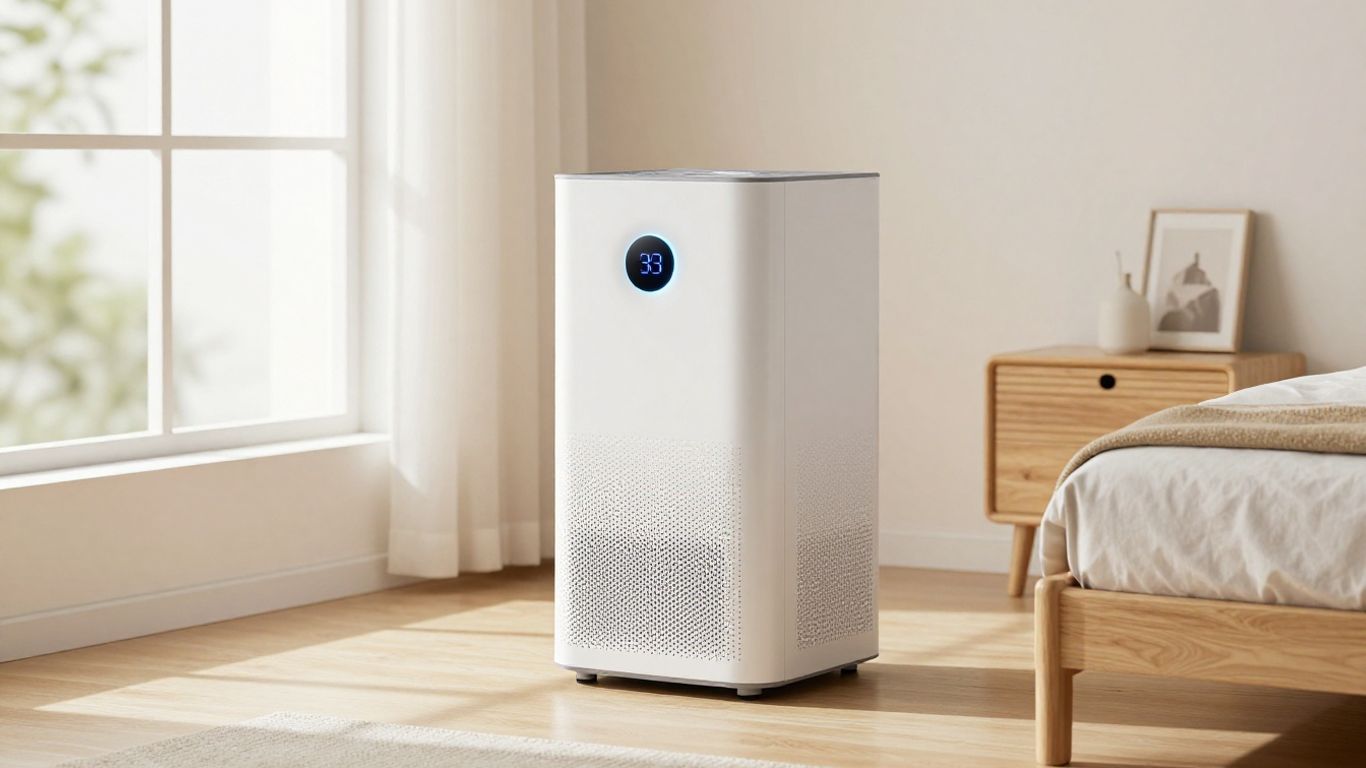
Selecting a unit that fits your lifestyle relies on understanding which features have the greatest impact on your day-to-day comfort. You should look for balanced performance across both the dehumidification and filtration systems rather than favoring one feature over the other. The layout and size of the room significantly influence which specifications will provide the most benefit, and focusing on these features ensures long-term utility.
HEPA filtration efficiency ratings
HEPA filtration is the industry standard for removing at least 99.97% of common airborne particles. When evaluating a unit, verify that the filter media meets these certification standards rather than relying on generic marketing terms. A true HEPA-rated filter captures dust, smoke, and fine particles, making it essential for users who suffer from allergy symptoms and need consistent, high-output air cleanup.
Adjustable humidity settings and timers
Being able to set a specific target percentage allows your device to manage the climate based on your comfort level rather than a fixed scale. Many reliable machines include a 24-hour timer or programmable modes, which provide flexibility to save energy while you are away. This control is necessary for maintaining consistent comfort throughout the day in humid regions.
Smart sensors and automated modes
Automated modes allow the device to switch into low-power states when the air quality is clean and humidity is within the target range. This proactive monitoring ensures the unit doesn’t overdraw power during quieter hours. Many modern systems also integrate with dedicated mobile applications to let you see your current environment stats from anywhere inside the house.
Noise level considerations for bedrooms
When a device runs continuously, noise levels become a significant factor for undisturbed sleep. It is recommended to choose models that offer a dedicated sleep mode or operate at a low decibel range during evening hours. Noise management is crucial in hybrid units because the mechanical compressor can be loud, requiring sound-dampened casing and optimized internal fan placement.
Benefits of combining air purification and humidity control
Combining these tasks within one chassis offers unique efficiency advantages for homeowners looking to simplify their living spaces. By integrating two machines into one, you eliminate the need for redundant components while focusing on unified air management. This approach helps in achieving a stable indoor climate without crowding your floor plan with multiple heavy appliances.
Preventing mold and mildew growth
Reducing excess moisture is the single most effective way to inhibit mold spores from colonizing wall and furniture surfaces. By continuously stripping the air of water vapor, the device starves mold of the environment it requires for survival. Maintaining this dry condition is essential for protecting delicate structural materials and fabrics in your home.
Mitigating common respiratory allergens
High-quality filtration acts as a barrier against seasonal allergens like pollen and dust mites which often thrive in damp spaces. A unified unit treats the source of the humidity while trapping the irritants that settle in moist air. Pairing these tasks provides a more effective response to respiratory stress than simply managing room temperature alone.
Improving overall indoor air quality
Combining these technologies ensures that the air quality remains consistent throughout the day. When a machine tracks both moisture and particulates, it creates a healthier cycle. You might explore how to choose the right capacity for your space if you frequently find the air feeling heavy or stale after cooking or during rainy weather.
Saving space with a dual-function design
Most apartments benefit from smaller footprints, making dual-function designs quite practical. Instead of storing a large dehumidifier and a separate air purifier, a single unit handles both workloads effectively. This makes it easier to navigate small floor plans while keeping the environment dry and breathable.
Comparison between combo units and standalone devices
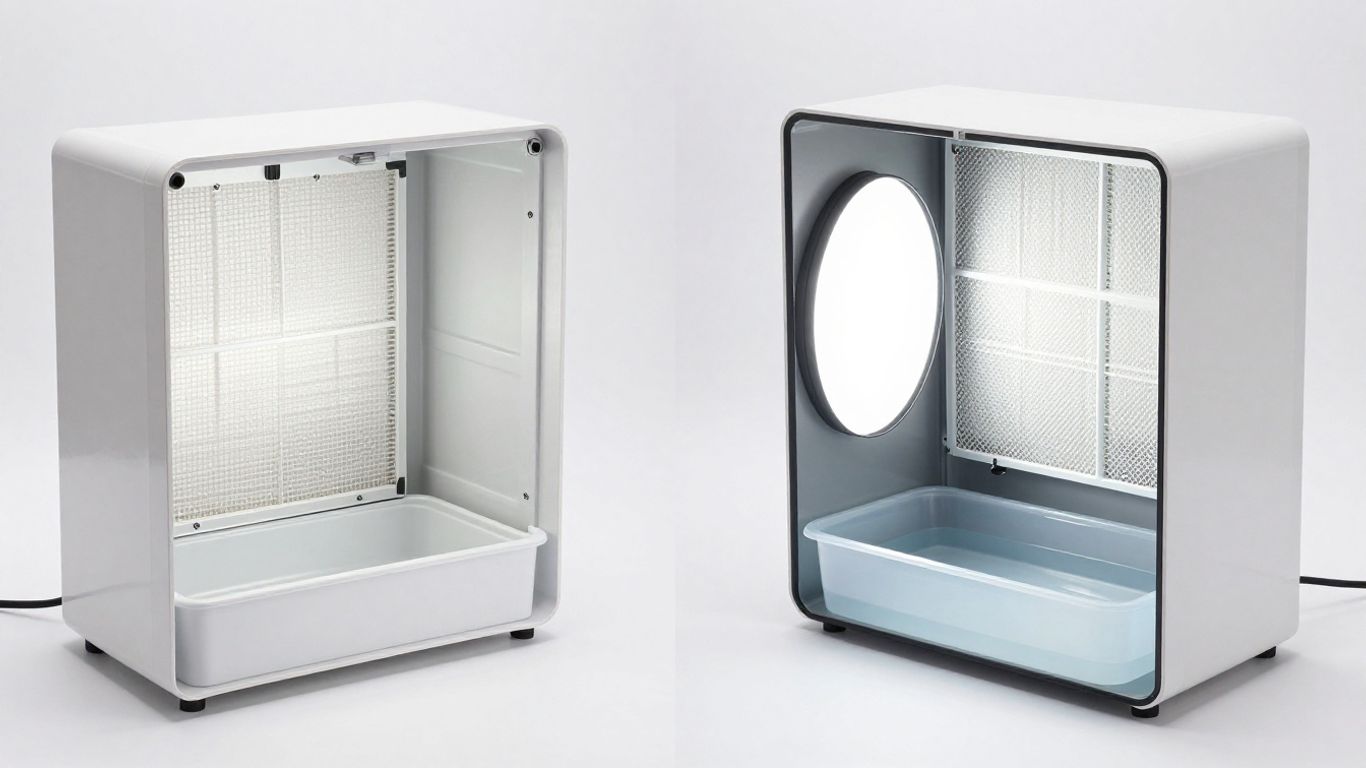
Choosing between an integrated combo unit and dedicated standalone machines involves trade-offs in power output and focused performance. Standalone devices are typically designed for singular, heavy-duty tasks, whereas combo units prioritize multi-purpose efficiency in a compact footprint. For most residential users, the decision relies on whether total capacity or streamlined operation is the primary goal, especially if you consider dehumidifiers vs. air purifiers when shopping for your home.
Pros and cons of all-in-one machines
All-in-one units simplify maintenance and floor space requirements, offering an elegant solution for modern living areas. However, these systems might sometimes sacrifice absolute power compared to large industrial dehumidifiers. Below is a comparison of typical features between these system types:
| Feature | Combo Unit | Standalone Dehumidifier | Standalone Air Purifier |
|---|---|---|---|
| Floor Space | Minimal | Medium | Small |
| Power Reach | Moderate | High | Moderate |
| Complexity | Low (One App) | High | Medium |
Using a single unit is often more than enough to handle standard residential rooms without needing complex setups which some might find in Zoho CRM configurations.
Performance trade-offs in multitasking units
Multitasking units are engineered to work well across two domains simultaneously, though the individual capacity usually doesn’t match a machine built strictly for one job. When balancing both, energy consumption can increase as the compressor works to cool the air. Balancing filter life with compressor run-time requires a well-optimized system that avoids overworking internal motors.
Cost-effectiveness over the device lifespan
Investing in a single durable device is often more cost-effective than buying two separate units, especially with energy costs in mind. Replacing filters and maintaining clean drain hoses is easier when you manage only one internal system. Ensuring the unit is designed for tropical environments helps extend the lifespan of these hybrid machines significantly.
Essential maintenance for keeping your unit running efficiently
Maintenance is not just about cleanliness; it is about extending the operational life of the internal components. Neglecting the care of your machine causes motors to strain and internal sensors to lose accuracy. Routine inspections should become part of your household chores to ensure that your indoor environment remains consistent throughout the year.
Regular filter replacement schedules
Filters accumulate dust, hair, and fine contaminants regardless of how dry the air is. Following the recommended timeframe for filter swaps—usually every few months—prevents a pressure drop that reduces airflow. A clogged filter makes the entire device work harder, consuming more electricity to circulate the same amount of air.
Cleaning the water reservoir and drain lines
Standing water is a primary concern in any machine that condenses moisture. Emptying the reservoir and flushing the drain lines regularly prevents the growth of biofilm and limits musty odors. A clean reservoir ensures that the moisture removal process remains sanitary and prevents spills inside the unit casing.
Monitoring sensor feedback for potential issues
Many devices provide indicators when sensors are misaligned or when flow rates drop. Paying attention to these alerts can save you from costly repair bills. If you notice the readings staying static for too long, check if the sensor surface needs a gentle wipe to remain sensitive to your air quality.
Exterior cleaning and storage practices
Keep the intake and output gills clear of external dust build-up. When not in use, ensure the machine is stored somewhere cool and dry, away from extreme heat. Taking these simple steps during storage keeps your equipment in peak condition for when the next humid cycle begins.
How to choose the right capacity for your room size
Capacity selection ensures your machine isn’t overrunning itself to maintain your target climate. A unit that is too small for the room will never reach the correct moisture levels, while a unit that is too large might cycle on and off too frequently. Proper sizing follows basic mathematical rules for your floor area.
Calculating the total square footage
Measure the length and width of your room carefully to determine the square footage. Larger rooms require higher air exchange rates to force air through the unit’s filtration and moisture extraction coils periodically. If you live in an environment where humidity fluctuates rapidly, aim slightly higher on the recommended square footage chart to ensure power is available for high-load days.
Understanding moisture extraction rates
Extraction rates reflect the pints of moisture pulled from the air in 24 hours. A unit built for a large basement needs a much higher rating than one designed for a bedroom or small study. Always check the manufacturer’s performance data under conditions similar to your home’s average humidity level to get a realistic estimate.
Matching air exchange rates to room volume
Air exchange refers to how often the machine cycles the total volume of air in the room per hour. The faster the air moves through the filters and coils, the sooner your room feels refreshing and dry. Choosing an appropriately sized Aerofy Pro unit ensures the air quality meets your needs without wasting electricity on unnecessary over-filtering.
Conclusion
Selecting the right hybrid unit allows you to manage home climate with efficiency and precision. By focusing on your room’s requirements and keeping up with maintenance, you create a space that feels consistently comfortable and breathable for your entire household.
Frequently Asked Questions
Can a single unit replace both a standalone dehumidifier and an air purifier effectively?
Yes, these hybrid machines are engineered to tackle moisture and pollutants simultaneously, making them highly effective for average residential living spaces.
How often should I replace the air filters in my hybrid unit?
Filter replacement schedules depend on individual usage and air quality, but sticking to a three-to-six-month interval is generally ideal for maintaining peak filtration performance.
Do these dual-purpose units require a special power outlet?
Most residential units are designed to work with standard power outlets, providing convenient setup in almost any room of your house without needing specialized electrical upgrades.
Can the dehumidifier function work without the purifier fan running?
Typically, the fan is required to circulate air through the system for the cooling coils to function, meaning both tasks often run in tandem during operation.
What happens if I do not maintain the water reservoir?
Failing to drain or clean the reservoir can lead to water overflow, bacterial growth, and, in some cases, the device triggering a safety shutdown to prevent internal liquid damage.
Are there specific placement rules for optimal performance?
Keep the unit away from walls and heavy upholstery so that air can flow into the intake freely, and avoid corner placement to ensure better air circulation throughout the room.
Will this unit help reduce allergy symptoms effectively?
If the system uses certified HEPA filtration, it significantly reduces airborne allergens like dust and pollen, providing distinct relief for people sensitive to indoor contaminants.