Key Takeaways
- Activated bamboo charcoal maintains a natural porous structure that captures moisture and odors without chemicals.
- These bags perform best in small, enclosed spaces where traditional mechanical units cannot fit.
- Regular sunlight exposure is essential to purge trapped moisture and restore the charcoal’s absorption capacity.
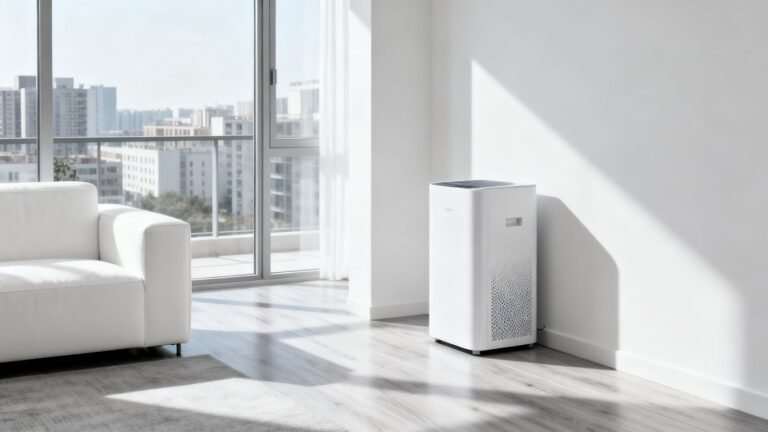
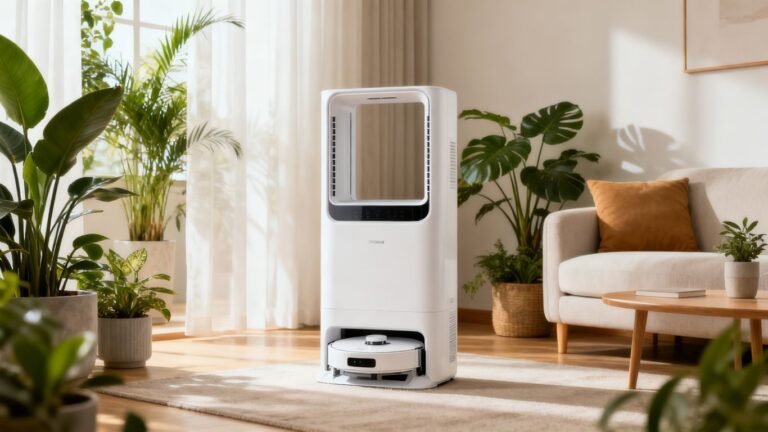
- While ideal for closets, they differ significantly from a dedicated Aerofy DualCore 20 which manages whole-room humidity.
- Proper maintenance ensures the filter remains effective at neutralizing musty air and preventing mold growth throughout your home.
Understanding how charcoal dehumidifiers work
The science of activated bamboo charcoal
Activated bamboo charcoal is produced through a high-heat carbonization process that creates a vast network of microscopic pores. This physical structure acts like a sponge, pulling airborne moisture and pollutants inside the surface. Unlike synthetic materials, this carbon-based medium is purely organic and relies solely on its expansive surface area to function. For residents in humid tropical climates, this natural method is an effective way to supplement the more rigorous output of an Aerofy appliance.
Porosity and surface area absorption
The efficiency of a charcoal dehumidifier is dictated by the density of its molecular structure. As air flows through the tiny gaps, moisture molecules lose their kinetic energy and become trapped within the granular matrix. The material is so active that it continuously interacts with its environment, making it a reliable way to manage pockets of standing air. Even when a mechanical Aerofy DualCore 20 is processing the majority of your living space, these small bags excel at targeting stagnant corners where air barely circulates.
Comparison to chemical-based moisture absorbers
Choosing between passive charcoal and chemical-based agents often comes down to environmental impact and speed. While chemical pellets work quickly by chemically binding to water, they are usually single-use and contain synthetic compounds that require careful handling. In contrast, bamboo charcoal provides a sustainable, reusable alternative that remains non-toxic.
| Feature | Bamboo Charcoal | Chemical Absorber | Electric Dehumidifier |
|---|---|---|---|
| Reusability | Yearly | None | Permanent |
| Chemicals | None | Required | None |
| Efficiency | Localized | Quick | High Capacity |
By comparing these technical characteristics, you can see how each option serves a unique purpose. Whether you are using the Tanaka formula to track your training thresholds or simply managing your home environment, understanding the underlying technology helps you optimize results. The benefit of charcoal lies in its long-term lifecycle which avoids the constant replacement of plastic-heavy chemical containers.
Benefits of choosing charcoal over traditional dehumidifiers
Eco-friendly and sustainable material sourcing
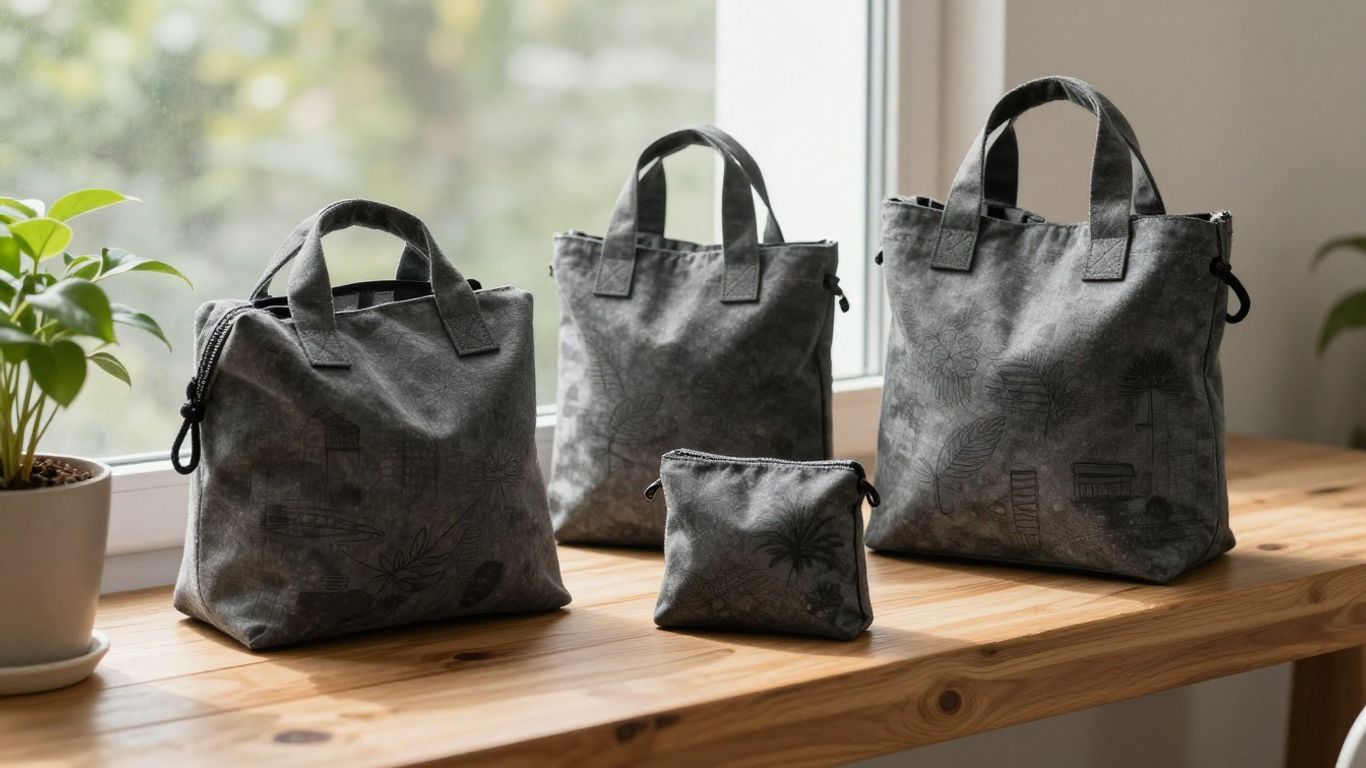
Bamboo is a rapidly renewable resource, making charcoal products inherently more sustainable than synthetic alternatives. By sourcing matured moso bamboo, manufacturers can produce highly effective moisture traps that are both biodegradable and efficient. Since no fossil fuels are extracted in the creation of these bags, they align well with a conscious household management approach.
Non-toxic safety for pets and children
Safety is often the primary concern for homeowners placing moisture control products in bedrooms or play areas. Because these filters contain no added chemicals, fragrances, or harmful desiccants, they pose zero risk to curious children or pets. They are an inert, physical solution rather than a chemical one, providing peace of mind for families living in damp environments.
Odor neutralization and air purification properties
Beyond moisture, the carbon structure is surprisingly effective at scrubbing the air of common household odors. It naturally catches the gases responsible for musty smells, which is why Aerofy models often integrate similar carbon-based filtration stages. Their ability to trap microscopic volatile organic compounds results in a noticeable difference in the freshness of the air, especially in windowless storage spaces.
Electricity-free and portable operation
These bags function completely independently of an electrical outlet, allowing you to move them around the house as needed. This portability means they can travel in suitcases to prevent damp clothes, or stay in a locked desk drawer to protect sensitive files. The lack of cords or power requirements removes any fire risk, making them the most practical solution for truly enclosed, tight storage areas.
Best places to use charcoal dehumidifier bags
Managing humidity in confined closets and drawers
Clothing and linens are prime targets for mildew in tropical climates where excess humidity causes fabrics to feel damp or cold. Charcoal bags act perfectly within these small volumes, creating a micro-environment that stays dry and prevents odors from becoming trapped in fibers. Regularly switching their position every month helps maintain a consistent level of protection throughout your closet.
Preventing mold growth in bathrooms and laundry areas
Bathrooms present a difficult challenge due to the frequent spikes in moisture brought on by hot showers. While you might need to buy now a high-capacity machine for large areas, charcoal bags can handle the small, often-ignored corners behind the toilet or beneath the vanity. They assist in keeping surfaces dry, effectively stopping the development of mold spores before they take hold.
Protecting sensitive musical instruments and electronics
Fine instruments and sensitive electronics require stable humidity to prevent long-term damage like wood swelling or corrosion. These bamboo charcoal guitar dehumidifiers serve a niche but vital role by maintaining a safe balance around your gear. The bags are small enough to sit inside a hard-shell case, acting as a buffer against shifting weather variables.
Keeping vehicle interiors dry and mildew-free
Cars left out in heavy humidity often develop that specific, unpleasant mildew smell on the headliner and seats. Placing a large charcoal bag under the seat absorbs the excess moisture before it can penetrate the upholstery. It acts silently in the background, keeping the interior smell clean during the rainy season.
Scenario Time
Imagine you just returned from a long trip to find your gym bag smelling like mildewed locker room air. Instead of tossing it, you clean the gear and zip a charcoal bag inside the side compartment overnight. By the next morning, the unpleasant odors are neutralized, absorbed into the carbon structure, and your bag is ready for a workout without that lingering, damp scent.
How to maintain and recharge your charcoal bags
The importance of regular direct sun exposure
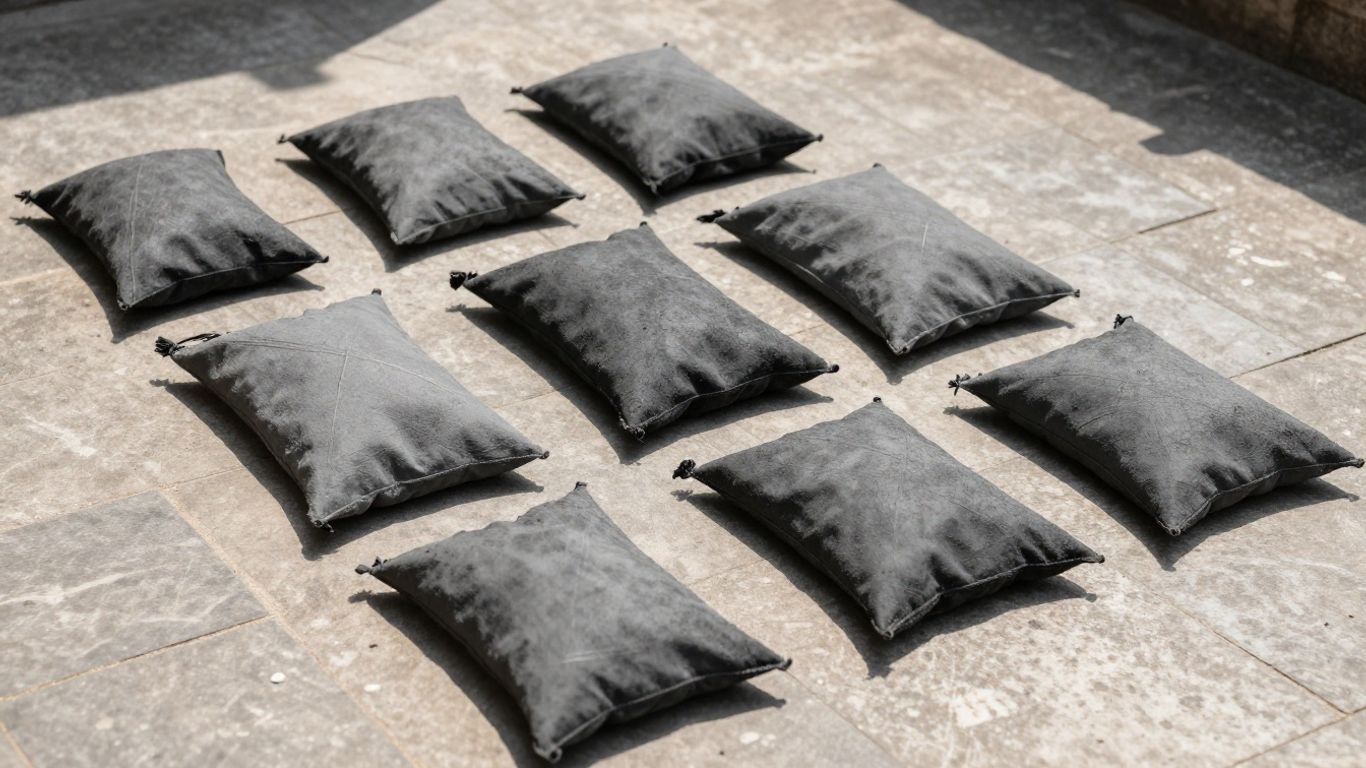
UV rays and heat act as a catalyst to release the moisture trapped within the charcoal’s pores. Without this step, the filter will eventually become saturated and stop attracting new water. Leaving them outside for a couple of hours on a clear afternoon resets their internal capacity and clears out the captured odors.
Frequency of recharging based on local humidity levels
In regions with very high humidity, you will find that your charcoal filters reach capacity faster than they would in temperate areas. A monthly schedule is usually sufficient for most homes, but seasonal changes may call for a more frequent cycle. Keeping track of how long the material stays dry to the touch will give you a good benchmark for your specific home.
Signs that your charcoal filter has reached maximum capacity
When these filters stop working, you might notice they feel noticeably heavier or the surrounding area starts to develop a faint musty odor. These are clear indicators that the carbon pores are full and need a solar refresh. If sunlight alone does not return the effectiveness after a few cycles, it is time to retire the old bags and replace them.
Selecting the right size and type for your needs
Evaluating the weight requirements for specific room sizes
Matching the weight of the charcoal to the volume of the space is key to consistent results. A small 50g pouch is perfectly adequate for a standard gym bag, whereas a 200g or 300g bag is necessary for an entire bedroom closet or small storage room. Aiming for more than the minimum coverage is usually a safe strategy, as the charcoal will simply work for longer before needing a recharge.
Comparing fabric quality and durability for long-term use
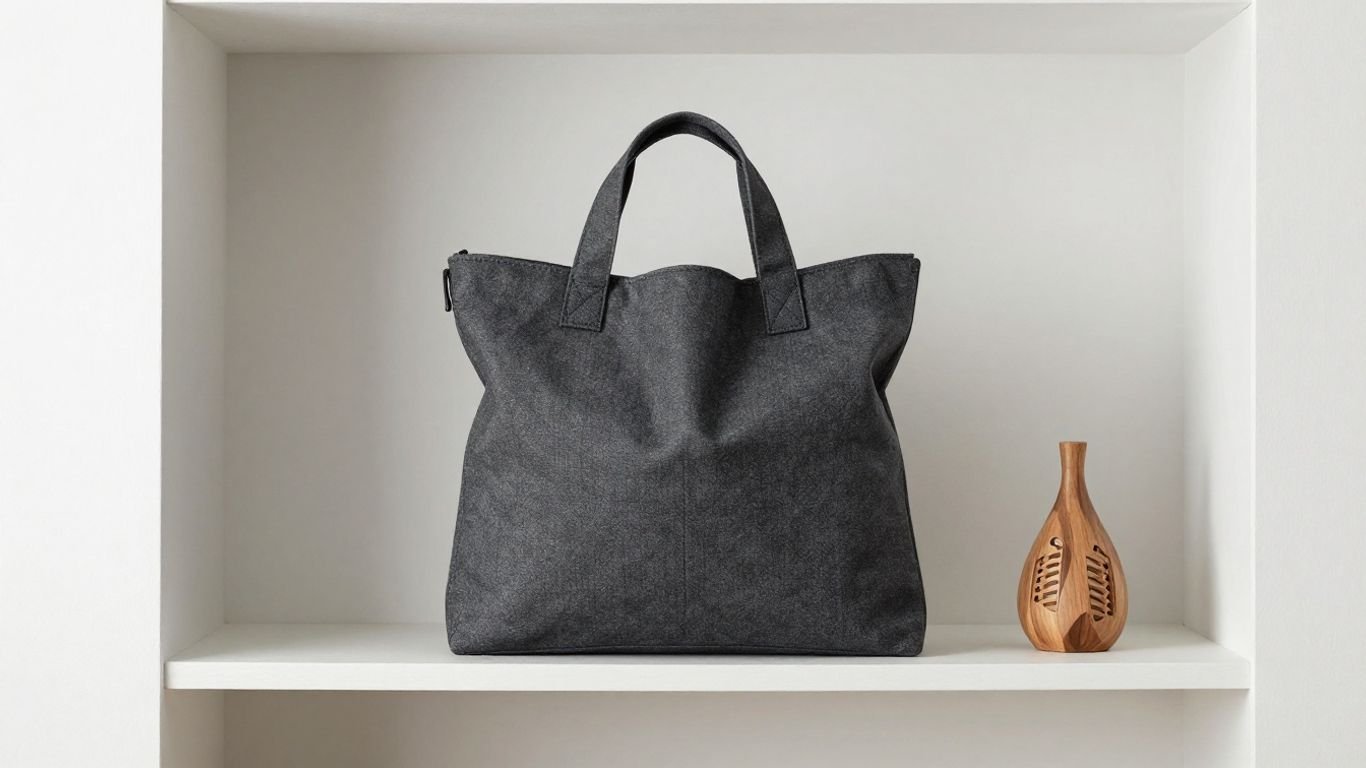
Because these bags will undergo regular handling and sun exposure, the outer fabric matters. Sturdy, breathable materials like linen or canvas prevent the fine charcoal powder from leaking while allowing high airflow. Opting for high-quality stitching ensures your investment lasts, as cheap fabric often frays under the sun’s harsh rays. Here is a quick breakdown to help you select a kit that suits your lifestyle:
- Pack of 4 Small (50g) bags for small electronics or glove compartments.
- Pack of 2 Medium (200g) bags for bathroom storage or walk-in closets.
- Pack of 1 Large (500g) bag for a vehicle cabin or small basement vault.
Choosing a bundled set often provides the best value, allowing you to cover your home’s hotspots with bags of the correct capacity. By placing the right size in the right area, you ensure a balanced indoor environment without needing excessive equipment.
Bundling and multi-pack strategies for whole-home coverage
Many consumers save time and effort by purchasing multi-packs that include various sizes for different zones in the house. This strategy allows you to distribute the bags strategically: larger units in the closet, smaller ones in the drawer, and a medium unit in the car. It is a simple, cost-effective way to secure your entire property against humidity-related damage.
Troubleshooting common charcoal dehumidifier issues
Why some bags may not reduce moisture as expected
If you find your air still feels damp, consider if the bag is placed in an area that is too large or too open. Charcoal bags are passive moisture absorbers designed for enclosed spaces, not high-airflow rooms. They perform poorly in open-concept living areas where they cannot create a concentrated micro-climate. Ensure the space is well-sealed during operation.
Identifying obstacles to airflow and surface contact
Air must physically move around the bag for moisture to be trapped; if it is buried under a pile of wet towels or hidden in a way that blocks airflow, its effectiveness significantly crashes. Keep the bags exposed or hanging freely to ensure the charcoal surface is always in contact with the surrounding air. Proper placement is just as important as the quality of the carbon inside.
Proper disposal and composting at the end of the product life cycle
Once the charcoal can no longer be recharged, the contents are actually quite valuable for your garden. The bamboo granules act as a great amendment for soil, helping it retain nutrients if they are still rich in organic material. Cut open the bag, dump the contents into your soil, and dispose of the remaining fabric according to your local recycling guidelines.
Conclusion
Managing moisture with bamboo charcoal is a simple, effective, and sustainable practice that protects your belongings from the damaging effects of humidity in any indoor environment. By pairing this natural method with consistent maintenance and strategic placement in your most vulnerable spaces, you create a healthier, fresher home that is free from mildew and musty buildup.
Frequently Asked Questions
Can charcoal dehumidifiers replace a standard dehumidifier?
They serve as excellent complementary tools, but they cannot replace a high-capacity electric machine in large rooms or areas with extreme moisture issues.
How often do I need to recharge my charcoal bags?
A good rule of thumb is to place them in the sun every 30 to 60 days to purge the internal moisture and maintain their absorption capacity.
Does charcoal work to stop mold from growing?
It effectively prevents mold by reducing local moisture, but it will not eliminate an existing large-scale mold colony that has already established itself on walls or surfaces.
Can I use these bags inside my kitchen pantry?
Yes, they are safe for food storage areas and are great at pulling out stale cooking odors while keeping boxed goods from softening due to damp air.
Will the charcoal leave any mess behind?
High-quality bags use tightly woven fabrics that contain the dust perfectly; simply avoid puncturing the fabric or washing the bag in a machine.
Can these be used in very cold climates?
They are most effective in warm, humid climates, as the physics of absorption relies on consistent temperature levels, though they remain functional in most indoor environments.
Are there any specific safety concerns for indoor use?
Bamboo charcoal is naturally non-toxic and non-flammable, making it entirely safe to leave in drawers, wardrobes, or near sensitive electronics without supervision.