Key Takeaways
Maintaining proper humidity levels is essential for keeping small, damp spaces healthy and structurally sound. Effective moisture control involves choosing the right technology, optimizing placement, and committing to regular upkeep.
- Identify signs of excessive humidity like persistent condensation and mold spotting.
- Select a compact unit that balances extraction capacity with your bathroom size.
- Prioritize models offering continuous drainage to avoid manual reservoir emptying.
- Maintain consistent airflow by keeping the unit away from walls and obstructions.
- Check and clean air filters bi-weekly to ensure efficient moisture removal performance.
Understanding bathroom and toilet humidity issues
Managing humidity in small, high-moisture spaces requires understanding how moisture interacts with common household materials. Bathrooms and toilets are naturally prone to saturation due to frequent water use, which can lead to rapid material degradation if left unmanaged.
Identifying moisture-related damage in small bathrooms
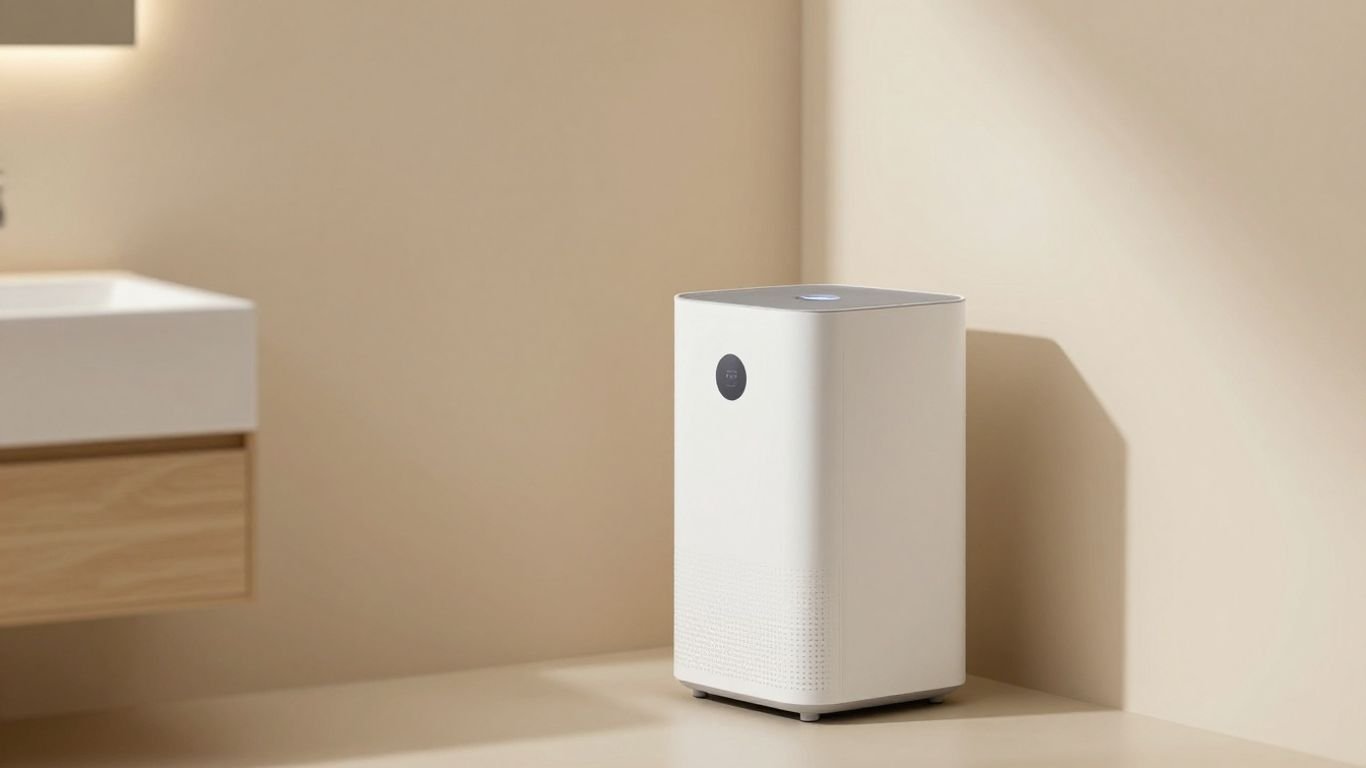
Many homeowners overlook subtle signs of moisture accumulation until the damage becomes deep-seated. Common indicators include dark, fuzzy spots on ceilings or grout, a persistent stale scent, or hardware that begins to show signs of premature oxidation. By using the DualCore 20 from Aerofy, you can effectively lower ambient humidity and safeguard your property from these common issues.
The link between humidity levels and mold growth
Mold thrives when relative humidity regularly exceeds sixty percent, particularly in environments with limited ventilation. When spores take root, they can cause health issues, ranging from throat irritation to respiratory distress, for those living in the home. Using a dehumidifier as a proactive measure helps stop mold before it develops into a widespread problem.
Why specialized toilet dehumidifiers differ from residential units
Residential units are often designed for larger living areas, whereas toilet-specific models must cater to restricted space and high-moisture spikes. Aerofy engineers units for specific tropical challenges, ensuring that even compact devices maintain the power needed for smaller, enclosed spaces. A dehumidifier crafted for these zones balances performance with a smaller footprint.
Benefits of installing a dehumidifier in your bathroom
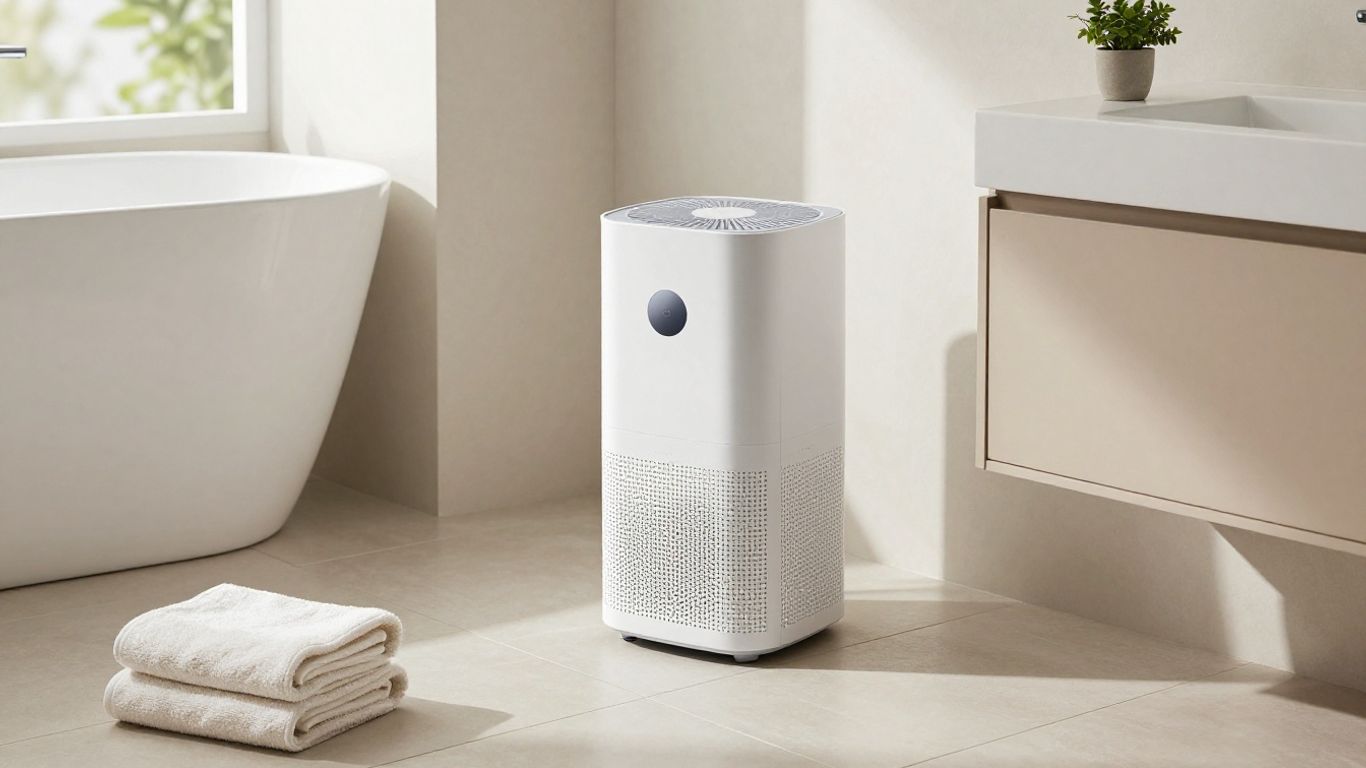
Installing an appliance designed for damp conditions significantly enhances the longevity and comfort of your home. By removing excess moisture, you protect the surfaces that are most susceptible to water-related decay.
Preventing structural deterioration and peeling paint
When walls are constantly exposed to steam, paint bubbles and wallpaper eventually fail, leading to costly renovations. By maintaining a target humidity, you protect the structural integrity of your walls and ceiling joists from moisture-induced rot. Integrating the Aerofy compact solution ensures your bathroom remains dry, preventing the recurring need for touch-ups or total wall repainting.
Eliminating unpleasant odors and dampness
Musty smells are often the first sign that moisture has become trapped in textiles or porous wall surfaces, signalling a need for better air management. Effective moisture removal neutralizes these odors at their source by ensuring towels and surfaces dry thoroughly after use. If you are struggling with bathroom humidity, a targeted approach keeps the atmosphere clean and feeling fresh.
Creating a more comfortable and hygienic environment
Controlled humidity prevents the growth of allergens like dust mites and mold, which improves indoor air quality. For a more pleasant experience, consider visiting our shop to see how Aerofy provides reliable options that improve daily hygiene. Dry air feels more comfortable, especially in hot, humid Asian climates.
Key features to look for in a toilet dehumidifier
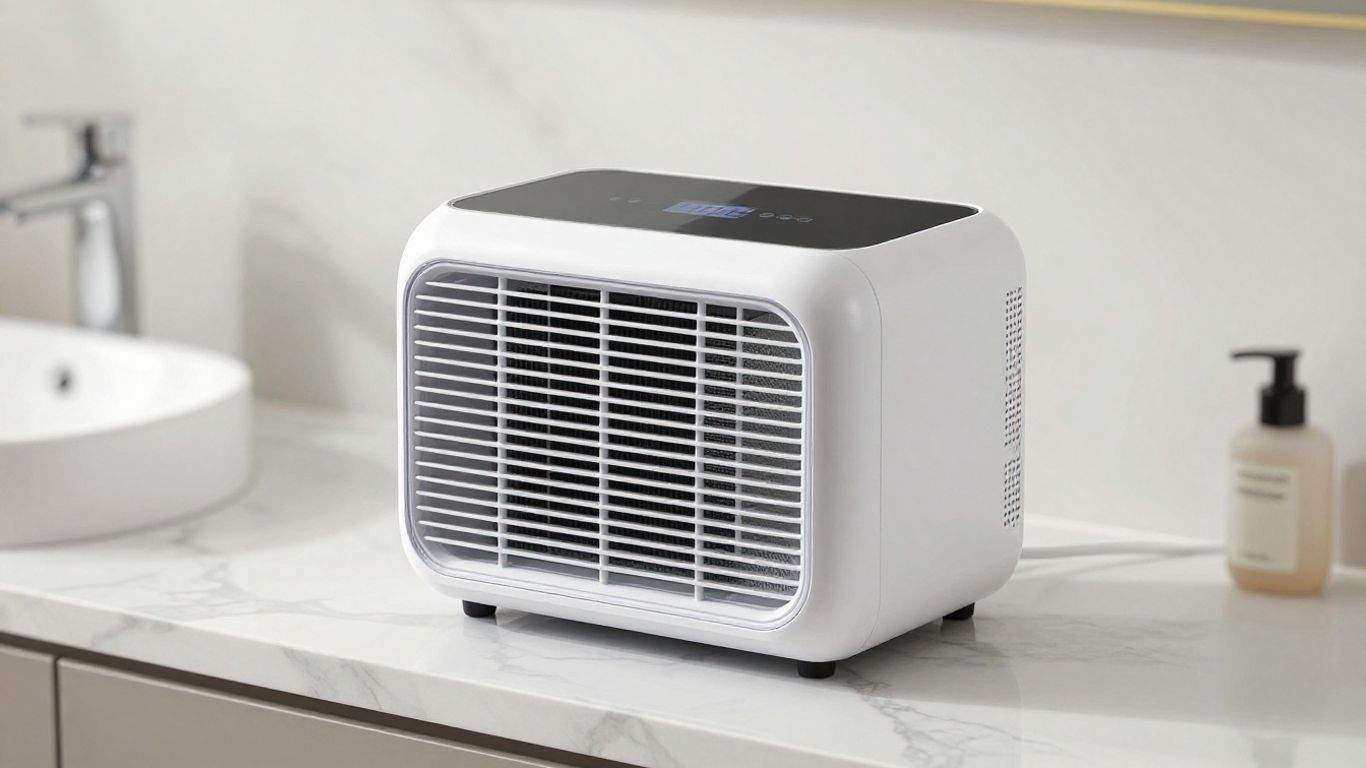
Choosing the right hardware is critical for efficiency in cramped layouts. The ideal unit should handle the moisture load generated by showers without consuming excessive power or occupying too much floor space.
Size and portability for cramped layouts
Effective hardware in a small room must be unobtrusive, allowing you to move around without obstruction. The table below compares essential features to look for when selecting your unit:
| Feature | Importance | Benefit |
|---|---|---|
| Capacity | High | Prevents overflow in small rooms |
| Dimensions | Compact | Ensures easy storage and mobility |
| Filtration | HEPA | Improves general indoor air quality |
Energy efficiency and low-wattage operation
Efficiency is the hallmark of well-engineered hardware, ensuring that your device does not significantly add to your monthly utility bills. Modern units often use advanced rotary compressors to maximize the extraction rate while keeping power usage low. You want a machine that runs quietly and consumes minimal electricity while keeping your home dry.
Automatic shut-off and continuous drainage options
Handy features like automatic sensors protect your flooring from leaks by stopping operation when the reservoir reaches capacity. Even better, setups that offer a hose connection for continuous drainage ensure you never need to empty a tank during your busiest times. This level of automation is vital for maintaining a consistent and dry environment throughout the year.
Best practices for positioning your dehumidifier
Placement determines the overall effectiveness of your appliance, as it needs to draw in air from the most saturated parts of the room. A well-placed unit creates a cycle of circulation that efficiently targets hidden corners where moisture usually accumulates.
Optimizing airflow for effective moisture removal
The following steps will help you achieve the best placement and airflow for your room:
- Place the unit in a corner that sees the most steam concentration.
- Ensure at least 30 centimeters of clearance on all intake sides.
- Keep the unit away from direct heat sources to prevent sensor interference.
- Avoid placing the device inside enclosed cabinets or under tight shelving.
By following these simple steps, you ensure that the machine can operate efficiently and cover the entire room area.
Ensuring electrical safety in a water-prone environment
Safety is paramount when using electrical equipment in rooms exposed to water splashes or high humidity. Always ensure that your unit is kept away from sinks, showers, and direct spray zones to avoid any accidental contact. Ensure that your power outlet is properly grounded and ideally protected by a residual current device (RCD) to prevent any electrical hazards in your bathroom.
Balancing dehumidifier use with existing exhaust ventilation
Using an exhaust fan simultaneously with your appliance can often feel redundant, but they actually serve complementary roles. The fan clears heavy steam while the unit handles fine moisture levels that persist long after the shower. This dual-performance approach ensures that the air is properly treated without letting moisture settle into the room’s surfaces.
Maintenance and care for long-term efficiency
Consistent maintenance is the secret to getting the longest lifespan from your device. Neglecting simple cleaning chores can severely diminish the extraction rate and lead to poorer air quality.
Cleaning filters to maintain airflow and air quality
Dust and lint buildup acts as a barrier, preventing air from circulating through the cooling coils effectively. Use a soft vacuum or warm water to gently clean the pre-filters every two weeks, depending on your room’s dust levels. Keeping the intake area clear is a foundational step in bHIP Suplementos for air health, as it ensures your unit performs precisely as intended by the manufacturer.
Managing water reservoirs versus direct drain setups
If you prefer the reservoir method, be sure to wash the bucket with a mild detergent once a month to prevent slime or mold buildup. For those using direct drainage, periodically inspect the hose connection to guarantee there are no kinks or blockages that could lead to a backup. Regular checks prevent minor issues from becoming costly repairs.
Troubleshooting common performance issues in humid zones
If you notice the unit is running but failing to collect water, check if the temperature of the room has dropped below the operational threshold for the refrigerant being used. In very humid areas, sensors may sometimes drift, so recalibrating or resetting the device can often restore its efficiency. Sometimes, the issue is simply an improperly closed window or door that is introducing too much external moisture into your controlled space.
Scenario Time: Troubleshooting the ‘Cold Wall’ Effect
Imagine you just finished a hot shower on a rainy, humid day. Despite running your dehumidifier, you notice condensation still forming near the window frame. This happens when the wall surface temperature is much lower than the dew point, causing moisture to condense immediately upon contact. The solution is to aim your unit’s airflow gently toward that cool corner to help warm up the surface air, slowly raising the wall temperature and preventing that persistent condensation from settling.
Conclusion
Taking control of your bathroom’s humidity is one of the most effective ways to preserve your home’s condition and improve your overall well-being. By selecting a purpose-built unit, positioning it for maximum circulation, and staying on top of routine filter maintenance, you safeguard your space against moisture-related damage and ensure a fresher, healthier environment that makes your daily routine far more pleasant.
Frequently Asked Questions
Can I leave my bathroom door open while the unit is running?
It is better to keep the door closed during operation to allow the unit to concentrate its efforts on the specific bathroom volume. Leaving the door open forces the machine to process air from the rest of your home, which makes the moisture removal process much slower and less efficient.
How often should I check the water tank?
If your unit does not have a continuous drainage hose, you should check the tank daily if the bathroom is used frequently. Most modern appliances include a light or an automatic shut-off feature, but manually checking helps prevent unexpected overflows during the night.
Do these units actually remove odors?
Dehumidifiers do not mask odors, but they eliminate the moisture that allows odor-causing mildew and mold to thrive. By removing the dampness, they resolve the root cause of the musty smell, which is the primary reason the air begins to feel and smell cleaner after a few days of use.
What is the ideal relative humidity level for a bathroom?
Aiming for a relative humidity between 40 percent and 50 percent is generally considered ideal for a home environment. This range is low enough to prevent mold spores from germinating on damp surfaces, yet it is rarely uncomfortable for the average person.
Does running a dehumidifier help dry towels faster?
Yes, reducing the ambient moisture in the room allows water to evaporate from towels much faster than in a saturated, steamy atmosphere. A drier room promotes efficient drying, which also prevents your towels from developing that damp, musty stench after only one use.
Is it safe to use an electric dehumidifier near a sink?
Always maintain a safe distance—typically at least one meter—from any water source like a sink or shower. While these devices are designed to handle high humidity, they are not waterproof appliances, and placing them near splashing water presents a serious electrical hazard for the user.
How long does a standard filter last before needing replacement?
Most pre-filters designed to catch dust are washable and can last the lifetime of the unit if properly cared for. However, if your model utilizes a specialized HEPA or charcoal filter for purification, these components typically require replacement every six to twelve months, depending on the intensity of your usage.