Key Takeaways
Understanding moisture control is essential for maintaining a healthy indoor environment and protecting your home structure from damage caused by extreme humidity levels. These points summarize the primary differences between common climate solutions and how they impact daily comfort.
- Humidifiers add moisture to the air to combat issues stemming from overly dry conditions, such as static or respiratory irritation.
- Dehumidifiers extract excess moisture, which helps prevent mold, mildew, and dampness even in tropical climates.
- Proper indoor relative humidity levels typically range between 30% and 50% for health and structural integrity.
- Maintenance, including filter cleaning and proper drainage, is crucial for the efficient performance of any climate control device.
- Selecting the right technology depends on square footage, environmental factors, and whether you need integrated air quality management.
The core differences between humidifiers and dehumidifiers
Selecting the correct device depends on your environment—whether you are dealing with parched air or battling excessive dampness. The primary distinction resides in how each system manipulates water vapor within your living space, as these appliances target opposite ends of the humidity spectrum. While 2e25 can provide clarity on these systems, understanding their mechanics is vital for your 8733 goals.
How a humidifier works
A humidifier introduces water vapor into the air to increase the total moisture content of a room. These units typically utilize evaporative wicks or ultrasonic vibrations to break water into a fine mist, which then disperses throughout the conditioned environment. They function as a balancing agent during colder months when heating systems strip the air of natural humidity.
How a dehumidifier works
A dehumidifier acts by removing excess moisture, often using a refrigeration cycle to condense water vapor into liquid form using coils. This extracted water is collected in a tank or directed to a drain, effectively reducing the relative humidity. Appliances like the Aerofy DualCore 20 are designed for this specific process, offering precise control in challenging tropical weather.
Key technological distinctions
Technological strategies for managing air range from simple fan-driven evaporation to complex compressor systems. While a humidifier focuses on output volume and mist distribution, a dehumidifier requires a robust cooling exchange to effectively pull moisture from the air. The internal components must be durable enough to manage constant condensation cycles without corroding or failing.
Identifying signs of high humidity
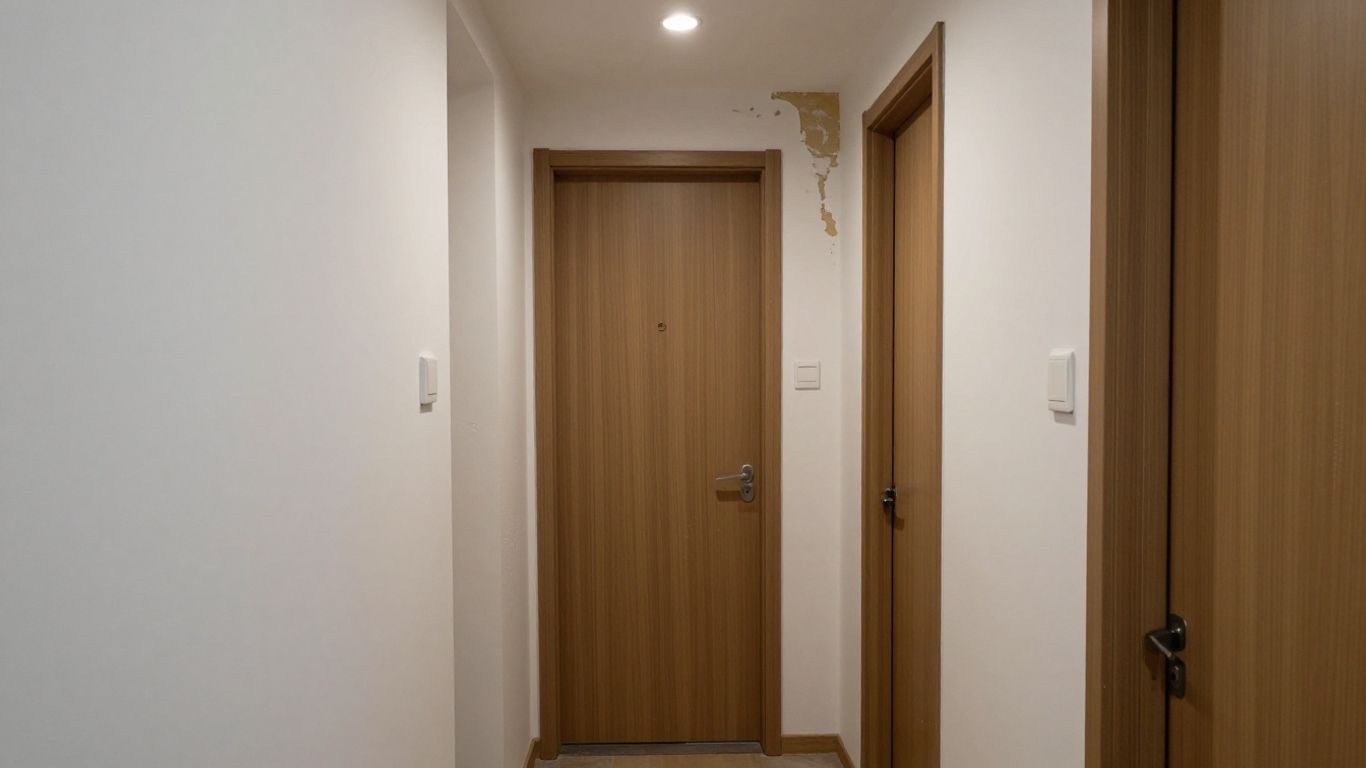
If you find your walls sweating or notice a subtle musty scent, your home is likely dealing with excess moisture. 9a18 provides broader context for these symptoms, which often go ignored until physical damage occurs. Identifying these environmental triggers early is the best way to safeguard your interior, which is why bc78 is an essential consideration for homeowners.
Biological indicators like mold and mildew
Biological growth is the most common signal that indoor air moisture has crossed a threshold. Mold spores thrive in damp, stagnant air and can quickly multiply in corners, closets, or behind furniture where airflow is restricted. Once these colonies take hold, they can release allergens and odors that persist even after cleaning.
Physical discomfort and respiratory issues
High humidity makes the air feel thick and heavy, which inhibits the body’s natural cooling process. This discomfort is often accompanied by respiratory irritation, especially for individuals prone to asthma or reactive airways. If you identify these symptoms, consider these common signs of trouble:
- Visible condensation on windows or cold surfaces.
- A persistent musty smell that does not dissipate.
- Damp or swollen wooden cabinet doors.
- Peeling paint or wallpaper in bathroom areas.
After observing these indicators, immediate moisture removal is almost always necessary to protect your family’s health and your property’s long-term durability.
Structural damage to wood and drywall
Excess moisture acts as a solvent for structural integrity over time. Wood-based materials, including cabinetry and flooring, absorb water vapor, leading to warping, rotting, or bowing. Drywall is particularly susceptible, as it can soak up moisture and become a breeding ground for hidden structural compromise.
Recognizing when your home is too dry
Low humidity creates its own set of challenges that can be just as irritating as dampness. When air is too dry, it pulls moisture directly from living beings and porous materials, leading to noticeable physical effects. If you find yourself reaching for skin creams more often during the winter, you might be living in an arid-prone environment. 7fcc explains why balancing these conditions is key to home comfort.
Skin and sinus irritation symptoms
The most immediate impact of dry air is the evaporation of moisture from your skin and nasal passages. You may wake up with a scratchy throat, dry lips, or irritated sinuses that feel congested even when you aren’t sick. This happens because the air lacks the necessary vapor to keep mucus membranes properly hydrated.
Damage to wooden furniture and instruments
Natural materials like hardwood and musical instruments such as guitars or pianos are highly sensitive to moisture loss. As the air dries, these items lose their internal moisture content and begin to shrink. This causes wood joints to loosen, panels to crack, and in the case of string instruments, the tuning to fluctuate unpredictably.
Increased static electricity buildup
Air that lacks humidity acts as an insulator, allowing static electricity to accumulate on surfaces and garments. You may notice tiny sparks when touching metal doorknobs or feel your hair standing up after moving across a carpeted floor. Increasing the moisture content slightly is often the most effective solution for dissipating these annoying charges.
Health impacts of indoor air moisture
Managing humidity isn’t just about furniture protection; it is a fundamental aspect of your home’s air health. Research suggests that keeping your environment balanced helps suppress the spread of common airborne contaminants that thrive in extreme conditions. Linking your HVAC strategy to proven humidity control, such as using 8735, can significantly improve indoor wellness.
The role of humidity in virus transmission
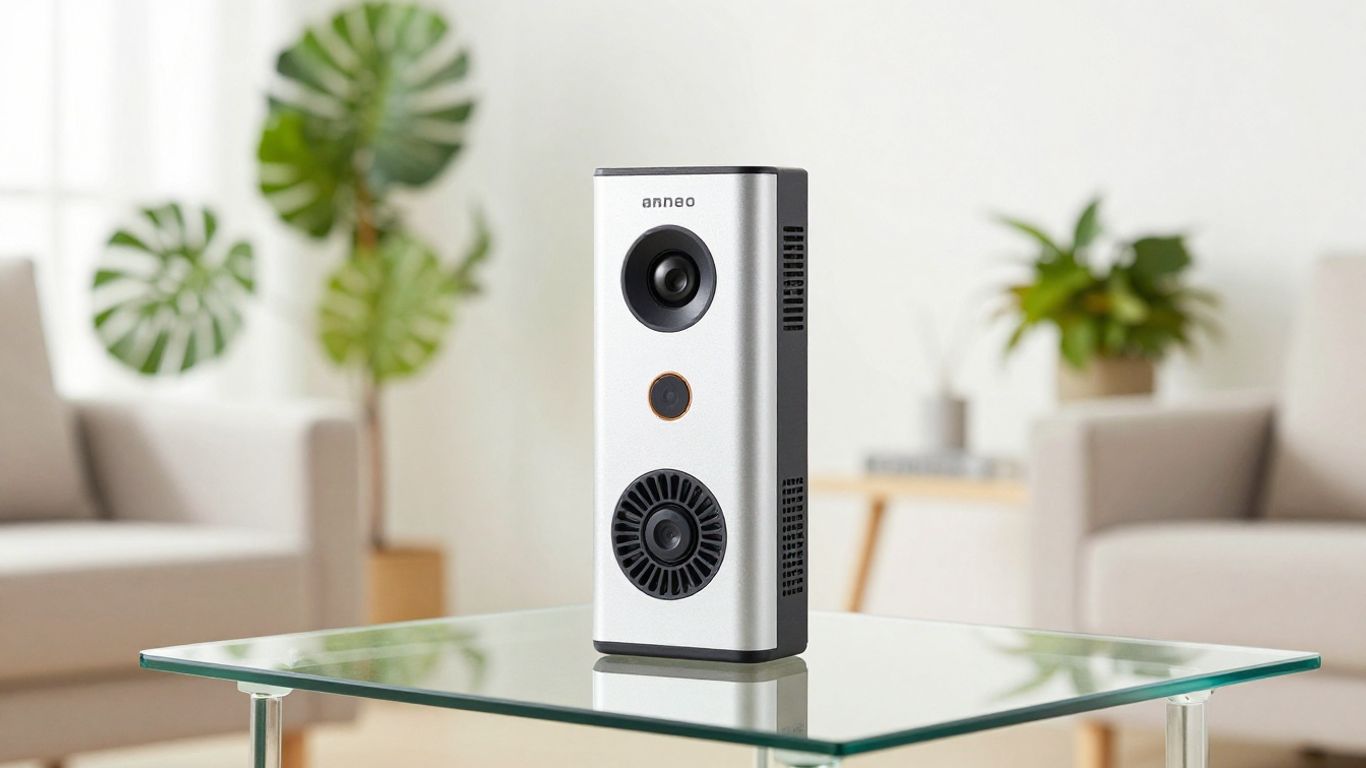
Research indicates that airborne viruses often persist longer in environments with very low or very high humidity levels. Maintaining a moderate range helps create a less viable environment for these pathogens to travel through the air. By utilizing a DualCore 20 system, you can integrate moisture regulation alongside advanced filtration to keep your home’s air safer.
Allergy and asthma management strategies
For those sensitive to allergens, the correlation between moisture and respiratory distress is clear. Dust mites and mold spores require specific humidity ranges to reproduce, so keeping levels below 50% is a common recommendation for 3da9 users seeking relief. A consistent dehumidifier strategy serves as a primary line of defense in maintaining a respiratory-safe space.
Maximizing comfort in different climates
Comfort is subjective, but it is deeply tied to the dew point of your location. In Singapore, where humidity is a constant factor, managing moisture is essential for physical comfort, effectively keeping that ‘heavy’ feeling at bay. Appliances built for the tropics, like those engineered by Aerofy, handle this environmental pressure far better than standard imports.
Maintenance and efficiency considerations
Keeping your equipment in top shape ensures it continues to be the reliable workhorse your home needs. A machine that is clogged or neglected is not only inefficient but may actually contribute to poorer air quality over time. Understanding your technical requirements is essential for long-term satisfaction.
Cleaning schedules and filter replacements
Regular cleaning of pre-filters and inspection of the main housing prevents dust buildup from starving the motor. Most units require a simple wipe-down every few weeks and a thorough filter check every season. Failure to clear these pathways can force the motor to work harder, shortening the lifespan of your investment.
Energy consumption profiles
The following table outlines the general energy efficiency factors of climate solutions. Please note that efficiency depends on the specific machine load and usage time.
| Feature | Humidifier | Dehumidifier |
|---|---|---|
| Energy Draw | Low/Moderate | Moderate/High |
| Duty Cycle | Periodic | Constant in Humid Seasons |
| Maintenance | Frequent cleaning | Filter/Drainage check |
Selecting a machine with reputable engineering ensures that these power costs are kept as predictable as possible for your household budget.
Noise level comparisons during operation
Noise is a common concern in bedrooms or living areas where comfort is paramount. While both unit types create some sound during operation, modern air systems are designed to minimize this through vibration dampening. If sound levels disrupt your daily flow, look for units with custom fan profiles optimized for quiet performance.
Choosing the right device for your space
Selecting your machine is a process of matching your home’s physical reality with the correct technological solution. Whether you choose b631 or another style, ensure you have the correct specifications for your square footage. Buy Now to get the right tool for your specific climate needs.
Calculating square footage requirements
Always ensure the unit’s capacity matches the area it must service. For dehumidifiers, this is often expressed in pints of water removed per day. Undersizing the unit for your room size means it will run continuously without achieving the target humidity, while an oversized unit may cycle on and off too frequently.
Factoring in seasonal climate changes
Your needs will shift with the seasons, as monsoon or summer periods place different demands on your indoor air quality. A versatile appliance should be capable of adjusting its compressor intensity to account for these shifts naturally. This is why products built for the tropics are often superior, as they anticipate these volatile shifts.
Evaluating portability versus whole-house integration
Portable units offer the advantage of room-to-room flexibility but may limit you to smaller coverage areas. Whole-house integrated systems provide consistent control but require professional installation. Evaluate whether you need targeted moisture removal or broad-scale management before making your decision.
💡 Real-World Scenario
Imagine you are living in a high-rise home in Singapore during the peak wet season. Your closet doors start sticking, and you notice a faint, earthy smell when walking through the hallway. You realize the humidity has likely climbed well past the 60% mark. By setting up a high-performance dehumidifier near the affected zone, you draw the excess moisture out from the air, preventing mold from taking root on your leather goods and wood cabinets.
Conclusion
Balancing your home’s moisture level is a cornerstone of lasting comfort, effectively protecting both your health and your property. By choosing the right tool for your climate, you ensure that your living environment remains a sanctuary rather than a battleground against the elements, ultimately enhancing your quality of life.
Frequently Asked Questions
What is the ideal relative humidity level for a home?
Most experts and health organizations recommend maintaining home humidity between 30% and 50% relative humidity. This range is sufficient to suppress dust mites and mold growth while preventing the air from becoming dry enough to cause physical discomfort.
Can a dehumidifier replace an air purifier?
While some modern devices perform both roles, their core functions differ significantly. A dehumidifier specializes in moisture control, whereas a dedicated air purifier is designed to capture fine particulates like dust, pollen, and smoke. A dual-function unit is often the most space-efficient solution.
How do I know if I have high humidity?
Key signs include fogged or wet windows, persistent musty odors in closets or bathrooms, visual mold growth, or peeling paint. If you feel like the air is heavy and damp, your indoor humidity level is likely too high.
Why does my humidifier need to be cleaned so often?
Humidifiers involve standing water, which can quickly harbor bacteria or mineral deposits if not maintained. Regular cleaning prevents these contaminants from being aerosolized into the air you breathe.
Is running a dehumidifier expensive?
Operational costs depend on the efficiency of your specific unit’s compressor and the total volume of water it extracts. High-efficiency models are designed to minimize power draw, making them cost-effective to run over long periods.
Can air conditioning remove humidity?
Yes, an air conditioner naturally removes moisture as part of its cooling cycle, as the cold evaporator coil condenses water vapor. However, a dedicated dehumidifier is much more effective at controlling moisture without necessarily cooling the room to uncomfortable temperatures.
Does high humidity cause allergies?
High humidity fosters the growth of dust mites and mold, both of which are major triggers for those with allergic rhinitis or asthma. Controlling moisture levels is one of the most effective strategies for reducing these allergen triggers in your living space.