Key Takeaways
Managing indoor humidity is vital for health and comfort in Singapore’s unique tropical environment.
- High indoor humidity facilitates mould growth and impacts indoor air quality.
- Selecting the right dehumidifier requires balancing capacity, coverage, and power efficiency.
- Integrated 2-in-1 units offer space-saving benefits for urban homes.
- Routine maintenance of tanks and filters ensures longevity and performance.
- Correct sizing prevents unnecessary utility costs and maximizes equipment lifespan.
Understanding humidity levels in Singapore
Singapore maintains a persistent tropical climate where humidity often stays well above the comfort threshold. Without proper mitigation, households naturally accumulate excessive moisture, which creates issues for both the building structure and the respiratory health of those living inside. Understanding these environmental realities helps residents make informed decisions when improving their living spaces.
The impact of Singapore’s tropical climate
High ambient humidity levels often lead to the rapid proliferation of mould on walls and furniture, particularly in older apartments or units with poor ventilation. When moisture levels skyrocket during the monsoon season, even daily tasks like drying clothes become a challenge in smaller living quarters. A consistent approach to climate control represents a necessary investment for maintaining a healthy home.
Identifying signs of excess indoor moisture
Homeowners should stay vigilant for common indicators that humidity levels have drifted beyond a manageable range. Look for dark spots forming on ceiling corners, a persistent musty smell that persists even after deep cleaning, or window condensation that lingers well into the morning hours. These are clear signals that your home requires a more robust moisture control solution.
Recommended relative humidity levels for comfort
Maintaining a relative humidity between 40% and 50% is generally considered optimal for indoor living environments. This range effectively suppresses the growth of dust mites and mould while remaining comfortable for human skin and respiratory systems. Using a digital hygrometer allows residents to track these levels precisely and adjust their appliances accordingly to protect against structural damage.
Key features to look for in a dehumidifier
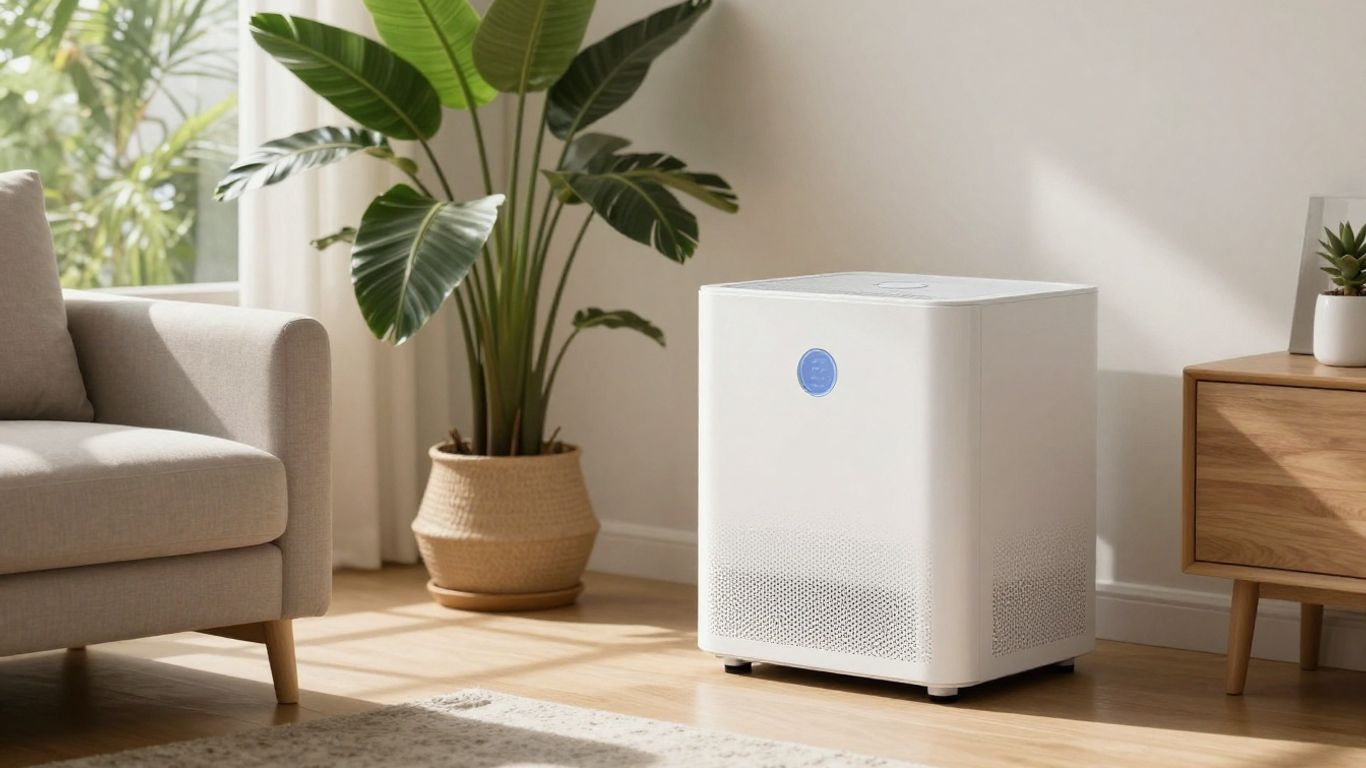
Selecting an appliance that balances power with energy efficiency is critical for long-term usage. Modern units should provide clear data about their moisture extraction rates, ensuring they are suitable specifically for the high-temperature performance required by tropical homes. It is often helpful to examine humidity guidelines before finalizing your decision.
Capacity and coverage area requirements
Capacity refers to the amount of water a unit can pull from the air within a 24-hour period. A machine undersized for your specific square footage will run continuously without achieving the target humidity, leading to wasted electricity. Always match the unit’s pint rating to your layout to ensure it handles the expected air volume efficiently.
Energy efficiency ratings and power consumption
Operational costs can accumulate quickly in a humid climate where devices run daily. Look for smart monitoring features that allow you to track power draw or automatic adjusters that throttle the unit down once the target humidity is reached. This reduces total electricity consumption significantly over the course of a year.
Smart controls and automation features
Connectivity features allow users to monitor their home environment while on the go. Integrated smart sensors can detect fluctuations in real-time and toggle the compressor on or off accordingly. Finding an appliance that allows this level of automation turns a chore into a seamless background task.
Noise level considerations for bedrooms and offices
Quiet operation is a priority for units placed near sleep areas or home workspaces. Advanced units often incorporate quieter rotary compressor designs that minimize vibration and hum. You should compare decibel ratings carefully to ensure the appliance does not disturb your nightly rest or focus during the day.
Types of dehumidifiers suitable for Singaporean homes
Choosing the right technology depends on how you plan to use the device. Different mechanical designs offer unique advantages for specific parts of the home, whether that is a master bedroom, a walk-in closet, or a central living room.
Compressor-based units for rapid moisture removal
Compressor units function like a refrigerator, using cooling coils to condense moisture from the air. These are the most effective models for the tropical heat because they handle high ambient temperatures efficiently. Many residents find these the most reliable option for open-plan living areas.
Desiccant models for cooler or smaller spaces
Desiccant dehumidifiers utilize chemical absorbent materials rather than cooling coils, making them quieter and potentially more effective in cooler room temperatures. These units are often smaller, making them highly portable, though their energy consumption patterns differ from compressor models.
Peltier thermoelectric dehumidifiers for closets and small storage
Thermoelectric units use a heat pump system, which is incredibly compact and silent but generally lower in capacity. These are perfect for targeted use in cabinets, walk-in wardrobes, or storage cupboards where mild moisture levels cause odour or mildew buildup.
Maintenance and cleaning best practices
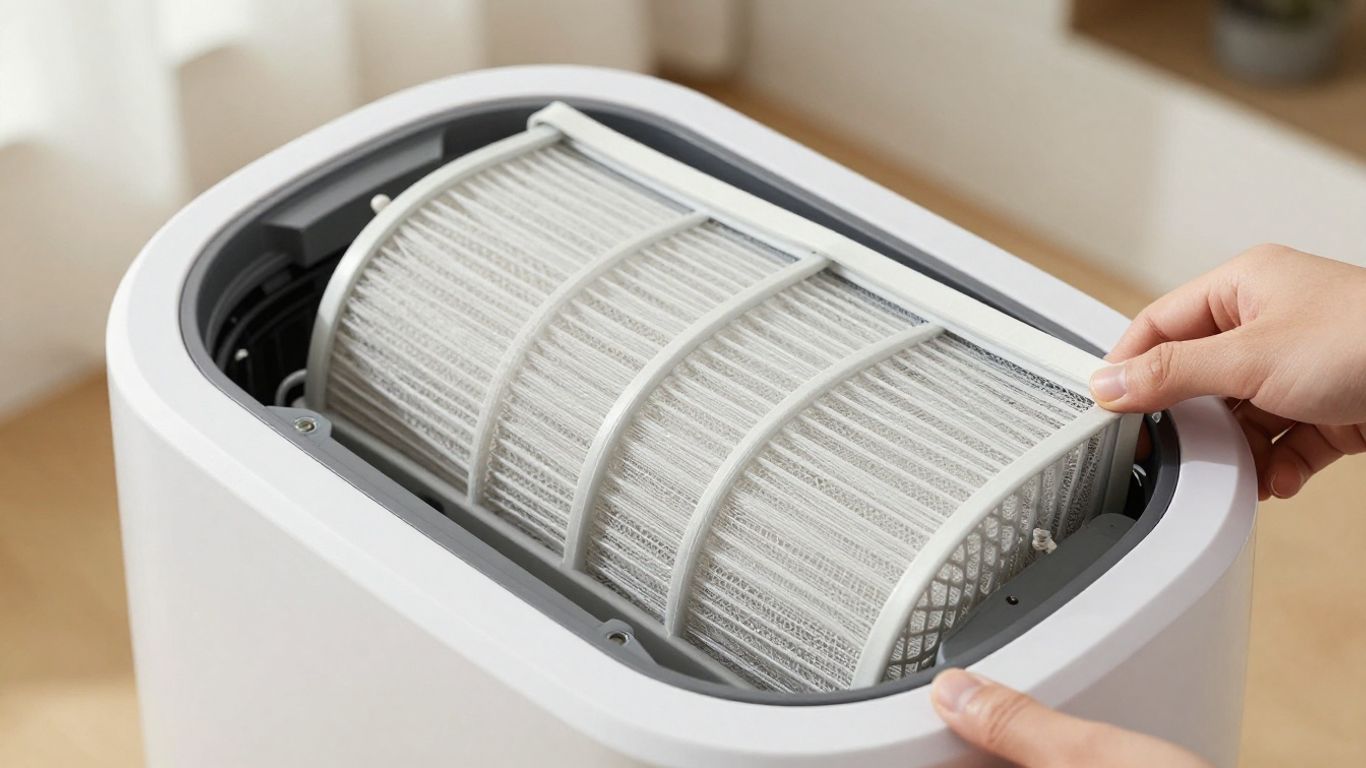
Keeping your device in top shape requires a simple ongoing routine that prevents performance degradation. Neglecting routine care leads to clogs and inefficiency, which directly impacts the unit’s ability to pull moisture out of your indoor air during peak monsoon surges.
Frequency of water tank drainage
Depending on the local humidity, you might need to empty your tank daily to prevent the auto-shutoff mechanism from pausing your operation mid-day. A common strategy for Singapore homes involves choosing a unit with a large capacity tank if manual drainage is not convenient for your schedule.
Cleaning air filters to prevent mold buildup
Air quality depends on having clean intake paths. Accumulated dust acts as a nutrient source for mould and restricts airflow, forcing the motor to work harder than necessary. Regular inspection of the filter screens is essential for hygiene.
Troubleshooting common drainage issues
When a unit fails to collect water, check the drainage hose for kinks or blockages that restrict flow. Persistent issues might indicate a build-up in the internal drip tray or a faulty float switch preventing the unit from triggering.
Seasonal upkeep during the monsoon season
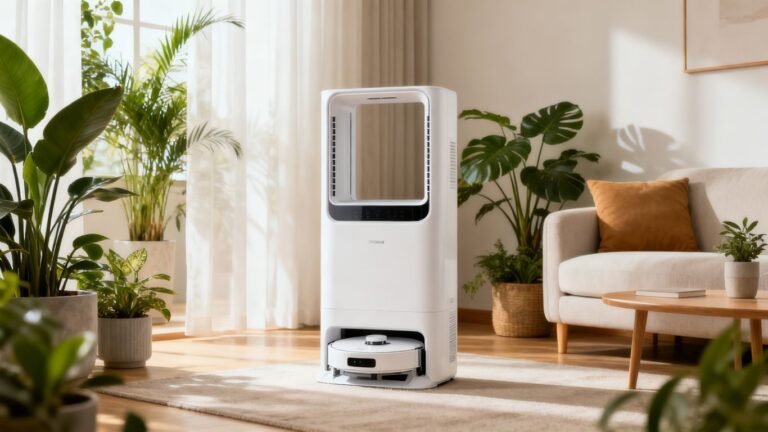
During the wettest months, you should increase the frequency of your internal checks to ensure the unit handles the higher workload. If you want a truly comprehensive solution for these periods, consider a device that integrates air purification with moisture removal.
Comparing popular brands available in Singapore
Market options range from global electronic giants to local engineering firms, each offering different trade-offs. Assessing these brands requires looking beyond the marketing claims and focusing on build quality and relevance to the tropical environment.
Evaluating performance of international brands
International models often offer slick interfaces and brand recognition, though they may not always be optimized specifically for tropical heat. You should check if the internal components are rated for high-ambient-temperature operation to ensure long-term durability.
Reviewing value-for-money local favorites
Local options are often engineered specifically for the extreme conditions found on the island, which is a major advantage. Products such as the Aerofy DualCore 20 stand out by addressing the dual need for effective dehumidification and high-grade air purification in one single appliance design.
Assessing after-sales support and warranty terms
Look for providers who carry parts locally and offer straightforward repair processes. A robust warranty is only as good as the availability of the support team backing it up, which simplifies the experience if your unit requires a check-up.
Common mistakes when buying a dehumidifier
Choosing an incompatible unit remains the primary reason for user dissatisfaction. Many people fail to look at technical specifications, focusing instead on aesthetic design or price, leading to poor results in actual living conditions.
Selecting the wrong size for your square footage
| Feature | Small Apartment | Large Family Living Area |
|---|---|---|
| Capacity Needed | Under 10L/day | 20L+/day |
| Noise Level | Low (Sub-35dB) | Standard (40-50dB) |
| Primary Focus | Portability | Power & Coverage |
Selecting a unit that is too small for your room size forces it to run without ever reaching the humidity target, while one that is too large can waste energy and create excessive noise.
Ignoring drainage options for continuous operation
Many users overlook the convenience of a continuous drain hose. If you reside in a high-moisture area, finding a unit that supports a hose connection for direct sink or drain output eliminates the need for manual tank emptying and prevents the unit from stopping while you are away.
Underestimating the cost of electricity
The power consumption profile of a unit is often overlooked during the purchase process. You must account for the duration of intended operation, as inefficient units can add significant expenses to your monthly utility bills.
Misunderstanding auto-shutoff safety features
Every buyer should read the documentation on safety shut-off protocols. Some units simply stop, while others provide alerts via mobile apps or audible alarms, and knowing how your specific unit manages a full tank prevents accidental water spills and potential electrical hazards.
Conclusion
Investing in a quality air management system helps transform the indoor atmosphere of your home, turning humid, uncomfortable spaces into dry and refreshing living environments. By choosing technology specifically engineered for our climate—such as premium dehumidifiers—you can effectively prevent the long-term impact of excess moisture on your property and your well-being. For those ready to improve their home environment today, take the next step and buy your unit to experience the difference firsthand.
Frequently Asked Questions
How long should I run my dehumidifier each day?
Most modern units can run continuously if they feature a humidistat that cycles the compressor off when the target humidity is reached. This is generally the most effective way to keep your home’s moisture levels stable without unnecessary power usage.
Is it possible to use a dehumidifier while sleeping?
Yes, many people comfortably use a dehumidifier in their bedroom during the night to maintain a dry atmosphere. Just ensure you select a unit with a low decibel rating and disable any bright display lights that might interfere with your rest.
Does a dehumidifier need special water disposal?
No, the water collected is simply condensed atmospheric moisture and can be safely poured down your standard household sink or used to water indoor plants that are not intended for consumption.
What prevents a dehumidifier from collecting water?
Check for a faulty float switch inside the tank, ensures the air filter is clear of debris, or verify that the machine is set to a target humidity level lower than the current room humidity. If these are fine, there might be a larger mechanical issue.
Can a dehumidifier help with allergy relief?
Yes, keeping your indoor humidity levels between 40% and 50% helps suppress dust mites and mould spores, which are common triggers for respiratory allergies. This creates a much cleaner environment for sensitive individuals.
Does the humidity level affect the room temperature?
While a dehumidifier is not a cooling device, reducing the humidity makes the air feel much less sticky, which allows your body’s natural cooling mechanism to work better, effectively helping you feel cooler in steamy conditions.
Is it safe to leave a dehumidifier unattended?
Most reliable units are built with automatic shut-off safety features that deactivate the machine if the tank becomes full or if internal sensors detect a fault. This makes them safe for continuous use while you are at work or away from home.