Key Takeaways
Selecting the right moisture control solution depends on your specific environment and the intensity of humidity issues in your home. This guide explains how to optimize your indoor climate with a compact unit.
- Compact units are best suited for smaller living spaces up to 1,000 square feet.
- Proper maintenance of your air filter and water tank is essential for sustained performance.
- Correct room placement significantly enhances the moisture extraction rate of any portable dehumidifier.
- Understanding the difference between maintenance and laundry drying modes helps you choose the right setting.
- High-moisture issues often require integrated solutions that target both humidity and air purity.
Benefits of using a compact dehumidifier
Living in tropical climates often requires more than just standard climate control to combat the constant dampness. A compact dehumidifier offers a streamlined solution for residents who need to manage air quality without sacrificing valuable floor space. These units are engineered to handle the specific pressures of year-round humidity. When you choose an Aerofy DualCore 20, you receive a device designed in Singapore that balances dehumidification with air purification capabilities in one unit.
Space-saving design for small apartments
Small-footprint designs allow these units to fit seamlessly into areas where larger equipment would be intrusive. They integrate into hallways, corners, or under consoles without disrupting your home’s layout.
Portability for room-to-room versatility
Lightweight construction makes it simple to move your unit from the bedroom to the living area. This versatility ensures that you can target dampness where it occurs most, such as next to a wardrobe or near a bathroom during peak usage.
Energy efficiency in confined spaces
Well-engineered units provide effective operation with less power draw. By focusing on smaller zones, they maintain an ideal environment without unnecessary energy consumption.
Identifying the right capacity for your space
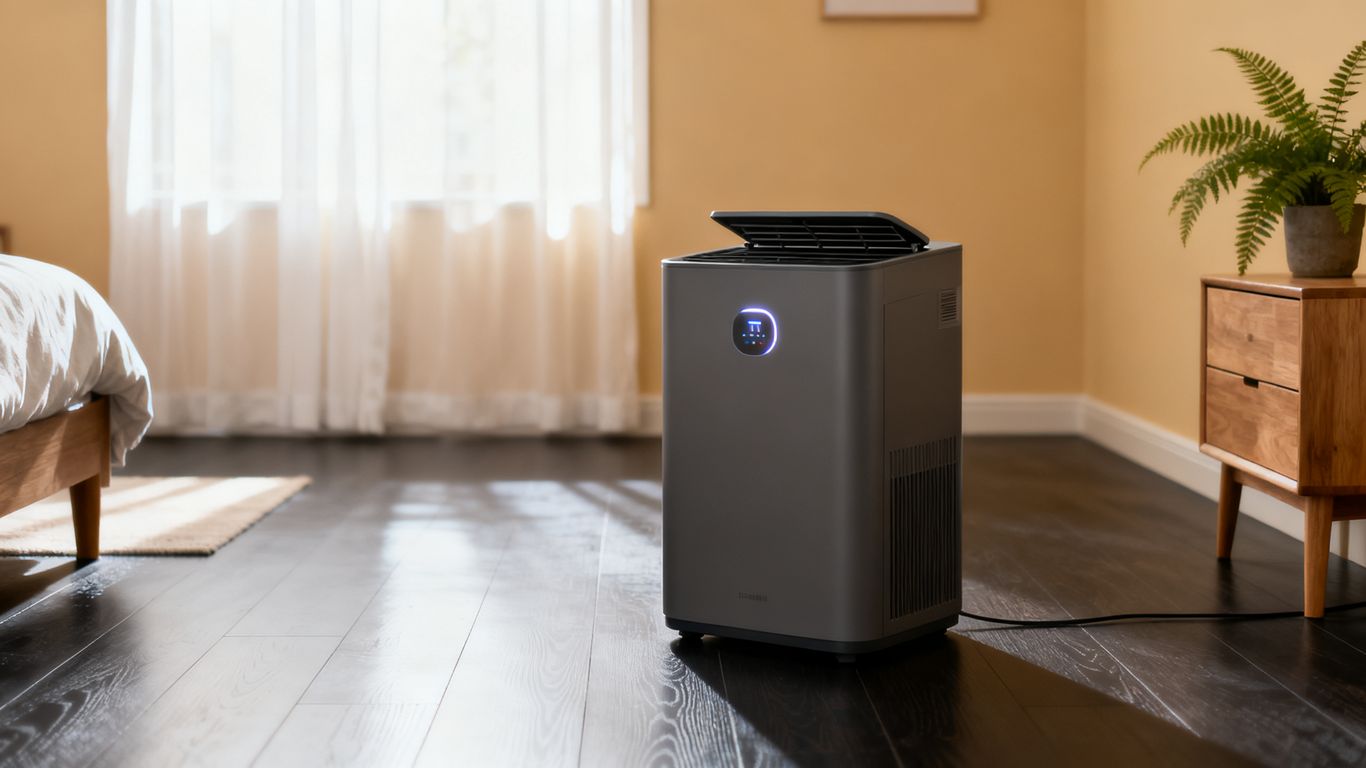
Choosing the incorrect capacity can leave your home vulnerable to mold and musty odors. To determine what you need, you should consider the moisture load of the area rather than just the square footage. For a quick assessment, compare your room size against typical extraction rates.
Understanding pint ratings per square foot
Most manufacturers use pint ratings to define performance. If you operate your device in a high-humidity zone, ensure the unit’s capacity aligns with the specific moisture output typical of that environment.
Assessing ambient humidity levels vs. square footage
Square footage is only half the picture; you must also evaluate how prone your room is to dampness. A bathroom or basement will require a more responsive unit than a well-ventilated bedroom.
Distinguishing between laundry drying and maintenance dehumidification
Laundry drying requires constant high-intensity operation to wick away moisture from clothes, whereas maintenance dehumidification relies on sensing relative humidity and pausing to save energy. Most high-quality units offer specific modes for these distinct needs.
| Room Type | Moisture Level | Recommended Capacity |
|---|---|---|
| Bedroom | Moderate | Small (10-20 pints) |
| Basement | High | Moderate (30-50 pints) |
| Laundry Area | Very High | High (50+ pints) |
Using this classification helps users avoid selecting a unit that will struggle to keep up with daily moisture fluctuations.
Key technical features to evaluate
Modern home appliances often incorporate advanced cooling technology to stay efficient. For instance, the use of R290 refrigerant in high-performance equipment allows for better thermal transfer, while HEPA filtration can manage pollutants at the same time. These technical details turn a simple humidity-removal task into a comprehensive air quality approach.
Auto-shutoff and water tank capacity
Automatic shut-off features are vital for unattended operation. A larger bucket capacity means fewer trips to the sink, which is a major convenience for those who run their unit constantly.
Noise level requirements for bedrooms and offices
Operating volume is non-negotiable for living areas. A quiet rotary compressor ensures that your sleep or workflow remains uninterrupted while the machine does its work.
Integrated humidistat vs. continuous run settings
Digital controls that allow you to set a target percentage are generally superior to basic continuous-run buttons. They ensure you aren’t over-drying the air, which can be just as problematic as too much moisture.
💡 Real-World Scenario
Imagine you are returning from a long weekend away. You walk into your home and instantly feel that heavy, thick air characteristic of a tropical storm aftermath. You check your device and see that the digital humidistat has been working to maintain a consistent 50% relative humidity, keeping your home feeling fresh and dry despite your absence.
Ideal placement strategies for maximum efficiency
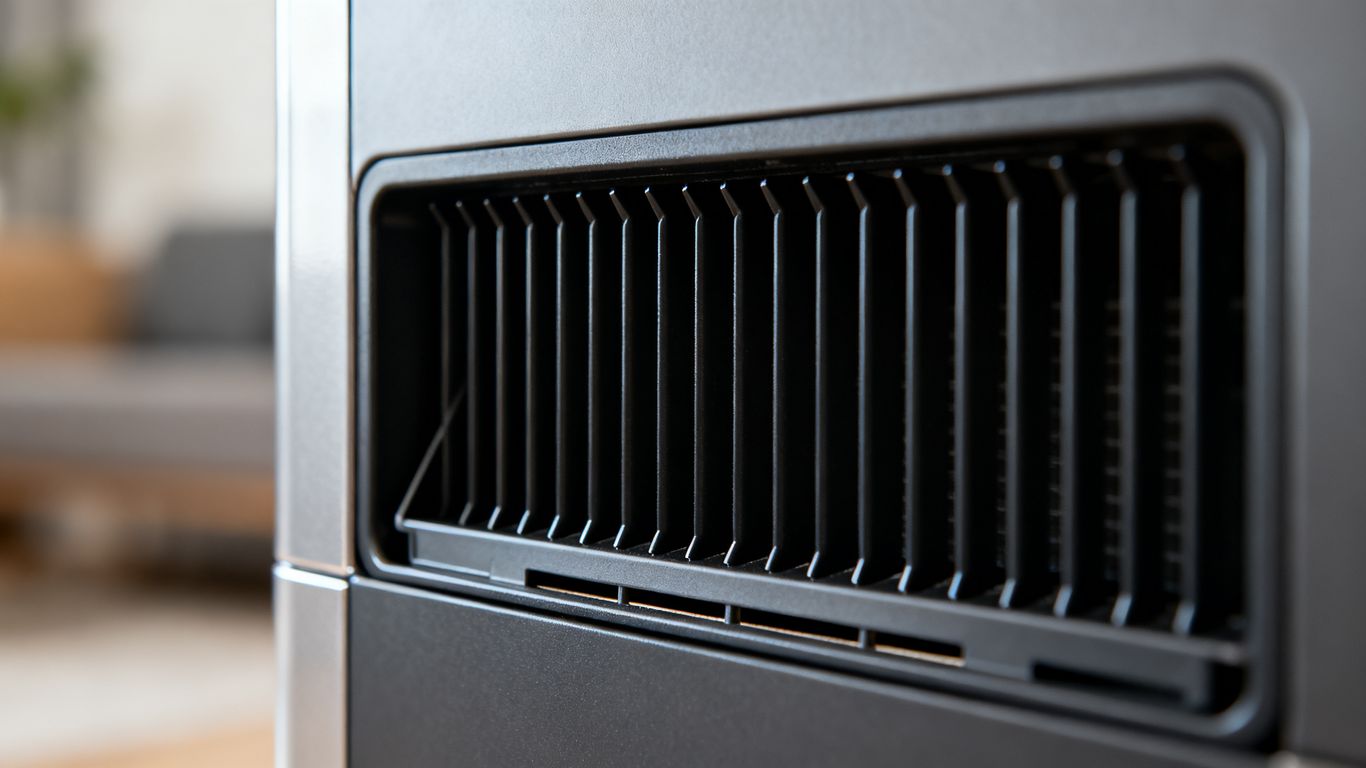
Positioning is often the forgotten variable in air quality management. If you place your device against a wall, it will inevitably recirculate the same pocket of air, leading to inaccurate sensor readings and poor performance.
Centering the unit for optimal airflow
Placing the device in the center of the room allows it to draw air from all sides effectively. This centralization is the most effective way to address overall room dampness.
Avoiding obstructions near the intake and exhaust vents
Curtains, furniture, and boxes must be kept away from the machine. Obstructions lead to heat buildup and can force the device to cycle more frequently, potentializing wear on internal components.
Utilizing drainage hoses for basement or closet setups
Continuous drainage is a major convenience for long-term placement. Using a gravity-fed hose into a floor drain allows for set-it-and-forget-it operation in areas where you might otherwise have to monitor water levels daily.
Routine maintenance for longevity
Regular care is what separates an appliance that lasts for years from one that breaks prematurely. If you notice a drop in performance, start by inspecting the internal flow of air.
Cleaning the air filters to maintain performance
Filters are the first line of defense against dust and lint. Clogged filters force the fan and compressor to work harder, which drastically shortens the lifespan of your unit.
Managing internal bucket hygiene to prevent mold
Emptying the water container and wiping it out once a week prevents the formation of slime. This simple step keeps your home’s air smelling fresh and clean.
Troubleshooting common power and sensor errors
If the machine behaves erratically, check the sensors for dust accumulation. A quick inspection often reveals simple issues like a loose tank fit or a dirty float switch, saving you troubleshooting time and potential repair costs.
When a compact dehumidifier is not enough
Sometimes, localized moisture solutions aren’t the cure for deeper issues. If you notice persistent dampness despite running a unit 24/7, you might be dealing with a larger structural fault.
Identifying symptoms of high-moisture structural issues
- Water staining on walls or ceilings.
- Visible mold colonies spreading across corners.
- Peeling paint or wallpaper in multiple rooms.
- A constant, heavy musty smell that never fades.
These signs typically indicate a source of moisture that a portable unit cannot fix. You may need to address plumbing leaks or roof insulation deficiencies before purchasing a dehumidifier to handle the remaining condensation.
Comparing portable units to whole-home systems
Portable units are for localized tactical control. Whole-home systems require installation into your HVAC setup and can handle a much greater volume of water extraction per day. If your entire home is consistently struggling, a whole-home solution is the logical upgrade.
Evaluating the cost-benefit of larger capacity upgrades
Larger units represent a greater initial investment but may reduce the overall electricity cost per pint of water removed. Calculating if a move to a 50-pint+ model will optimize your utility bill is a smart move for long-term homeowners.
Conclusion
Choosing the right equipment for your space involves understanding how humidity moves through your home and identifying the specific technologies that suit your environment. By balancing capacity, placement, and consistent maintenance, you can ensure a healthy and comfortable atmosphere for your family, effectively neutralizing the common challenges of tropical living.
Frequently Asked Questions
Should I move my dehumidifier to different rooms?
Moving the unit to different rooms can be helpful if you want to target specific issues, like drying a damp bathroom or a closet, but leaving it in a central, high-traffic area is generally more effective for managing the whole house.
Can a dehumidifier replace an air conditioner?
No, these devices serve different purposes. While they both remove moisture, an air conditioner is designed primarily to lower the temperature of the air, whereas a dehumidifier is designed to lower the humidity levels without significantly changing the room temp.
How often should I empty the water bucket?
In very humid conditions, you may need to empty the bucket at least once a day. If your unit has a continuous drainage feature, you can route the water directly to a drain to avoid the need for daily manual emptying.
Will running a dehumidifier solve my mold problem?
It will stop the expansion of existing mold colonies by removing the moisture they need to survive, but it will not remove present colonies. You will still need to clean contaminated surfaces manually once the humidity is controlled.
Is it normal for my device to cycle on and off?
Yes, this is completely normal. Most machines will automatically cycle off once they reach the target humidity level you have set on the digital humidistat, turning back on only when the sensors detect that the ambient humidity has risen.
How long should a home dehumidifier last?
With proper care, including regular filter cleaning and careful bucket maintenance, most high-quality units are built to provide several years of consistent performance in a residential setting.
Does the unit’s drainage hose need to be kept low?
If the unit relies on gravity-fed drainage, the hose must always slant downward toward the drain. If the unit uses a built-in pump, it may have more flexibility to push water upward to a higher drainage point.