Key Takeaways
Integrating humidity control and air purification creates a more comfortable and healthier home environment, particularly in tropical climates. These devices simplify maintenance and save floor space compared to operating separate units.
- Combining functions prevents moisture-related mold growth.
- Advanced filtration captures microscopic allergens and pollutants.
- Efficient drainage systems minimize manual tank management.
- Strategic placement maximizes both air throughput and moisture extraction.
- Regular filter upkeep ensures peak operational efficiency over time.
Understanding how a 2 in 1 dehumidifier & air purifier works
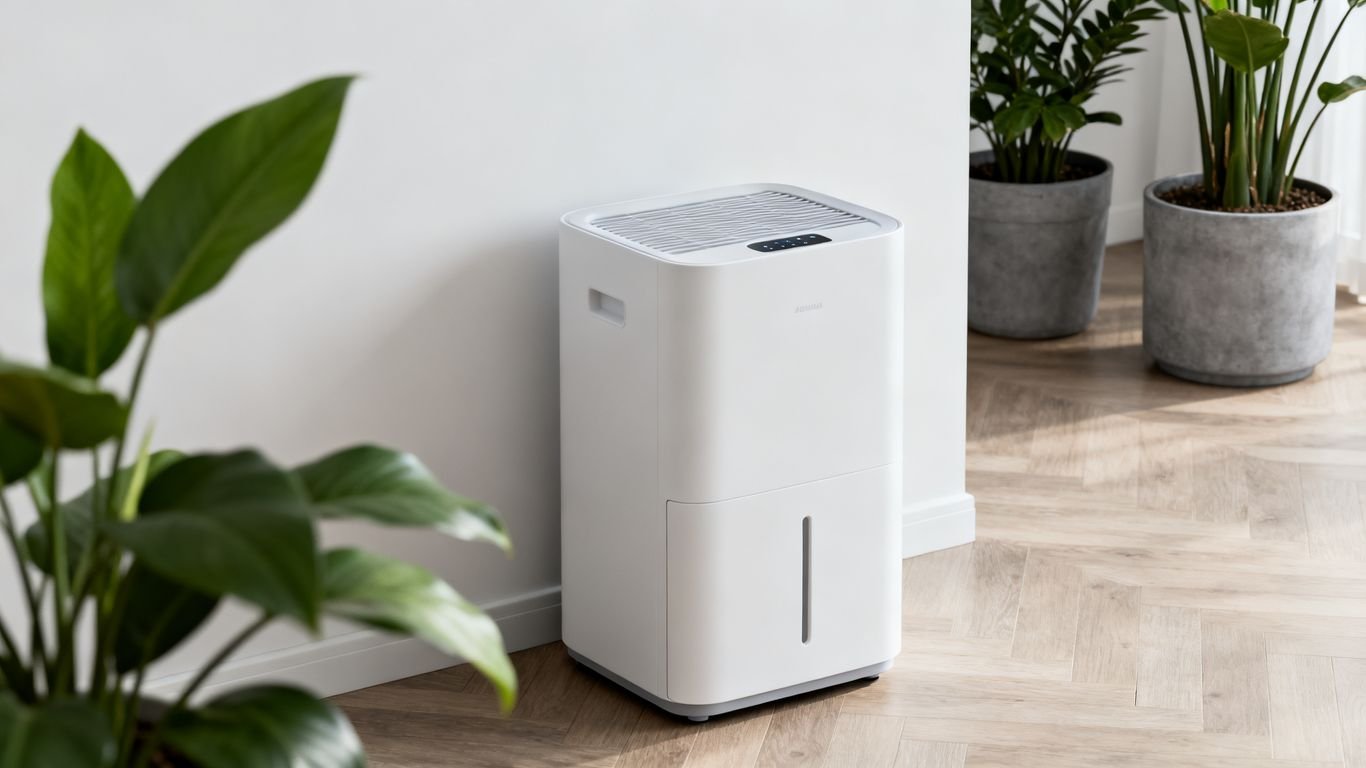
These integrated systems operate by drawing air through a multi-stage filtering process before passing it over a cooling coil. The air is initially scrubbed of dust and pathogens by a high-efficiency media array. Once filtered, moisture condenses on the cold surface of the evaporator, allowing the dried, purified air to be recirculated back into the living space.
Dual-function filtration technology
The filtration performance hinges on a high-grade media layer designed to trap fine particulates. By utilizing a physical barrier approach, these systems effectively remove airborne irritants before they ever reach the internal components. This ensures that the air quality improves consistently while the Breville All Climate™ 2-in-1 Dehumidifier & Purifier maintains a clean airflow path across its internal sensors.
Moisture extraction mechanisms
Moisture is removed from the atmosphere using a refrigeration-cycle method that mimics standard appliance cooling. A compressor forces refrigerant through coils, chilling them below the dew point to cause water vapor to turn into liquid droplets directed into a reservoir. This process is highly effective for reducing humidity levels in enclosed rooms that feel perpetually damp.
How airflow impacts dual performance
Consistent air circulation determines how quickly a room reaches the targeted humidity state. A strong fan pulls air across the entire intake area, ensuring that dead zones are minimized and that the purifier can process the total room volume repeatedly. Without adequate movement, performance drops significantly, regardless of the device’s technical specifications.
Key features to look for before buying
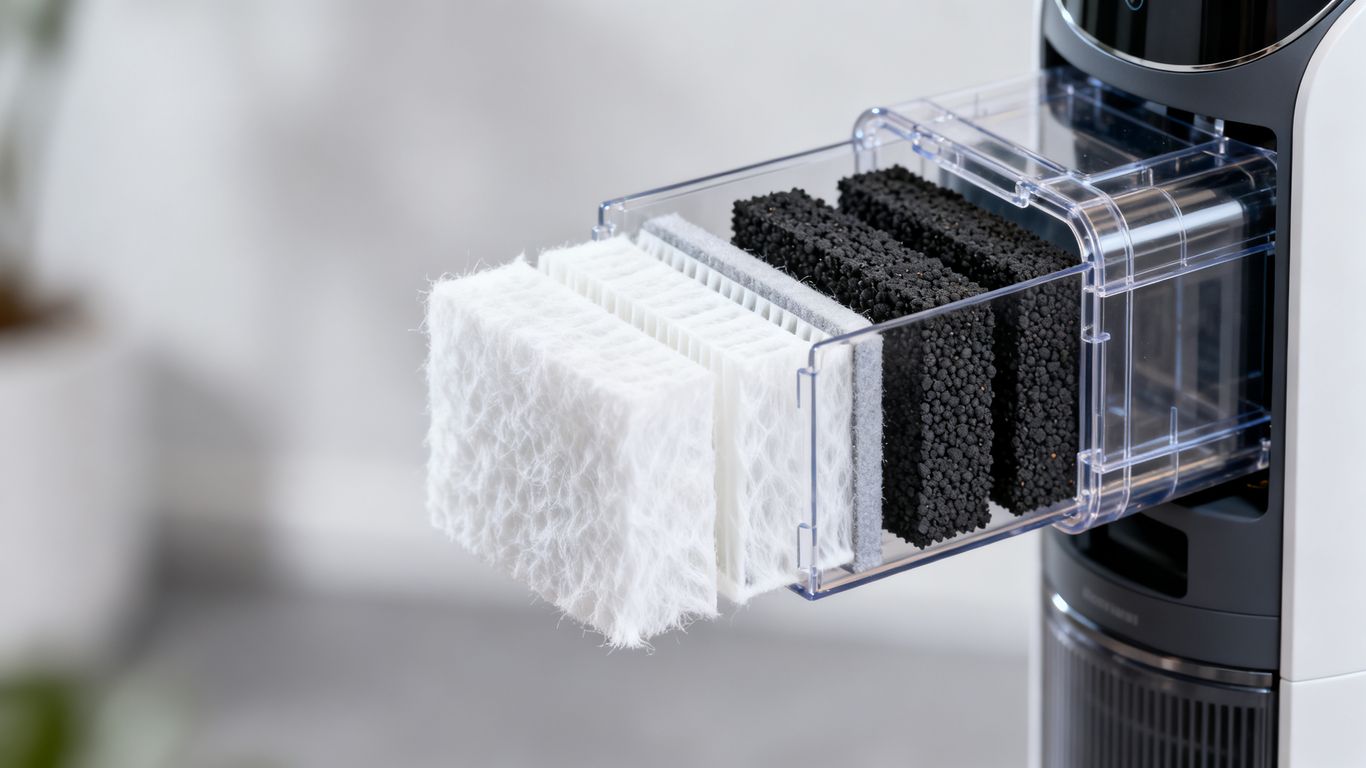
Selecting a unit requires careful balancing of filtration capability against the square footage of your space. Prospective buyers should inspect the specific media grades and the compressor technology, like the reliable rotary compressor design found in modern systems, to ensure long-term durability. These components work together to provide effective, quiet operation during extended use.
HEPA and carbon filter quality
True HEPA filters are essential for capturing 99.97% of fine particles as small as 0.3 microns. Carbon layers are equally vital for absorbing volatile organic compounds and household odors that HEPA media might otherwise miss during the intake cycle. When combined, these materials transform the indoor atmosphere by neutralizing chemical pollutants.
Daily dehumidification capacity
Capacity is measured by the total volume of water a unit removes over a 24-hour period under specified environmental test conditions. Larger rooms or high-moisture garages require higher pint ratings to maintain air comfort reliably throughout the day. Residents should choose a capacity that exceeds their peak humidity demands to avoid overextending the unit.
Smart sensors and automatic modes
Built-in humidity and particulate sensors provide real-time adjustments without requiring constant user input. When these sensors detect high levels of water vapor or fine dust, the device increases fan speed and compressor intensity to normalize conditions. Automated modes save significant energy by scaling performance based on actual indoor air quality metrics.
Energy efficiency ratings and power consumption
Modern 2 in 1 dehumidifier & air purifier units prioritize energy-conscious engineering to minimize household utility costs. Efficient compressors allow for sustained operation without the spike in electricity consumption seen in older, less sophisticated climate technology. Look for models that provide clear ratings to ensure your investment stays cost-effective.
| Feature | Performance Metric | Impact on Home |
|---|---|---|
| Filtration | HEPA / Carbon | Air Quality |
| Moisture | Pint Capacity | Humidity Control |
| Sensing | Auto-Calibration | Power Usage |
Benefits of a combined appliance for your indoor environment
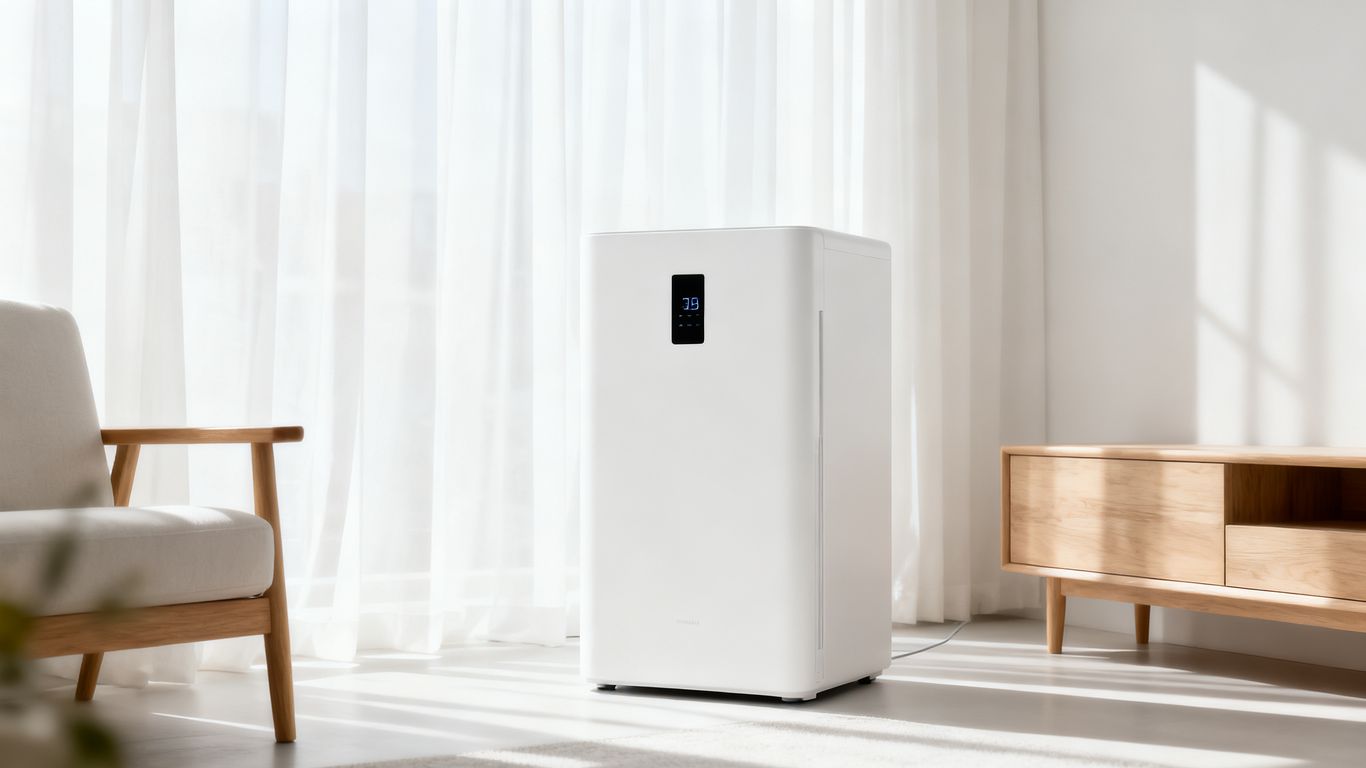
Consolidating multiple appliances into a single unit optimizes floor area while reducing the total sound profile of your living space. This centralized approach simplifies air quality management because you monitor only one set of controls rather than juggling humidity and particle levels separately. Owners gain a cohesive experience, as seen when using Signature Solitaire Collection standards for product consistency.
Reducing mold and allergen growth
Biological growth flourishes in moist environments, making rapid moisture extraction a critical barrier to fungal spread. By keeping humidity below typical thresholds where mold thrives, users prevent spores from colonizing surfaces like carpets or curtains. Purifying the air simultaneously clears out lingering spores, stopping the cycle of reproduction effectively.
Space-saving design advantages
Small homes benefit greatly from units that tuck neatly into corners without obstructing foot traffic. Integrated hardware means fewer power cords trailing across rooms and less clutter near common living areas. The design efficiency of Sorbi 1000ml Air Dehumidifier and Air Purifier illustrates how minimalism supports complex air management tasks.
Improving respiratory health in humid climates
Residents often struggle with bronchial irritation when heavy moisture encourages dust mite proliferation. Removing this environmental trigger helps sensitive individuals find relief from chronic congestion or seasonal allergies. Air purification acts as the primary defense against the particulate matter that frequently triggers these respiratory issues.
Installation and placement best practices
Proper setup dictates how efficiently your appliance pulls in ambient air and cycles it back into the room. Placing the unit centrally allows it to sample air from all directions, facilitating faster adjustments to changing humidity or particulate levels. Blocking the intake vents undermines the performance, potentially causing the sensor array to misread ambient room conditions.
Optimal positioning for air circulation
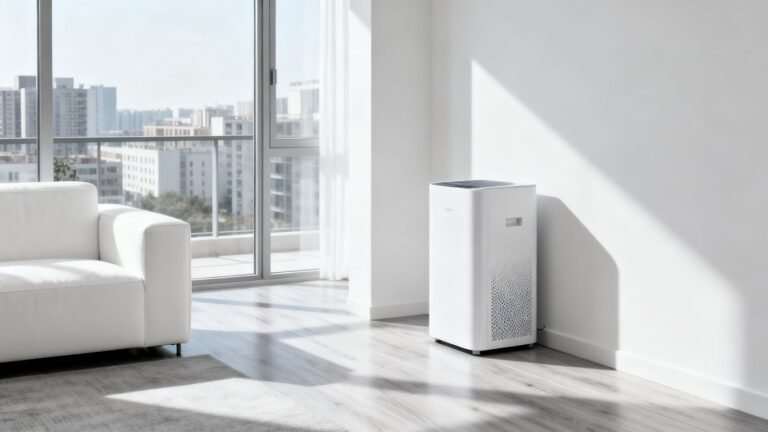
Ideally, the unit should sit in an open area with several feet of clearance to allow for unobstructed intake and exhaust. Corner placement often restricts airflow, potentially limiting the effectiveness of the purification cycle to only one side of the room. A clear, central location ensures that the device registers accurate humidity and smoke or allergen levels efficiently.
Managing distance from furniture and walls
Keeping the device away from thick drapery or bulky furniture prevents restricted airflow that can lead to internal heat soak. A distance of at least 20 centimeters from all nearby surfaces is a safe baseline for maintaining optimal performance. This space also ensures that sensors receive a representative sample of air rather than just local stagnant pockets.
Adapting placement for high-humidity rooms
In bathrooms or basements where moisture levels spike quickly, direct placement near the primary shower or laundry area provides immediate mitigation. These areas are prone to standing moisture, so locating the unit near the discharge source allows it to intercept and remove water vapor immediately. This strategic approach minimizes the time that walls or ceilings are exposed to high-humidity air.
💡 Scenario Time
Imagine you are living in a compact urban apartment where every square meter counts and the humidity levels routinely reach 80% during rainy seasons. You find yourself constantly struggling with sticky air that makes sleeping difficult, while your allergy symptoms flare up whenever dust accumulates on the furniture. By placing your dual-function device in the hallway between your living space and bedroom, you can circulate better air throughout the entire apartment. The unit automatically detects the initial spike in moisture as the humidity climbs, ramps up to dehumidify your bedroom, and simultaneously traps the fine dust settling on your shelves, turning a standard home into a fresh sanctuary.
Maintenance steps for device longevity
Consistent care preserves the integrity of internal motor components and ensures the filtration sequence works as the manufacturer intended. Neglecting simple upkeep tasks can force the device to work harder to achieve the same result, increasing power consumption and potentially stressing the internal compressor. Regular visual checks allow you to catch debris buildup before it impacts daily performance.
Scheduled filter inspection and replacement
Filters are the frontline defense against contaminants and must be replaced to ensure they don’t become a breeding ground for collected debris. Depending on the usage intensity, inspecting the media layer every three months is a prudent habit for sustained air safety. When the filter color changes from its original state to a dark or dusty appearance, it signals that the capacity is nearly exhausted.
Cleaning the water tank and drainage system
Stagnant water in a collection tank can quickly become a source of odor if not emptied and rinsed regularly. Cleaning the basin with mild soap prevents the formation of residue, which keeps the sensor accuracy high. For users with continuous drainage setups, inspecting the hose for blockages is a vital step in preventing internal leaks.
Clearing intake vents of dust buildup
Dust accumulation on the external vents acts as an insulator, reducing the effective airflow and heating up the motor. Using a soft vacuum attachment or a damp cloth to wipe down these surfaces restores the free-flowing air necessary for the system to execute purification cycles. These small, simple maintenance actions significantly extend the overall service life of the device.
Conclusion
A combined appliance effectively tackles both moisture and airborne irritants, optimizing the home environment for long-term health and comfort. By understanding the core mechanics of filtration and humidity control, you can choose a system that fits your specific needs while avoiding common pitfalls in placement and care. Investing time in routine maintenance ensures these dual-function systems perform reliably, helping you breathe cleaner, drier air every day.
Frequently Asked Questions
Do 2-in-1 appliances require two separate outlets?
No, these integrated systems are designed to operate from a single power connection that drives both the air purification fan and the dehumidification compressor simultaneously.
Can these units effectively eliminate odors from cooking?
Yes, the integrated carbon filter layer is engineered specifically to absorb airborne organic compounds, helping to neutralize food smells and smoke within the living area.
How often should the water reservoir be emptied?
This depends entirely on the room’s humidity level and the device’s pint capacity, but most residential models require emptying once or twice a day in high-humidity conditions.
Will the device make my room feel warmer?
All dehumidifiers produce a small amount of waste heat during the compressor cooling cycle, which may result in a negligible temperature increase in smaller, closed-off rooms.
Are these devices safe for use in bedrooms?
Yes, many modern units feature a quiet night mode that reduces fan speed and dims the external lighting, allowing for effective air management during sleep without significant auditory distraction.
Do I need to replace filters if the air looks clean?
Yes, filters collect microscopic particulate matter that is invisible to the human eye, so following a strictly scheduled replacement timeline is necessary for maintaining consistent air quality.
How do I measure my room’s humidity?
Most modern 2-in-1 units include a built-in digital display that provides real-time humidity readings, which you can use to gauge the effectiveness of the appliance in your specific environment.