Key Takeaways
Optimizing your indoor environment requires managing both airborne particulates and excess moisture levels effectively. Whether you live in a dense city or a coastal area, understanding how these systems work helps protect your living space from mold, dust, and discomfort.
- Improved air quality through dual-action filtration and drying.
- Reduction of allergens like dust mites that thrive in humidity.
- Space-saving efficiency compared to running two distinct machines.
- Lower cumulative energy draw when managed through a single smart interface.
- Simplified maintenance routines by consolidating filter and water tank care.
Understanding the mechanics of combo units
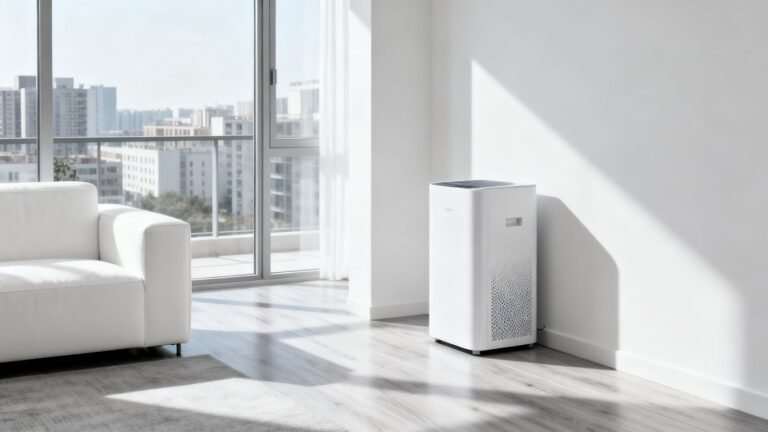
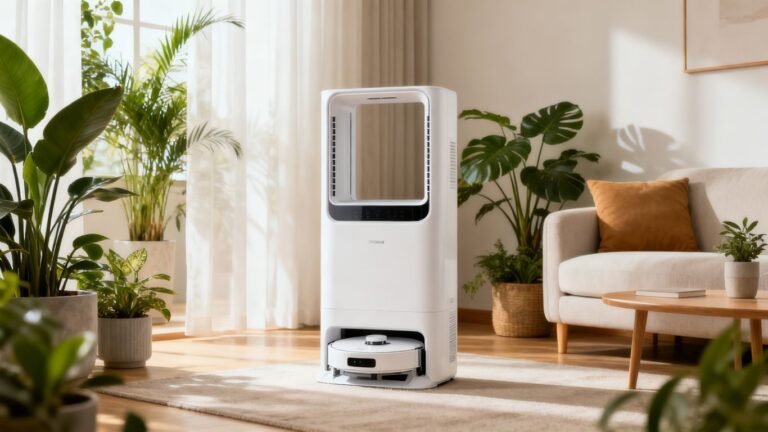
Integrated systems combine air filtration technology with dehumidification hardware to address multiple atmospheric issues simultaneously. While standard purifiers and dehumidifiers rely on distinct cycles, a hybrid unit manages both simultaneously to optimize room conditions.
How integrated air purification works
Air purification in dual-purpose units typically involves a multi-stage physical barrier designed to trap microscopic irritants. Air is pulled through a pre-filter to catch larger debris like pet hair, while a True HEPA filter captures smaller particulates. This process ensures that as air is cycled for moisture removal, it is also cleaned of common indoor pollutants.
Moisture removal processes in 2-in-1 devices
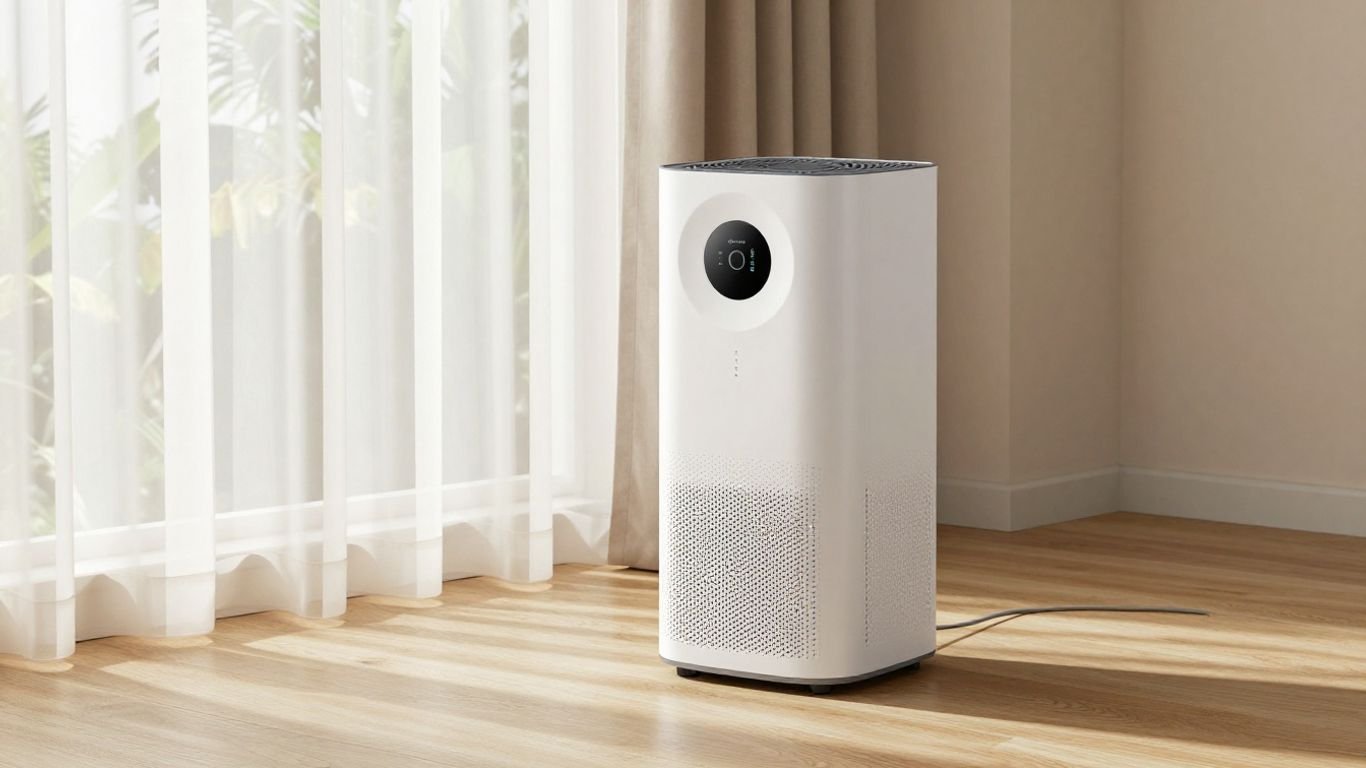
Dehumidification is driven by cooling technology that pulls ambient water vapor from the air. In a refined unit like the DualCore 20 by Aerofy, a rotary compressor cools a surface to condense moisture, which collects into an internal reservoir. By using efficient refrigerants like R290, these devices effectively lower humidity, which is vital for preventing the growth of mold and mildew in humid Southeast Asian homes.
Distinguishing between hybrid units and separate systems
Understanding the difference between independent units and hybrid systems allows you to optimize floor space without sacrificing performance by knowing which equipment configuration fits your specific apartment layout.
While a 2-in-1 air purifier and dehumidifier offers convenience, separate units provide granular control when one element—like extreme moisture from a damp basement—outweighs the need for filtration. A dehumidifier air purifier combo is best when limited space makes clutter a significant concern, whereas task-specific systems are preferred for industrial moisture control.
Key benefits of using an air purifier and dehumidifier combo
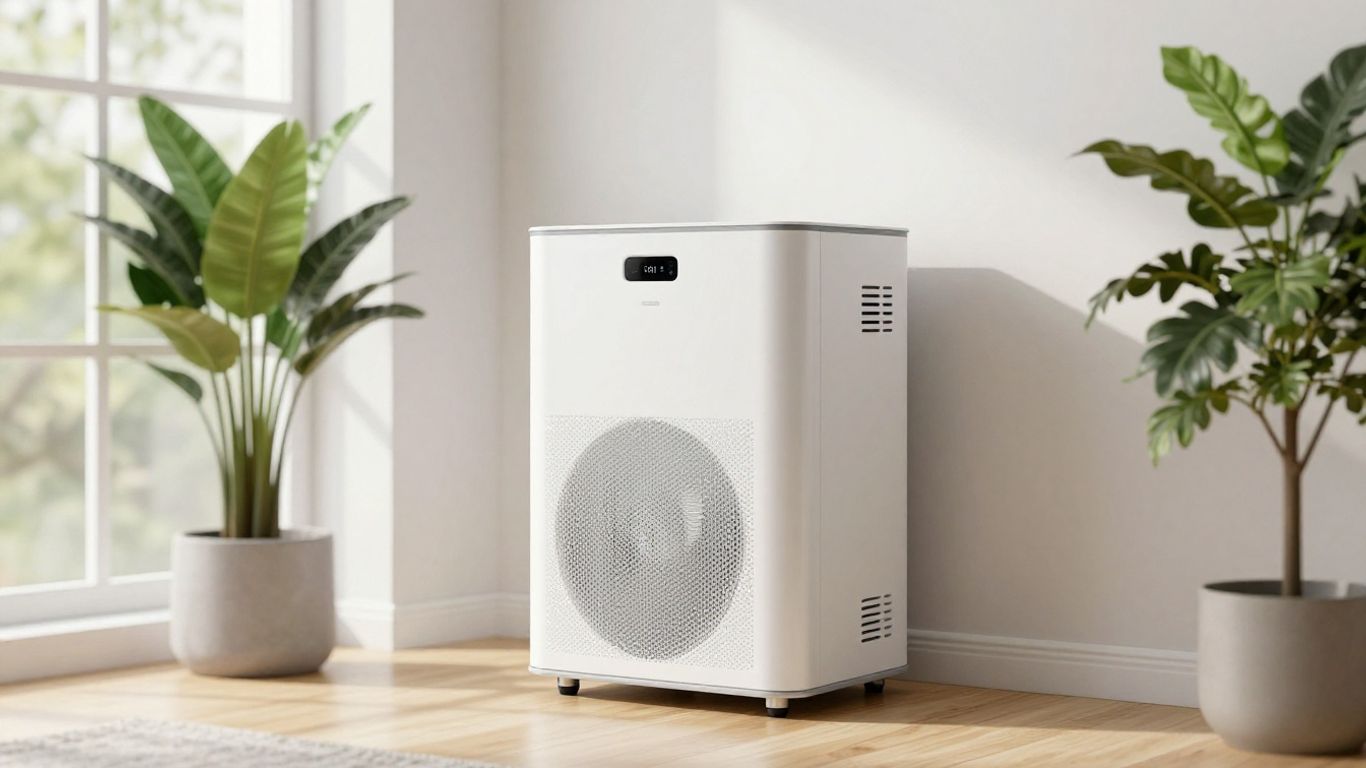
Choosing a multipurpose device addresses several common residential constraints at once. By combining hardware, you reduce the physical footprint of your air management setup while maintaining environmental stability.
Saving floor space in small rooms
Urban living requires maximizing every square meter available. Consolidated units remove the need for parallel power cords and redundant chassis, making them ideal for bedrooms or home offices where floor space is a commodity.
Reducing power consumption with consolidated hardware
Efficiency is gained by synchronizing fans and processors within a single housing. Modern equipment often uses smart sensors to manage power usage, preventing the redundant operation of two separate devices when one could achieve the desired balance.
Synchronized humidity and air quality control for better breathing
Effective management of your interior climate involves a multi-pronged approach to health and comfort. Integrating these features ensures that you are not just clearing particles but also drying the air enough to inhibit biological growth.
- Real-time moisture detection and automatic fan adjustment.
- Consistent elimination of dust by capturing it as it passes through the system.
- Inhibited mold spore development via steady climate maintenance.
- Quieter operation through a shared structural frame during the cooling process.
Essential features to look for in a combo unit
Finding the right appliance requires evaluating your specific environment against the technical capabilities of the unit. Prioritizing features that align with your local climate, such as the unique needs in Singapore, is critical for consistent results.
HEPA filtration standards for effective particle capture
Effective air purification requires HEPA filtration that meets high standards for capturing dust, pollen, and dander. Without high-grade filters, the throughput of a combo unit may lead to poor air quality even if moisture levels are successfully mitigated.
Moisture extraction rates for varying room sizes
Extraction capacity is measured by the volume of water a system pulls from the air in twenty-four hours. For homes needing to combat regional humidity, ensure the unit is rated for your square footage to avoid oversizing or undersizing the appliance.
Smart sensor capabilities and auto-adjust functionality
Advanced units monitor the environment using integrated sensors to track humidity and particle density. When these levels fluctuate, the Aerofy control logic adjusts the fan speed and compressor cycle automatically, helping you maintain a stable home environment without manual input.
Maintenance requirements for dual-purpose systems
| Feature | Importance | Frequency |
|---|---|---|
| Filter Replacement | High | Every 6 Months |
| Tank Sanitation | Critical | Weekly |
| Sensor Calibration | Medium | Annually |
Regular care is necessary to ensure that both the cooling coils and the filtration media remain clean. Ignoring these tasks can reduce the lifespan of the device and degrade air handling performance over time.
Evaluating the performance trade-offs
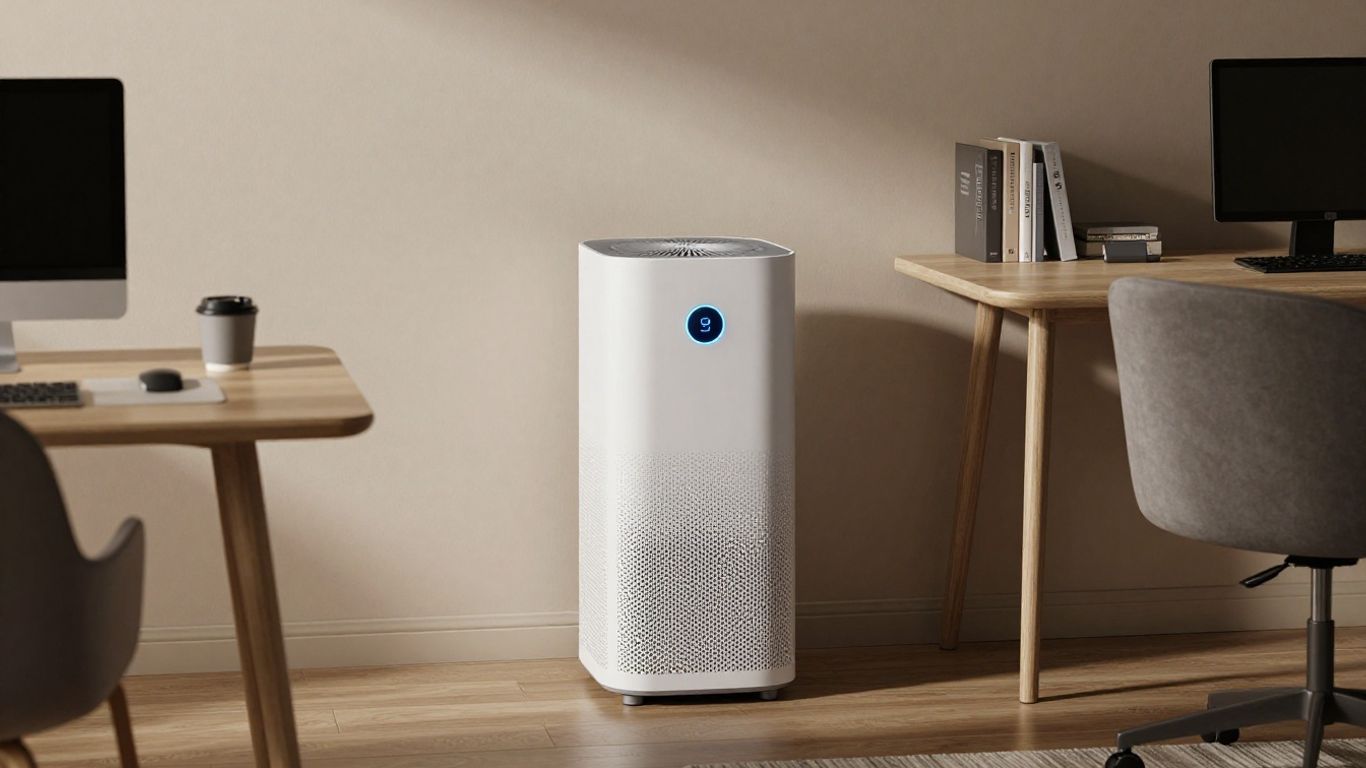
While convenience is high, understanding the potential drawbacks helps set realistic expectations for your equipment. No machine is perfect for every possible application, and engineering trade-offs often dictate how a device performs over its lifespan.
Potential loss of power in specialized tasks
Sometimes, combining components into one chassis can limit the maximum threshold of each function compared to dedicated heavy-duty models. A dedicated dehumidifier might handle extreme dampness faster than a smaller air purifier and dehumidifier combo, so assess your specific environmental challenge first.
Impact on long-term replacement part availability
Dual-purpose machines contain specialized internal connections. It is important to confirm that the manufacturer provides long-term support for proprietary parts, as these units are often more complex to service than simpler, single-function appliances.
Noise levels and operational comfort in residential settings
Consolidating fans and compressors into one box can increase noise output. Look for models designed with sound-dampening materials to ensure the unit remains quiet enough for night-time use in bedrooms.
Tips for maintenance and optimal device performance
Consistency is the secret to extending the service life of your climate control equipment. Simple, routine attention prevents major operational headaches and ensures the air in your home stays crisp.
Establishing filter replacement schedules
Replacing filters according to the manufacturer’s suggested interval is the single most effective way to protect your unit’s internal motor. A clogged filter increases strain on the fan, leading to reduced air movement and unnecessary heat buildup.
Preventing mold in internal water collection tanks
Water tanks are common breeding grounds for biofilm if left stagnant too long. Emptying the reservoir regularly and washing it with mild soap will prevent the machine from accidentally spreading odors or mold spores throughout your living space.
Strategic placement for maximum air circulation
Placement matters significantly. Ensure your Aerofy device is located in an area with clear airflow, away from heavy furniture or corners that trap pockets of stale air, allowing the sensors to get an accurate reading.
💡 Real-World Scenario
Imagine you are living in a high-rise city apartment where the humidity is constant, triggering seasonal allergies. You have noticed a musty odor near your entryway and constant sneezing. After setting up your combo device in the central hallway, you notice the air feels crisper within 48 hours. By placing the unit near the main airflow path, the unit effectively cycles the air in your living room and kitchen, keeping both humidity and particulate levels in check without needing multiple bulky appliances.
When to choose separate appliances instead
Some spaces possess environmental demands that exceed the design intent of even the best multipurpose units. Recognizing when to split your hardware is an indicator of a well-planned home defense strategy.
Handling high industrial moisture demands
If you are managing a large-scale basement flood or an area with persistent structural water entry, the capacity of a standard 2-in-1 combo will quickly be overwhelmed. Specialized, high-capacity dehumidifiers are necessary for environments where total moisture load is the primary threat.
Solving complex air pollutant neutralization needs
For households with severe chemical sensitivities or higher-than-average odors, high-cadence purification needs may require a standalone unit with specialized carbon media. These systems often provide better airflow volume for heavy-duty filtration tasks.
Budget constraints and long-term modular repair requirements
Separate appliances are sometimes more cost-effective to repair. If one part of a combined unit fails, you might lose both functionalities simultaneously, whereas replacing a single component in a modular setup creates lower long-term overhead.
Conclusion
Selecting the right air purifier and dehumidifier combo is a balanced decision between space efficiency and specialized performance. By understanding the mechanical interactions, maintenance needs, and capacity requirements, homeowners can create a more comfortable and healthier sanctuary designed to hold up against even the most humid climates.
Frequently Asked Questions
Can I run my air purifier and dehumidifier simultaneously in the same room?
Yes, you absolutely can run both appliances in the same space. In fact, many users prefer this setup because the dehumidifier prevents the growth of mold that might otherwise get trapped in the purifier’s filter, while the purifier cleans the air of dust and allergens caught during the moisture removal process.
How often should I check the water collection tank on my device?
It is best to check the reservoir at least once every few days, especially if you live in a tropical climate where humidity is consistently high. If your unit features a full-tank auto shut-off, pay attention to that sensor to ensure you drain the water before it stops the system cycle entirely.
Do integrated units consume more power than two separate appliances?
Generally, integrated units are more energy-efficient because they use a single housing, one fan system, and one set of controls. By combining power-drawing components, you often see lower cumulative energy usage than if you were operating two separate motors and fans simultaneously in the same room.
Does high humidity affect the performance of my HEPA filter?
Excessive moisture can cause particulates to clump together, which might prematurely clog your filter or, in extreme cases, lead to moisture buildup within the filter medium itself. Keeping your indoor humidity within a recommended 40 to 60 percent range helps maintain the longevity and effectiveness of your filtration media.
How do I know if the air purifier function is actually working?
Most modern units feature built-in air quality sensors that show real-time metrics through an LED display or mobile application integration. If you notice a shift from poor to good ratings after the device runs for a period, it indicates the filtration system is successfully cycling indoor air.
Should I move my portable unit between rooms throughout the day?
Moving your unit can be beneficial if you have a larger floor plan, as it keeps the device closer to where you currently spend your time. However, ensure that the unit has sufficient time to reach a steady state in each room to be effective at managing local humidity and air quality.
Are these combo units suitable for basements with significant moisture issues?
While these devices work well for typical bedroom or living space humidity, finished or unfinished basements often experience moisture intrusion levels that require dedicated heavy-duty dehumidifiers. For severe dampness or standing water, you will likely need a machine with a much higher pint-per-day extraction rating.