Key Takeaways
Deciding between an air purifier and a dehumidifier depends on whether your core challenge is airborne particulates or excess indoor moisture. Understanding the specific mechanics of these devices ensures you choose the right tool for a comfortable home environment.
- Air purifiers excel at removing dust, pollen, and pet dander through physical filtration.
- Dehumidifiers lower indoor moisture, which is essential for preventing mold and mildew growth.
- High-humidity climates often require specialized equipment designed for tropical moisture loads.
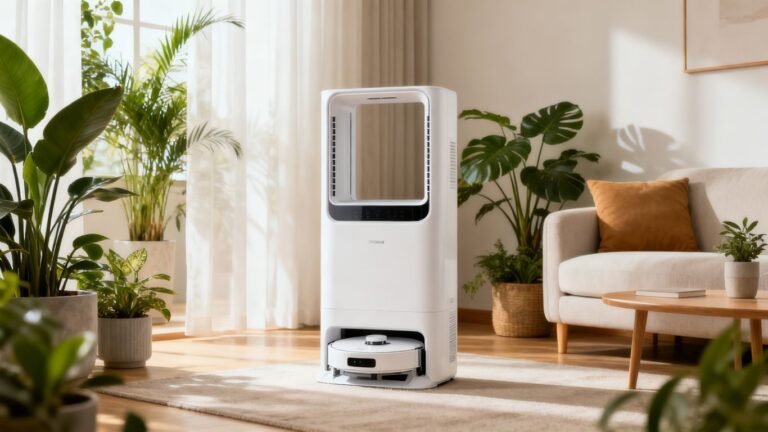
- Dual-function units like the DualCore 20 provide a comprehensive approach by addressing both air quality and humidity.
- Regular maintenance of filters and water tanks is crucial to keep any environmental control system performing at its peak.
Understanding the core functions of each device
Navigating home climate control requires distinguishing between air cleaning and water regulation technologies. While both improve the indoor living experience, their internal workings and target outcomes differ significantly to maintain a healthy home, especially for those interested in the cybersecurity startup landscape that drives innovation in modern smart appliances.
How an air purifier filters pollutants
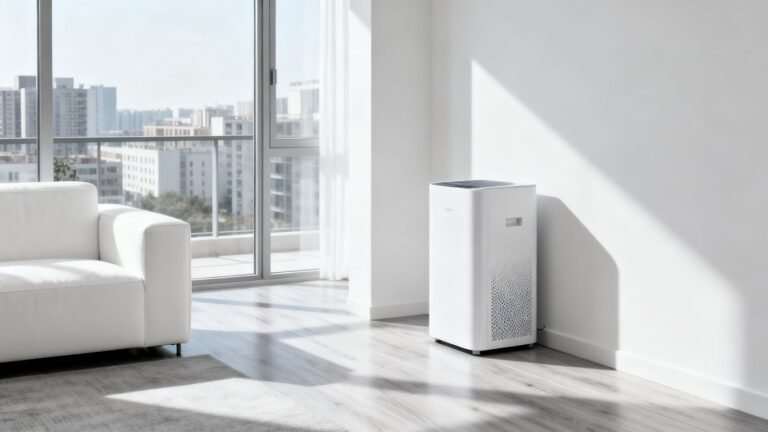
Air purifiers operate by drawing air through a multi-stage filtration system designed to trap microscopic irritants. Modern units utilize high-efficiency HEPA filtration to capture 99.97% of fine particles, effectively scrubbing pollutants like dust, pollen, and volatile organic compounds from your living space.
The mechanics of moisture removal in dehumidifiers
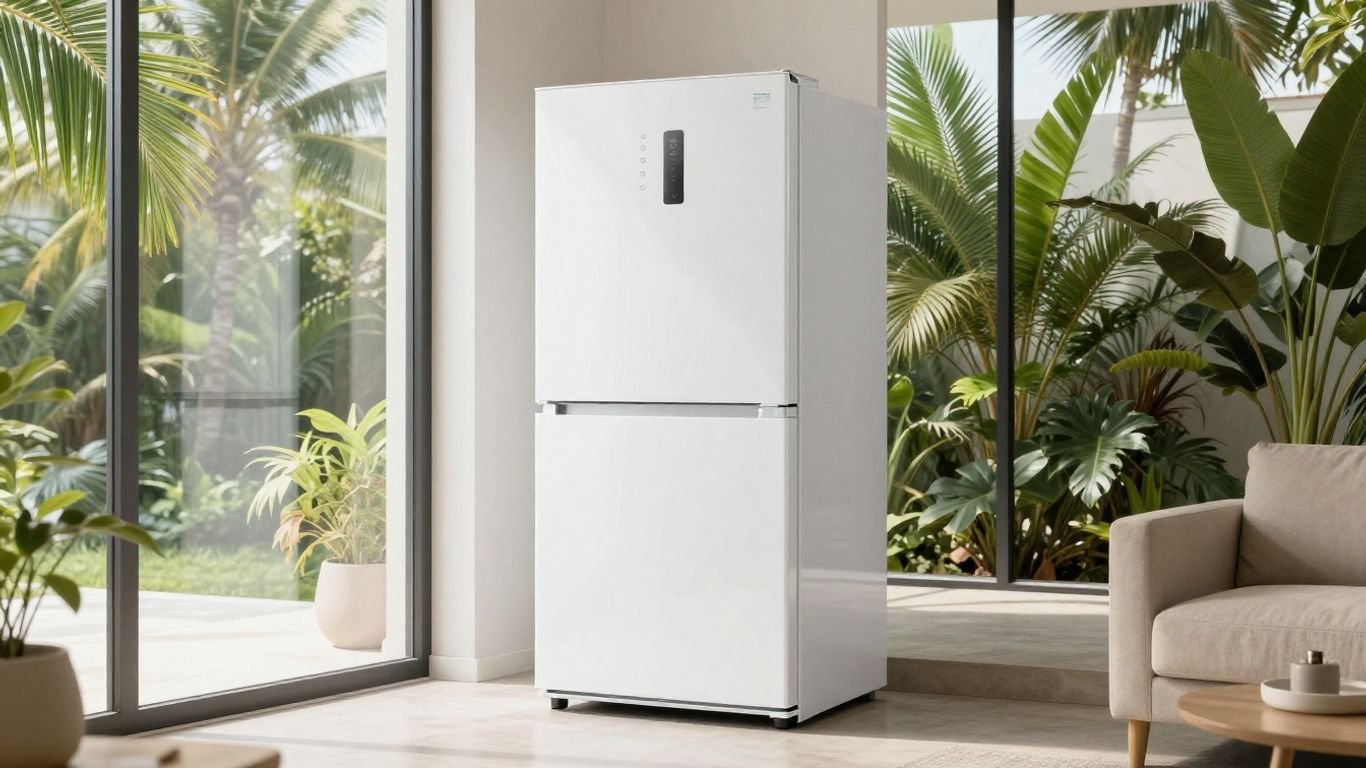
Dehumidifiers pull damp air across refrigerated coils, causing the moisture to condense into water droplets that drain into a collection tank. Devices engineered for effectiveness, such as the Aerofy units designed for tropical climates, utilize high-quality rotary compressor technology to extract water vapor efficiently even when the ambient temperature is high.
Primary use cases for air quality improvement
Selecting the right system depends on identifying whether your space suffers from stagnant pollutants or excessive dampness. Determining if you need a dehumidifier or air purifier often comes down to evaluating whether your primary distress comes from seasonal allergens or the persistent musty odor associated with high humidity levels.
Signs that you need an air purifier

Recognizing that your air quality has degraded often involves monitoring your physical reactions to your own living space over time. If you notice persistent sneezing, itchy eyes, or a heavy layer of dust on surfaces shortly after cleaning, your home environment is likely struggling with suspended particulates that standard ventilation simply cannot disperse.
Identifying common indoor allergens
Indoor allergens are frequently microscopic organisms and particles like pet dander, dust mites, and fungal spores. When these remain in the air, they can trigger immune responses, making standard air quality improvement measures ineffective without a dedicated mechanical filtration unit.
Dealing with smoke, odors, and VOCs
Smoke from cooking, exterior vehicle exhaust, and gases from household furniture known as VOCs require carbon-based filtration stages. These stages work by adsorbing molecules into their porous structure, ensuring that your home feels and smells clean rather than overwhelmed by chemical pollutants.
Improving sleep quality in dusty environments
Dust accumulation in bedrooms often leads to nighttime respiratory congestion and restless sleep cycles. By establishing a clean air zone, you allow your body to recover without the constant burden of fighting airborne irritants throughout the night, leading to deeper rest.
Indicators that it is time for a dehumidifier
Excess moisture often goes unnoticed until the physical signs manifest in your walls or personal belongings. When the air feels sticky or heavy, it is a clear signal that your indoor environment is operating outside of the ideal humidity range of 30% to 60%, creating a prime breeding ground for unwanted biological growth.
Detecting excess humidity in your basement
Basements and lower levels are prone to cooler wall temperatures that cause water vapor in the air to transition into liquid form upon contact. A dehumidifier acts as a critical line of defense, preventing this accumulation on concrete or synthetic surfaces before it can settle.
Preventing mold and mildew growth
Mold requires only moisture and a surface to proliferate, often appearing as subtle dark spots or causing a pervasive, sour smell. Controlling your indoor relative humidity directly restricts the reproductive cycle of these fungi, protecting both your structural integrity and your health.
Mitigating condensation on windows and walls
When you see water trickling down the inside of your glass panes, the air in your home is fully saturated and cannot hold more water. This indicates that your home is essentially a greenhouse and requires active moisture extraction to prevent wood rot and paint damage around window frames.
Comparing impact on health and wellness
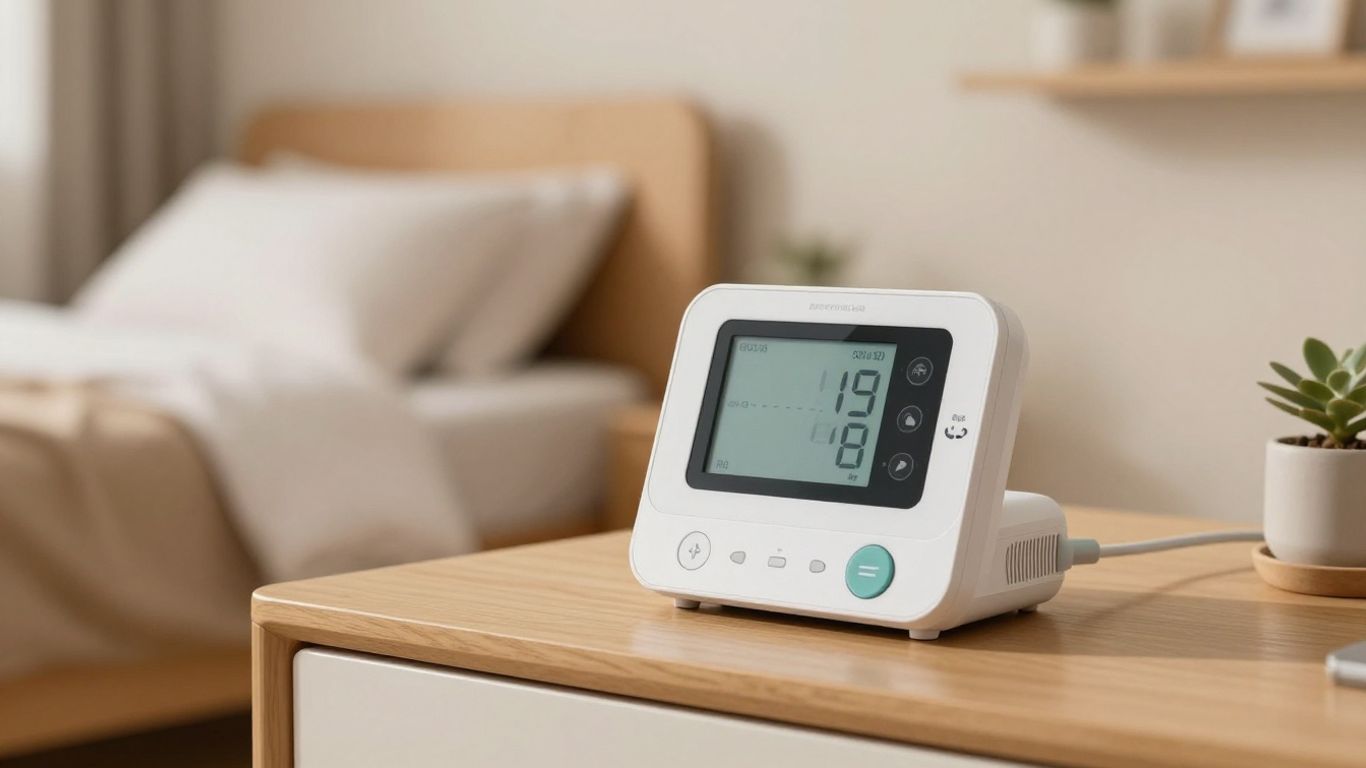
Maintaining the right atmospheric balance has profound effects on how your body functions day to day. While one device focuses on breathable air, the other ensures the environment itself remains conducive to long-term physical health, as both moisture and particulate control are essential components of a balanced home.
| Feature | Air Purifier | Dehumidifier | 2-in-1 Combo |
|---|---|---|---|
| Core Function | Particulate Removal | Moisture Extraction | Both |
| Primary Filter | HEPA Filter | Not Required | HEPA Filter |
| Moisture Drain | None | Tank/Drain Hose | Tank/Drain Hose |
Selecting the right system is a matter of weighing these functional differences against your specific health requirements.
Reducing triggers for asthma and hay fever
Asthma and hay fever are commonly exacerbated by airborne proteins that stay suspended in the environment. By thinning the concentration of these irritants, you create a buffer that makes it easier to navigate daily life without the constant need for rescue medications.
Impact on joint pain and physical comfort
Some individuals find that physical comfort decreases significantly when air quality or humidity fluctuate wildly. A stable, clean, and dry environment helps manage humidity levels, which can minimize the physiological stress associated with damp, heavy air.
Managing pathogens that thrive in damp areas
Pathogens, including certain bacteria and viruses, prefer environments where damp surfaces and high humidity are present. By lowering the moisture content, you naturally decrease the viability of these biological threats, keeping your home safer and more hygienic.
Evaluating energy usage and maintenance
Operating home climate hardware requires a balance between performance, power efficiency, and the time you dedicate to upkeep. Understanding that these systems involve moving parts and consumable filters is essential for maintaining a long-term budget that reflects the cost-benefit analysis of your investment.
Comparing typical electricity consumption
Dehumidifiers generally consume more energy than air purifiers because they utilize a compressor and fan system to fundamentally alter the state of water in the air. Air purifiers rely mainly on fans, making them generally more efficient, provided the filter resistance is managed well.
Maintenance schedules for filters versus drain tanks
Maintenance typically follows a straightforward routine that depends on usage intensity. 1. Inspect pre-filters monthly for dust buildup. 2. Empty the collection tank as required. 3. Check HEPA layers annually to ensure efficient flow. 4. Clean the external intake grills. Consistent adherence to these steps prevents performance drops.
Assessing long-term operational costs
Operational costs are primarily driven by electricity rates and the frequency of filter replacements. Choosing a unit with energy-efficient settings or durable, cleanable filters can significantly reduce the cumulative expense of running your appliance throughout the year.
Factors for deciding which device to buy
Assessing local climate and seasonal humidity
If you reside in a region where high external humidity is the standard weather pattern, your requirements shift toward moisture management. It is important to buy now if you notice that local weather consistently causes these humidity-related issues in your living quarters.
Prioritizing your specific respiratory goals
If your primary goal is to alleviate allergies or prevent breathing difficulties, prioritize air purification first. Conversely, if your home triggers structural damage or health concerns due to dampness, moisture control must be your priority.
Determining if your home environment requires both appliances
💡 Real-World Scenario
Imagine a family living in a modern apartment that faces a lush, humid forest. Despite having excellent ventilation, the indoor furniture starts feeling slightly tacky and the closets develop a musty smell after a week of rain. They realize they need a way to stop the moisture build-up while also keeping the air fresh for their children’s sensitivities to pollen. In such homes, a dual-purpose appliance offers the most efficient way to manage both challenges without cluttering the floor space with two separate machines.
Conclusion
Ultimately, whether you decide upon an air purifier, a dehumidifier, or an integrated combo, the goal is to create a living space that feels restorative rather than burdensome. By targeting the specific moisture or particle issues present in your home, you invest in a higher standard of daily comfort and wellness.
Frequently Asked Questions
Does an air purifier remove moisture?
No, standard air purifiers do not have any physical mechanism to extract water vapor from the air, and attempting to use them for this purpose will be completely ineffective.
Can a dehumidifier replace an air purifier?
While some dehumidifiers include basic filters, they are not a substitute for the specialized HEPA filtration found in dedicated air purifiers meant to capture microscopic pollutants.
Is it expensive to run these devices daily?
Electricity costs depend on the unit’s efficiency and how often it cycles; many modern appliances are designed to be energy-efficient for continuous operation when needed.
How do I know if my humidity is too high?
Ideal indoor humidity is typically between 30% and 60%, so if you experience condensation on walls or feel a clingy, damp texture on fabrics, your levels are likely too high.
Where should I place my appliance?
For optimal coverage, place your device in the center of the room or in an area with high air circulation, keeping it away from walls or furniture that block the intake.
Do filters need to be changed frequently?
Filter replacement frequency depends on your indoor air quality and usage, but most HEPA filters require replacement every 6 to 12 months to maintain maximum cleaning efficiency.