Key Takeaways
Understanding how to use your cooling system effectively can drastically improve your indoor living conditions. Here are the essential points to keep in mind regarding aircon dehumidifier mode:
- Dry mode is designed to extract moisture rather than lower the temperature significantly.
- It is perfect for muggy, moderate weather when you feel sticky but do not want freezing air.
- Using this mode can help prevent the growth of common household allergens like mold.
- Dedicated appliances, such as the Aerofy DualCore 20, often outperform AC units in long-term humidity control.
- Proper maintenance of your air conditioner filters remains critical for ensuring the system removes moisture efficiently.
What is aircon dehumidifier mode
Many homeowners frequently struggle with the heavy, damp air characteristic of tropical environments. When you activate aircon dehumidifier mode, you are instructing your unit to prioritize moisture extraction over aggressive cooling. This process is essential for maintaining comfort in regions like Singapore where high humidity is a constant factor. While basic units provide some relief, true effectiveness requires a design ethos that accounts for tropical moisture challenges, moving away from generic hardware to systems purpose-built for the environment.
The mechanics of dry mode operation
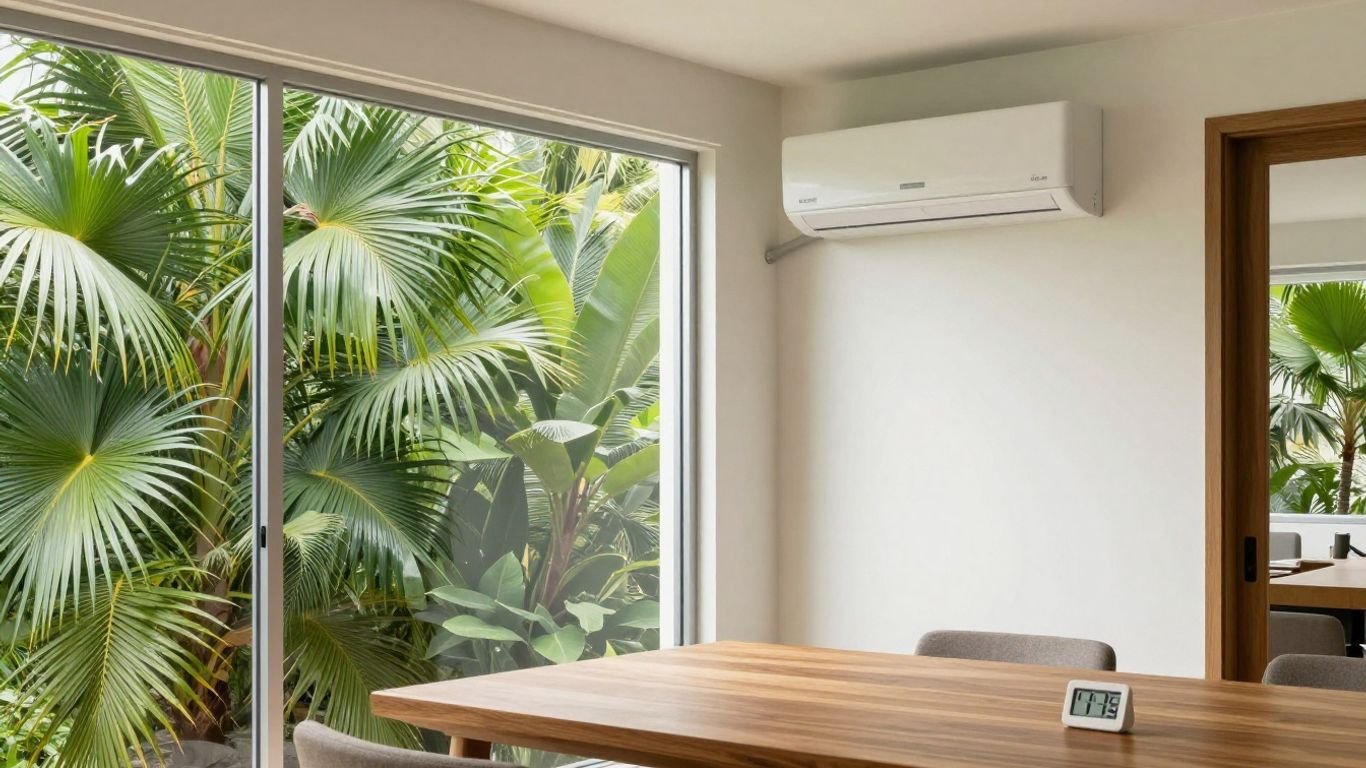
When you engage dry mode, your air conditioner triggers a cycle where the fan and compressor operate intermittently to prevent the air from cooling too deeply. The evaporator coil stays just cold enough to allow moisture from the passing air to condense and collect effectively. This liquid is then diverted through a drainage line, leaving the indoor air feeling significantly drier without the biting cold produced by standard cooling cycles.
Differences between cooling and dehumidifying modes
Cooling mode focuses on reaching a specific thermostat temperature by running the compressor continuously until that goal is met. In contrast, dry mode adjusts the cycling to maintain a comfortable baseline, preventing the room from feeling damp without necessarily lowering the temperature to a frigid degree. Understanding these benefits of your AC’s Dry Mode is key to managing your climate efficiently.
When to select this setting instead of standard cooling
Select dry mode during days when the room temperature is already tolerable but the air feels thick or heavy. It serves as an ideal solution for late evenings, wet seasons, or mornings when you want to reduce stickiness without turning your living area into a meat locker. If you have been wondering whether you need both a dehumidifier and an air conditioner, this setting acts as a helpful middle ground for temporary relief.
Benefits of dry mode for home comfort
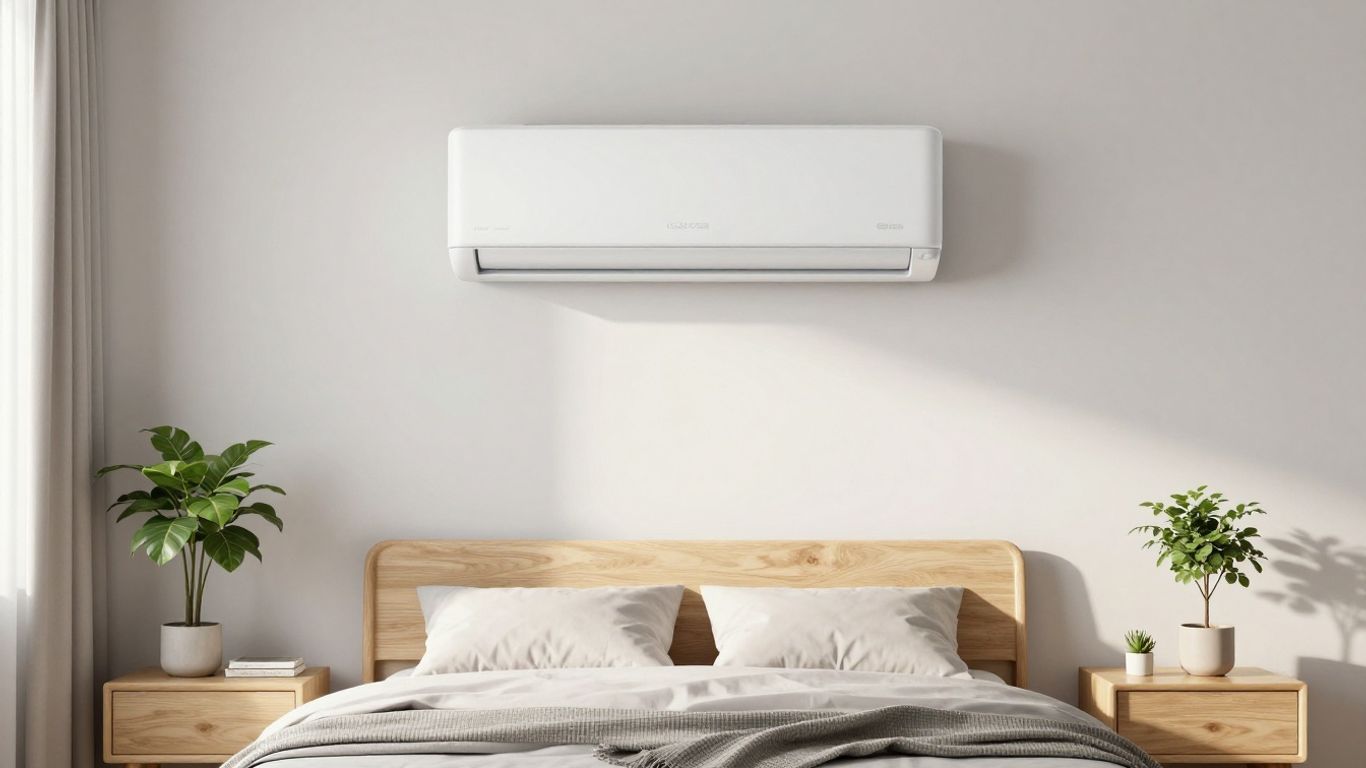
Reducing the amount of water vapor in your home directly influences how pleasant your environment feels on a daily basis. Beyond mere comfort, controlling moisture levels is a strategic step for maintaining your home’s structural integrity. By keeping humidity within a balanced range, you prevent the conditions that lead to stagnant, musty air that can persist even in well-ventilated spaces.
Reducing humidity-related health issues
Keeping indoor humidity below 60 percent is critical for respiratory health because it discourages the proliferation of dust mites and other allergens. When the air is too damp, these irritants thrive, often exacerbating asthma or sinus congestion. Using dry mode ensures that even during peak monsoon periods, your indoor breathing space remains significantly healthier.
Preventing mold and mildew growth
High humidity provides the perfect conditions for mold to colonize corners, behind furniture, and inside soft fabrics. Frequent operation of dry mode keeps these surfaces dry, effectively starving mold spores of the water they need to reproduce. This preventative approach is far more cost-effective than dealing with cleaning or remediation once an infestation takes hold.
Enhancing energy efficiency in moderate heat
Dry mode is often more energy-efficient than standard cooling because the compressor does not need to run at maximum capacity to reach a drastic temperature drop. By cycling intermittently, the unit avoids the massive power spikes associated with heavy cooling. This makes it a great way to maintain comfort while managing your power bills during months where you do not require full-scale climate control.
How to operate your air conditioner in dry mode

Mastering your remote control settings allows you to transition your home environment quickly. Simply pressing the mode button until the icon appears will shift your unit into dehumidification protocols. Ensure your drainage hose is clear of debris to prevent the water from backing up, which would otherwise defeat the purpose of enabling this feature.
Identifying the water drop icon on your remote
The most common indicator for dry mode is a small water droplet symbol on your digital display. If you see stars or snowflakes, you are likely in cooling or snow mode, so continue toggling until the droplet appears. This signal confirms that the unit is now prioritizing the removal of ambient water vapor.
Adjusting fan speed and thermostat settings for optimal results
Most modern units allow you to set the fan speed to the lowest possible level when in dry mode. This slower airflow gives the evaporator coil more time to collect water molecules from the air, increasing your dehumidification rate. It is an excellent practice to observe how the room feels after thirty minutes and adjust the fan if you still detect any remaining humidity.
Managing drainage and condensate collection
Regular check-ups on your drain line can prevent leaking issues that could damage your floor or internal unit housing. If your unit relies on an internal bucket or a connected floor drain, ensure gravity facilitates the flow away from the appliance. 💡 Scenario Time: Imagine you walk into a living room after a heavy rain shower and the walls feel slightly damp to the touch. You turn on the dry mode, but you notice a puddle forming near the wall. You quickly realize the drain hose for your AC was clogged with dust, preventing the moisture from exiting the building.
Limitations of using air conditioning for moisture control
While convenient, air conditioning is not the ultimate solution for every humidity problem. If you live in a chronically damp climate, you might discover that reaching deep sub-50% humidity levels is difficult with cooling equipment alone. For those cases, you might prefer to buy a dehumidifier.
Comparing dry mode to dedicated dehumidifier performance
| Feature | AC Dry Mode | Dedicated Dehumidifier |
|---|---|---|
| Primary Function | Incidental Drying | Constant Humidity Control |
| Energy Use | Moderate | Optimized |
| Room Coverage | Limited | Wide/Specific |
Using a dedicated unit offers peace of mind because you can precisely set your target percentage, whereas an AC in dry mode is at the mercy of its temperature setpoint. For heavy moisture, relying solely on an AC can be a repetitive task, while a dedicated device manages the atmosphere automatically.
Impact on room temperature during long-term operation
Over many hours, consistent operation of dry mode may cause the room to become noticeably colder than you intended. Because the system is designed to trigger the compressor during the dehumidification process, the room will inevitably lose heat. If you need to dry a room without changing its temperature, a specialized device is a much better choice than pushing your AC to work in a way it was not strictly designed for.
Why dry mode works best in specific climates
Dry mode excels in coastal areas where short-term humidity spikes occur after rain showers. In highly humid tropical zones, however, the air is frequently saturated for days at a time. In these cases, it is vital to keep track of system performance, and to effectively manage misinformation and fake news crises regarding which appliances are truly built to handle these extreme demands.
Best practices for indoor climate management
Managing your home ecosystem requires a nuanced touch and consistent oversight. When your home is properly tuned, the air feels crisp and light, providing a significant boost to your overall sense of well-being.
Monitoring indoor humidity levels with a hygrometer
Placing a simple digital hygrometer in your room provides an objective measurement of your daily air quality. This enables you to make informed decisions about when to run your air conditioner or when to deploy a dedicated appliance. Here are steps to maintain your humidity baseline:
- Measure humidity at eye level in the center of the room.
- Keep your windows closed entirely to prevent outside moisture from entering.
- Run your dehumidifying equipment during the late afternoon to prepare for the night.
- Re-check the hygrometer weekly to observe if your habits are keeping levels below 50%.
Maintaining air filters for peak dehumidification performance
Dirty filters create a barrier that prevents humid air from reaching the cooling coils, forcing your unit to work harder for less moisture removal. Weekly cleaning is a small price to pay for the efficiency gain. Aerofy technicians frequently highlight that a clean filter is the most important factor in sustaining internal cooling processes.
Balancing room ventilation to assist moisture removal
While sealing a room is important for efficiency, allowing periodic fresh air circulation prevents odors from becoming trapped. Balancing these needs is the key to maintaining a healthy, pleasant home environment throughout the year.
Conclusion
Utilizing the dry mode on your air conditioner effectively turns it into a useful tool for balancing indoor moisture without the intensity of a freezing cooling cycle. By understanding how to manage your fan settings and maintaining your air filtration system, you can build a more comfortable atmosphere that protects your home from dampness and ensures long-term comfort for you and your family.
Frequently Asked Questions
Does dry mode consume a lot of electricity?
It generally consumes less electricity than standard cooling mode because the compressor does not need to maintain the same low-temperature drop, allowing it to cycle more efficiently.
Can dry mode replace a dehumidifier?
It serves as a helpful short-term fix but may lack the capacity, precision, and efficiency of a dedicated unit specifically engineered for continuous moisture control in high-humidity areas.
Why does the room get cold even in dry mode?
Even though the primary goal is moisture removal, the appliance still uses a refrigerant cycle to remove that water, which inherently pulls heat out of the air and lowers the room temperature.
How often should I clean the air conditioner filters?
It is recommended to clean your filters at least every two weeks if you are frequently using the unit for dehumidification to ensure a clear path for air intake.
Is it safe to leave dry mode running for 24 hours?
While not strictly unsafe, doing so for long periods will likely make the room very cold and may be inefficient compared to a unit designed for continuous dehumidification.
Should I switch off dry mode when I leave the room?
It is better to switch off any climate control appliance when you are away to save energy, as the humidity levels will likely rise again as soon as the unit stops circulating air.
Which humidity level is considered ideal for a living room?
Most homeowners find that keeping indoor relative humidity between 30 and 50 percent is the most comfortable and safest range to prevent moisture-related damage.