Key Takeaways
Understanding the importance of moisture control can transform your living space, especially in humid regions. Being aware of how these devices function helps you maintain a healthier environment throughout the year.
- Dehumidifiers extract excess moisture from the air to maintain optimal indoor humidity levels.
- Lowering humidity prevents mold, mildew, and dust mite proliferation effectively.
- Controlling indoor moisture protects your home from structural damage and electronic corrosion.
- Regular maintenance like filter cleaning ensures your device operates at peak efficiency.
- Proper placement in your home maximizes the effectiveness of moisture removal cycles.
Primary functions of a dehumidifier
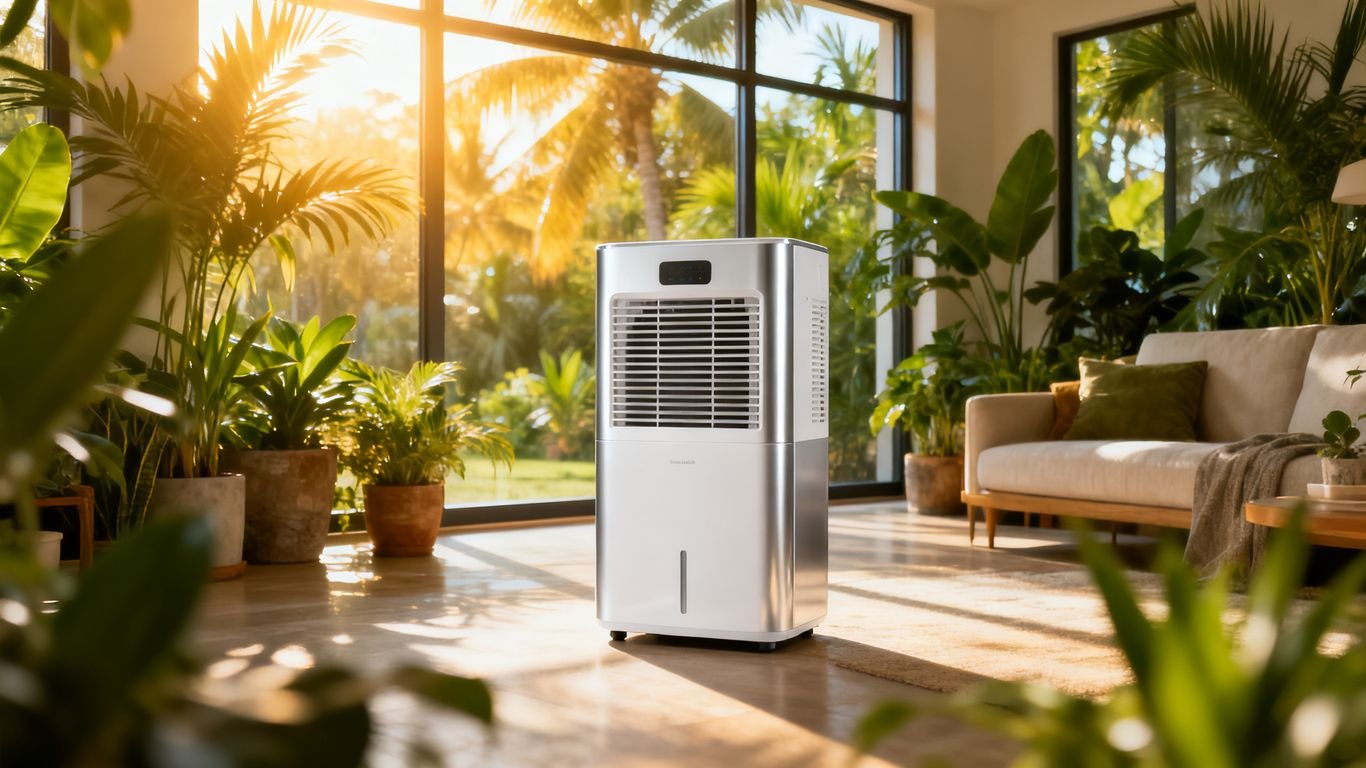
Managing the water vapor levels in your home is the fundamental goal for any homeowner dealing with tropical dampness. By removing excess water from the atmosphere, these appliances create a stable environment where your furniture and health are prioritized. When you install an Aerofy DualCore 20 in your space, you gain a robust tool designed specifically for the challenges of constant humidity.
Removing excess moisture from the air
Removing moisture goes beyond mere cooling, as it addresses the core issue of humidity that plagues many homes. Modern appliances use specific engineering to pull in muggy air and release it as dry, pleasant breezes. This constant cycle prevents mold growth and keeps your living area feeling crisp rather than heavy.
Maintaining consistent indoor humidity levels
Staying within the ideal humidity range of 30% to 50% is crucial for long-term comfort. A quality dehumidifier works tirelessly to oscillate within this range, ensuring your home remains stable despite fluctuating outside conditions. This level of consistency stops the cycle of dampness that often leads to musty odors and damaged wall paint.
Reducing condensation on windows and surfaces
Condensation occurs when moist interior air hits cold surfaces like glass or tile. By managing relative humidity, you eliminate the moisture that settles on your windows, which otherwise leads to persistent droplets and potential damage around the frames. Keeping surfaces dry is one of the clearest indicators that your humidity management system is functioning correctly.
Health benefits associated with lower humidity

High moisture levels can turn a comfortable home into a breeding ground for various health irritants, causing respiratory distress and allergic reactions. Lowering the humidity actively changes the physical properties of your indoor air, making it less hospitable for microscopic life. Investing in effective moisture control is often the first step toward improving your overall well-being and home air quality.
Preventing mold and mildew growth
Mold needs high humidity to thrive, often colonizing behind cabinets or on ceilings when moisture levels exceed 60%. By keeping the air dry, you eliminate the hydration necessary for these fungi to grow. This preventative approach is far more manageable than attempting to remediate an indoor mold outbreak after it becomes established.
Reducing common indoor allergens like dust mites
Dust mites are notorious residents in damp environments, as they rely on moisture to survive and multiply. Once you lower the humidity in your home, these unwelcome guests find it difficult to reproduce, leading to a significant decrease in allergy triggers. For anyone suffering from persistent sneezing or congestion, dry air is the best defense.
Improving respiratory health and comfort
When air is heavy with water, the simple act of breathing can feel like a chore for people with asthma or sensitivities. A drier environment allows for better lung function and provides a sense of clarity in every breath you take. It truly makes a tangible difference in how you experience your living space daily.
Protecting your home’s structure and contents

Maintaining the structural integrity of your home requires vigilance against the creeping damage of moisture-laden air. Wood, drywall, and even sensitive electronics react poorly to prolonged exposure to damp conditions, eventually leading to warping or failure. Consider the following impact of humidity on common home components:
| Item Type | Effect of High Humidity | Risk Level |
|---|---|---|
| Wooden Floors | Warping and expansion | High |
| Electronics | Internal corrosion | Medium |
| Drywall/Paint | Peeling and stains | High |
By ensuring you keep humidity levels stable, you can significantly mitigate these risks and extend the longevity of your investment throughout your entire home.
Safeguarding wooden furniture and flooring
Wood is porous and sensitive, meaning it will absorb excess moisture from the air, which leads to warping, cracking, or swelling. By using a dehumidifier, you create a buffer that keeps your timber stable and looking fresh for years. This preventative care is essential for maintaining the value and aesthetic appeal of your property.
Preventing structural damage to walls and ceilings
When trapped moisture collects behind walls or in ceiling voids, it can quickly turn into hidden signs of decay. Frequent dehumidification removes this environmental stressor, protecting your home integrity from the slow encroachment of rot and structural degradation. It is a vital step in maintaining every part of your home.
Extending the lifespan of electronic appliances
Electronics operating in stagnant, humid air are often subject to internal corrosion and electrical shorts due to moisture buildup on sensitive components. Relying on an Aerofy DualCore 20 ensures that your digital equipment stays dry and reliable. Think of it as an insurance policy for all your home gadgets and expensive machinery.
How a dehumidifier works to dehumidify air
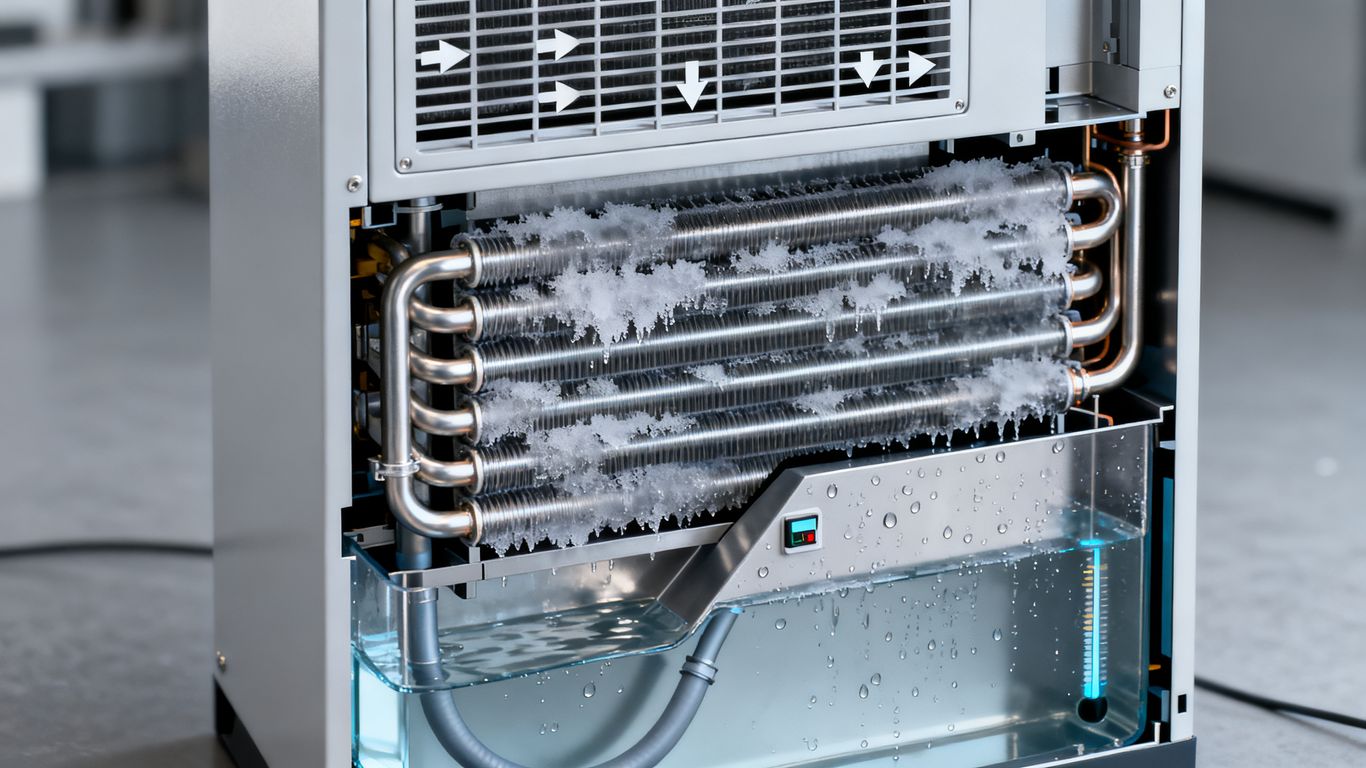
Understanding the mechanics isn’t just for engineers; it helps you appreciate why a dedicated system beats simple ventilation. Most home units utilize the refrigeration cycle to draw moisture out of the air. The process can be broken down into these logical steps:
- The intake fan draws in ambient air from your room.
- The cool evaporator coils strip the moisture from the air.
- Water droplets collect and drip into a removable storage tank.
- The remaining dry air passes over warmed coils for release back into the space.
This continuous refrigeration process helps ensure that your indoor climate remains comfortable around the clock.
The refrigeration process using coils and compressors
A compressor acts as the heart of the system, pushing refrigerant through the coils to pull heat and water out of the air. This rapid cooling action makes it possible to physically remove liters of water per day, turning a humid room into a dry environment in a matter of hours. It is remarkably effective even in the tropics.
Desiccant technology for smaller or colder spaces
While refrigerating is standard, some units use desiccant wheels that bind moisture to a material like silica gel. These are often quieter and work excellently in smaller or cooler environments where traditional compressors might struggle. Selecting the right tech depends on your specific layout and target room temperature requirements.
Airflow dynamics and fan operation
Effective circulation is what allows the dehumidifier to process the air volume of an entire room efficiently. An Aerofy DualCore 20 utilizes high-performance fans to ensure that stagnant pockets of humid air are broken up and drawn through the intake filters. Proper fan speed and placement directly dictate how quickly your home feels dry again.
Signs you need a dehumidifier
💡 Real-World Scenario: Imagine coming home after a long day in the tropical heat only to walk into a living room that feels like it’s holding a wet blanket. Your skin feels clammy immediately, and you notice a faint, sour smell emanating from the direction of the laundry room. This is a classic indicator that the humidity levels in your residence have surpassed the comfort zone.
Visible signs of dampness or water staining
If you see dark spots forming in corners or water stains blooming on your ceiling paint, the problem is already advanced. These signs indicate that ambient moisture is condensing on cold spots regularly. Addressing this by buying a dehumidifier stops the spread of these unsightly marks before they ruin your interiors.
Lingering musty odors in basement or crawl spaces
Musty smells are essentially the scent of microbial growth and stagnant air combined. When a room never dries out, the air becomes stale and uncomfortable due to the lack of airflow and high water content. Bringing in a dedicated unit can freshen up these spaces in no time.
Frequent window fogging and condensation
Seeing heavy fog on your windows isn’t just about the temperature outside; it’s a symptom of internal air that is saturated with moisture. When your surfaces can’t hold the humidity, it turns to water, which often pools into puddles on your ledges. This is a clear cry for help from your HVAC environment.
Feeling clammy or sticky despite air conditioning
Even if your AC is blowing cold, if the air feels sticky, it means the moisture level stays high. An air conditioner is primarily for cooling, not dehumidifying, so relying on it alone can be inefficient and uncomfortable. A combined approach using an Aerofy DualCore 20 fills the gap that your standard AC units miss.
Best practices for operating your device
Running your device effectively is as much about setup as it is about the equipment itself. To get the most from your, keep the environment somewhat sealed and ensure the intake isn’t blocked by furniture. > Effective moisture management is not only about the gear you use but also about how consistently you manage your household ventilation through correct device placement and maintenance.
Optimal placement for maximum efficiency
Don’t crowd your unit in a corner; it needs space to pull air in from all directions. Placing the device centrally within an open area allows it to draw in the most humid air across its coils. You will see far better results if you give it enough room to circulate properly.
Maintaining and cleaning filters regularly
If the filter is clogged with dust, your device has to work twice as hard to draw air, leading to decreased performance. Regularly rinsing or replacing your filters ensures the fan and motor run at full capacity. It is a simple habit that significantly extends the lifespan of your appliance.
Setting the correct humidity percentage target
Setting your target humidity is a balancing game that depends on your climate. Aiming for a target of 45-50% is generally perfect for most homes, as it’s dry enough to stop mold but not so dry that it becomes uncomfortable. Keeping these settings locked in helps your unit run efficiently while maintaining a professional standard of air comfort.
Conclusion
Your home should be your sanctuary, not a place where you battle moisture, odors, and structural wear daily. By understanding the purpose of dehumidifier systems and applying best practices for operation, you can significantly elevate your living quality and safeguard your property for the long haul. Remember that small daily adjustments often lead to massive improvements in comfort, health, and environment.
Frequently Asked Questions
Is it okay to keep a dehumidifier running all night long?
Yes, it is perfectly safe to keep your device running while you sleep, especially if it features a robust tank or a continuous drain option to avoid overflow.
How often should I check the water tank for emptying?
Depending on the humidity level and the size of your machine, you should monitor the tank daily if the environment is particularly humid or if you have a smaller capacity unit.
Does a dehumidifier need a special power outlet?
Most residential dehumidifiers work on standard wall outlets, but you should always check the manufacturer’s specifications regarding wattage to ensure the circuit isn’t overloaded.
Can a dehumidifier replace a traditional air conditioner?
No, they serve different functions; air conditioners cool the air, while dehumidifiers focus on removing moisture, though some systems offer both capabilities simultaneously.
Why does my machine make a clicking sound periodically?
Clicking often indicates the cycle where the compressor turns on or off based on the target humidity settings, which is a normal part of the automated operation cycle.
Should I keep windows open while the unit is working?
It is best to keep windows and doors closed as much as possible, as bringing in fresh, humid air from outside will force your machine to work much harder to maintain a dry environment.
Where is the best place to store the unit in the off-season?
Clean the device thoroughly inside and out, empty the tank, and store your unit in a cool, dry place to prevent dust buildup on the coils during the months you are not using it.
Explore our collection of moisture-control units for your home.