
Key Takeaways
Keeping your device clean ensures optimal performance and prevents harmful mold spores from circulating in your home. Follow these essential steps to maintain your humidity control solution effectively for years of reliable use.
- Regular filter maintenance improves overall air quality.
- Vinegar solutions are highly effective for natural sanitization.
- Always unplug devices before beginning any cleaning procedure.
- Proper coil care prevents long-term mechanical strain.
- Consistent drainage habits eliminate the primary source of odors.
Preparation and safety
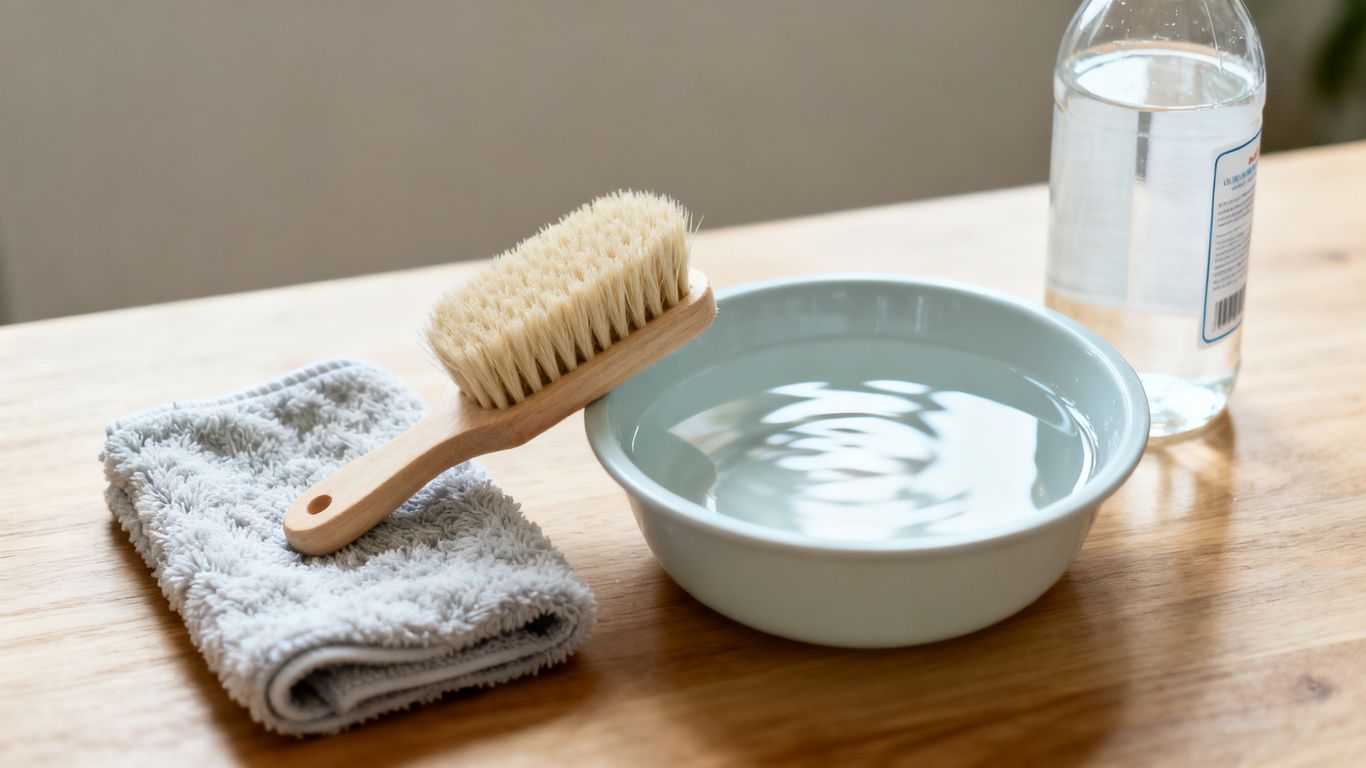
Setting up your environment before starting is crucial for an efficient cleaning session. You need to gather all necessary items to avoid disruption and ensure you follow safe handling protocols while managing your DualCore 20 unit.
Gathering necessary cleaning supplies
To clean your unit properly, assemble a basic toolkit including mild dish soap, distilled white vinegar, a soft microfiber cloth, and a small brush. Avoid using harsh chemicals that could damage internal components or leave residue, as your device needs specific care for delicate finishes.
Powering down and unplugging the unit
Safety is paramount when dealing with any electrical appliance, so always turn off the power fully and pull the plug from the wall outlet. This prevents any accidental surges while you are working near sensitive internal parts like the motor or electronics.
Understanding manufacturer-specific warnings
Consult your specific device instructions to identify any proprietary parts that require specialized care. Some units, like those from Aerofy, include integrated features that demand slightly different handling than basic models, ensuring you maintain the integrity of their tropical climate engineering.
Cleaning the air filter
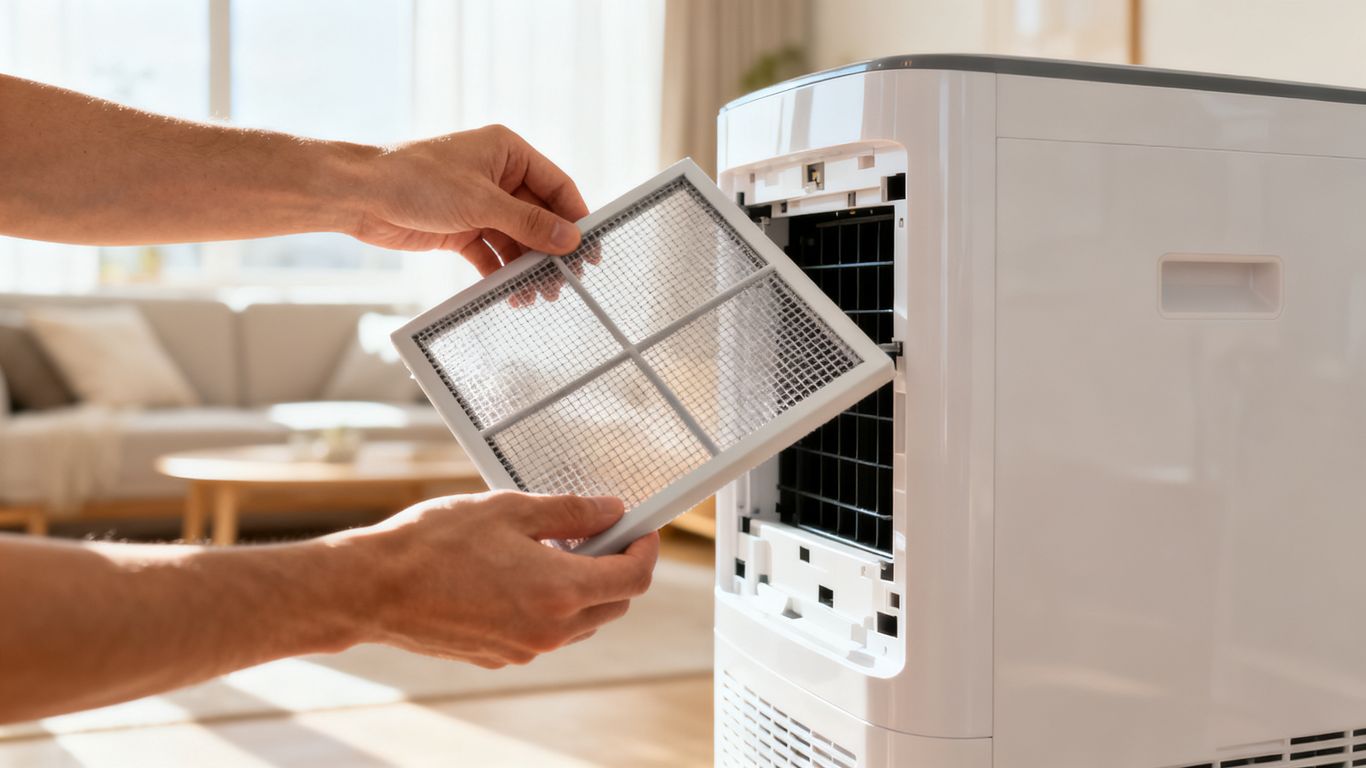
An obstructed filter is the number one cause of poor performance in humid environments. Airborne dust and fibers gather on the intake mesh, forcing the compressor to work harder than necessary and potentially reducing the lifespan of your machine.
Removing the filter housing safely
Locate the intake grille, which typically pulls away with a light pull on the designated tabs. Handle the housing softly to avoid warping the intake frame, as a tight, secure fit is essential for trapping dust and particulates before they reach the internal cooling coils.
Washing with water and mild detergent
Once the filter is out, submerge it in a basin filled with warm water mixed with a drop of gentle soap. Gently massage the mesh to dislodge trapped particles, ensuring you do not use high-pressure water that could tear the fine filtering material, which is critical for keeping citations consistent and ensuring pure air output.
Ensuring complete dryness before reinstallation
Never place a damp filter back into the intake slot, as this creates a perfect breeding ground for mold. Let it air dry completely in a shaded, well-ventilated spot for several hours to guarantee that no moisture enters the primary air chamber during startup.
Sanitizing the water tank
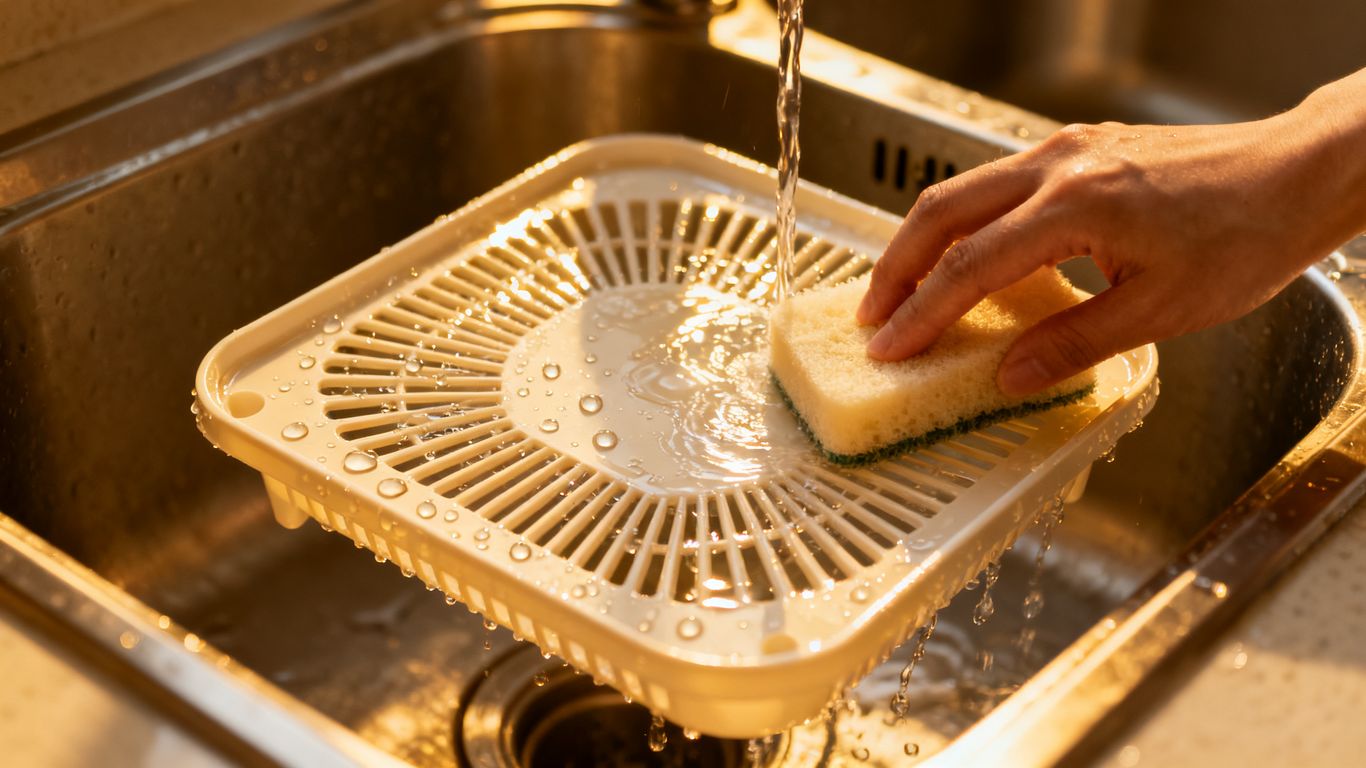
Maintaining the collection basin is essential, especially in high-humidity zones like Singapore where water can stagnate rapidly. A clean tank prevents that distinct musty odor that often signals the presence of microbial growth inside a portable dehumidifier.
Removing mold and mineral buildup
Inspect the tank walls for any slimy film or hard mineral deposits that might have accumulated over time. These spots often harbor bacteria that can be released back into your living space, detracting from the healthy indoor humidity levels your unit is meant to provide.
Using vinegar solutions for disinfection
Create a cleaning table to keep track of your maintenance cycles for different components, as seen below:
| Component | Cleaning Method | Frequency |
|---|---|---|
| Mesh Filter | Gentle Rinse | Every 2 Weeks |
| Water Basin | Vinegar Soak | Monthly |
| Exterior Shell | Microfiber Wipe | As Needed |
A mixture of one part vinegar to three parts water is ideal for disinfecting the tank, as it safely neutralizes odors and organic matter without damaging the plastic basin material.
Scrubbing internal tank corners and crevices
Use a soft-bristled brush to reach into the deeper corners of the reservoir, where biofilm is most likely to hide. By paying close attention to these areas, you ensure that every part of the water system remains sterile and ready for optimal performance in any season.
Maintaining the coils and interior components
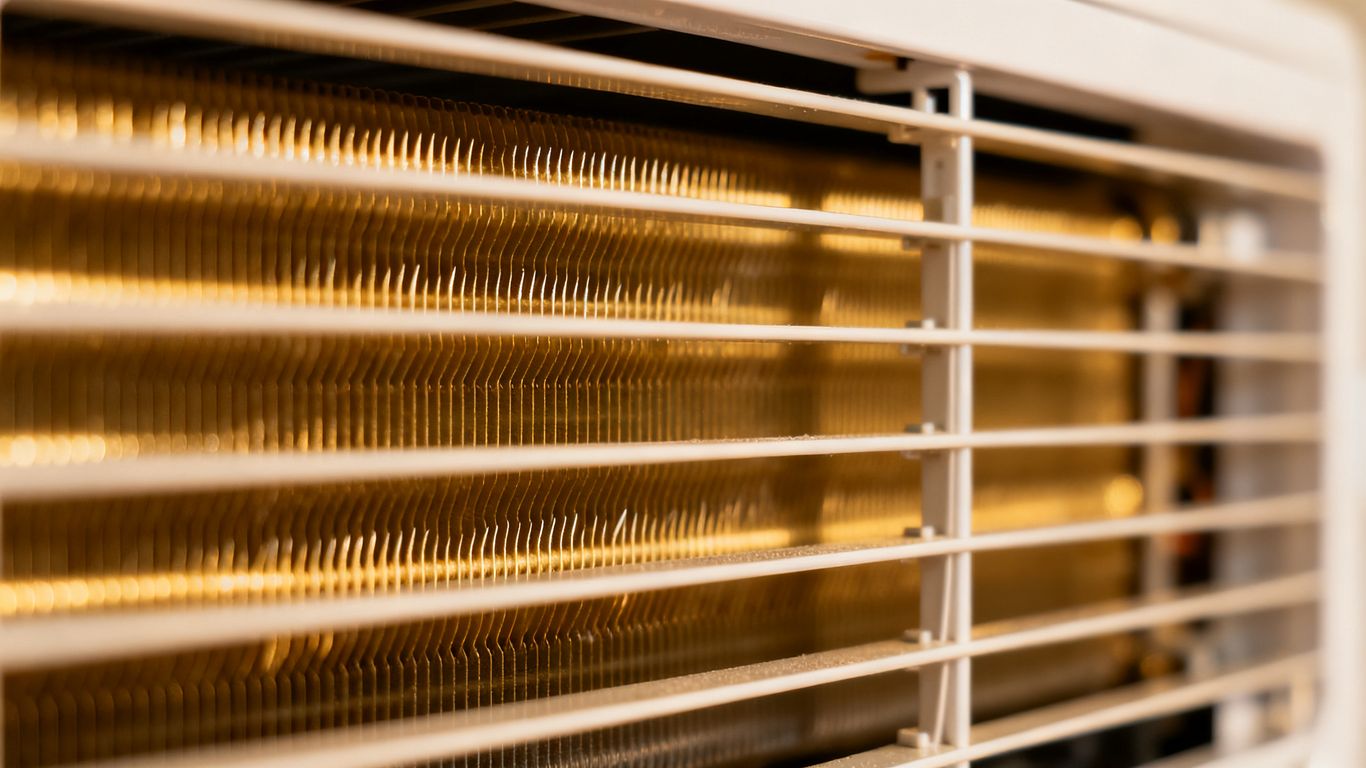
While the external parts are easy to reach, the internal cooling coils often require more attention. Dust buildup here acts as an insulator, preventing the rotary compressor from effectively removing moisture from the air circulating through your home.
Cleaning dust from condenser coils
Carefully inspect the metal fins visible at the back or side of the unit. Use a gentle movement to clear away surface dust, ensuring the airflow remains unobstructed for maximum energy efficiency.
Using a soft brush or vacuum for internal debris
Scenario Time: Imagine you notice your unit is vibrating more than usual while running in your living room. You realize that debris has accumulated over the last few months of operation. You decide to:
- Use a vacuum with a soft brush attachment to gently pull dust away from the unit’s rear vents.
- Employ a long, thin, soft-bristled brush to reach deeper into the fins where the vacuum nozzle cannot fit.
- Check for any large dust clumps that might have blocked the airflow path entirely.
- Reattach the exterior panels once the interior looks clean and unobstructed.
This simple process helps you avoid the common issues described in technical guides regarding performance drops.
Avoiding damage to delicate radiator fins
These fins are incredibly thin and bend under even minor pressure, so move your tools parallel to the fins rather than pushing against them. A sharp focus on detail is your best defense against causing accidental deformation of these functional metal components.
Preventing future mold and bacterial growth
Establishing a proactive routine is the most efficient way to maintain a fresh, healthy home environment. Without a schedule, residues tend to build up silently until a musty smell gives them away, so discipline at the beginning helps you avoid deeper cleaning later.
Establishing a regular maintenance schedule
Mark your calendar to check your unit every two weeks. By keeping track of your maintenance intervals, you prevent mold from gaining a foothold, which is the secret to getting the best times to run your device for maximum air quality.
Emptying the basin to prevent stagnant water
Do not let water sit in the reservoir for more than a day if possible. Stagnant water is the primary source of growth inside the machine, so making a habit of dumping it daily preserves the integrity of your air dehumidifier and saves you time on deep cleaning.
Checking for blocked intake vents
Ensure no furniture or curtains are pushed against the intake vents, as this restricts airflow and creates dead zones where moisture thrives. By keeping a clear perimeter, you allow the system to process air cleanly and efficiently every single day.
Conclusion
By following these maintenance steps, you ensure that your Aerofy unit continues to function at its peak, providing your family with the clean, dry air they deserve in any tropical environment. Consistent care not only extends the life of your appliance but also minimizes health risks associated with indoor mold and excessive moisture.
Frequently Asked Questions
How often should I perform a deep clean of my unit?
You should perform a thorough deep clean of your system at least once a month, especially in very humid climates where moisture can accumulate in the internal drainage pathways.
Can I use harsh chemical cleaners on the internal parts?
Avoid chemical cleaners at all costs, as they can corrode sensitive metal coils and damage plastic components. Stick to mild soap, water, and vinegar for the safest cleaning result.
Is it safe to wash the electronics with water?
Never touch the internal electronic boards with water or any liquid. Always limit cleaning to the removable parts or the external housing while the unit is completely powered down.
What should I do if I see mold inside the main housing?
If you see mold growing in areas you cannot reach, it is best to stop using the unit and contact a professional technician. Attempting to force tools into delicate internal areas can lead to permanent damage.
Why does my tank smell even after I wash it?
Odors often come from biofilm buildup in the internal pump or drainage tubes that were not fully scrubbed. Ensure you are cleaning all tubing and the pump filter if your model includes one.
Can I run the unit while the filter is still drying?
Operating the unit without a filter can introduce dust directly to the internal coils, which is difficult to clean later. Always wait until the filter is 100% dry before reinstalling it.
Does cleaning help with noise issues?
Yes, cleaning dust out of the fan and coils often reduces vibration and operational noise significantly. Dust accumulation can throw fans off balance, leading to the rattling sounds you might hear during operation.