Key Takeaways
Understanding how to manage indoor air is vital for residents of tropical regions. Here are the main considerations for maintaining a dry, healthy home environment:
- Singapore maintains consistently high humidity levels that frequently exceed 80%.
- Excess indoor moisture acts as a primary catalyst for mold, mildew, and dust mite growth.
- Dedicated dehumidifiers outperform air conditioners regarding moisture extraction efficiency in humid residential spaces.
- Factors like room size, energy consumption, and noise levels are critical when selecting an appropriate unit.
- Regular maintenance of air filters and collection tanks ensures consistent performance over the lifespan of the appliance.
The mechanics of humidity in Singapore
Understanding relative humidity in tropical climates
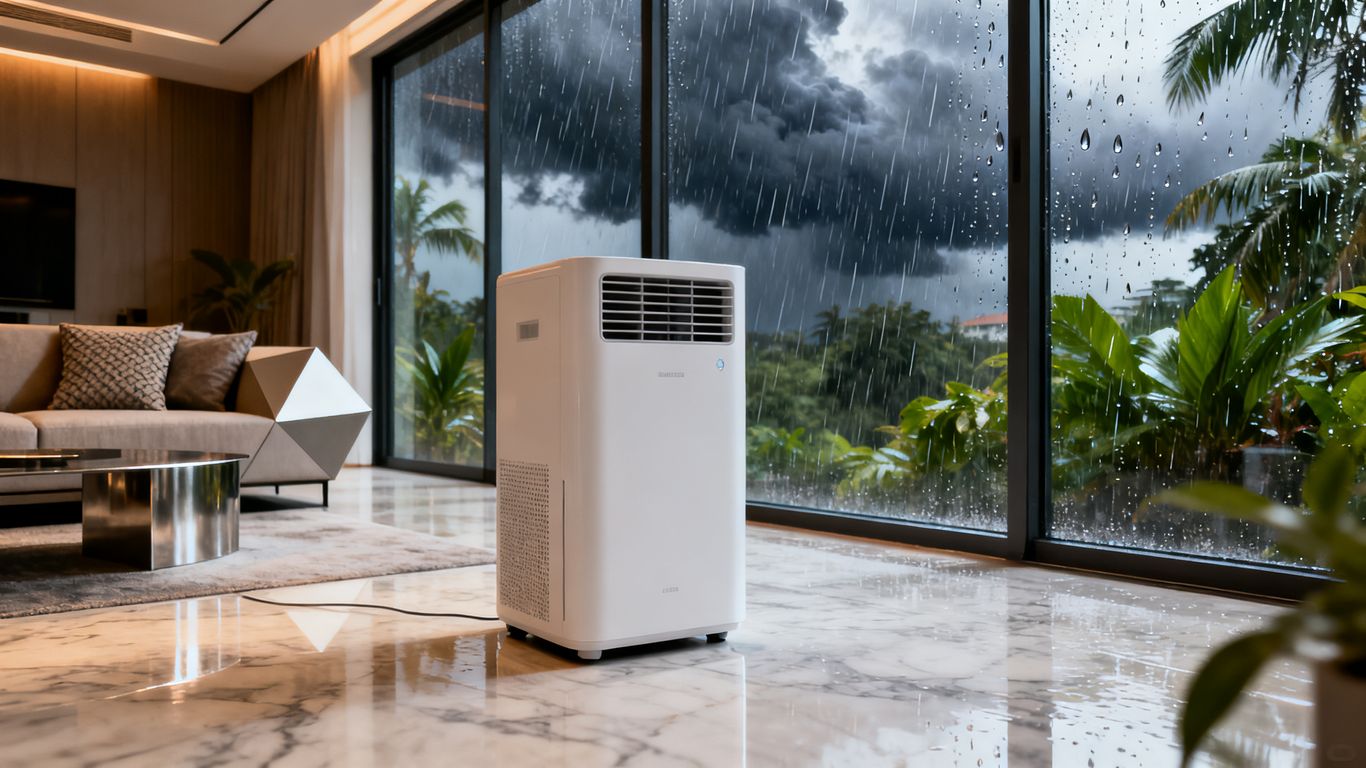
Tropical climates defined by high heat and regular rainfall create a persistent layer of moisture in the air. In Singapore, humidity levels often hover between 70% and 90%, which is well beyond the comfortable threshold for human habitation and home preservation. This continuous saturation prevents surfaces from drying effectively, leading to structural and aesthetic issues that are rarely seen in temperate regions.
How a compressor dehumidifier extracts water from air
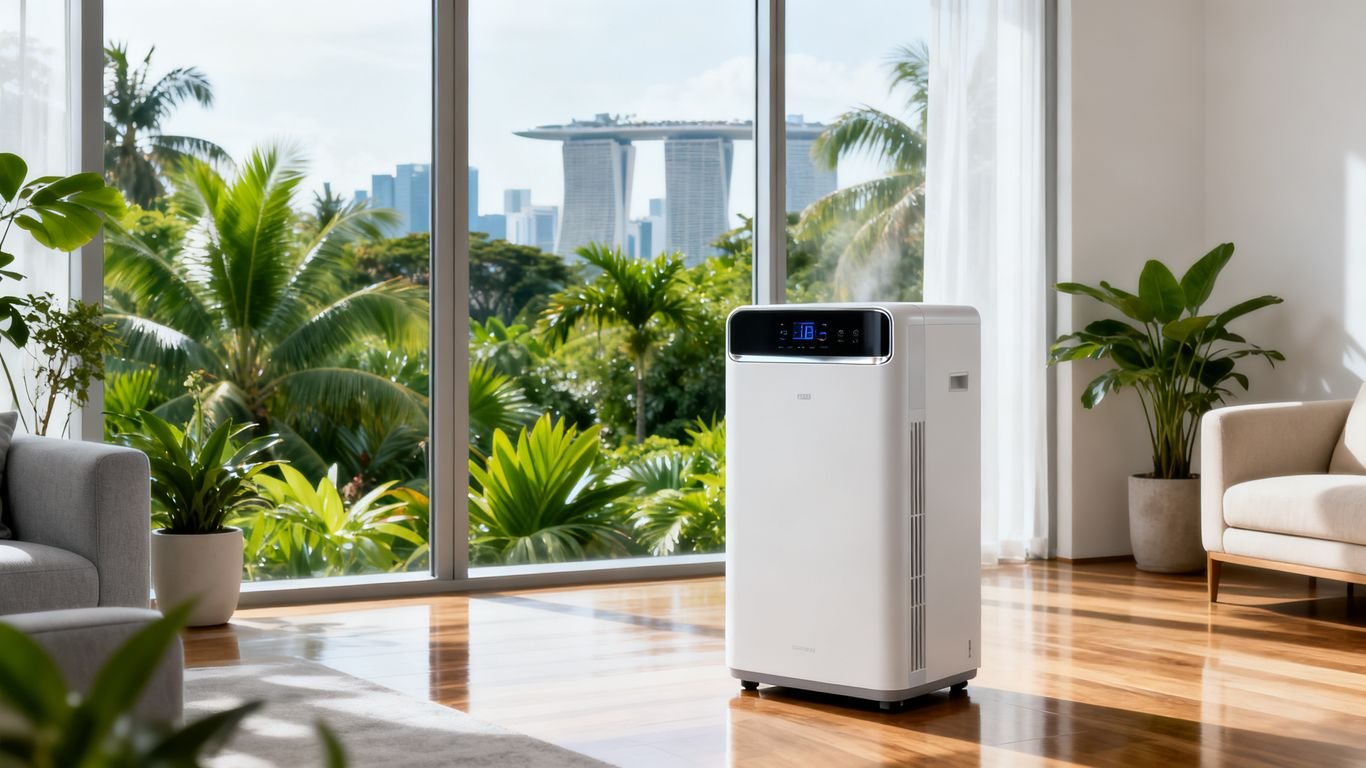
Compressor units draw warm, damp indoor air across cold metal coils. This process reduces the temperature below the dew point, causing the moisture inside to condense into water droplets. The Aerofy DualCore 20 utilizes an advanced, energy-efficient refrigeration cycle that allows for rapid water extraction in localized spaces. Once the water is separated, the machine reheats the remaining air slightly before releasing it back into the room.
Desiccant versus compressor models: which suits the environment
Compressor models are generally superior for Singapore’s warm climate because they operate optimally at temperatures above 20 degrees Celsius. Desiccant units, which use chemical materials to absorb moisture, are better for cold environments where cooling coils might freeze. Since tropical homes provide the heat necessary for a rotary compressor to function at peak capacity, compressor-based units serve as the standard for effective home moisture control.
Signs that your home requires a dehumidifier
Identifying mold and mildew growth on walls and clothes
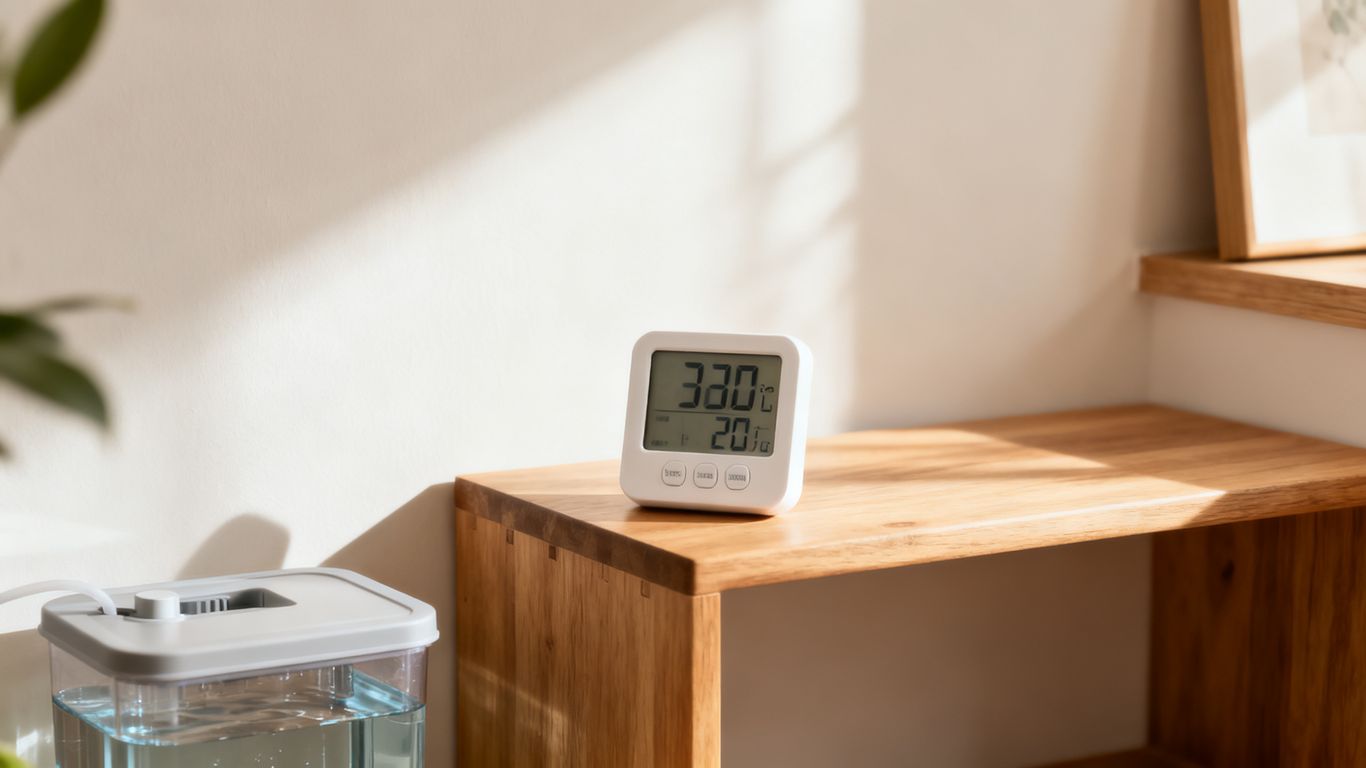
Visible fungi are the most alarming indicators that moisture levels have compromised your interior. These organisms thrive in dark, stagnant corners, often leaving behind dark spots or fuzzy textures on fabrics and painted surfaces. Addressing this requires a proactive approach to keeping humidity levels balanced.
Managing the musty scent in enclosed spaces
Common signs that indicate a need for environmental correction include:
- A recurring, damp odor inside closets even after cleaning.
- Persistent condensation forming on single-pane window surfaces.
- Curtains or upholstery feeling slightly "tacky" or clammy to the touch.
- Accelerated deterioration of leather goods stored in wooden cabinets.
Protecting sensitive electronics and wooden furniture
High humidity damages delicate internal components by triggering internal corrosion or unwanted electrical shorts. Solid wood furniture often expands or warps due to shifts in ambient moisture, causing joints to loosen and drawers to jam. Managing the environment prevents these expensive repair issues from manifesting in the first place.
Reducing dust mite populations in bedrooms
Dust mites rely on high relative humidity to extract essential water from the atmosphere. By keeping your living space within the recommended humidity range, you significantly decrease the viability of these allergens. Improved air quality helps individuals suffering from respiratory sensitivities reach better breathing comfort while sleeping or resting.
Comparing dehumidifiers and air conditioners
Why air conditioning functions as a partial dehumidifier
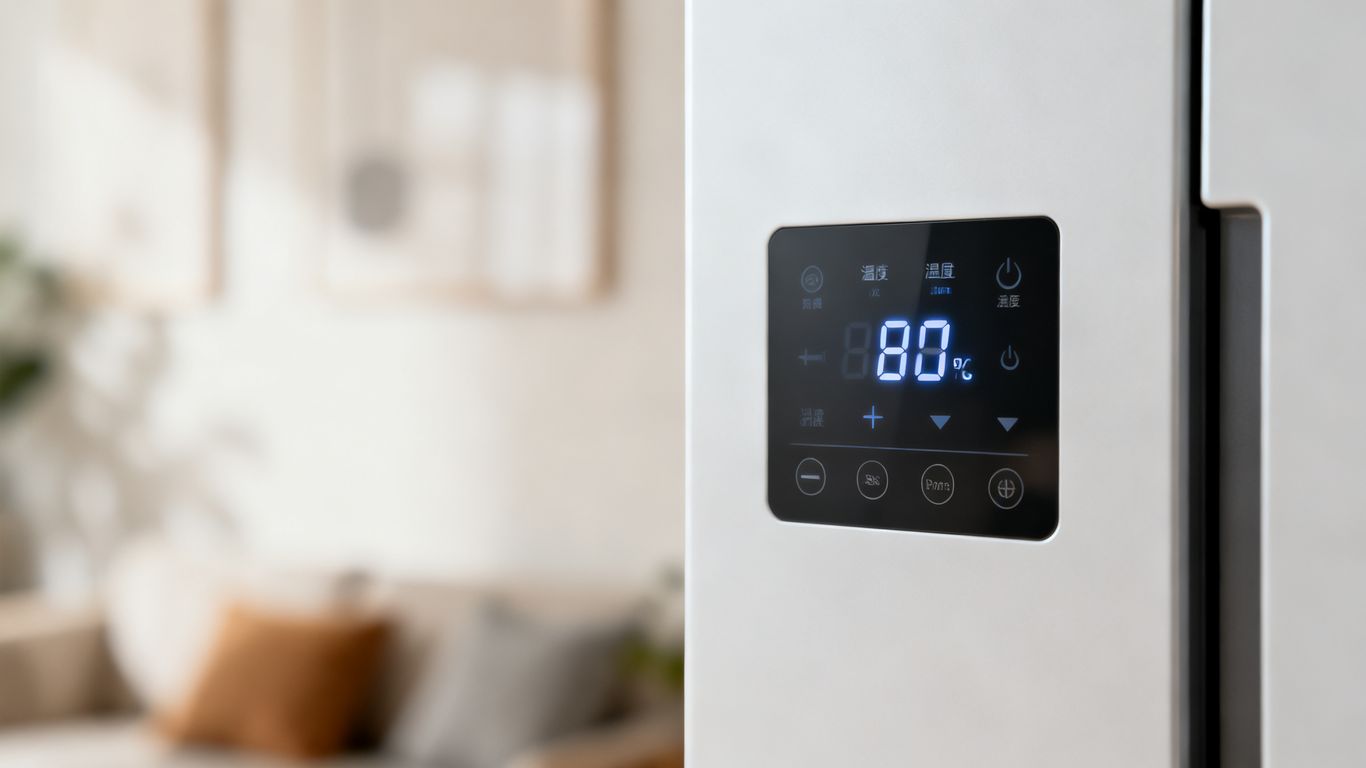
Air conditioners are designed primarily for temperature reduction, though moisture removal is a secondary byproduct of their cooling cycle. When the unit cools the air, moisture condenses on the evaporator, but this effect is often insufficient for comprehensive humidity control in humid environments like Singapore.
Limitations of AC units during energy-efficient modes
Many modern air conditioners enter a "low power" state once the set temperature is reached, effectively stopping their dehumidification work. If the compressor shuts off, the fan may simply redistribute the stagnant, humid air, which often leads to the damp atmosphere returning rapidly.
Benefits of using a standalone unit for targeted moisture control
Standalone units provide precision management that general comfort cooling cannot match. The following table highlights why specific hardware is often preferred over standard comfort cooling strategies:
| Feature | Air Conditioner | Dehumidifier |
|---|---|---|
| Primary Function | Temperature Control | Moisture Extraction |
| Energy Mode | Thermostat-based | Sensor-controlled |
| Air Circulation | High volume | Targeted/Focused |
Using a dedicated unit ensures that the environment reaches a specific humidity target regardless of the indoor temperature setting.
Comparing energy consumption between cooling and dehumidifying
While air conditioners draw significant power to change the ambient temperature, a modern dehumidifier focuses exclusively on the latent heat associated with phase changes. Because these machines do not need to fight environmental heat gains to cool a room, they are often the more efficient choice for pure moisture management.
Factors to consider before purchasing
Calculating the required tank capacity for different room sizes
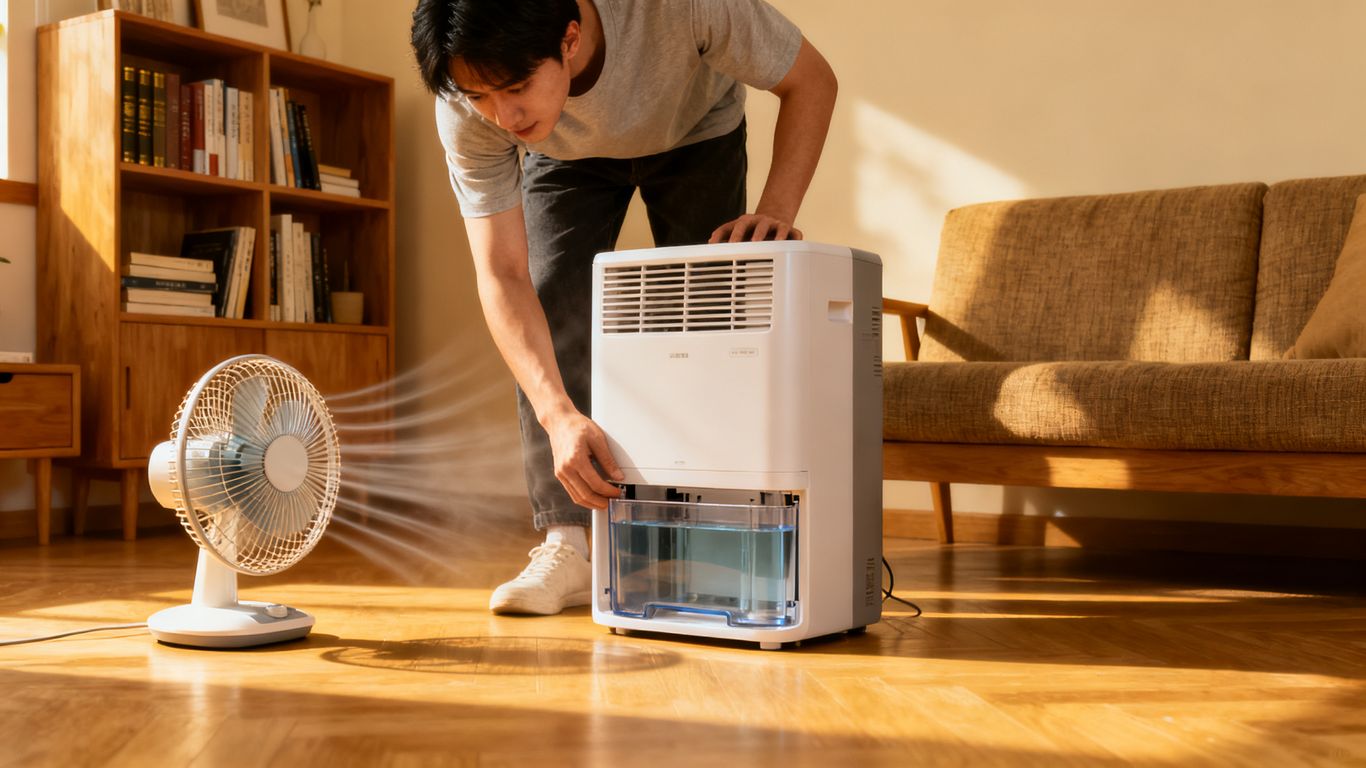
Larger spaces inevitably hold more moisture, which dictates the necessary tank size and extraction rate of a chosen unit. A device with a small collection tank may require manual emptying multiple times a day, whereas a larger-capacity appliance can run for extended periods without oversight.
Assessing energy efficiency ratings for local utility costs
Look for models that prioritize energy recovery during operation. Efficient appliances ensure that protecting your home doesn’t result in an unmanageable electricity bill, especially when you need to run the unit continuously.
Managing noise levels for quiet study or sleeping environments
Quiet operation is essential if you intend to place the device in a bedroom or home office. Aerofy engineers prioritize acoustic dampening, ensuring that powerful suction does not interfere with daily activities or rest. This is a necessary investment for long-term comfort.
Built-in features like continuous drainage and sensors
💡 Real-World Scenario: Imagine you need to maintain humidity for your home office during a week-long business trip. A model with an integrated hose for continuous drainage means the unit won’t stop running even when the tank is full. Furthermore, smart sensors that monitor humidity in real-time allow the machine to deactivate once your ideal target is achieved, reducing energy use. Integrating these smart humidity control features is crucial for reliable, set-it-and-forget-it performance, especially if you are managing professional office settings where maintaining ongoing DBS compliance is part of a broader, well-oiled operational policy.
Implementing a moisture control strategy
Best locations for placement in high-moisture zones
Place your unit in central areas where air circulates freely, avoiding corners where furniture blocks the intake vents. Elevating the unit slightly from the floor can further improve the intake of heavy, damp air resting near the ground level.
Maintaining effective airflow for maximum extraction
Keep vents clear of obstructions to ensure the motor functions as designed. Restricted airflow forces the system to work harder, reducing its overall efficacy and increasing the wear on components. If you need to keep a space dry, you can start your journey toward better air quality by ensuring the unit has at least 30 centimeters of clearance on all sides.
Routine maintenance for air filters and collection tanks
Regularly washing the pre-filter removes trapped lint and dust, which could otherwise impede the air speed. Empty the collection tank frequently to prevent spill-over, and periodically wipe the interior to discourage any bacterial buildup.
Knowing when to run your device for optimal results
Running your dehumidifier during the most humid parts of the day keeps the relative moisture content stable. You might consider placing the unit in a dryer, cleaner air state by running it in the morning to prevent the buildup that usually occurs in the late afternoon.
Conclusion
Investing in targeted moisture control via a dedicated dehumidifier is a practical necessity for maintaining a healthy and comfortable living environment within Singapore’s inherently humid tropical landscape.
Frequently Asked Questions
Does high humidity cause long-term damage to clothing?
Yes, excessive moisture leads to fiber degradation and the development of permanent odors, which can be difficult to remove once established.
Is it normal for a dehumidifier to produce warm air?
Yes, the air exhausted from the system is slightly warmer than the air it initially intake as a standard consequence of the internal refrigerant cycle.
Should I close my windows while the dehumidifier is running?
Operating the device in a closed environment prevents new, humid external air from entering, which allows the machine to achieve its target humidity level much faster.
Can a dehumidifier replace an air purifier?
While some units combine the two functions, a standard dehumidifier acts only on moisture; if air quality is a concern, ensure your unit includes specialized filtration media like a grade-specific filter.
How often should I empty the collection tank?
The frequency depends on the ambient humidity and the capacity of the tank, but most users find that twice daily during peak monsoon seasons is sufficient.
Will using a dehumidifier increase my electricity bill significantly?
Modern compressor systems are engineered for high efficiency, and the power consumed by a dedicated unit is typically far less than the cost of running an air conditioner for the same purpose.
Where is the most effective place to keep a small dehumidifier?
Placement in laundry areas, walk-in wardrobes, or near damp wall sections provides the most immediate relief from humidity-related issues.