Key Takeaways
Understanding how to effectively manage indoor moisture is essential for health and comfort in tropical living environments.
- Dehumidifiers extract excess water vapor from the air to prevent mold and musty odors.
- Refrigerant units rely on cooling coils, while desiccant models excel in colder environments.
- Maintaining indoor humidity between 40% and 50% protects your home from structural dampness and dust mites.
- Regular maintenance, including filter cleaning and reservoir emptying, is critical for consistent performance.
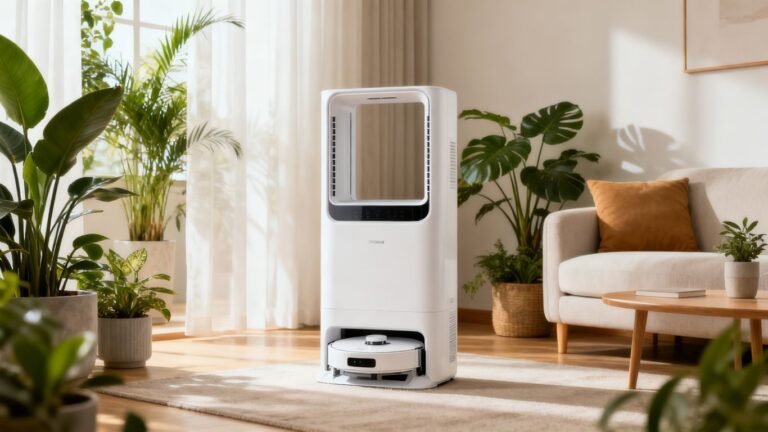
- Dual-function devices like the DualCore 20 combine purification and moisture removal for efficient space management.
Fundamentals of home dehumidifiers
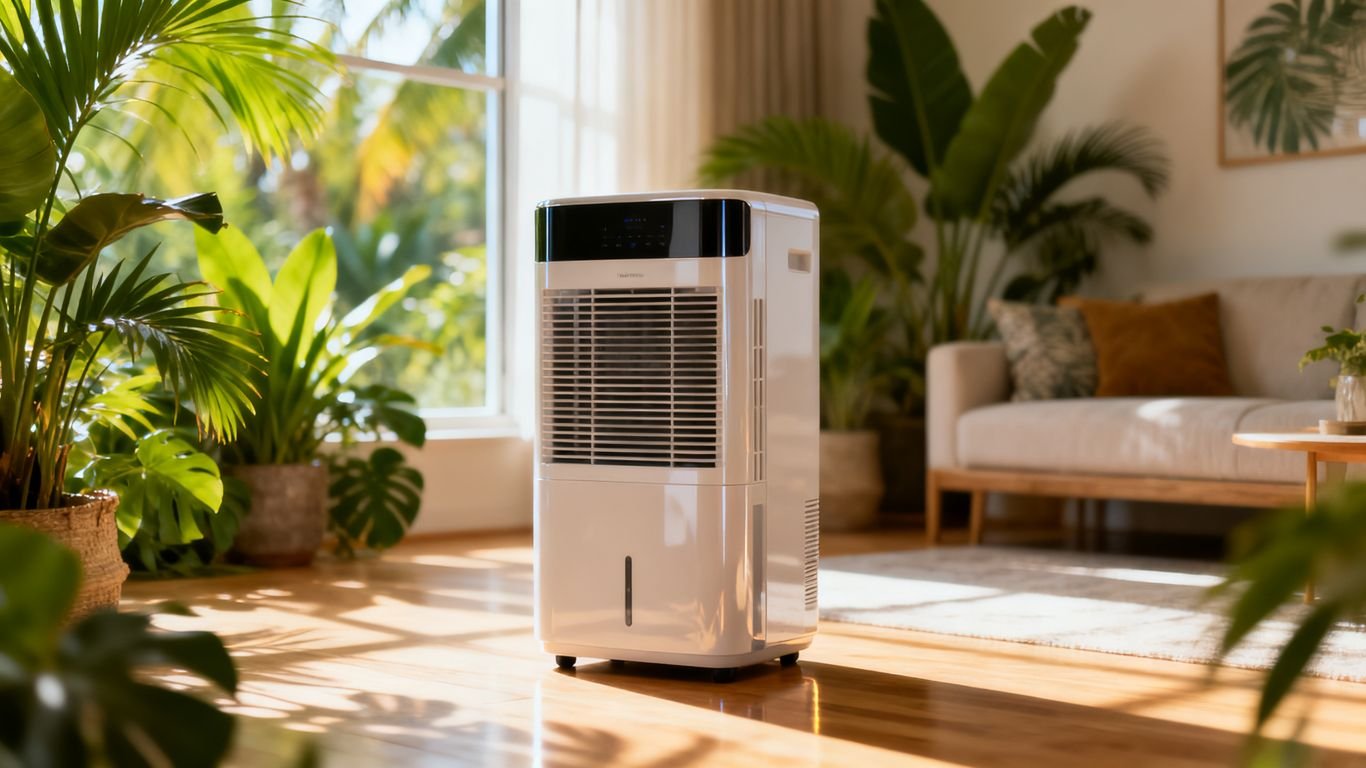
Living in a tropical environment often means dealing with excessive moisture that can settle into your home and belongings. For those asking what is a dehumidifier, it is an essential piece of equipment engineered to extract water vapor from the air, maintaining a comfortable atmospheric balance. These units are not just about drying out a room; they are vital for protecting your living space from the negative impacts of chronic humidity.
Primary components and mechanical operation
A dehumidifier functions through a precise mechanical sequence designed to manage airflow and moisture capture. The process begins with a fan pulling in room air, which passes across a cold surface where water vapor transitions into liquid form. This mechanical moisture extraction process is the standard method for managing humidity in homes across Singapore and the broader region.
The role of the compressor and coolant
The heart of a refrigerant dehumidifier is its rotary compressor, which facilitates the circulation of refrigerant throughout the system. By compressing the coolant, the unit lowers the temperature of the internal evaporator coils significantly. This cold surface causes the incoming moisture-laden air to condense, allowing the liquid to be collected safely in an internal tank or redirected through a drainage hose.
The process of evaporation and condensation
Once the air has been stripped of its moisture, it is passed over a warm condenser coil before being released back into the room. This reheating phase ensures that the dehumidified air does not overcool your living area. Maintaining a stable relative humidity is crucial, and effective moisture control helps prevent the development of common indoor allergens.
Common types of dehumidifiers
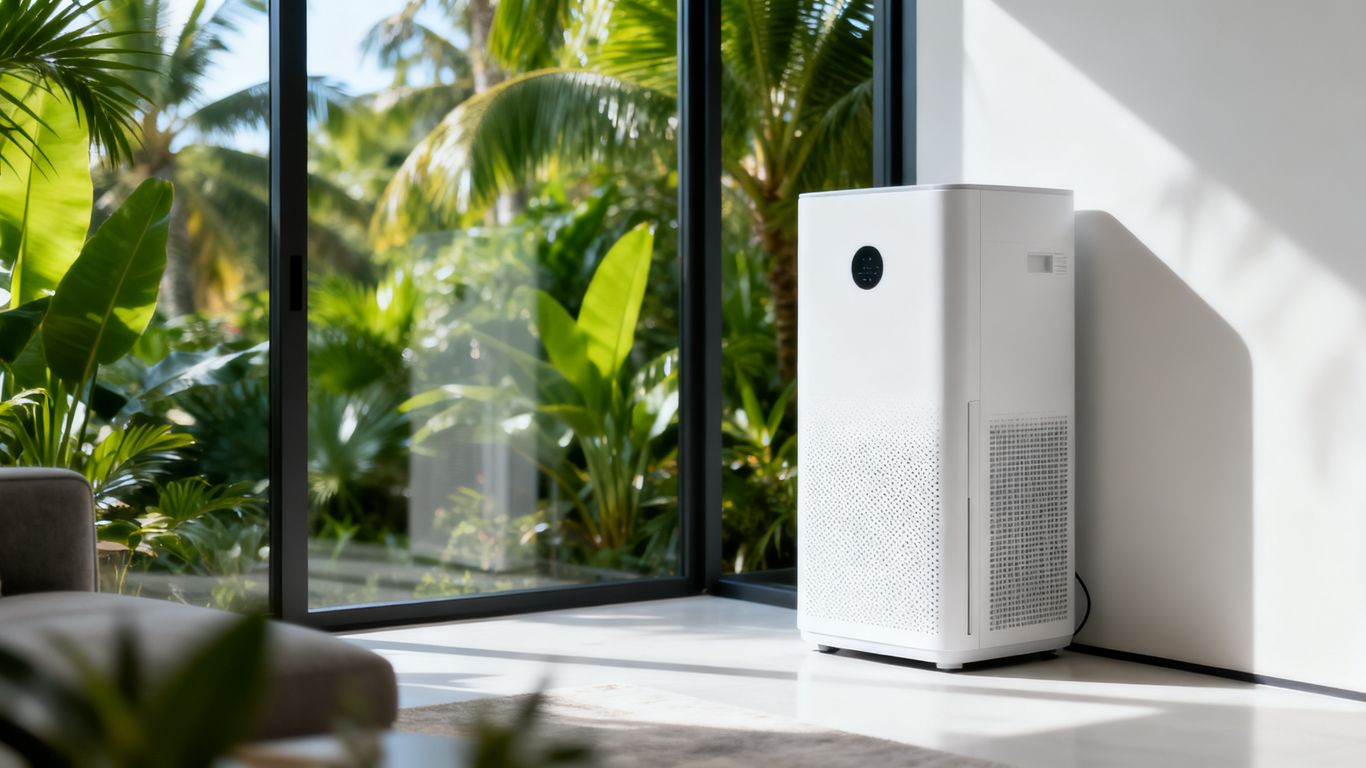
Choosing the right appliance depends heavily on your specific environment and the volume of space you need to manage. While the basic goal remains the same—reducing airborne water content—the internal technology differs significantly between models to suit different needs.
Refrigerant dehumidifiers explained
Refrigerant units, often called compressor dehumidifiers, are the most common household choice due to their reliability in moderate to high temperatures. They function similarly to your refrigerator at home, focusing on chilling coils to force condensation. These models are highly effective for most residential settings where temperatures remain relatively consistent.
Desiccant dehumidifier technology
Desiccant systems use a chemical process rather than mechanical refrigeration to remove moisture from the air. By passing air through a porous silica gel wheel, these units absorb water vapor at a molecular level. This technology is particularly useful in cooler, unheated spaces where compressor-based units might experience efficiency drops.
Whole-home versus portable units
Portable units offer the flexibility to move moisture control from room to room, which is perfect for smaller apartments. In contrast, whole-home systems integrate directly into your HVAC setup to provide consistent humidity regulation across every zone of your property. Below is a comparison of these units:
| Unit Type | Best Use Case | Primary Advantage |
|---|---|---|
| Portable Desiccant | Small rooms, closets | Quiet, effective in cold |
| Portable Compressor | Standard living areas | Cost-effective, high capacity |
| Whole-home | Entire house systems | Seamless integration, automation |
Selecting the right system size is critical to ensuring your home atmosphere stays within the ideal 40-50% range.
Signs that you need a dehumidifier
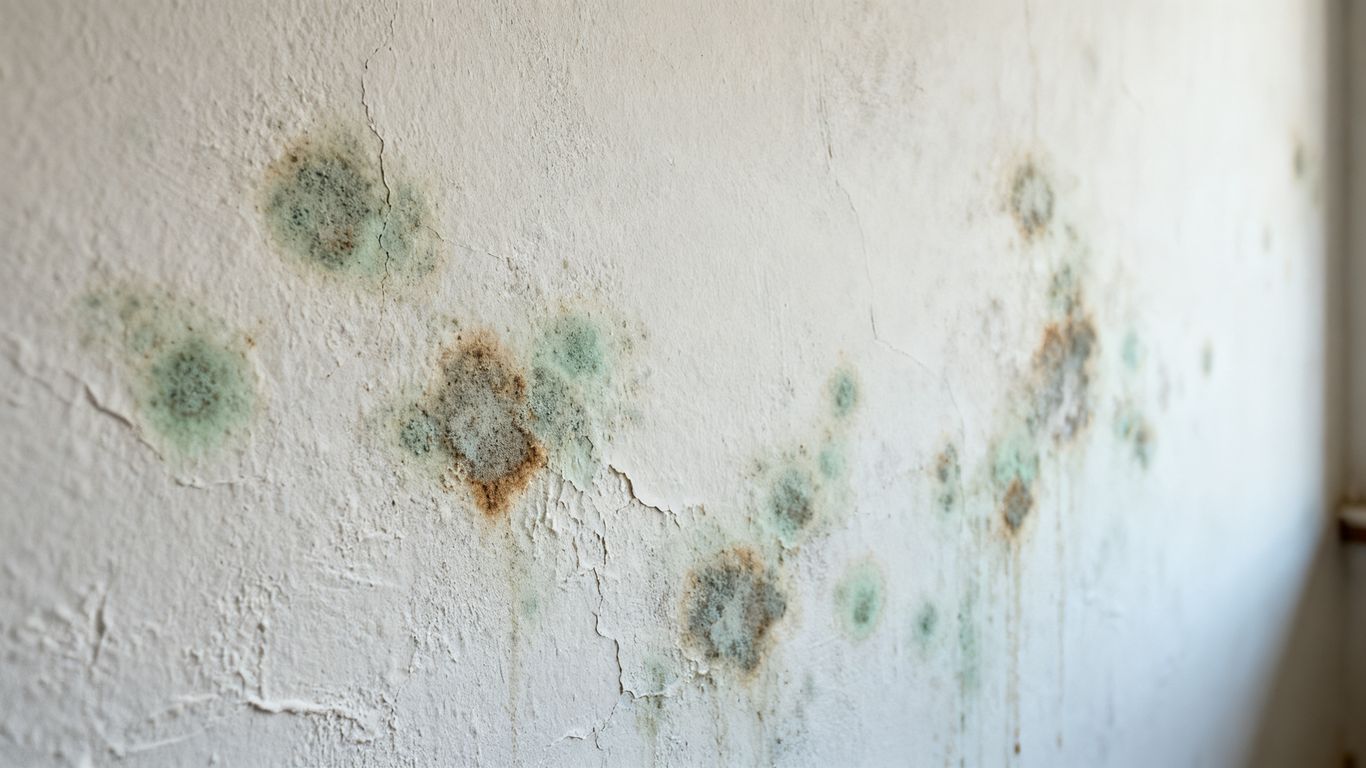
High humidity often makes itself known long before you realize the severity of the issue, and ignoring the signs can lead to long-term property damage. Recognizing these indicators early allows you to take action before professional remediation becomes necessary.
Indicators of high humidity levels
A feeling of stickiness or a heavy atmosphere inside your home are the most immediate indicators of excessive moisture. If you notice persistent condensation on windows or cold surfaces, your indoor air is carrying more water than it can comfortably hold. Monitoring these levels with a hygrometer can confirm if you are consistently exceeding the healthy range for indoor comfort.
Identifying mold and mildew growth
Mold thrives in damp areas where air ventilation is poor, often appearing as small, dark spots on ceilings, corners, or fabrics. Preventing these outbreaks is one of the most significant reasons to use a dehumidifier. By keeping the target area dry, you stop the growth of colonies that can trigger respiratory discomfort and damage your belongings.
Assessing musty odors in living spaces
An persistent musty smell is a classic sign of trapped moisture and incipient mildew. This odor often lingers in closets, bathrooms, or near damp wooden flooring where air doesn’t circulate well. Addressing this, you can utilize the DualCore 20 to simultaneously scrub the air and remove the moisture sources that contribute to these odors.
Benefits of controlling indoor moisture

Beyond simply feeling cooler, keeping the humidity in check provides lasting advantages for the longevity of your home. Controlling the air environment supports a cleaner space and significantly reduces the maintenance required for delicate furniture and building materials.
Improving indoor air quality
High humidity serves as a breeding ground for dust mites and allergens that thrive in dampness. By maintaining moisture at appropriate levels, you inhibit these biological pollutants and improve breathing conditions for everyone in the home. Consistent, well-engineered dehumidification helps ensure that the environment remains healthy and comfortable throughout the year.
Preventing structural damage to your home
Excessive moisture can eventually warp wooden furniture, cause paint to peel, and weaken structural materials like drywall. If your home has history of dampness, it is important to address these factors early. Here is a list of common household items that benefit from a dry climate:
- Leather goods, which can grow mildew when humidity spikes.
- Solid wood furniture that may expand or warp over time.
- Electronics and sensitive equipment that can short-circuit or corrode.
- Artwork and paper documents, which are highly susceptible to damp damage.
By keeping the environment dry, you protect your investment in these quality items.
Enhancing comfort and thermal efficiency
Humidity is a major factor in how we perceive heat, and removing it makes an environment feel much more comfortable. When the air is dry, your body can dissipate heat effectively, allowing you to stay cool even without cranking the air conditioner to its lowest setting. This efficiency creates an optimized tropical living space that feels refreshing without excessive energy expenditure.
Proper maintenance and usage tips
Cleaning and emptying the water reservoir
Most units feature an internal tank that must be emptied regularly to ensure the machine keeps running properly. Failure to monitor the water level will cause the unit to shut down automatically; therefore, it is best to check the reservoir at least once every few days. Clean the tank thoroughly with mild soap to prevent buildup.
Managing air filter replacement
Filters trap lint, dust, and pollen before air passes over the cooling coils. A dirty filter will restrict airflow and force the compressor to work much harder, essentially wasting energy. Check your manual for the designated replacement schedule and keep to it, especially when your device includes HEPA filtration for air purification.
Placement strategies for maximum efficiency
Avoid placing your device against walls or behind curtains, which traps the warm exhaust and limits intake. Centering the unit in the room or at least keeping it clear of obstructions by a couple of feet ensures maximum moisture extraction. A well-placed unit works significantly faster than one struggling for proper intake.YouTube video
Comparing dehumidifiers with other appliances
Dehumidifiers versus air purifiers
While air purifiers focus on cleaning particulate matter or volatile organic compounds from the air, dehumidifiers focus on state-change moisture removal. It is common to see integrated units that handle both, providing a comprehensive solution. If your primary issue is allergens, prioritize purification; if it is dampness or odor, target dehumidification.
Interaction with air conditioning systems
Your air conditioner naturally removes moisture as a byproduct of cooling; however, it is not always a substitute for a dedicated dehumidifier. An AC unit only works when you are cooling the air, whereas a dehumidifier can operate independently when you don’t necessarily need the cold temperature. Using your AC dry mode can offer relief, but dedicated machines are more efficient for humidity-specific issues.
Energy consumption considerations
Dehumidifiers can draw significant power, so looking for energy-efficient ratings is wise for long-term use. The efficiency of a model often correlates with the quality of its rotary compressor, which is why selecting hardware engineered for the tropics is so important. Running the machine only as long as needed rather than constantly can also help manage your utility impact.
Scenario Time
You arrive home after a work trip during the monsoon season to find that the air in your living room feels heavy and your wooden cupboard smells like mildew. You realize that your home has been accumulating moisture while you were away. You decide to set your DualCore 20 to a target of 50% relative humidity, ensuring both a dehumidifying cycle and a purification pass are active. Within hours, the air feels crisp, the musty odor subsides, and your home is once again a refreshing sanctuary.
Conclusion
Controlling the ambient moisture in your home is one of the single most impactful steps you can take for health, comfort, and the preservation of your property. By using specialized technology designed for the tropics, you move beyond basic climate control and create an environment that actively combats mold, mildew, and pollutants. Investing in a reliable solution allows you to enjoy a fresher, more durable home throughout the wet and dry seasons alike.
Frequently Asked Questions
Does running a dehumidifier make a room significantly colder?
It does not make the room cold in the way an air conditioner does; in fact, the exhaust air is warm. While the coils extract water, the motor and compressor release a small amount of heat, which can lead to a very slight temperature increase in a small, poorly ventilated room.
Is it better to leave the dehumidifier on 24/7?
Most modern units have a humidistat that detects when the target moisture level is reached and cycles off automatically. Running it constantly is typically unnecessary unless you are dealing with a severe leak or an extremely damp basement.
Can a dehumidifier eliminate all mold in my home?
It can prevent new mold from growing by removing the moisture it needs to survive, but it will not remove existing mold colonies. You should manually clean any visible mold growth with appropriate cleaners before using a dehumidifier to ensure it does not return.
Do I need to buy a specific size for my room?
Yes, capacity is measured in pints removed per day, and matching this to the square footage of your space is essential for efficiency. A unit that is too small for the room will run constantly without achieving your target humidity levels.
What is the ideal relative humidity level for indoor living?
Most experts recommend keeping indoor humidity between 30% and 50%. This range is low enough to prevent dust mites and mold from thriving but not so dry that it becomes uncomfortable or irritating to your skin and sinuses.
Should I empty the water tank every time I turn the unit off?
It is good practice to empty the tank to avoid leaks or the development of stale water. Even if it is not full, emptying it keeps the system clean and prevents potential bacterial growth from sitting water.
Will a dehumidifier help with asthma or allergies?
By lowering the moisture levels that dust mites, mold, and milder spores require to proliferate, dehumidifiers help create a cleaner indoor atmosphere. This reduction in common household allergens often leads to breathing improvements for people with asthma or sensitivities.