
Key Takeaways
Understanding how to effectively manage domestic dampness is essential for comfort in tropical climates. This guide explores how your cooling system handles moisture so you can maintain a healthier living environment.
- Air conditioner dry mode specifically extracts moisture from air.
- Dry mode is ideal for mild weather rather than peak heat.
- Dedicated dehumidifiers offer higher precision for persistent humidity issues.
- Proper airflow around your unit prevents excessive energy consumption.
- Regular filter maintenance is vital for both AC and dehumidifier efficiency.
Understanding how dehumidifier mode works
Most modern cooling systems contain a dry mode that shifts the operational focus from rapid heat exchange to moisture removal. By cycling the refrigerant through the indoor coil, the system cools the air just enough to cause water vapor to condense into liquid, which is then drained away from the home.
The mechanics of moisture extraction
The fundamental process relies on the relationship between surface temperature and dew point. As air passes over the chilled evaporator coil, it loses its ability to hold water, effectively wringing the air like a sponge. This byproduct of standard refrigeration is harnessed specifically here to reduce indoor humidity rather than forcing a drastic temperature drop.
Difference between cooling and dry mode
When you select standard cooling, the unit aims to reach a specific temperature setpoint by running the compressor continuously until the goal is achieved. In contrast, dry mode runs the unit in intermittent cycles to prioritize condensation. This ensures moisture is removed without making the room uncomfortably cold.
Impact on indoor relative humidity levels
Maintaining the air between 40% and 50% relative humidity is the benchmark for preventing mold growth or dust mite proliferation. While dry mode can assist during mild spikes, it remains a supplementary tool. For comprehensive control, maintaining humidity is key, and many users find that external monitoring helps confirm if their AC is achieving the desired results.
When to use your AC dry mode
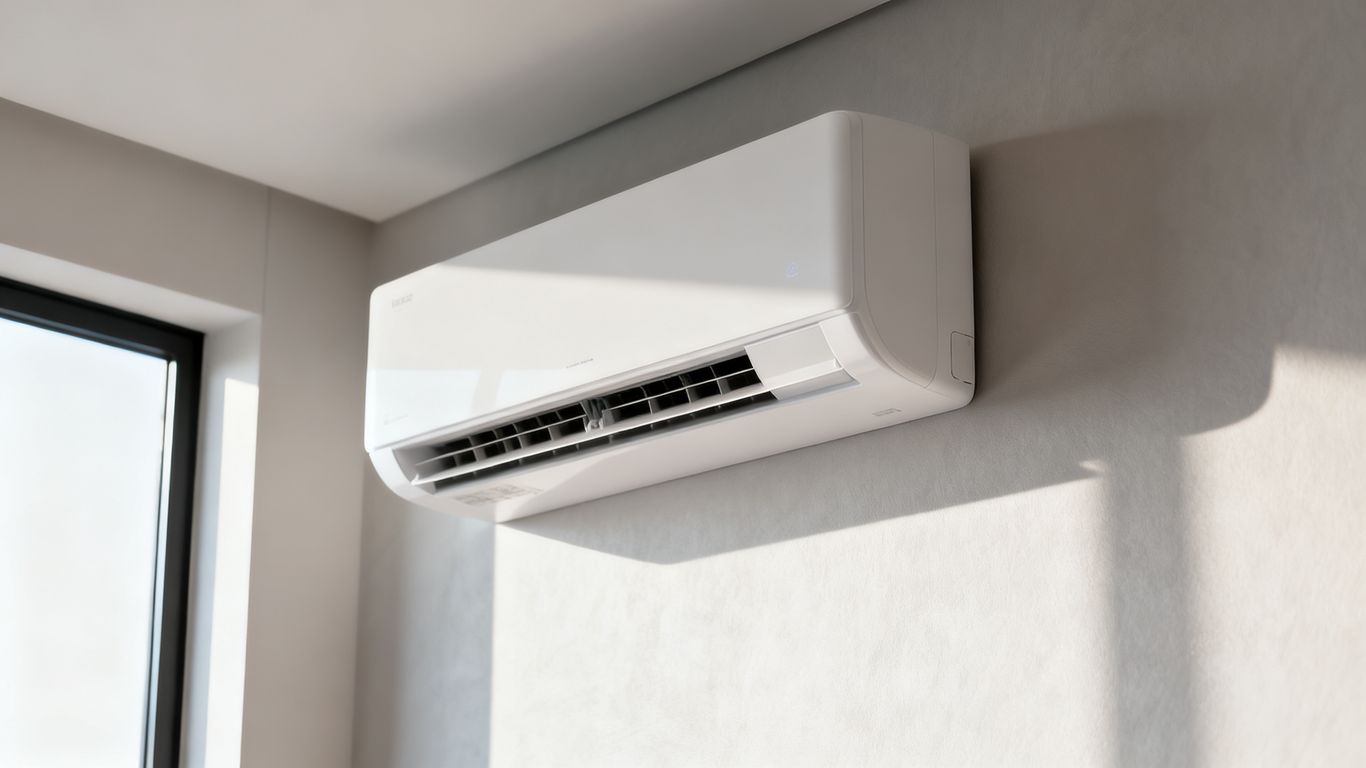
Choosing when to shift your system to dry mode depends entirely on the current outdoor conditions and how your space reacts to humidity. It is frequently most effective when the outside temperature is comfortable but the air feels thick or heavy inside the home.
Managing humidity during mild weather
When the thermometer reads in the mid-20s, full-blast cooling is often unnecessary and wasteful, yet the humidity remains high enough to cause discomfort. Using this mode provides that necessary dehumidifying relief without over-cooling your space, keeping the environment crisp without the need for blankets or sweaters.
Reducing musty odors in living spaces
Persistent odors are often the first sign that moisture has settled into fabrics and porous surfaces. By keeping the air moving and drier, you restrict the environments where those unpleasant smells typically thrive, creating a fresher living zone in high-growth areas.
Preserving indoor air quality during rainy spells
Extended periods of rain make it difficult to ventilate your home without letting dampness inside. Using your AC’s dry setting acts as a protective barrier, keeping the indoor air quality manageable even when external conditions are saturated with moisture.
Comparison with dedicated dehumidifiers
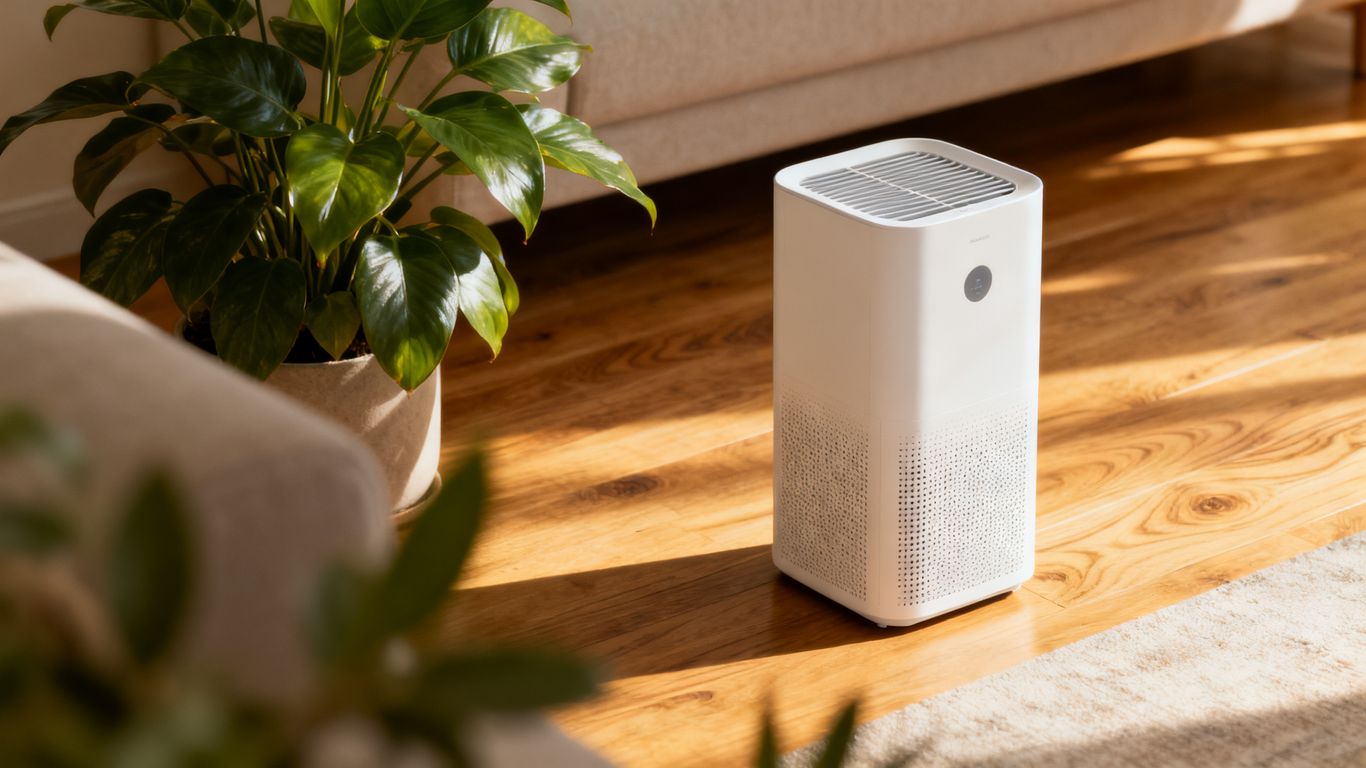
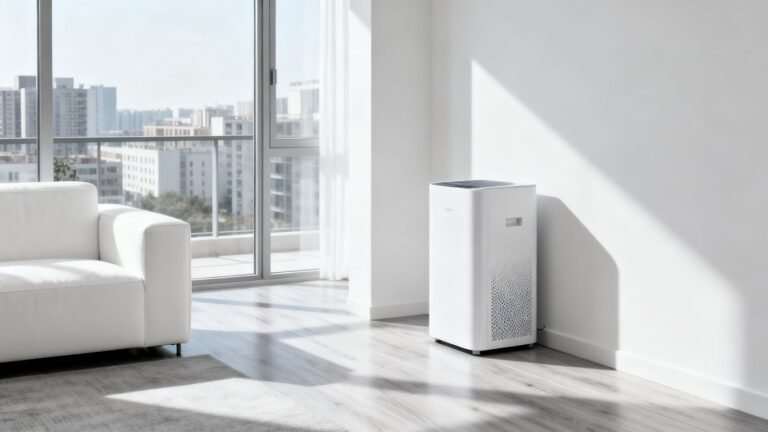
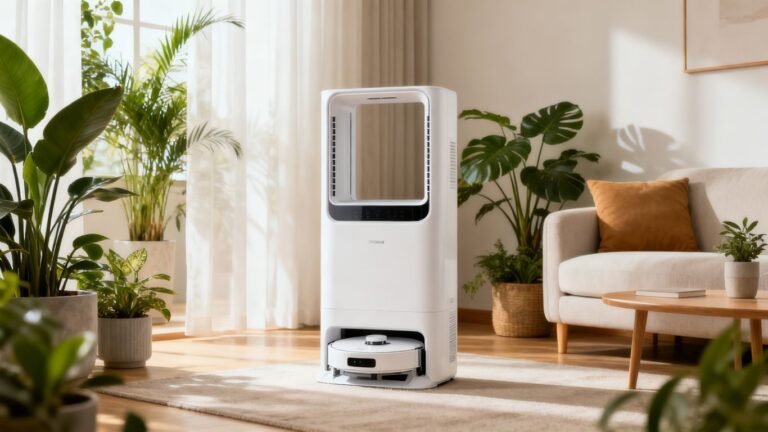
While your AC can handle light atmospheric moisture, dedicated appliances like the DualCore 20 from Aerofy are engineered specifically for continuous, intelligent water extraction. This device is built for the tropics, providing not only moisture control but also HEPA filtration to clean the air as it circulates.
Energy efficiency and power consumption
Dedicated appliances often operate with a lower power draw when compared to running an entire central or split AC system just for humidity control. Since the DualCore 20 uses an efficient rotary compressor, it is optimized to maintain target levels without the massive energy overhead of an air conditioner.
Effective coverage area and capacity
Different spaces require different capacities to manage water volume effectively. The table below illustrates how different solutions typically fare in a standard residential setup:
| Feature | AC Dry Mode | Dedicated Dehumidifier |
|---|---|---|
| Primary Function | Incidental Drying | Constant Moisture Removal |
| Humidity Precision | Low | High |
| Cooling Output | Slight Drop | Neutral |
Noise levels and maintenance requirements
Dedicated units like those designed by Aerofy often feature quieter operational modes suited for bedrooms whereas large AC compressors can be disruptive if cycled on and off repeatedly. Maintenance for both involves cleaning filters, though a dehumidifier makes it easier to track water removal via its dedicated tank.
Setting up and optimizing your dry mode
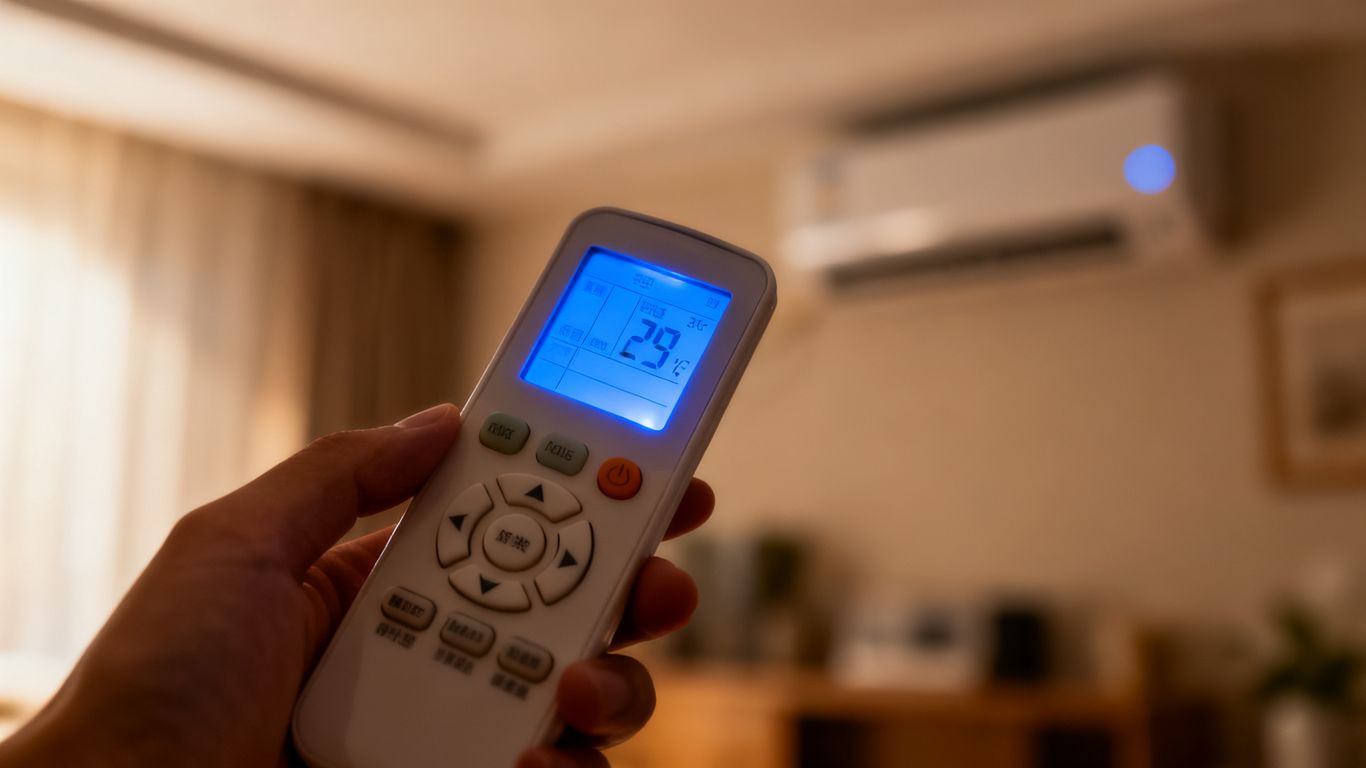
Optimizing your settings ensures that your appliance doesn’t work harder than it needs to. A little bit of planning, such as keeping doors and windows closed, significantly improves the efficiency of your equipment.
Choosing the appropriate fan speed
Low fan speeds are generally better during dry mode because they allow air to spend more time in contact with the cooling coils, maximizing condensation. If you set the fan too high, the air passes through too quickly and picks up less moisture, leading to inefficient operation.
Temperature adjustment considerations
Since dry mode essentially ignores your target temperature, keep your remote settings moderate. Forcing the AC to think it needs to cool further than necessary can interfere with the dehumidification cycle, causing the unit to ignore the moisture removal priority.
Managing drainage for portable versus split units
Most modern AC systems have internal drainage, but you should verify your unit’s pipe layout if you live in an older home. If you want a more hands-off solution, buy now to explore our specialized hardware that handles persistent dampness more effectively than intermittent cooling cycles.
Common limitations of dry mode
Scenario Time: Imagine you walk into your living room after a week-long vacation and find the air feels heavy and the surfaces seem slightly tacky to the touch. You immediately engage the AC dry mode, but despite running it for hours, the air remains thick. This is a common situation where your AC’s internal capacity is simply overwhelmed. In such cases, a purpose-built system like the Aerofy DualCore 20 would be the intended, more robust solution.
Effectiveness in extreme heat or humidity
During peak tropical moisture waves, the sheer volume of water in the air can overwhelm the capacity of an standard air conditioner. Dry mode is simply not designed to act as a primary dehumidification tool for homes experiencing extreme saturation.
Why the unit stops once humidity targets are met
Advanced Aerofy engineering ensures that our dedicated units are precise, but standard ACs often have quite loose thresholds for what they consider "done." Once the internal sensor detects a drop in humidity, the unit may shut down or return to a standby state, ignoring the fact that hidden moisture in furniture may still be off-gassing.
Signs your AC needs professional cleaning or service
If you notice an increase in energy bills or a lack of water running through the drain hose while in dry mode, your coils may be clogged with mildew. A professional cleaning from a service like ac46 can ensure internal components are free of obstructions, restored to their original capacity.
Conclusion
Using an air conditioner for humidity control is a practical strategy for mild weather, providing temporary relief, yet long-term air quality in tropical climates often benefits from dedicated, specialized appliances aimed squarely at moisture management and filtration.
Frequently Asked Questions
Can dry mode replace a dehumidifier entirely?
It is better suited for mild, temporary needs; it cannot provide the consistent, room-wide humidity control expected from a dedicated appliance.
Does dry mode make a room cold?
It removes moisture without cooling as aggressively as standard mode, but you will still notice a subtle, natural temperature drop.
How often should I clean my air conditioner filters?
For optimal air quality and efficient moisture removal, aim to clean your filters every two to four weeks depending on usage.
Will dry mode save money on electricity bills?
Yes, it is often more energy-efficient than using standard cooling mode because it doesn’t force the system to lower the temperature as drastically.
Is it safe to leave dry mode on all day?
Most units are designed for safe operation, but using it 24/7 may lead to excessive wear compared to a unit specifically designed for continuous use.
How do I know if my AC has a dry mode?
Look for a water drop icon on your remote control or in your user manual settings as a primary indicator.
Can dry mode prevent mold growth?
It can help manage the air, but it won’t resolve deep-seated moisture issues in walls or hidden corners that require professional remediation.