Key Takeaways
Understanding how your household appliances interact with temperature can help you build a more comfortable living space. Here are the core concepts regarding dehumidifier performance:
- Dehumidifiers extract moisture but do not actively cool air like AC units.
- The moisture removal cycle may release a small amount of heat.
- Lower humidity helps your body’s natural cooling mechanism operate efficiently.
- Proper unit placement is essential for airflow and system efficiency.
- Monitoring indoor humidity levels between 30% and 50% improves comfort.
The science behind dehumidification
Understanding moisture extraction helps you better manage indoor environments in tropical climates. Engineers at Aerofy designed the DualCore 20 to address these specific vapor density challenges by utilizing advanced condensation cycles. By chilling the air, these machines force water molecules to transition from a gaseous state into liquid within the reservoir.
How refrigerant coils extract moisture
When humid air is pulled into the device, it passes first over cooled refrigerant coils. These coils act as a cold surface, causing water vapor to condense upon contact. For more in-depth mechanical details, you can explore how dehumidifiers work using this refrigeration cycle.
The role of the thermal exhaust process
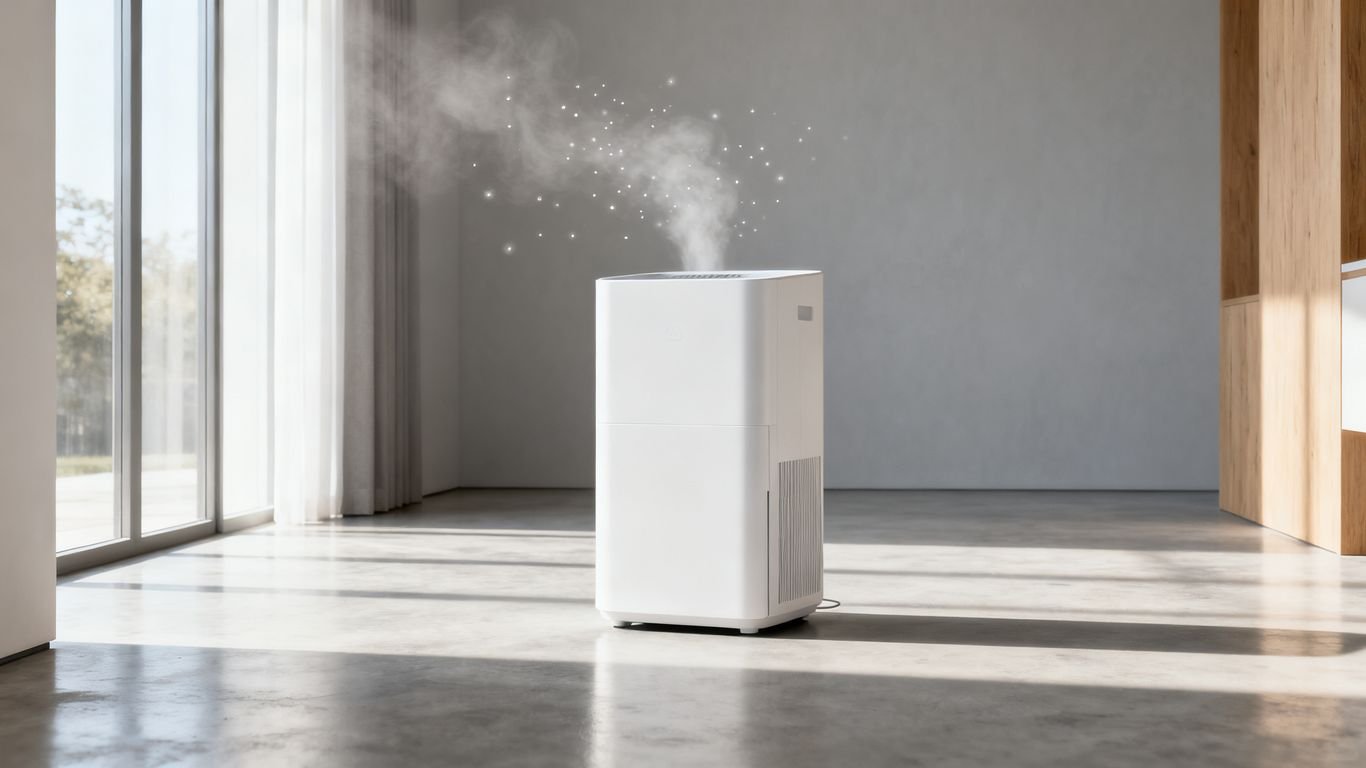
After moisture is removed, the remaining air passes over the warm condenser coil. This process readies the air to be released back into your living space at a lower relative humidity. Because this cycle involves energy movement, understanding humidity management is vital for ensuring your unit operates effectively without creating unnecessary thermal waste.
Thermodynamic impact of latent versus sensible heat
Latent heat relates to the energy involved in phase changes, like water turning into ice or vapor. Sensible heat is the energy that changes the temperature on a thermometer. By extracting moisture, the system shifts the indoor humidity level, which changes the energy balance of the room significantly.
Why a dehumidifier might actually heat up a room
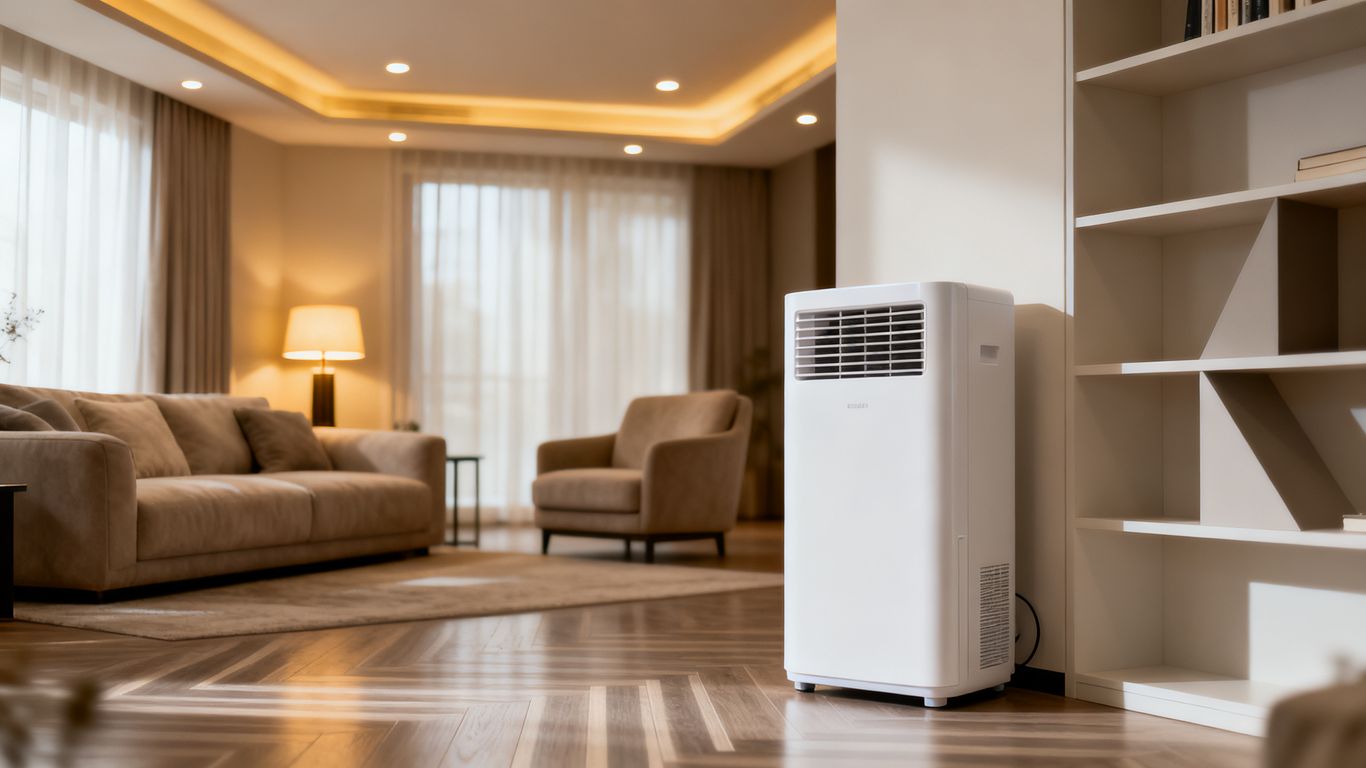
It is a common observation that portable units can make a room feel slightly warmer during operation. Understanding why this happens relates to the laws of thermodynamics rather than a malfunctioning appliance. The Aerofy engineering team prioritizes efficient heat dissipation, but all mechanical systems inherently generate output heat while running.
Mechanical components and motor heat output
Every electrical motor produces friction and waste heat as it functions. This energy is added to the local environment and can subtly raise the temperature of the immediate surrounding air depending on ventilation.
The compressor’s impact on ambient temperature
The compressor is the heart of the refrigeration cycle, performing heavy mechanical work that creates heat as it compresses the R290 refrigerant. High-performance models like the DualCore 20 manage these heat signatures better than older designs, yet they still act as minor heat sources.
Why the exhaust air is typically warmer
As air passes through the condenser, it picks up heat retrieved from the earlier refrigeration segments. This exhaust air is dry, but it often arrives back into your room a few degrees warmer than the intake air. When selecting equipment, consider your room size carefully to ensure that this minor latent heat increase does not disrupt your overall comfort levels.
Scenario Time
Imagine you are in a small, enclosed home office during the peak of a tropical afternoon. You switch on your unit to combat the sticky air. While the humidity drops, you might notice the thermometer climb by half a degree because the exhaust is warmer than the intake. This is expected, as the machine is working hard to extract moisture, and our technical guide on dehumidifiers explains how to balance this with proper ventilation.
The perceived cooling effect of lower humidity

Though a dehumidifier generates heat, the net feeling for a room occupant is often one of comfort. This is because humidity levels dictate how effectively we stay cool naturally. When you keep your home in that ideal 30-50% range, the air feels crisp rather than heavy.
How air moisture levels affect sweat evaporation
Sweat evaporation is the primary way our skin releases body heat. In humid climates, the air is already saturated, which prevents sweat from evaporating into the environment. By removing moisture, a dehumidifier creates the conditions necessary for that cooling process to resume correctly.
Subjective comfort versus actual thermometer readings
There is often a discrepancy between what a thermometer says and what you feel. A room at 28°C with 80% humidity will feel far hotter than a room at 28°C with 40% humidity. This highlights why focusing strictly on temperature regulation can be misleading without also addressing vapor density.
The heat index concept explained
| Condition | Temperature | Humidity | Perceived Comfort |
|---|---|---|---|
| Muggy | 28°C | 80% | Very High Heat |
| Balanced | 28°C | 50% | Moderate Heat |
| Dry/Cool | 28°C | 30% | Very Low Heat |
The heat index table above demonstrates how humidity swings our perception of temperature. As seen, reducing the moisture content does not change the numeric temperature but dramatically shifts the physiological response, making you feel much cooler.
Dehumidifiers versus air conditioners
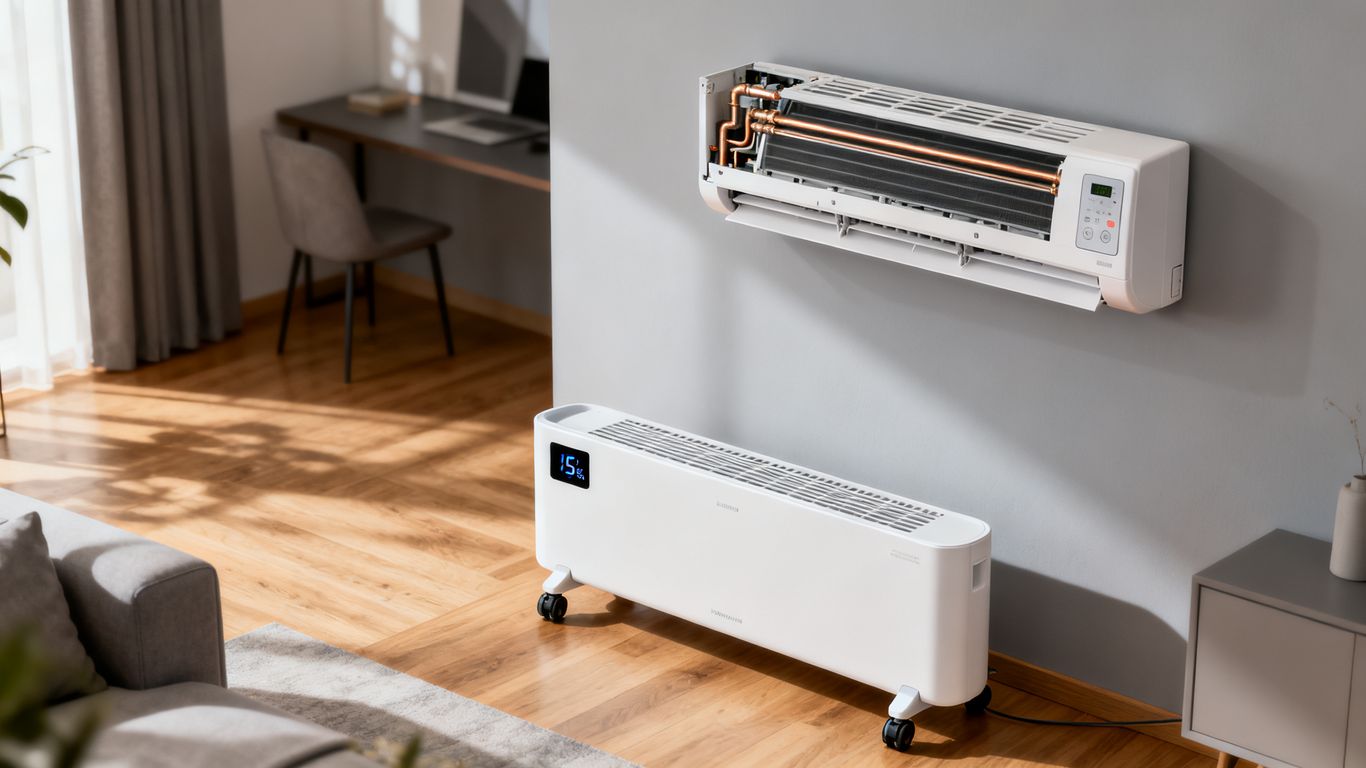
It is essential to distinguish between devices meant to cool air and those meant to condition it. While both use refrigerant cycles, they are built for different primary tasks. If you are confused by these devices, think of the AC as a temperature-first tool and the dehumidifier as a moisture-first tool.
Fundamental differences in cooling mechanisms
An AC unit vents the captured heat outside the building entirely. A portable dehumidifier, however, releases that extracted heat back into the same room it is drying. That fundamental difference is why AC systems and dehumidifiers perform such distinct roles.
Handling condensation in an AC system
Most modern air conditioners do extract some moisture as a byproduct of their primary cooling function. However, they are not optimized for moisture control in the way that dedicated dehumidifiers are. You may find that during mild weather, an AC unit doesn’t run long enough to pull out sufficient moisture, leaving the air feeling damp even when cool.
Determining whether you need one or both
Assess your issues: if your home is persistently damp, smells musty, or shows signs of mold, a dehumidifier is the target solution. If your main issue is raw temperature heat, an air conditioner is required.
- Identify if your problem is humidity-induced mold or high temperature.
- Measure the relative humidity using a dedicated hygrometer.
- Decide if seasonal humidity control is your priority.
These steps ensure you do not buy a product that fails to meet your household needs.
Optimizing home comfort in humid climates
Maximizing the efficiency of your equipment requires thoughtful installation and usage. A system is only as good as its environment. Residents often ask about optimizing humidity levels to ensure their living spaces remain healthy year-round.
Ideal humidity ranges for indoor living
Aiming for 30% to 50% relative humidity is generally recommended to prevent the proliferation of dust mites and mold. Maintaining this window ensures that residents can achieve balanced indoor environments through the seasons.
Strategic placement for airflow efficiency
Place your unit away from obstacles like furniture or thick curtains. Ensuring the intake and exhaust vents have at least 30cm of clearance is critical for the unit to process air effectively without overheating.
Managing humidity to reduce cooling strain
By keeping the moisture level low, you allow your air conditioner to focus on temperature. You will find that reducing cooling strain on your AC system leads to less energy consumption over the long term. If you need a robust solution, you can buy now to improve your indoor climate controls today.
Conclusion
A dehumidifier acts as a powerful ally in the battle against humidity, even if it doesn’t function as a conventional cooler. By understanding how to manage the latent heat and moisture in your home, you can create a far more comfortable, healthier living space that thrives in the tropical heat.
Frequently Asked Questions
Can a dehumidifier replace my air conditioner?
No, a dehumidifier is not a replacement for an air conditioner because it does not actively expel heat to the outdoors.
Why does my dehumidifier blow warm air?
It is normal for exhaust air to feel warmer because the refrigeration cycle naturally releases waste heat after the drying process.
What is the best humidity level for a home?
Ideally, indoor humidity should be maintained between 30% and 50% to prevent mold and ensure the air feels comfortable.
How often should I empty the water reservoir?
This depends on the level of humidity in your home and the capacity of the tank; usually, it should be emptied whenever the indicator light signals it is full.
Does high humidity make the temperature feel higher?
Yes, high humidity prevents sweat from evaporating off your skin, which causes your body to experience a higher heat sensation.
Can a dehumidifier help my AC work better?
Yes, by removing excess moisture, the AC does not have to work as hard to remove humidity, allowing it to cool the air more efficiently.
Should I place the unit in the middle of a room?
Placing it in a central, high-traffic location is often best to ensure proper airflow, provided you keep the vents clear.