Key Takeaways
Controlling moisture in your bathroom is vital for preventing long-term structural issues and maintaining healthy indoor air quality. By selecting the right technology, you can successfully mitigate humidity buildup.
- Bathrooms often exceed recommended humidity levels, creating an ideal environment for mold and mildew.
- Portable units specifically designed for high-humidity climates assist in rapid moisture extraction.
- Proper placement away from direct water sources is mandatory for electrical safety.
- Regular filter and tank maintenance ensures your appliance operates at peak efficiency.
- Integrated air purification, like the Aerofy DualCore 20, offers a dual-functional approach to improving bathroom air quality.
Understanding the role of a dehumidifier for bathroom moisture control
Bathroom environments naturally trap heat and moisture, often leading to condensation on mirrors and tiles after a single shower. When natural ventilation remains insufficient, the resulting air saturation damages walls and encourages growth of microorganisms.
The impact of excessive humidity on bathroom surfaces
High humidity levels soften paint and weaken the integrity of grout, becoming a breeding ground for mold spores. When the air remains damp, surfaces that stay wet for extended periods start to develop dark stains and a distinct musty odor. Managing these conditions is not just about aesthetics; it is about preserving the structural health of your home’s most sensitive room.
Identifying signs of ventilation failure
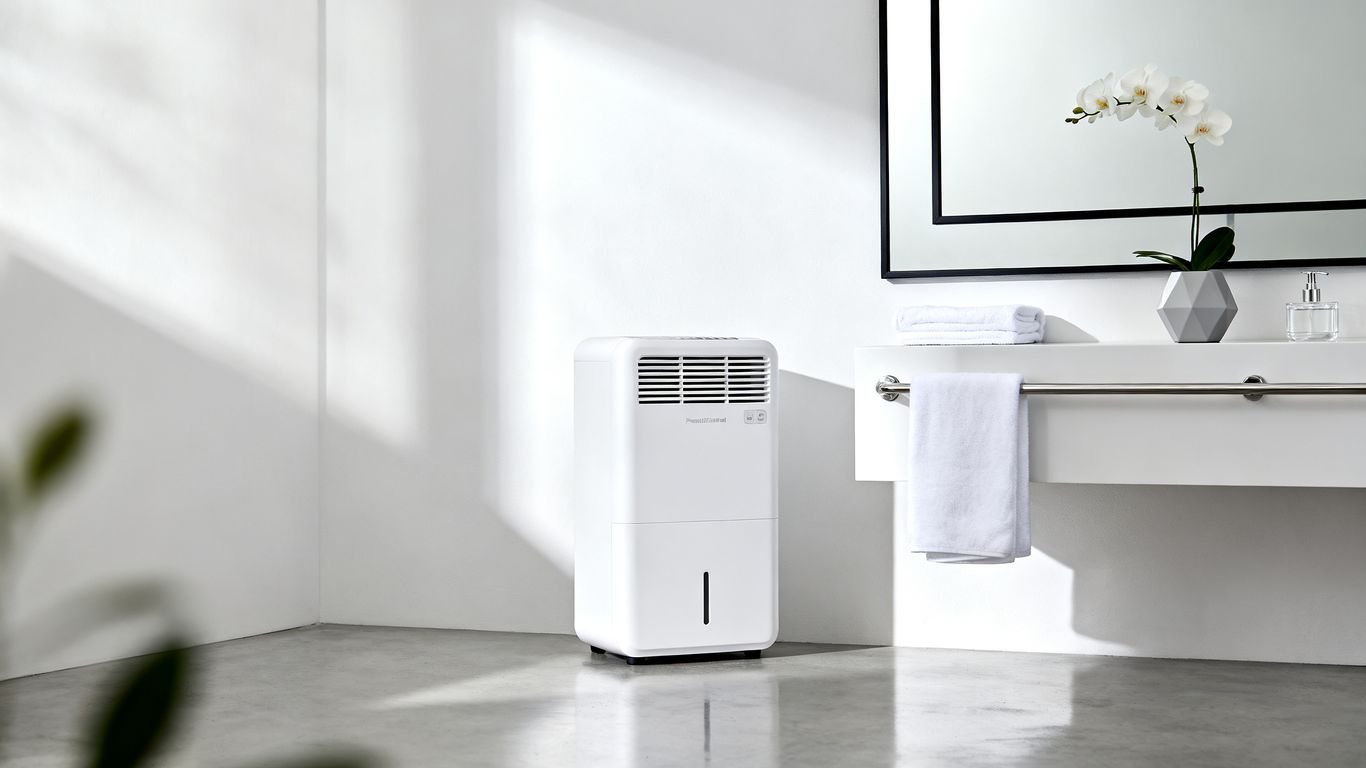
Frequent fog on windows, peeling wallpaper, and lingering dampness even hours after use indicate failing ventilation. If you consistently find water pooling in corners or surfaces that remain cold and clammy to the touch, your extractor fan is likely underpowered or ducting is obstructed. These symptoms make it clear that a standalone dehumidifier for bathroom use could be a practical necessity to supplement your current system.
Why bathroom-specific units differ from standard residential models
The Aerofy DualCore 20 is engineered specifically for the challenges of tropical environments, where heat and humidity persist year-round. While standard residential units often struggle when ambient temperatures spike inside small, enclosed bathrooms, these robust units maintain extract efficiency consistently. By utilizing advanced rotary compressor technology, they are capable of pulling moisture from saturated air more effectively than off-the-shelf devices.
Key features to look for in a bathroom dehumidifier
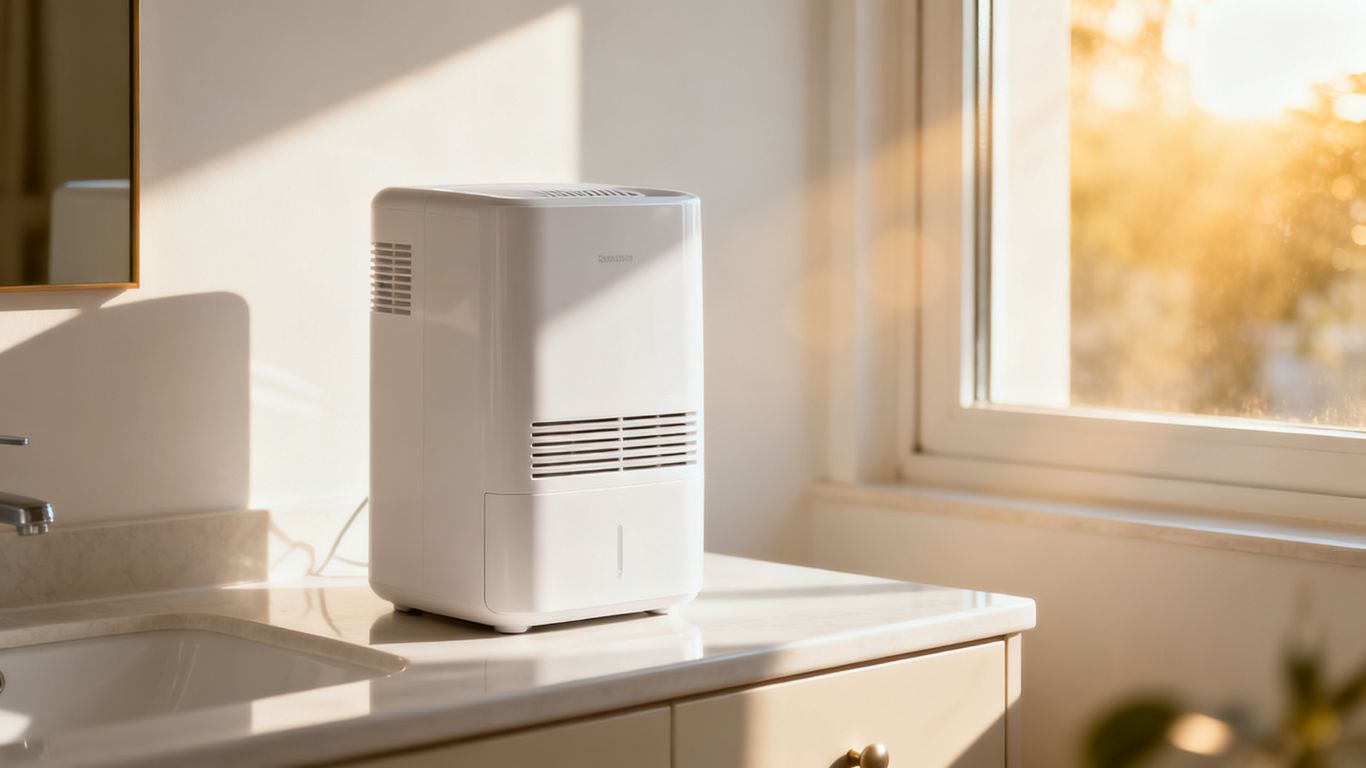
Selecting a device that understands the unique constraints of a bathroom involves looking beyond simple moisture removal. You need a setup that remains safe and operational within a high-moisture space while keeping energy consumption predictable.
Auto-shutoff and humidistat functionality
An integrated humidistat allows you to set a target humidity level, ensuring the unit only runs when necessary. This saves power and prevents over-drying the air, while the auto-shutoff feature guarantees that the device stops immediately when the collection tank fills completely.
Energy efficiency ratings and power consumption
Look for models that emphasize balanced energy use, especially in regions with consistent cooling demands. Highly efficient units move more water using less electricity, which is critical for appliances running during longer cycles to combat lingering bathroom humidity.
Noise level considerations for small spaces
Since bathrooms are often located near bedrooms or living areas, quiet operation is essential. You can identify the right unit for your specific room size by considering the following technical comparison table common among modern units:
| Unit Type | Noise Level (dB) | Ideal Space Size | Performance Focus |
|---|---|---|---|
| Compact Unit | 35-42 | Under 100 sq ft | Portability |
| Mid-Size Unit | 45-50 | 100-250 sq ft | Extraction Rate |
| Large System | 50+ | Over 250 sq ft | Industrial Power |
Selecting a unit within the quiet decibel range allows you to keep the air fresh without disrupting your home environment, illustrating why choosing the right capacity is so essential for long-term comfort.
Compact designs for storage and portability
Smaller footprints allow for easier placement on bathroom counters or narrow vanity shelves. A portable design ensures you can store the device out of the way when the bathroom humidity is under control, maintaining a clutter-free space.
Determining the right size and capacity for your bathroom
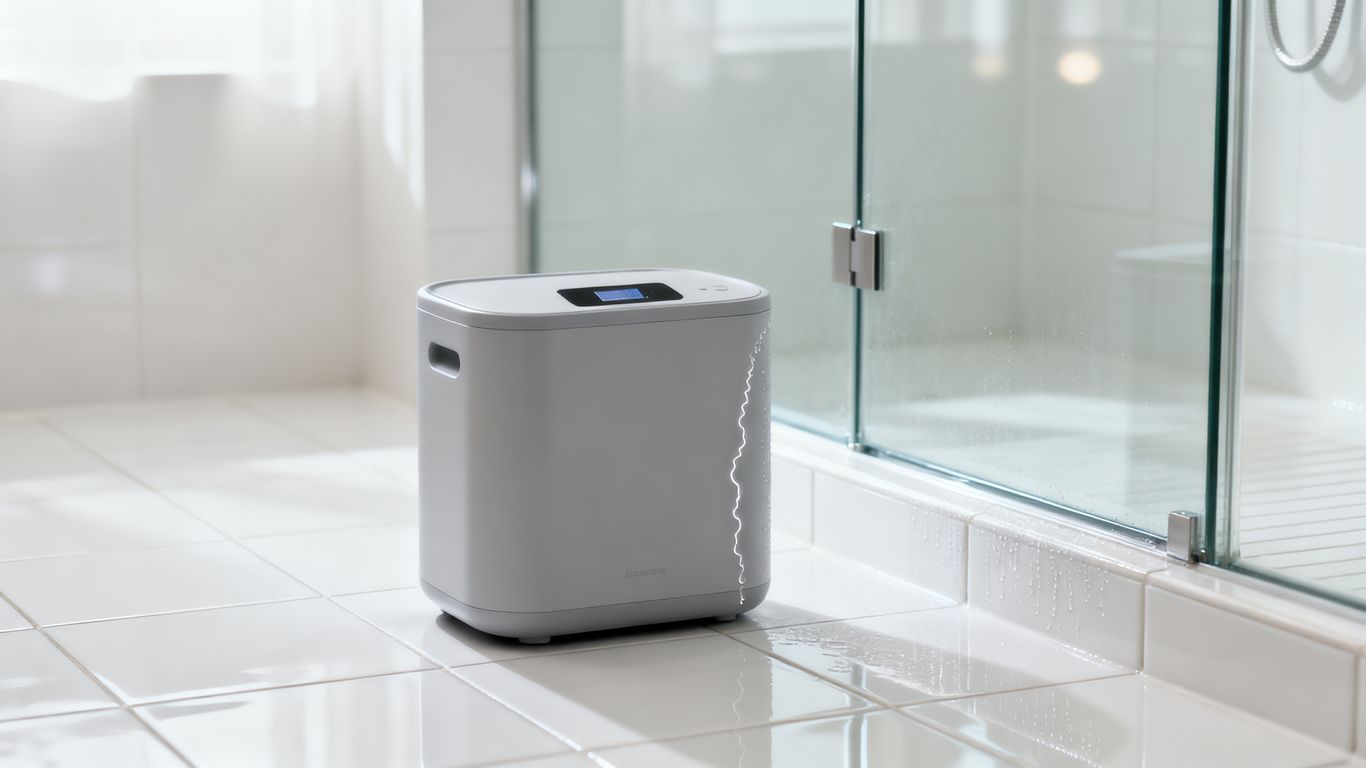
Capacity directly dictates how well a unit will perform under heavy steam conditions found in bathrooms. You must match your unit to the total volume of your room to ensure consistent results.
Calculating precise square footage and ceiling height
Measure the length and width of your bathroom to get the primary square footage, then multiply that by your ceiling height to understand the actual cubic air volume. A common mistake is ignoring the ceiling height, which can lead to purchasing a unit that creates too little airflow for the total room mass.
Matching tank capacity to daily moisture output
You should choose a tank size that does not require emptying more than once a day under normal use. If the unit manages high-moisture spikes effectively, you must balance the collection rate with the tank volume for true convenience.
Portable versus wall-mounted installation options
- Portability offers the flexibility to move your Aerofy unit between different zones.
- Wall-mounted units eliminate floor clutter but require professional installation.
- Compact units are typically easier to integrate into existing bathroom layouts.
- Direct-drain hoses are highly recommended for units that do not have enough tank capacity.
By following these installation considerations, you can ensure the unit works in harmony with your current bathroom configuration.
Understanding pint capacity ratings for high-humidity environments
Pint capacity measures how much water a device pulls from the air in 24 hours. For most bathrooms, a unit rated at 10 to 20 pints is sufficient if you live in a climate where daily moisture loads are heavy, especially when dealing with constant steam from showers.
Safety considerations for portable electronics in damp areas
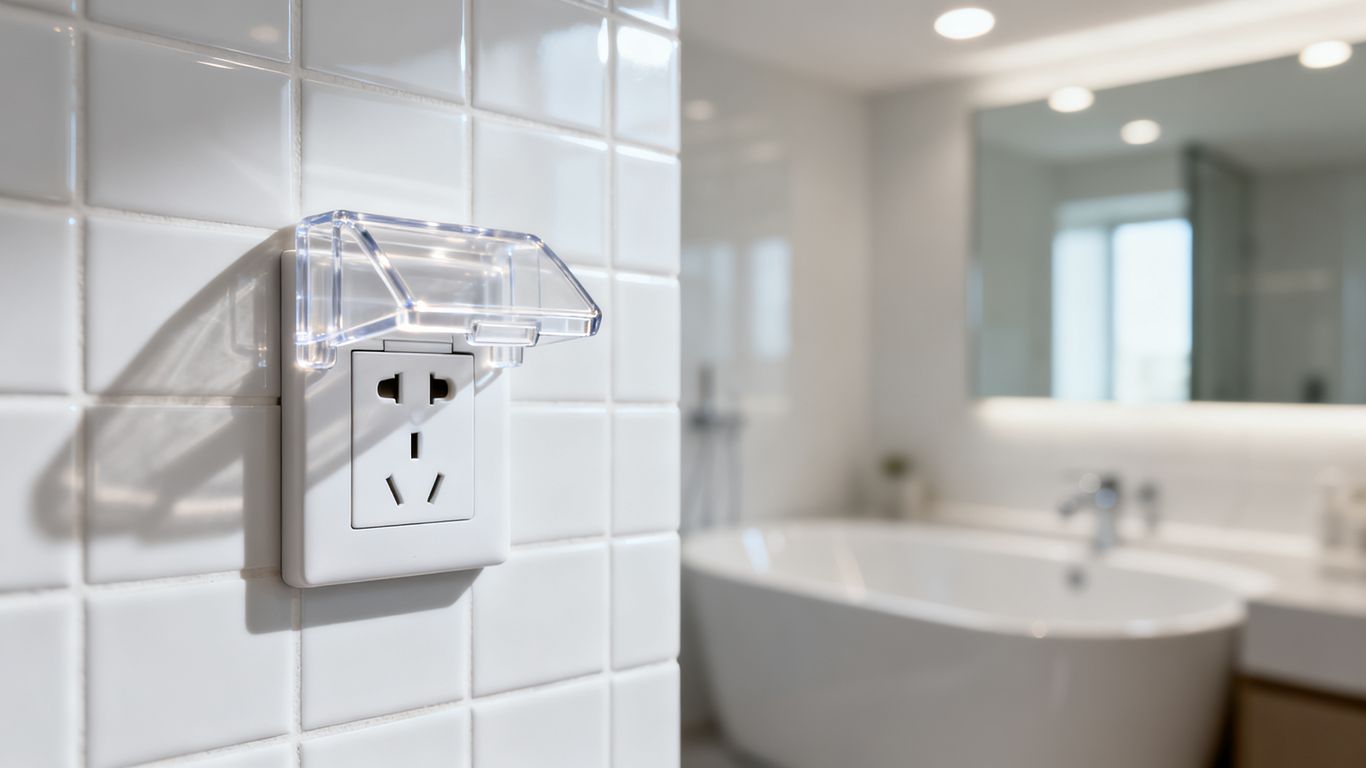
Running any, even a specialized, dehumidifier for bathroom applications requires strict adherence to safety protocols. When water and electricity share the same space, proactive precautions are essential to protect your household members.
Using appliances with appropriate IPX ratings for splash protection
Ensure your device is built with moisture-resistant components to handle potential splashing from a sink or shower. While most residential machines are not waterproof, those designed for bathrooms should have reinforced casing to prevent condensation from reaching the internal circuitry.
Optimal placement strategies away from direct water sources
Always position the device at least three feet away from showers, bathtubs, or sinks. Keeping it elevated on a stable, dry surface further mitigates risk while allowing for better air intake and circulation.
Managing cord safety and electrical outlet placement
Ensure the cord is never allowed to lie in a pathway where it could become wet or frayed. If your bathroom layout makes safe placement difficult, you must ensure the unit adheres strictly to all SCDF guidelines regarding electrical appliance safety in wet zones.
Why ground fault circuit interrupter protection is mandatory
GFCI outlets are designed to instantly cut power if a short circuit is detected, making them an indispensable feature for any bathroom environment. Never plug a dehumidification unit into a standard outlet that lacks this specialized circuit protection.
Maintenance routines to keep your device efficient
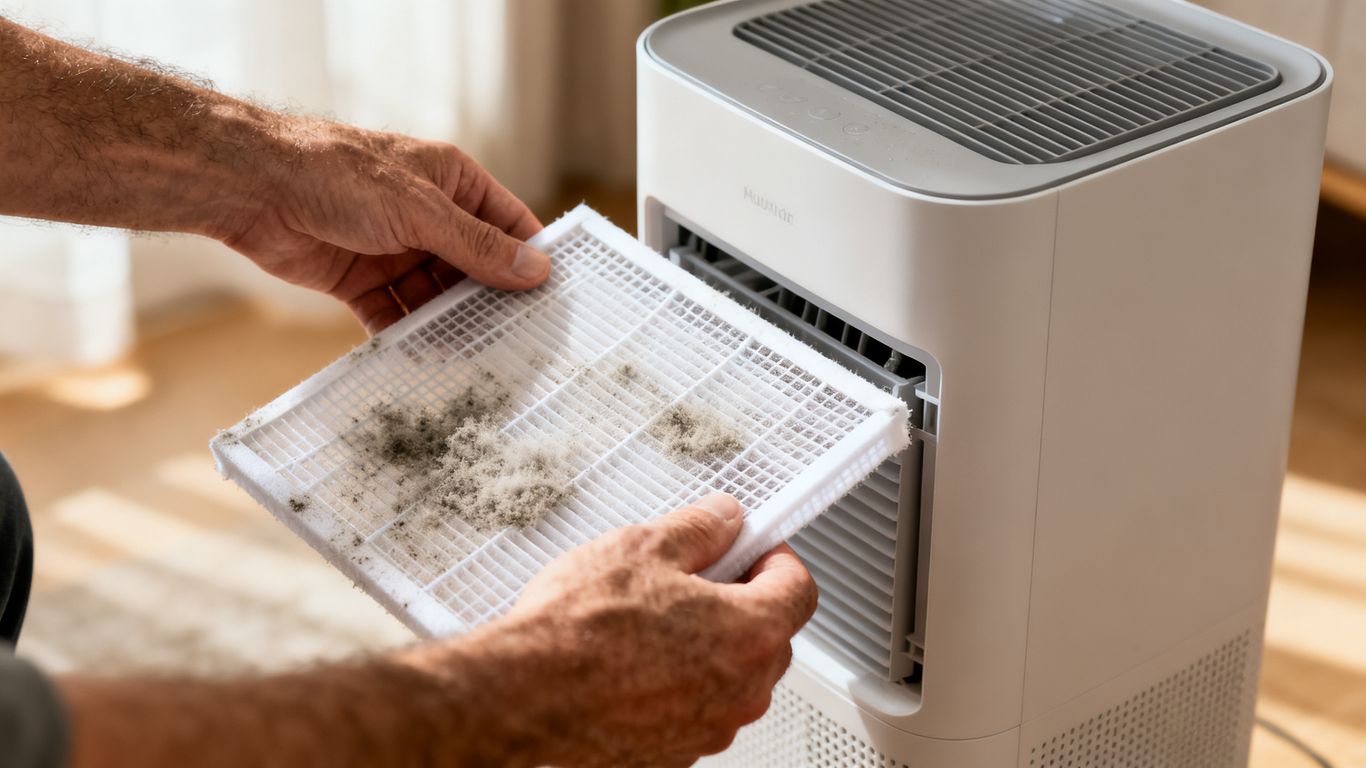
Consistent care is the secret to extending the lifespan of your appliance and keeping it as effective as the day you unboxed it. Without regular upkeep, performance drops are inevitable in humid environments.
Cleaning filters to prevent mold spore accumulation
Filters trap not only dust but also lingering moisture-bound particles, making them prime surfaces for mold growth. Check your filter every two weeks and clean it gently with mild soap and water to ensure airflow remains unobstructed.
How to sanitize the water collection tank effectively
Emptying the tank is only half the battle; sanitize it monthly using a diluted white vinegar solution to prevent biofilm buildup. This simple habit keeps your bathroom smelling fresh and stops mold from taking root inside the water reservoir.
Recognizing when your device requires internal coil maintenance
If the machine continues running but collects very little water, the cooling coils may be clogged with debris or dust. These coils represent the heart of the refrigeration cycle, so keeping them clear is essential for reliable, long-term efficiency.
Troubleshooting common performance drops in high-humidity zones
Sometimes, the ambient temperature may fall too far, causing coils to freeze up. If this happens, most modern units have a defrost cycle, but you should move the unit to a warmer room temporarily until the coils thaw completely.
Alternatives to mechanical dehumidification
Mechanical removal is often the most effective route, but other lifestyle changes can supplement your effort. Using a multi-pronged approach ensures your bathroom remains as dry as possible.
Upgrading your existing bathroom exhaust fan
Installing a high-performance, whisper-quiet extractor fan is often the single most effective way to address humidity at the source. Modern fans are significantly quieter than older versions and handle air volume more efficiently.
Utilizing moisture-absorbing desiccant products
While not a replacement for a powered unit, desiccant bags or silica gel packets can help in very small, enclosed areas like under-sink cupboards. These work passively but require frequent replacement as they reach saturation.
Improving cross-ventilation through door and window habits
Opening the window during a shower and leaving the bathroom door slightly ajar afterwards allows steam to escape quickly. Establishing these simple habits significantly reduces the total moisture load your dehumidifier needs to handle.
Applying anti-mold sealants to grout and tiles
Preventing moisture from seeping into porous surfaces is a critical step in preserving the bathroom environment. A quality anti-mold sealant creates a hydrophobic barrier, making it much harder for water to stay sitting on surfaces.
Conclusion
Maintaining a dry bathroom is a proactive endeavor that involves combining the right technology with smart usage habits to protect your home. By choosing an Aerofy device designed for the job, adhering to safety standards, and keeping up with maintenance, you create a healthier space that effectively resists humidity, odors, and mold growth for the long term.
Frequently Asked Questions
Is it safe to leave a dehumidifier running in the bathroom?
Yes, provided you keep the appliance at a safe distance from all water sources and plug it into a GFCI-protected outlet designed for damp environments.
How often should I empty the water tank in a high-humidity climate?
In very humid conditions, you may need to empty the tank daily, although many modern models offer a continuous drain feature for hands-free operation.
Can a dehumidifier replace my bathroom exhaust fan?
No, you should use both simultaneously; the fan removes steam during your shower, while the dehumidifier manages the lingering air moisture afterward.
How do I know if my bathroom is too humid?
Look for peeling paint, black spots on the ceiling, a heavy musty smell, or consistent condensation building up on your bathroom mirror.
What humidity range is ideal for a bathroom?
Aiming for a range between 40% and 50% relative humidity is generally considered optimal to prevent mold and keep the air comfortable.
Do portable dehumidifiers use a lot of electricity?
Modern units are designed to be energy-efficient, and since most feature auto-shutoff once the target humidity is reached, they rarely stay on 24 hours a day.
Why does my unit make a strange noise?
Occasional clicks or gurgles relate to the normal refrigeration cycle, but if you hear rattling, check if the unit is sitting on an uneven floor or if the intake grille has loosened.