Key Takeaways
Managing moisture in your living space is vital to prevent mold growth and maintain health throughout the year. These essential pointers help you find the right setup for your needs.
- Understand local humidity levels and how they impact indoor air quality.
- Select a dehumidifying capacity that matches the square footage of your rooms.
- Choose between compressor and desiccant systems based on the specific temperatures you face.
- Prioritize energy efficiency to keep long-term operating costs manageable for your household.
- Regular maintenance schedules ensure peak performance and longevity for all your appliances.
1. Understanding Singapore’s humidity levels and their impact on your home
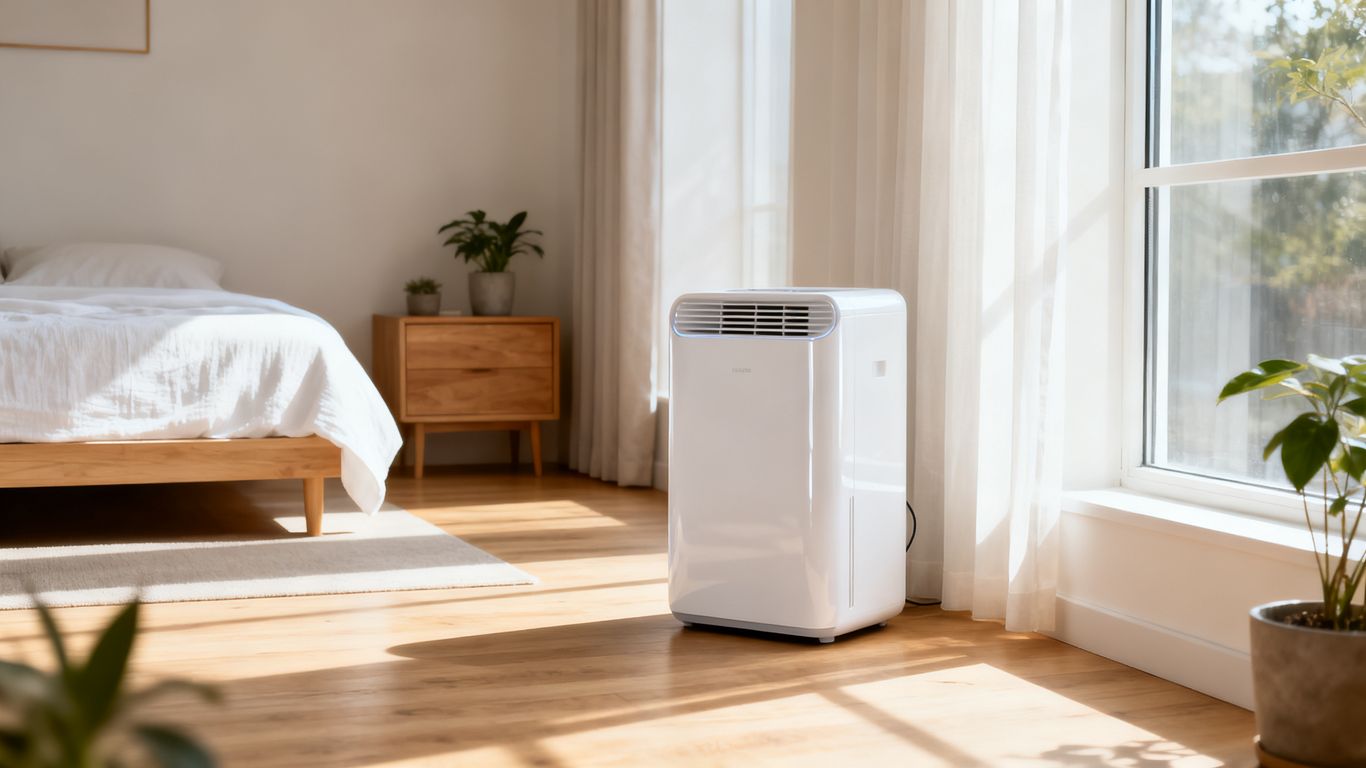
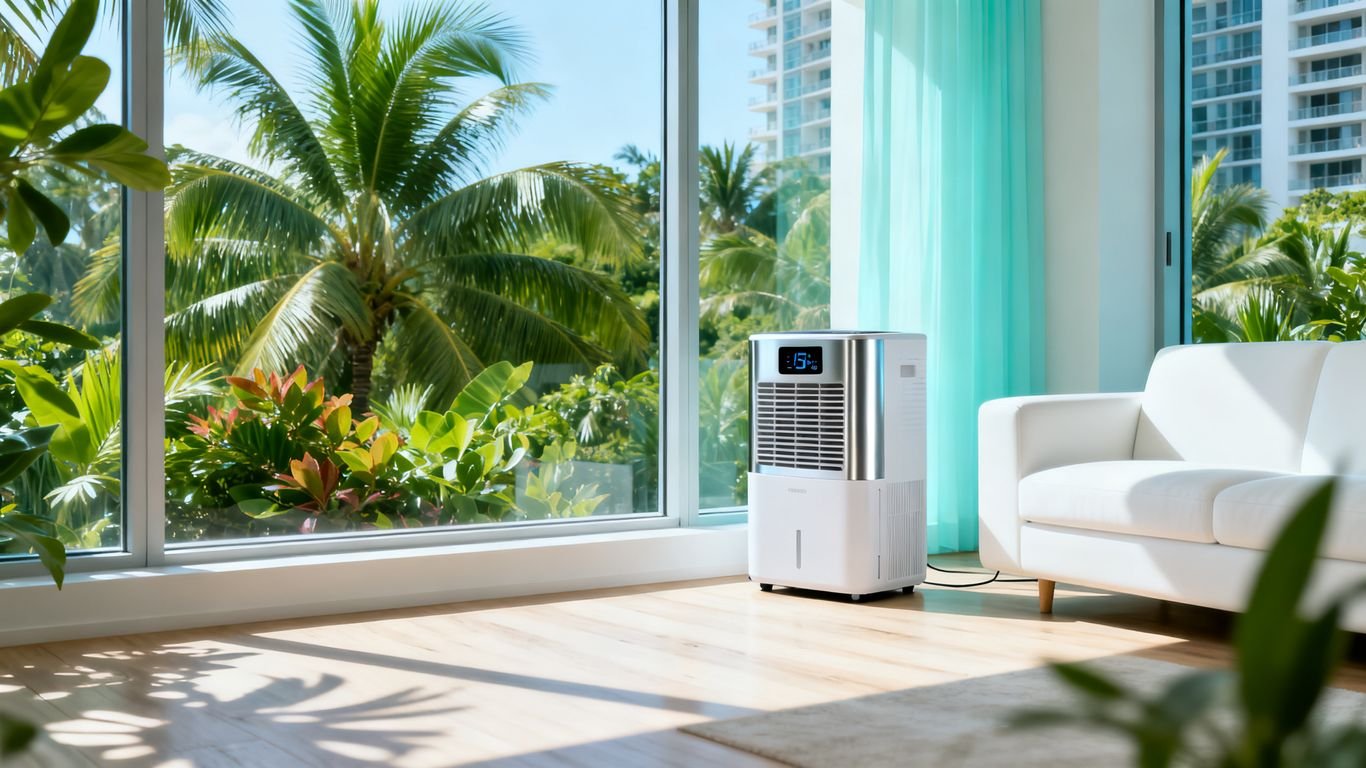
Tropical climates often keep moisture levels high, which can lead to rapid mold and mildew accumulation in living spaces. Residents frequently notice that their walls feel tacky or that there is a persistent musty smell settling in closets and storage areas. The NNIO 12L Dehumidifier serves as a common example of how specialized equipment helps regulate these levels back to a comfortable range for better air quality.
2. Choosing the right capacity for your apartment or room size
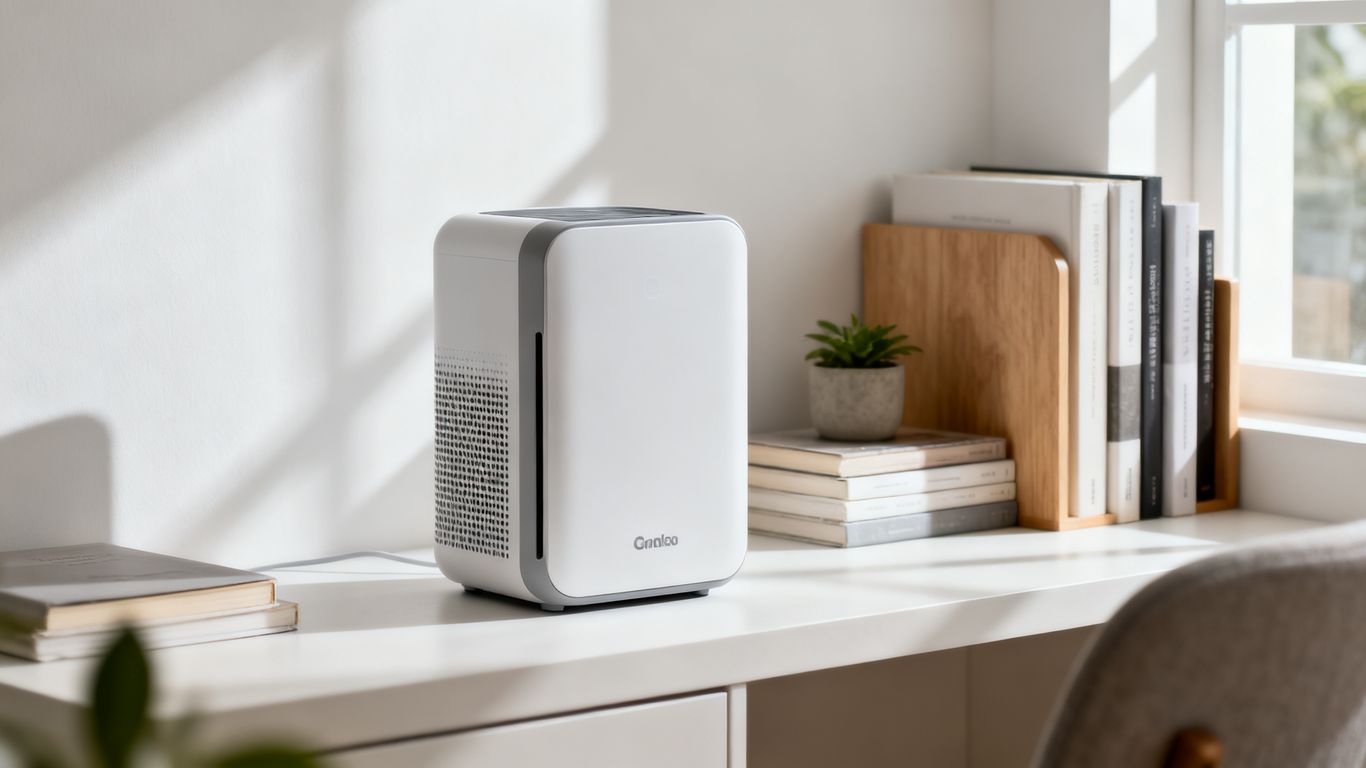
Selecting a unit that matches your square footage is essential for effective performance. If a device is too small for the room, it will struggle to remove moisture effectively, while a unit that is too large might cycle too frequently. Our recommended approach involves balancing the daily removal rating with the room’s total volume during peak dampness periods.
Here are some guidelines to help you determine the right capacity for different living areas:
- Small rooms like bedrooms generally perform well with 10L to 12L daily capacity models.
- Medium-sized living rooms usually require at least 16L to 20L daily moisture removal.
- Open-plan apartments often benefit from a, powerful 25L daily output capacity for consistent dryness.
- Large storage areas may need even higher capacities to protect sensitive items from humidity damage.
After selecting the appropriate model, you can buy now to ensure your home remains protected against tropical dampness.
3. Comparing compressor versus desiccant dehumidifier technology
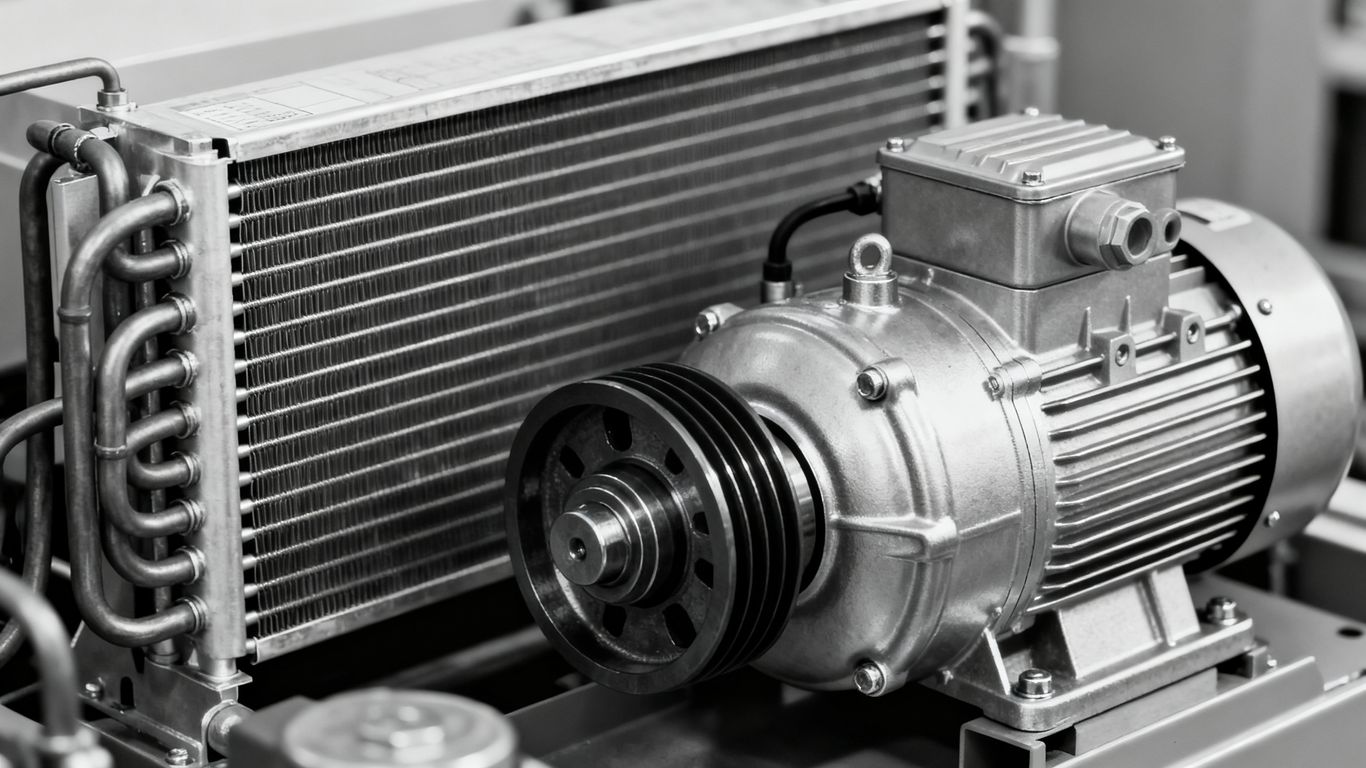
Selecting the correct mechanical system depends on your typical indoor temperature and usage patterns. Compressor units function similarly to air conditioners by cooling air to condense water, making them highly efficient in warmer environments. Conversely, desiccant units use absorbent materials to pull water vapor, which proves more effective in cooler spaces or during extended periods of low heat.
| Technology Type | Best For | Energy Efficiency | Noise Levels |
|---|---|---|---|
| Compressor | Warm Rooms | High | Moderate |
| Desiccant | Cool Spaces | Medium | Low |
| Hybrid Units | All Seasons | Very High | Variable |
These differences primarily dictate where you should place the unit in your home for optimal results.
4. Evaluating energy efficiency and electricity consumption costs
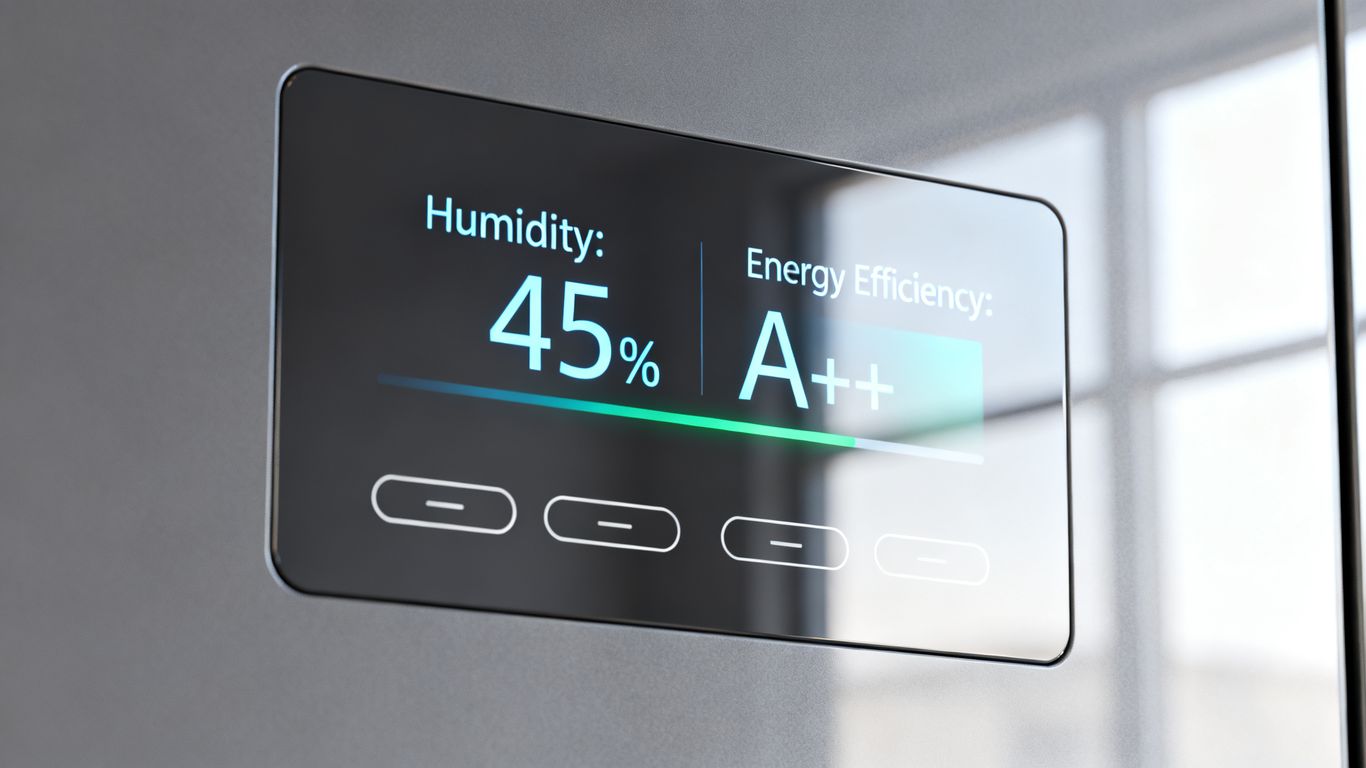
Continuous operation is often necessary to manage Singapore’s high humidity, making energy consumption a crucial factor for long-term ownership. Modern units, such as those employing a rotary compressor, aim to reduce power draw while maintaining consistent moisture removal results. Using efficient settings or smart sensors further lowers your monthly utility expenses without compromising the air quality.
5. Prioritizing low-noise operation for bedrooms and home offices
Quiet operation is paramount when placing a unit in a bedroom or a workspace where focus is required. The Aerofy DualCore 20 is designed specifically for these environments, leveraging technical engineering to keep sound output minimal during the dehumidification process. Selecting units that feature dedicated sleep modes helps maintain a quiet environment while protecting your home from the dampness that fuels mold.
6. Integrating smart connectivity and mobile app controls in modern units
Smart features allow users to monitor their indoor environment even when they are away from home. Being able to adjust moisture settings directly from a smartphone means you can prepare your living room specifically before returning from work or during prolonged absences. This connectivity ensures that you never return to a stagnant, humid room.
7. Key maintenance practices for optimal performance in humid conditions
Proper care of your appliance is the simplest way to extend its lifespan and ensure efficiency. Regularly clearing the dust from air intake filters prevents mechanical strain, while keeping the water collection bucket clean prevents secondary, accidental issues. Residents should always refer to the specific Privacy Policy or user guide provided by the manufacturer to understand how to store the unit safely during seasons of lower humidity.
Conclusion
Investing in a quality dehumidifier is an important step toward creating a balanced and healthy indoor climate in Singapore, effectively preventing mold and protecting your property from the damage caused by heavy tropical humidity.
Frequently Asked Questions
Can a dehumidifier replace my air conditioner?
While some units effectively lower humidity for comfort, they do not provide the same cooling capabilities as dedicated air conditioners, making them different tools for unique climate needs.
How often should I empty the water tank?
This depends on the level of humidity in your home and your unit’s capacity, though most households find that once daily is suitable for consistent moisture removal.
Does running a dehumidifier cost a lot?
Modern machines are designed for efficiency, and the cost is generally comparable to running other common household electrical appliances depending on your usage hours.
Can I use my dehumidifier to dry laundry?
Yes, many people use these devices to accelerate the drying time of clothes hung indoors, though you should ensure the unit is not positioned too close to water-releasing fabrics.
Are smart features really necessary?
These functions are highly convenient for managing humidity levels remotely, ensuring that your home environment is ready for you when you return.
Where is the best place to position the unit?
Place your unit in a central location or a room with high airflow, keeping it at least a few feet away from walls for maximum intake efficiency.
Should I leave the dehumidifier on 24/7?
Many units feature automatic sensors that allow you to set a desired humidity percentage, letting the appliance stop and start itself as needed for optimal efficiency and peace of mind.