Key Takeaways
Understanding how to effectively manage moisture is essential for protecting your property in humid environments. Here is a summary of the most critical factors when considering a reusable dehumidifier for your home or storage areas:
- Silica gel acts as a natural desiccant to capture moisture without needing electricity.
- Frequent renewal cycles in specialized devices significantly reduce long-term plastic waste.
- Optimal placement inside enclosed spaces like closets or safes ensures maximum effectiveness.
- Indicator beads provide real-time visual feedback on when a unit requires recharging.
- Proper maintenance and controlled recharge times prolong the lifespan of your desiccant material.
Understanding how reusable dehumidifiers function
To grasp how these compact devices work, you must look at the science of adsorption rather than absorption. These units rely on high-surface-area materials that trap water molecules deep within their physical structure without changing states, making them remarkably quiet and reliable for small, enclosed areas where silence is preferred. While systems like the powerful DualCore 20 dehumidifier are designed for whole-room humidity control, smaller portable silica units serve as excellent tactical backups for stagnant air zones.
Silica gel technology explained
Silica gel is a porous form of silicon dioxide that acts as a powerful desiccant. The material is riddled with millions of microscopic pores that create a vast interior surface area, allowing it to capture and hold water vapor directly from the surrounding air until the saturation point is reached.
The moisture absorption process
As air circulates around the desiccant beads, water vapor is pulled into the pores and held securely in place. This process continues continuously in passive environments until the internal storage capacity of the silica is full, at which point the capture efficiency tapers off naturally.
Activation requirements for renewal
Once the desiccant reaches its capacity, the captured water must be expelled using heat. This is typically achieved through either a high-heat microwave cycle or an internal heating element, effectively refreshing the porous structure for another round of high-efficiency moisture extraction.
Indicator beads and saturation levels
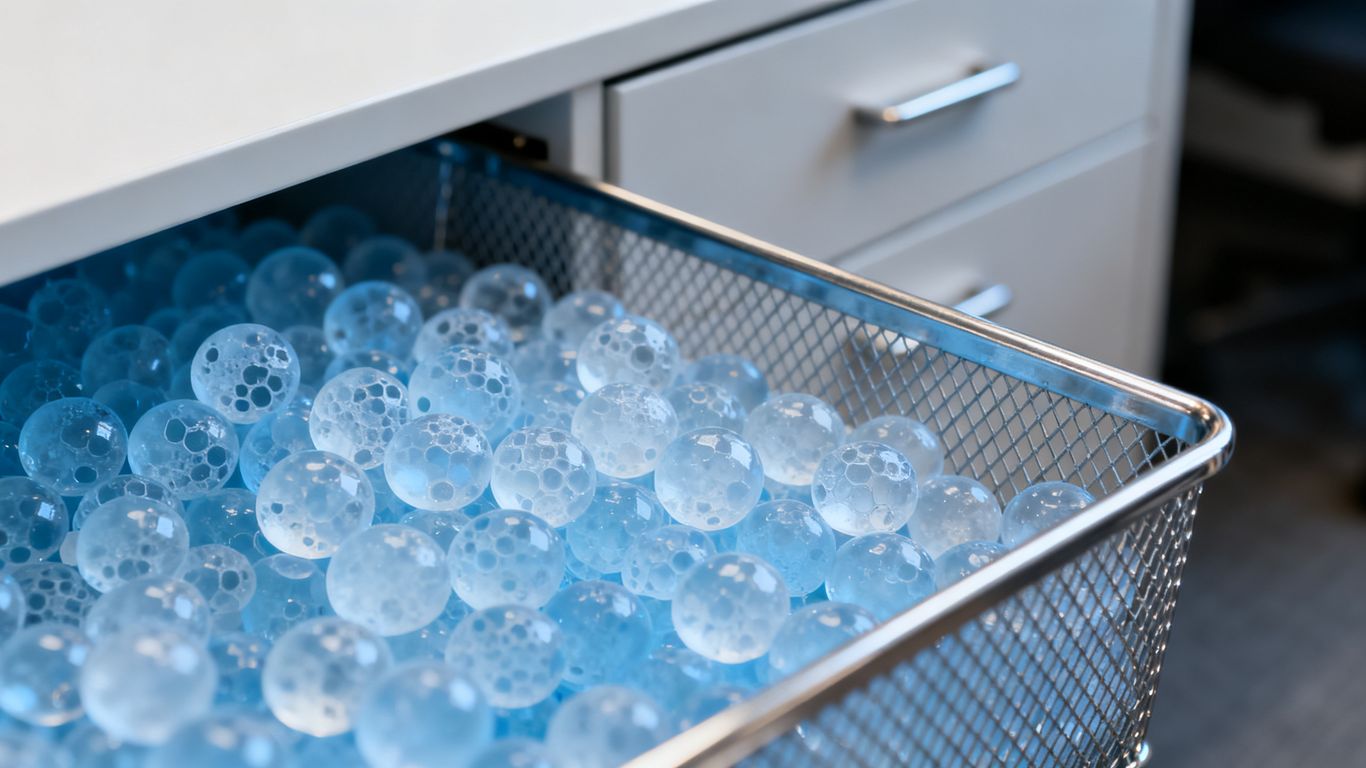
Most modern units utilize specialized color-changing beads that offer a reliable visual cue of saturation levels at a glance. When the beads shift from a dry color to a hydrated hue, the material has successfully reached its maximum capacity.
Benefits of choosing a renewable moisture absorber
Transitioning to renewable absorbers offers a meaningful departure from the disposable chemical buckets that clutter cabinets and create unnecessary trash. By investing in hardware longevity, you shift toward an eco-conscious lifecycle that prioritizes efficiency and material integrity over single-use convenience. For households that value sustainability alongside high-performance gear, these units are a primary choice for managing micro-climates inside localized storage assets.
Long-term cost savings compared to chemical units
Disposable traps require recurring monthly purchases that accumulate significant costs over several years. A single renewable unit provides hundreds of recharges for a one-time purchase price, offering a far more economical path to keeping small storage spaces dry.
Environmental impact and waste reduction
By eliminating the need to dispose of chemical-saturated plastic containers every few weeks, you significantly lower your household carbon footprint. This approach perfectly aligns with the engineering philosophy at Aerofy, where we focus on creating products designed for durability and long-term utility instead of rapid replacement.
Maintenance-free operation for small spaces
These units require no drainage hoses, water tanks, or electricity once they are positioned properly. This allows them to function behind closed doors or in tight cabinets where traditional electronic dehumidifiers simply cannot fit or safely operate.
Safety considerations for households with pets or children
Because they do not rely on toxic calcium chloride chemicals, these units pose much lower risks if accidentally knocked over. The silica gel is safely contained within a rugged housing, providing peace of mind for parents and pet owners alike.
Best applications for your reusable dehumidifier
Knowing where your unit will be most effective helps you plan for long-term protection, especially in tropical climates where stagnant air traps humidity. While your daily humidity control should rely on robust technology, these portable units excel at addressing specific spatial challenges that might otherwise lead to mildew or oxidation.
Managing moisture in storage closets or wardrobes
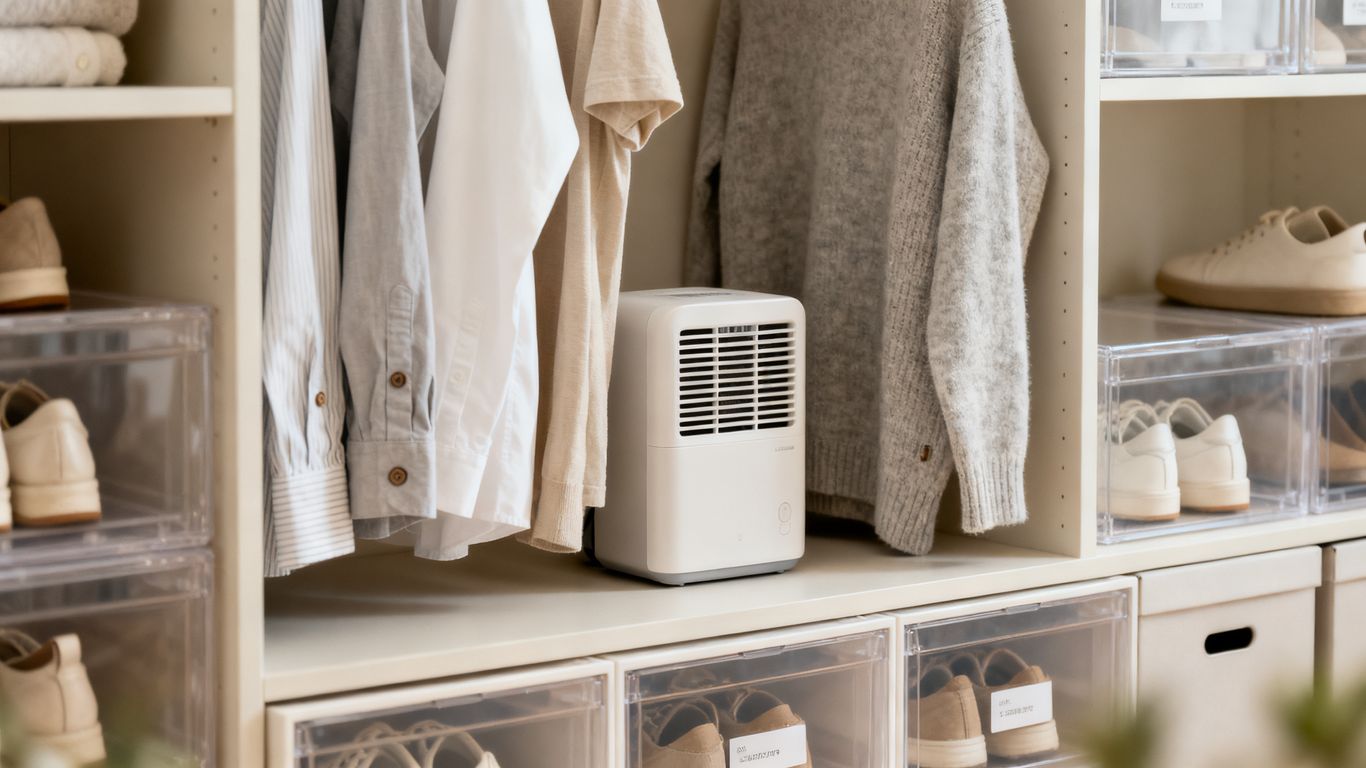
Clothing and fabrics in wardrobe dehumidifier applications are highly susceptible to musty odors in humid climates. Placing a rechargeable unit on high shelving or inside lower drawers helps maintain the dryness necessary to keep your garments fresh and free from odor-causing mold.
Preventing dampness in RVs, campers, and boats
Vehicles and vessels often experience extreme condensation shifts during temperature changes. These units are perfect for off-grid scenarios where traditional dehumidifiers lack the power requirements to operate during storage periods.
Controlling humidity inside gun safes or tool boxes
Corrosion is the primary enemy of precision metal equipment and high-end tools stored in heavy safes. Consistent moisture control inside these small, airtight boxes keeps your gear in pristine condition for whenever the moment arrives to use them.
Keeping electronics and photography gear safe
Sensitive optical glass and circuit boards can suffer from fungus when stored in damp environments. A silica-based unit is a safe, chemical-free way to maintain a dry environment for your expensive technology and camera gear.
Choosing the right model for your space
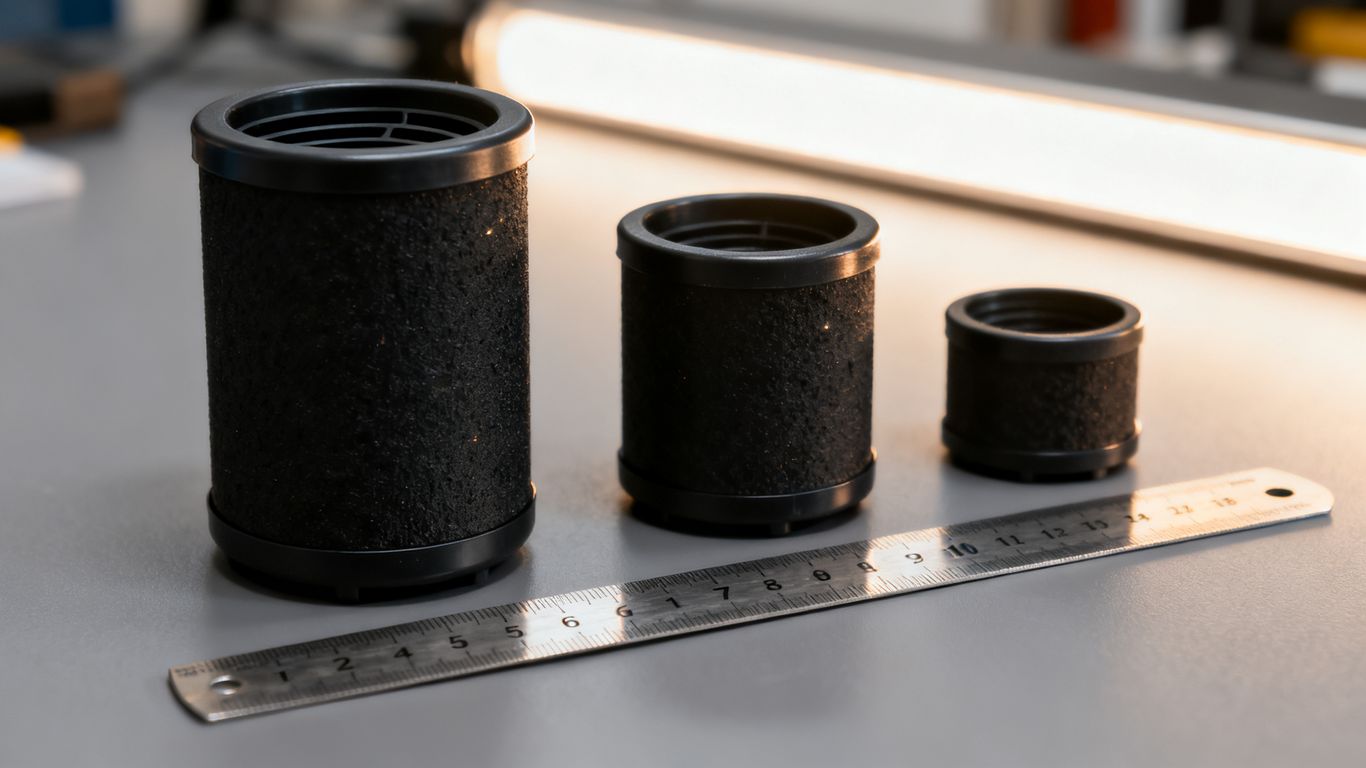
Selecting the right model requires an understanding of the relationship between your cubic footage and the moisture load of the environment. You want to match the drying power to the severity of your local humidity to ensure the device lasts long enough between charges to be truly convenient.
Determining appropriate cubic footage coverage
| Space Type | Estimated Volume | Recommended Capacity |
|---|---|---|
| Small Safe | 4-6 cubic feet | Mini Unit |
| Wardrobe | 10-20 cubic feet | Standard Unit |
| Small Pantry | 30-50 cubic feet | Large Unit |
Comparing plug-in heating bases versus microwave renewal
Microwave-safe units offer faster turnaround times but require manual removal. Plug-in bases allow for automated renewal, which is more convenient for users who prefer to simply leave the unit in one spot.
Evaluating build quality for frequent reuse
Look for heat-resistant casings and secure mesh vents that prevent bead leakage. Consistent, high-quality manufacturing ensures the unit survives dozens of rapid heating cycles without casing deformation.
Assessing recharge time versus absorption duration
Consider the balance between how fast the unit recharges and how long it stays active. A slightly longer recharge time often correlates with a larger desiccant bed, providing longer periods of effective moisture depletion.
Troubleshooting common performance issues
Even the most reliable gear can encounter challenges when faced with extreme local humidity or improper storage conditions. Understanding the cause of performance dips allows you to rectify the situation quickly.
Identifying signs of silica gel exhaustion
When the unit stops changing color despite repeated recharge attempts, the beads have likely reached the end of their functional lifespan. At this stage, the porous material has become blocked by contaminants or physical degradation.
Addressing slow recharge times
Slow recharge cycles often stem from insufficient airflow inside the renewal device or microwave. Ensure that vents are clear and the unit is not blocked by other items during the active heat cycle.
Dealing with stubborn environmental humidity
If a unit saturates in less than 48 hours, the space is likely too large or has excessive moisture intake for a portable device. You may need to seal gaps, improve insulation, or introduce a higher-capacity home appliance for that specific area.
Proper positioning for optimal airflow
- Place the unit in a well-ventilated area within the cabinet to allow air to pass through the housing.
- Avoid burying the unit beneath loose clothing or dense materials that block moisture migration.
- Position the unit as high as possible if the goal is to target general humidity distribution.
- Keep the unit away from direct heat sources that can prematurely force evaporation.
💡 Real-World Scenario
Imagine a homeowner in Singapore managing a professional DSLR collection stored in a dedicated office cabinet. During the rainy season, the internal moisture levels spike, and he notices a faint haze forming on his lenses. By placing a small, rechargeable silica unit inside the shelf, he creates a localized dry micro-climate that prevents organic debris from settling on the optical glass. He follows the Aerofy guidelines for regular monitoring, checking the indicator beads once a week to ensure proper dryness.
Conclusion
Effective moisture control is a balancing act of choosing the right tools for the right environment, whether you are relying on portable silica units for gear or larger comprehensive systems for your home. By integrating high-quality, reusable dehumidifiers into your storage routines, you protect your valuable assets from the silent damage of dampness while supporting a far more sustainable way of living. Always prioritize your Privacy Policy when interacting with manufacturers online, and remember that consistent maintenance is the strongest shield against environmental wear.
Frequently Asked Questions
How long does a typical rechargeable unit last?
Most units provide effective moisture absorption for two to four weeks depending on the relative humidity of the environment, after which they require a recharge cycle.
Is it safe to leave these in the same cabinet as clothing?
Yes, these devices are designed to safely absorb moisture without releasing any chemicals or oils, making them perfectly safe for use near fabrics, leather, and documents.
Can I use these units inside a refrigerator or freezer?
These products are engineered for standard indoor temperatures and are not suitable for refrigeration units, where extreme temperature shifts can cause condensation to form faster than the desiccant can handle.
What happens if the beads turn dark brown or grey?
Dark color shifts usually indicate that the beads have accumulated dust or have been exposed to high oils, indicating they need to be replaced rather than simply recharged.
Do these units make any noise while operating?
No, because they rely on natural atmospheric pressure and porous adsorption, they operate entirely silently without any fans or motors.
Can I recharge the unit multiple times per day?
Frequent, back-to-back recharging can damage the internal heating components and the structural integrity of the silica beads, so it is best to allow the unit to cool down completely between sessions.
Does the color-changing indicator ever stop working?
After many years of service, the chemical coating on the indicator beads may lose its sensitivity to moisture shifts, suggesting it is time to replace the unit for accurate monitoring.