Key Takeaways
Managing humidity in small, tucked-away spaces requires a strategy that works without needing constant electricity. These simple, non-electrical tools provide an accessible entry point for controlling moisture in closets, safes, and storage areas.
- Disposable absorbers utilize salt-based chemistry to pull water from the air.
- They are ideal for passive moisture control in confined, low-airflow environments.
- Proper placement near condensation sources increases the effectiveness of each unit.
- Regularly monitoring moisture levels helps determine when to swap out spent containers.
- Safety is paramount, specifically keeping contents away from children and household pets.
Understanding how disposable dehumidifiers work
Disposable moisture control units function through a straightforward chemical reaction designed to pull water vapor out of the stagnant air. By leveraging the natural properties of specific minerals, these devices create a dry environment without requiring power cords or mechanical fans.
The role of calcium chloride crystals
The active ingredient found in these devices is typically calcium chloride. These crystals are naturally hygroscopic, meaning they proactively attract water molecules from the surrounding environment. When placed in an open container, the crystal surface serves as a trap for gaseous moisture, effectively reducing the humidity level in the immediate vicinity.
How moisture turns into liquid brine
As the calcium chloride absorbs humidity, the solid crystals dissolve into a liquid solution. This process generates a collection of saline liquid, or brine, which then drips into a secondary holding compartment designed to keep the moisture separated from the air intake. This gradual physical transformation ensures that the moisture remains trapped as a liquid rather than returning as vapor to the atmosphere.
Limitations of passive desiccant technology
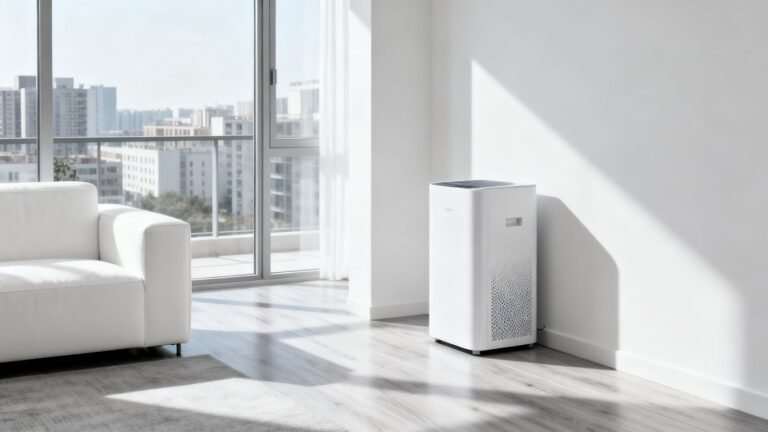
While these units excel in tight, unventilated zones, they are fundamentally limited by their passive nature. They lack the air-moving capacity of an Aerofy appliance, which uses active circulation to treat larger rooms. Consequently, these disposable units cannot keep pace with high-traffic areas or spaces prone to extreme humidity, making them unsuitable replacements for heavy-duty climate control.
Common signs you need a disposable dehumidifier
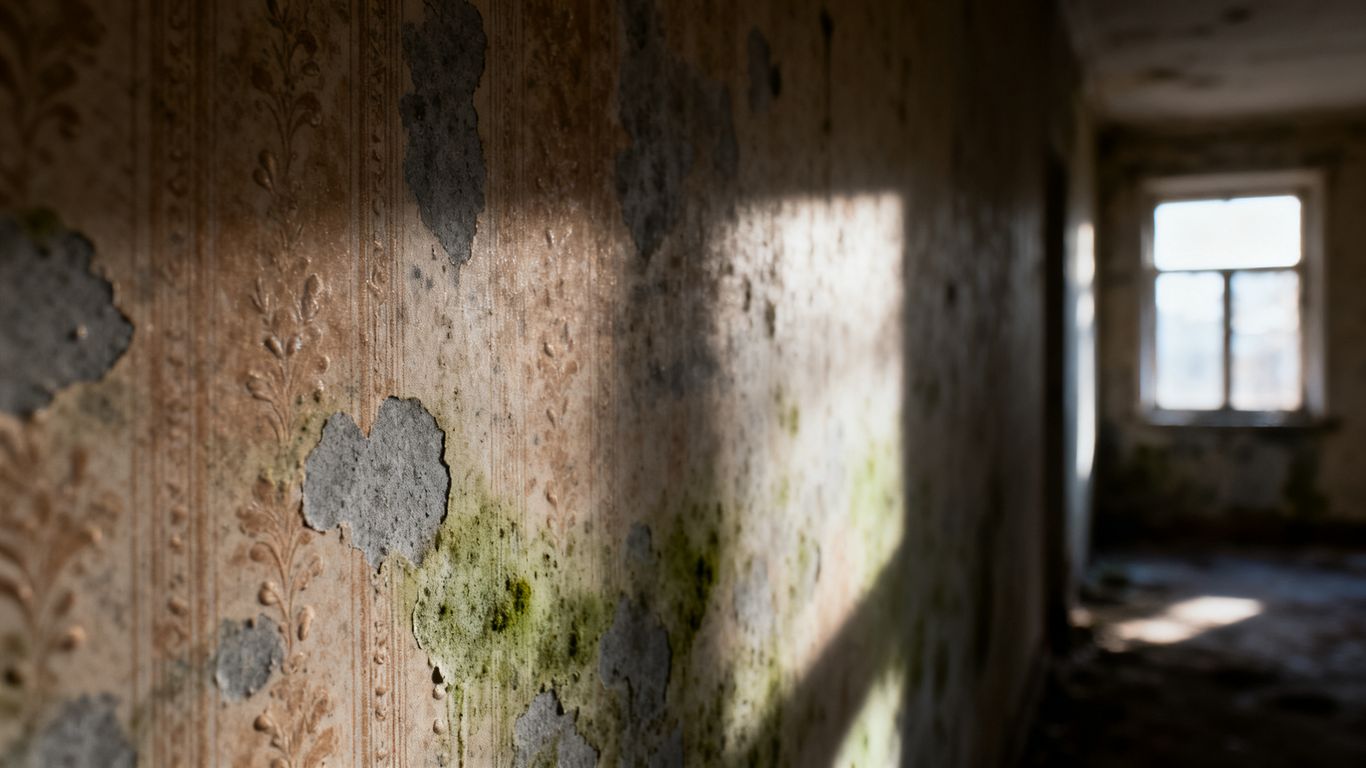
Noticing the early indicators of excess dampness can save your furniture and belongings from lasting damage. Identifying these issues early allows you to address the environment before mold or warping becomes an irreversible problem.
Identifying persistent musty odors in small areas
Persistent stale smells are often the first sign that moisture has become trapped in an area. When air lacks movement, mildew can begin to grow on soft surfaces, leaving behind that unmistakable, damp odor often found in older cabinets or closets.
Detecting visible condensation on window panes
Condensation forms when indoor humidity hits a cold surface, quickly leading to water buildup. If you notice pools of water on your window sill during the colder months, it is a clear indicator that the surrounding humidity levels are high enough to cause potential damage to the structure.
Preventing mold growth in closed storage containers
Mold thrives in dark, humid environments such as storage bins and document boxes. By placing a small absorber inside these containers, you can stop the growth cycle of spores, ensuring your stored items remain pristine and undamaged over extended periods.
Best places to position disposable moisture absorbers
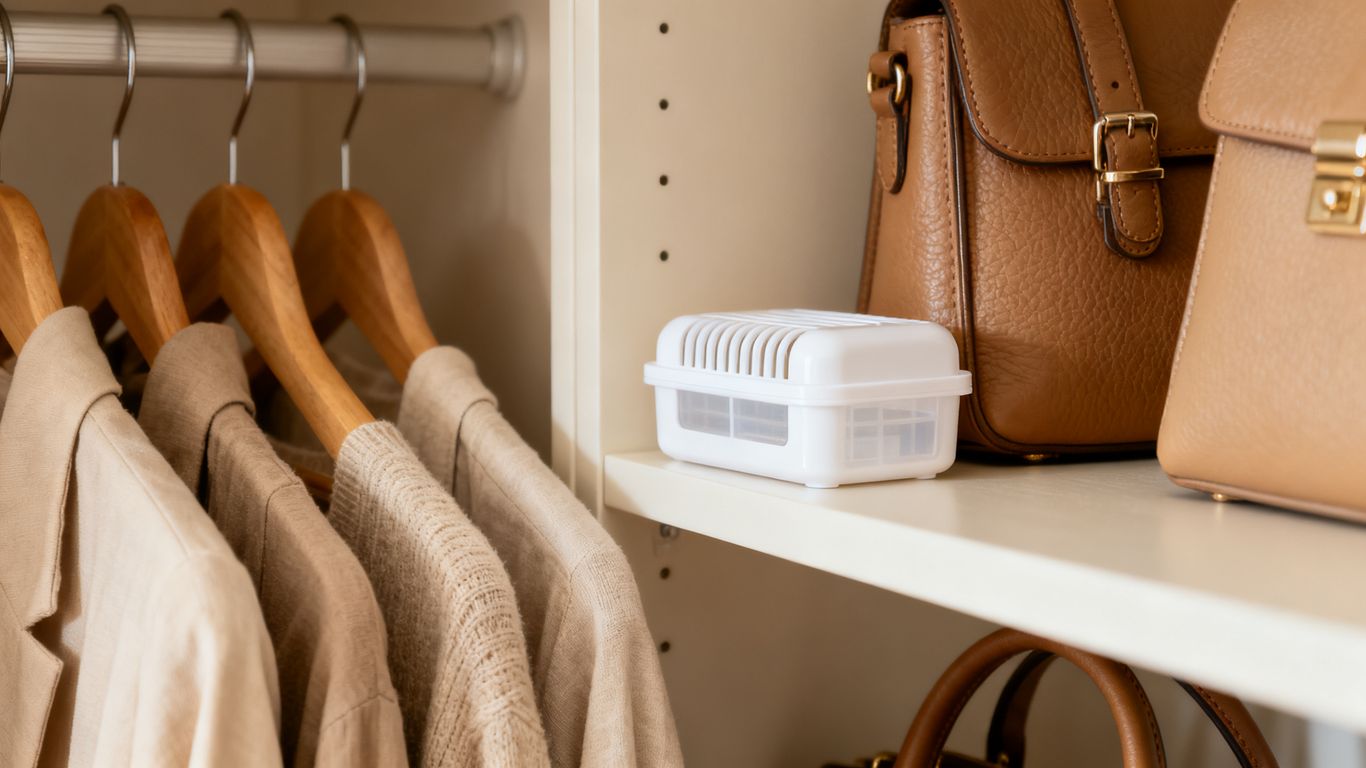
Strategic placement of your moisture control solution ensures that airflow is optimized and the desiccant is working as efficiently as possible. Taking a few moments to evaluate your storage layout can help you buy now with confidence, knowing exactly how to protect your goods.
Closet organization and clothing protection
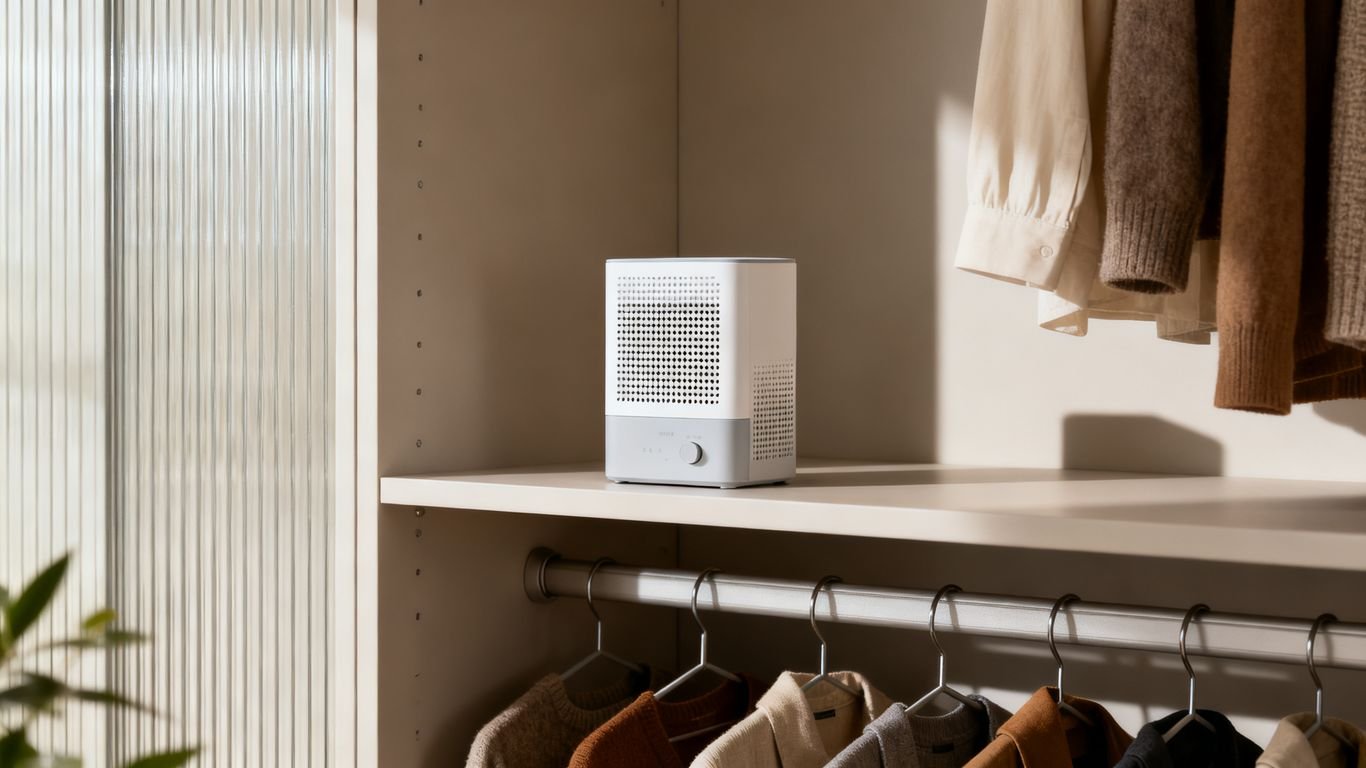
Closets are prime locations for dampness, as the presence of garments restricts airflow and traps moisture. Placing an absorber on the floor or a shelf helps move the internal climate toward a drier state, protecting sensitive fabrics from developing a musty scent.
Keeping bathroom vanities and cabinets dry
Bathroom storage often faces moisture intrusion from daily steam and showers. Keeping a small, Selleys dehumidifier in the under-sink vanity can help manage residual dampness, keeping towels and skincare items fresh and preventing cabinet wood from swelling.
Preserving documents in home safes
Sensitive paperwork and birth certificates are highly vulnerable to high humidity in heavy, insulated safes. You can set up a small containment area using a Cornell tabletop dehumidifier or a disposable packet to ensure your most important documents are kept in a consistently dry environment.
Protecting vehicles during winter storage
Storing a car or boat for the winter months means leaving it sealed for long durations, which invites trapped humidity. Placing moisture absorbers throughout the vehicle interior creates a buffer against the damp conditions that cause interior fabric mildew.
Factors for choosing the right capacity
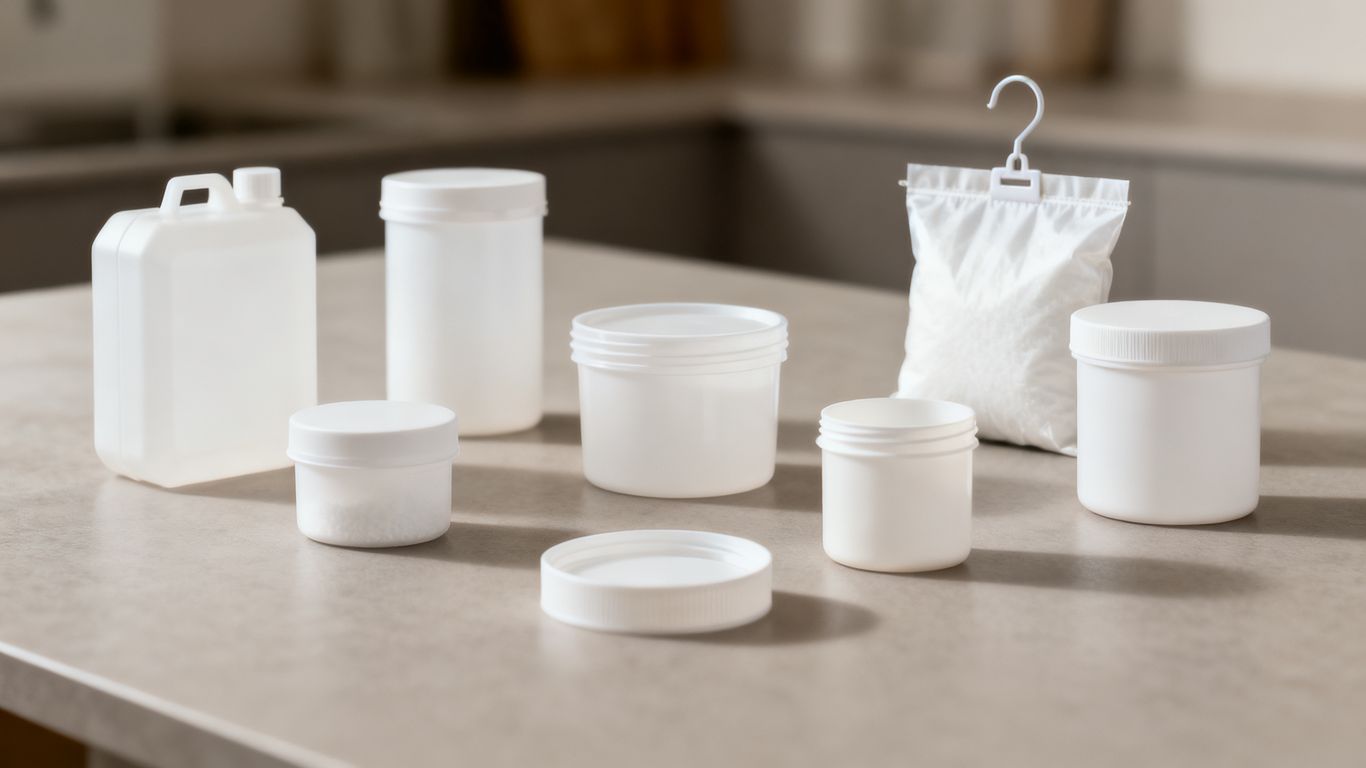
Selecting the correct size is essential to ensure your space is treated effectively without needing constant maintenance. Understanding the relationship between room volume and humidity volume guides your purchase.
Assessing the cubic volume of your small space
Before deploying your absorbers, calculate the cubic volume to determine if one unit is sufficient or if you need multiples. Large walk-in closets, for example, require more surface area coverage than a simple bedside drawer to prevent EarnBill privacy requirements from impacting your home safety.
Determining the replacement frequency based on humidity levels
| Location Type | Humidity Level | Expected Life |
|---|---|---|
| Dry Storage | Very Low | 8-12 weeks |
| Average Closet | Moderate | 4-6 weeks |
| Damp Garage | High | 2-3 weeks |
The chart above helps you prepare for maintenance schedules in different zones of your home. Always check your units after two weeks of initial use to see if you need to adjust your replacement schedule based on your specific climate.
Selecting between hanging bags and tray containers
- Hanging bags are perfect for vertical storage in closets or garment racks.
- Plastic trays provide stability when placed on flat surfaces like shelves.
- Refillable containers offer a longer-term solution for frequent use.
- Compact packets are ideal for small, specialized containers like jewelry boxes.
Choosing the right form factor ensures the unit stays out of the way while actively drawing out moisture. Consider the specific orientation of the area you intend to protect when selecting your products.
Safety and disposal considerations
Managing these units safely is a critical step in using passive desiccant technology responsibly. Because the liquid contains dissolved salts, it requires careful handling during the disposal process.
Handling the collected liquid solution carefully
When your device is full, the brine should be poured out slowly to avoid splashing. Always wash your hands thoroughly after coming into contact with the salt solution, as it can be highly irritating to broken skin or sensitive membranes if mishandled.
Proper recycling of plastic containers and packaging
Once the brine is disposed of, the remaining plastic shell is usually recyclable depending on your local regulations. Rinse the container thoroughly to ensure no chemical residue remains before placing it into your recycling bin.
Pet and child safety precautions
These products should be stored in areas completely inaccessible to curious children and pets. If a liquid vessel is tipped over, the spilled brine poses a significant health risk to animals if consumed, necessitating immediate cleanup and secure placement.
Comparing disposable units vs. electric dehumidifiers
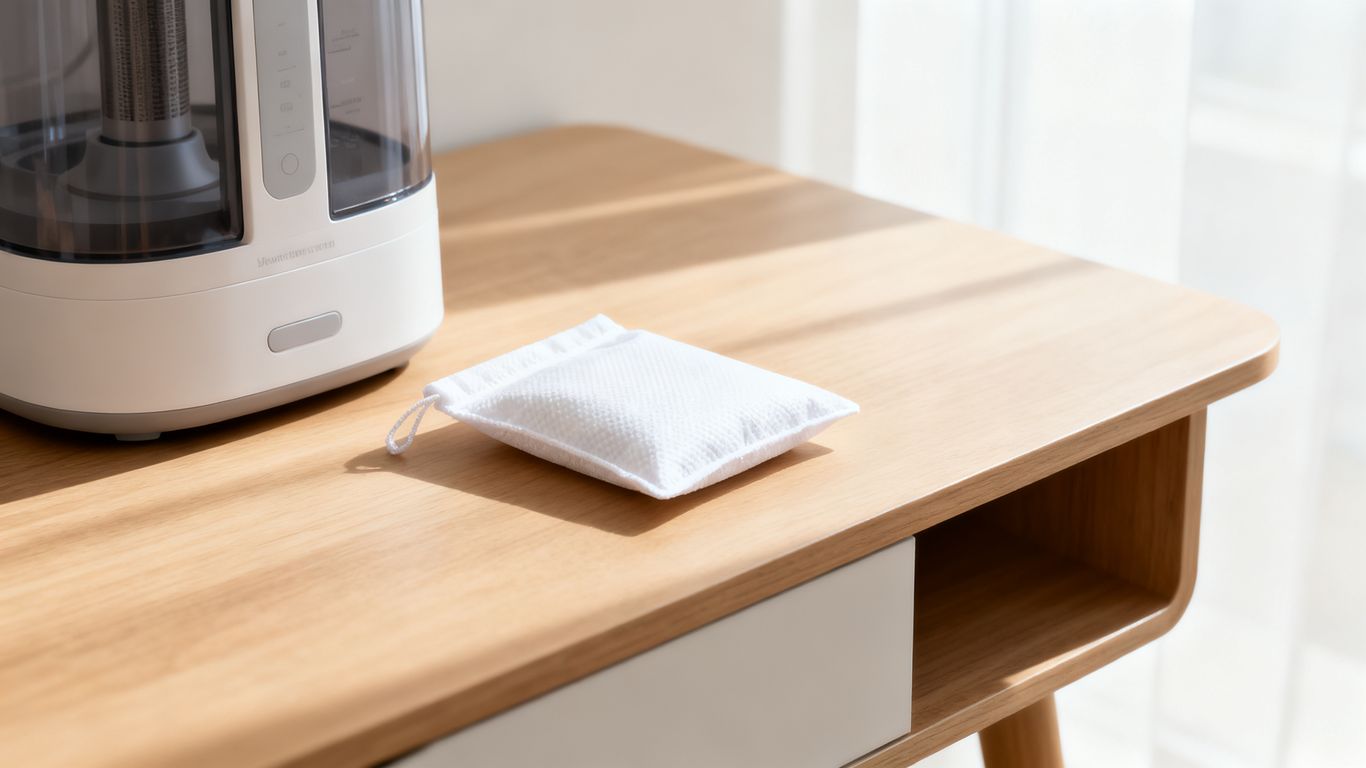
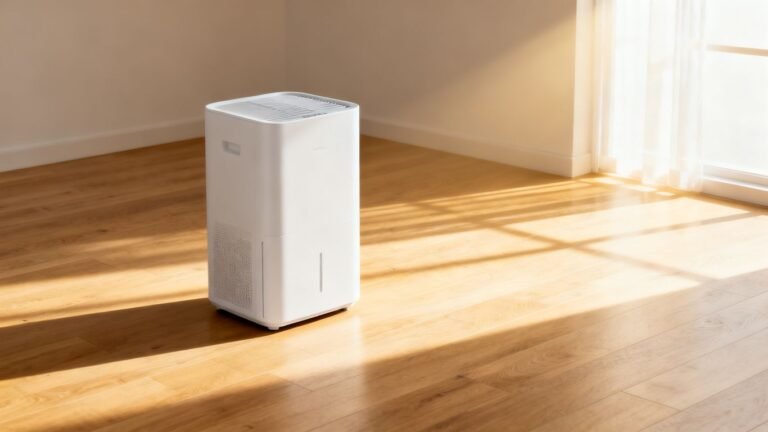
When exploring options, comparing passive disposables to Aerofy appliances highlight significant trade-offs in power and scope. Choosing the right tool depends largely on whether your need is occasional or constant.
When to choose a passive solution
Passive absorbers are best suited for smaller, enclosed spaces where electric power is unavailable. They offer a silent, no-fuss solution for areas like safes or seasonal storage where you do not want to monitor or run active machinery.
Understanding power consumption differences
As the name suggests, disposable units use zero electricity, making them inherently more efficient in terms of energy draw. They do not increase your utility bill, whereas active, refrigerant-based units will draw consistent power to process large amounts of air throughout the day.
Evaluating long-term costs of refills versus electricity
While a single disposable packet is inexpensive, the cost of frequent replacements over a year can exceed the operating cost of a single, efficient electric appliance. For larger homes with ongoing humidity issues, investing in an Aerofy unit often provides better value and superior performance compared to consistently buying disposable packets.
Conclusion
Selecting the right moisture control solution is all about matching the tool to the specific humidity challenges of your home. By utilizing disposable absorbers for small, enclosed areas and focusing on the needs of your local climate, you ensure your space stays dry, fresh, and protected year-round.
Frequently Asked Questions
Can I reuse the liquid brine collected in the container?
No, the liquid brine is a byproduct of the chemical reaction and should be discarded safely; it cannot be reused for any purpose.
Is it safe to use these absorbers near food products?
It is strongly advised to keep these products away from food, as the chemicals should never come into contact with anything destined for consumption.
How do I know when the unit is completely full?
You can tell a unit is full when the crystals are entirely dissolved into liquid and the brine level reaches the designated fill line on the container.
Do these units affect the temperature of the room?
No, these passive units have no impact on the ambient temperature of a room, as they do not generate or remove heat.
Does this method replace the need for an air conditioner?
No, these units only target humidity and do not provide the cooling or circulation effects of an air conditioner.
Can I place the absorbers directly on clothing?
It is best to leave a small gap between the unit and any fabrics to ensure proper airflow and prevent the possibility of residue transfer.
Are these products effective in an open-concept living area?
These passive absorbers are generally ineffective in large, open-concept rooms because the volume of air is too great for the crystals to provide a measurable effect.