Key Takeaways
Maintaining a balanced atmosphere in the home is essential for longevity of belongings and personal comfort. Understanding how to manage excess humidity effectively ensures a healthier environment for everyone.
- Principles of moisture absorption using desiccant technology.
- Optimization of device placement for consistent airflow.
- Regular inspection of saturation indicators for timely maintenance.
- Sustainable refill practices for long-term waste reduction.
- Safety protocols for households with children and pets.
Understanding how DryLah dehumidifiers work
Managing humidity in tropical environments requires consistent action, as moisture levels can quickly impact home comfort and material integrity. Utilizing DryLah! technology provides an electricity-free approach that is specifically engineered to address these persistent environmental challenges.
The science behind gel-based moisture absorption
The fundamental mechanism relies on the chemical affinity of specific desiccant gels for water vapor. These materials attract moisture molecules from the stagnant air in enclosed spaces, effectively lowering local relative humidity without requiring mechanical intervention. As the gel binds with ambient vapor, it undergoes a physical change, demonstrating its active work in protecting your environment from dampness.
Comparing desiccant gel to traditional electric units
While motorized models are common, gel-based systems offer a silent and maintenance-free alternative for smaller areas like closets or cabinets. Because they operate independent of power grids, they provide reliable protection during power outages and are much quieter than units using fans.
Identifying ideal environments for gel dehumidifiers
Determining where to place these units is key to their success in your home. They thrive in unventilated areas where moisture has a tendency to accumulate, preventing musty odors before they start to permeate clothing or electronics.
| Location Type | Moisture Load | Recommended Frequency |
|---|---|---|
| Wardrobes | Low to Moderate | Monthly |
| Storage Cupboards | Moderate | Bi-monthly |
| Vehicle Interiors | Variable | Monthly |
These passive absorption devices represent an elegant solution for localized dampness, fitting seamlessly into hidden corners where traditional bulky appliances simply cannot reach.
Setting up your DryLah dehumidifier for the first time
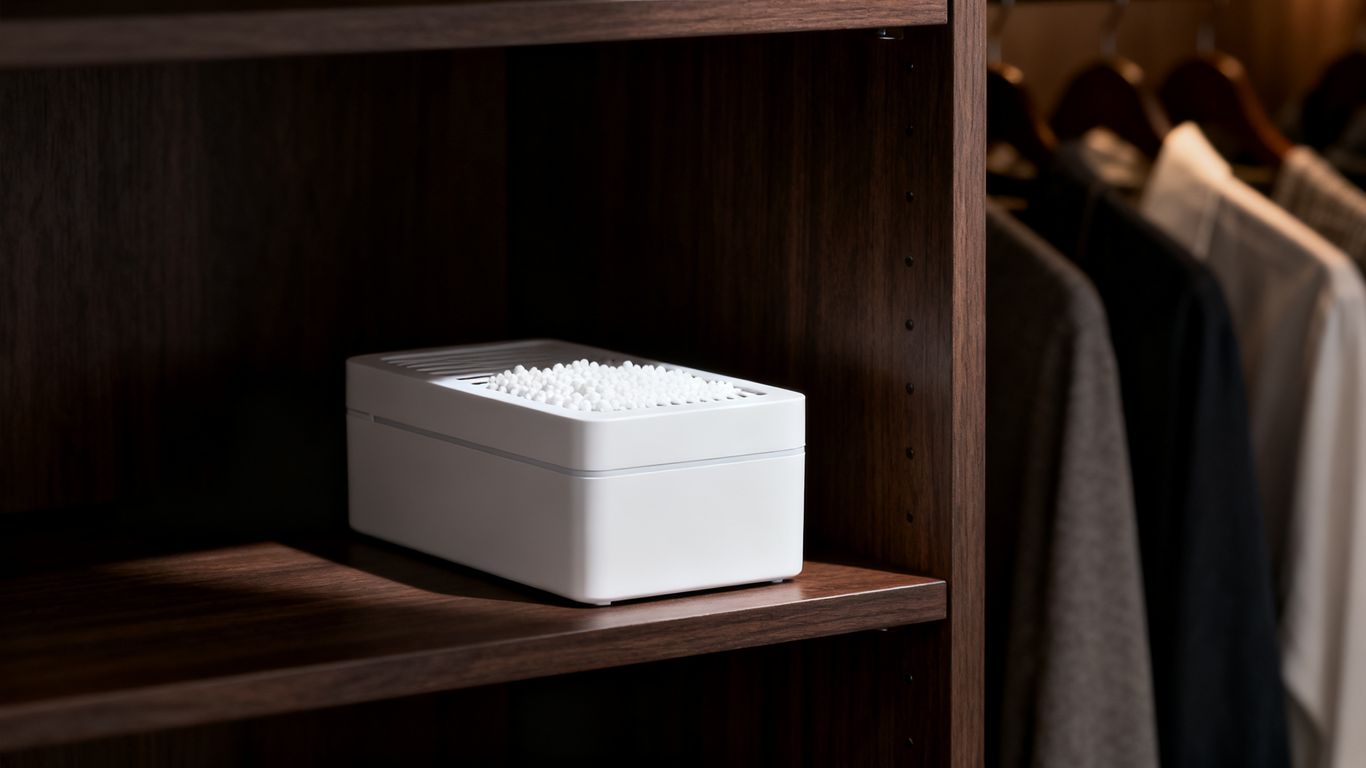
Getting started correctly ensures that your moisture control strategy remains effective throughout the season. Proper activation creates a foundation for consistent performance while maintaining the structural integrity of your storage containers.
Proper placement for optimal air circulation
For best results, position the unit where air naturally moves or pools. Avoiding corners or behind thick clothing ensures the desiccant material can expose its full surface area to the surrounding space, which significantly improves the rate of absorption over time.
Understanding the saturation indicators
Monitoring the state of the gel is simple if you know what to look for. As the internal beads absorb moisture, they demonstrate a visual shift indicating their current capacity, serving as a non-intrusive way to track your home’s moisture load.
Ensuring airtight activation for maximum potency
To initiate the process, remove industrial seals to expose the filtration membrane. You should always ensure that the outer housing is securely snapped into an airtight configuration, which prevents external air from saturating the gel before it reaches your intended target space.
Maintenance and refilling procedures
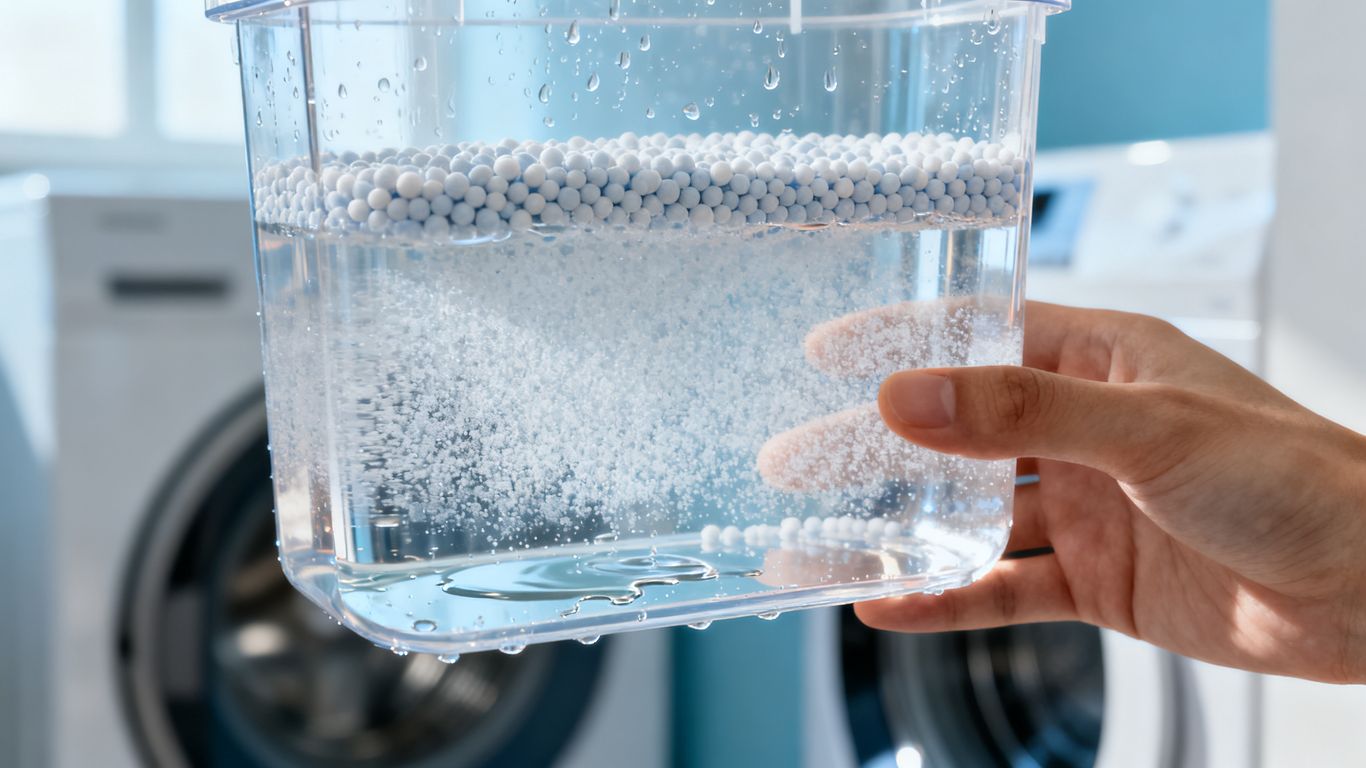
Long-term humidity control is entirely dependent on your ability to refresh the system once it reaches its limit. Consistent care ensures that Agiontex DryLah! remains active, providing reliable protection for your wardrobe and sensitive household electronics.
Recognizing when the gel is at maximum capacity
When the desiccant reaches its absorption threshold, the visual indicators will appear fully opaque. You might also notice a slight change in the unit’s weight, signaling the presence of trapped liquid within the storage reservoir.
Step-by-step guide to cleaning the containment unit
Maintaining the housing is a straightforward task that prolongs the life of the plastic components:
- Empty any accumulated fluid into a standard drain.
- Rinse the internal container with mild soap and warm water.
- Dry the surfaces completely to prevent any residual growth.
- Securely re-insert the fresh desiccant packet.
This simple routine ensures that your system stays hygienic and Agiontex DryLah! continues to function at its peak performance during heavy rain seasons.
Best practices for eco-friendly refill management
Managing waste responsibly is a core component of sustainable moisture control. By choosing refillable systems, you contribute to a meaningful reduction in single-use plastic production.
Storing your spare refill packs in a cool, dry place ensures the desiccant remains potent until the exact moment you need to swap it out for a depleted one.
Troubleshooting common moisture issues
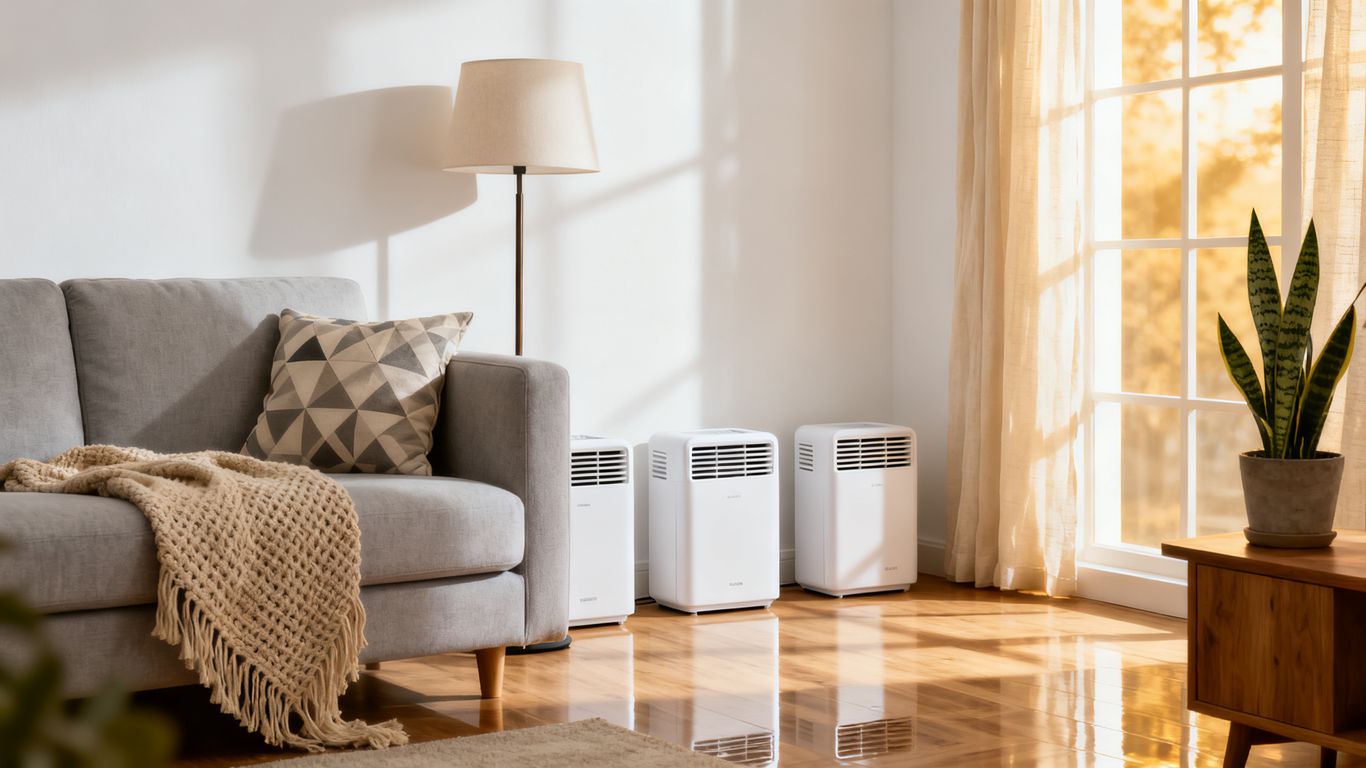
Sometimes, a single unit may show signs of struggle if the environmental conditions are particularly harsh or if the room dimensions exceed the unit’s rated capacity. Addressing these hurdles promptly helps protect your home from potential damage.
Managing persistent humidity in enclosed spaces
When you notice that odors return quickly in a small cabinet, it may be time to evaluate the ventilation. Often, simply moving the unit to a central position on a shelf provides just enough boost to keep the area clear.
Addressing performance drops in large rooms
If you find that your current setup is unable to reach your goals in an open room, you likely need a larger volume of desiccant. Keep in mind that for spaces exceeding standard closet sizes, you may require multiple units positioned at different levels to create an even moisture-reduction zone.
Determining when to replace the core filtration components
If the outer mesh begins to show signs of fraying or mineral buildup, swap the filter component during your next cleaning cycle. A clean membrane allows for unimpeded air intake, which is critical for consistent moisture capture.
Health and safety considerations
Maintaining a safe home requires an awareness of the materials we bring into our living spaces. Understanding how to handle these products correctly ensures they provide protection without causing any secondary complications.
Eco-friendly material safety for indoor households
These desiccants are designed with non-toxic compositions that pose minimal risk during normal use. They focus on maintaining air quality effectively while ensuring that no harmful chemicals are released into the immediate environment.
Keeping units secure from children and pets
Because units contain small beads, it is crucial to place them out of reach. While they are not intended for consumption, curious hands or paws should be prevented from accessing the interior granules to avoid accidental ingestion.
Proper disposal methods for spent desiccant materials
Dispose of used desiccant through your regular household refuse collection once the unit is fully serviced. If your local council provides a standard recycling program for plastics, ensure the outer shell is cleaned and processed through those channels to minimize your carbon footprint.
Get DryLah Today
Take the next step in protecting your living space from dampness and unwanted odors. Visit our Shop to browse the full collection and bring home a sustainable, efficient solution that works for you every day.
Conclusion
Effecting real change in your home’s air quality doesn’t always require massive machinery; small, intentional choices about moisture control can dramatically improve your daily experience. By staying consistent with your maintenance routine, you ensure that your belongings remain protected and your indoor environment stays fresh and crisp regardless of the weather outside.
Frequently Asked Questions
How often should moisture absorbers be checked?
It is best to conduct a quick visual inspection at least once every two weeks to monitor the progress of the moisture absorption.
Can these units be used in car trunks?
Yes, they are highly effective in vehicle storage areas to prevent condensation and musty smells during wet months.
Is it normal to see liquid in the bottom tray?
Yes, that liquid is simply the captured moisture filtered out of the air, indicating the unit is working exactly as intended.
Does this affect the humidity of the entire room?
These passive tools are designed for contained spaces like cabinets, closets, and drawers rather than affecting the humidity of an entire room.
How long does a single refill last?
Duration depends on ambient humidity, but most units provide reliable performance for four to eight weeks before needing a change.
Are there any smells associated with the desiccant?
No, the material is generally fragrance-free, working specifically to neutralize existing odors rather than masking them with artificial scents.
What if the unit falls over during use?
It is recommended that you place the unit on a flat, stable surface to prevent spilling, though minor tips usually do not impact its operational effectiveness.