Key Takeaways
Optimizing your environment requires understanding how desiccants function to maintain low humidity levels. These simple beads are a quiet, effective tool for safeguarding your most sensitive items from moisture-related decay.
- Beads physically adsorb water molecules without needing external power.
- Silica gel remains the gold standard for most home applications.
- Regular reactivation ensures the indefinite reuse of your desiccant supply.
- Proper volume calculation is essential for choosing the right amount.
- Safe handling prevents unwanted exposure to chemicals in indicator beads.
Understanding dehumidifier beads
Desiccant materials are essential for localized moisture control, as they bypass the need for mechanical compressors. By trapping water vapor within microscopic pores, these beads create an atmosphere where mold and corrosion struggle to survive.
Chemistry and moisture absorption mechanism
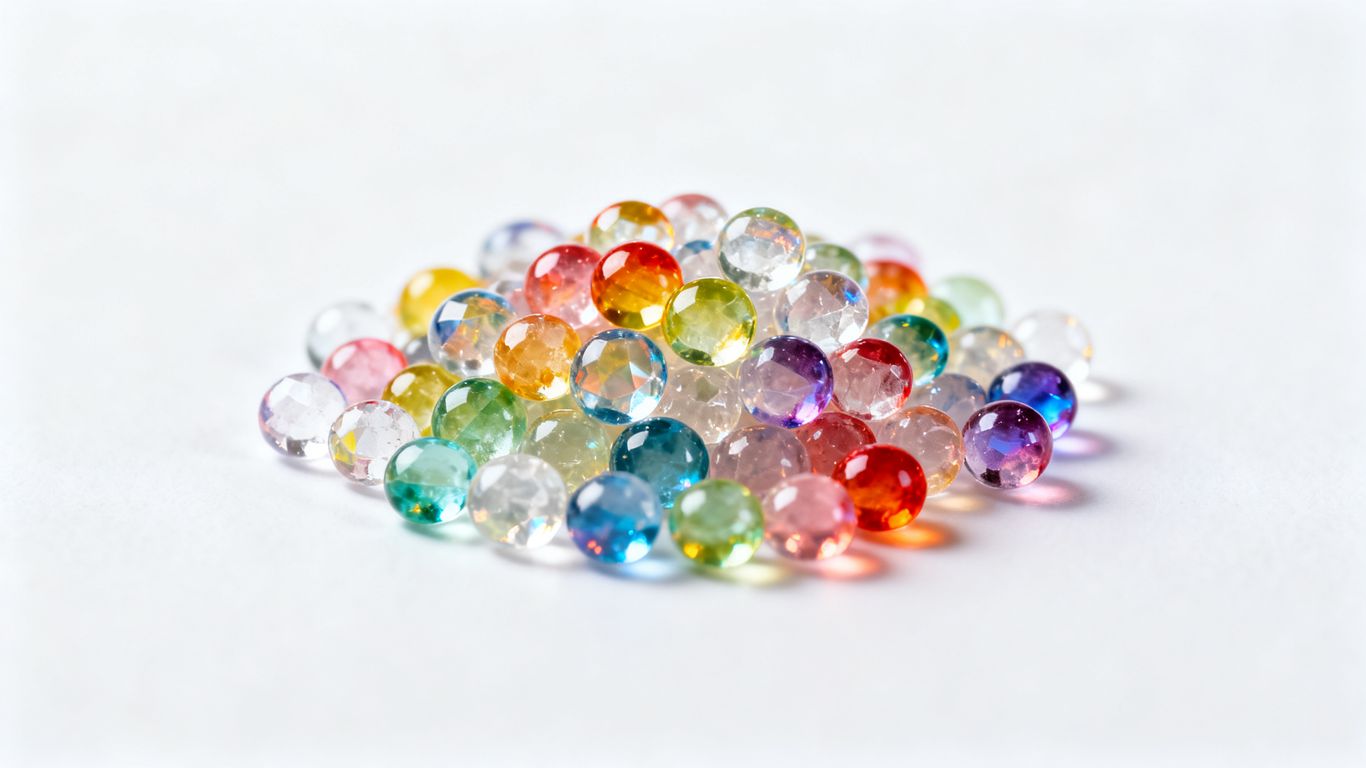
The core of the process lies in the surface chemistry of the beads, which are highly porous materials. When air flows over them, water vapor is drawn into these millions of tiny pores through physical adsorption, which is fundamentally different from a chemical reaction. Unlike the heavy-duty machinery of an aerofy unit designed for entire rooms, these beads work on a passive, molecular level to keep small environments dry.
Differences between silica gel and alternative desiccants
While silica gel is the most common variety, other options like calcium chloride or high-capacity alumina exist. Silica gel is favored for its chemical stability, as it does not typically turn into liquid as it collects moisture, making it cleaner for use in containers. Comparing these reveals that your choice depends on whether you value high-speed absorption or long-term structural integrity inside a storage bin or cabinet.
Meaning of color-changing humidity indicators
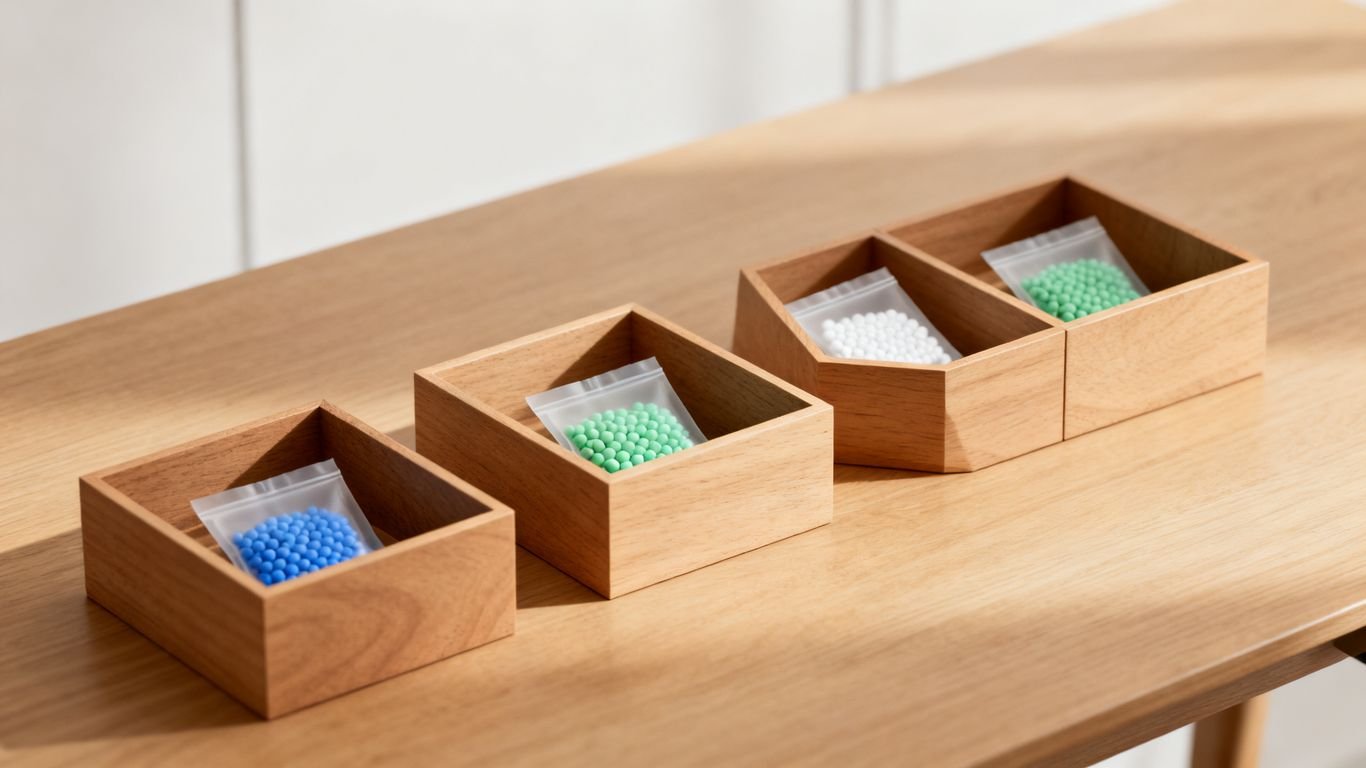
Many beads are coated or contain chemical indicators that shift color as they hit their capacity limit. Typically, a color transition from deep blue to light pink—or orange to clear—signals that the bead can no longer hold water. This provides a visual cue that it is time to dry them out, preventing you from ever guessing when your protection has failed.
How bead shape and size affect surface area
Beads are manufactured in varying sizes, often measured in mesh grades, which dictate how much surface area is exposed to the air. Higher surface-area-to-volume ratios allow for faster moisture uptake from the surrounding environment. Choosing the right size ensures that your passive beads function efficiently, much like the precision components inside the DualCore 20 that manage humidity in residential settings.
Common applications for moisture control
Strategic placement of desiccant is the most cost-effective way to preserve valuables in stagnant air environments. By creating localized micro-climates, you can extend the lifespan of electronics and keepsakes significantly.
Protecting electronics and camera equipment
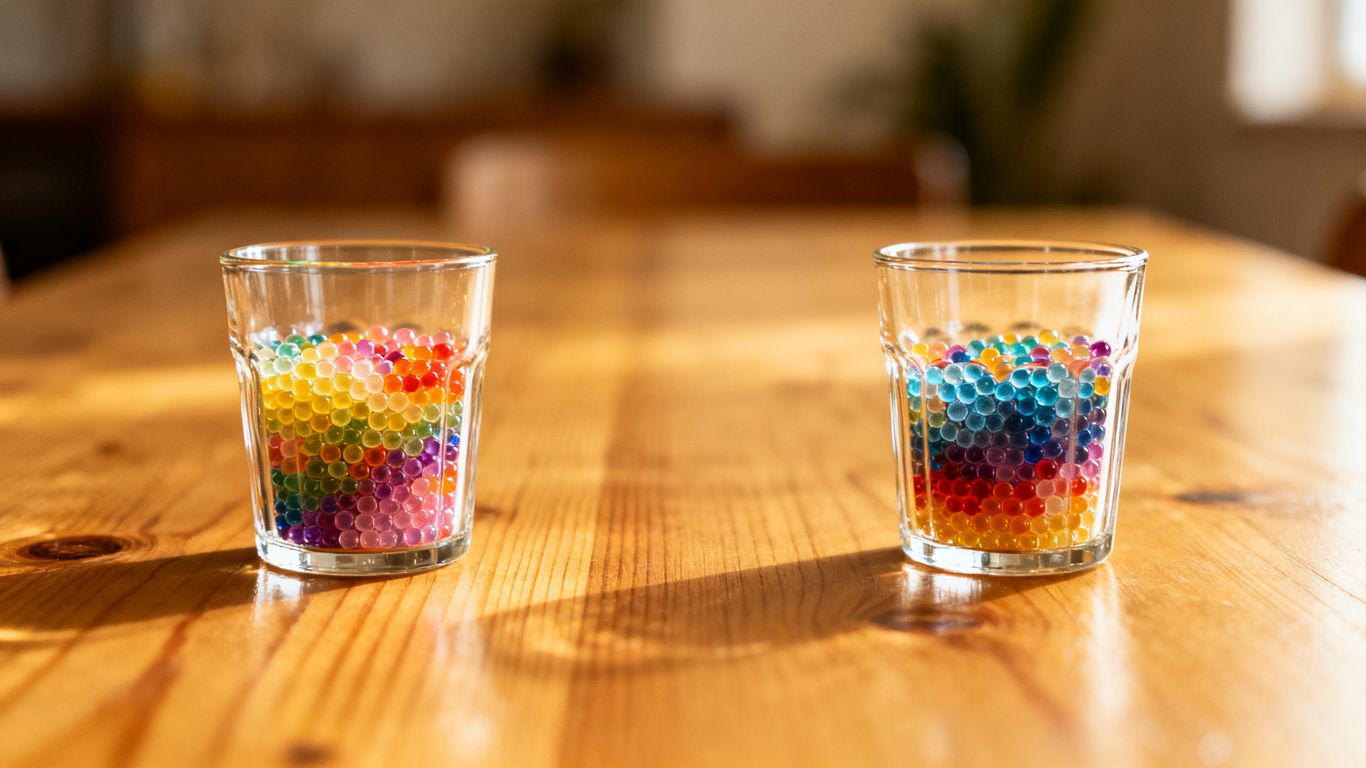
Electronic components are notoriously sensitive to ambient humidity, which can lead to rapid oxidation on internal contacts. A small pouch of desiccant tucked into a camera bag handles the moisture that might otherwise seep into sensitive glass elements. Aerofy recommends keeping sensitive electronics away from high-damp zones, but where space is restricted, beads provide a layer of safety that preserves delicate electrical circuitry.
Preserving documents and vintage collectibles
Paper products and vintage collectibles are susceptible to warping, foxing, and the growth of microorganisms if left in damp conditions. Utilizing desiccants in storage chests keeps archival records crisp and prevents the development of localized musty odors. This passive protection creates a stable environment that keeps your treasures pristine for years without active power.
Reducing humidity in closed storage bins
When sealing clothing or seasonal items, the ambient air trapped inside will eventually cause mustiness if left untreated. Placing sachets among your belongings regulates the trapped air volume effectively. This strategy works well alongside aerofy air management systems designed by teams who understand the unique humidity challenges faced in tropical environments.
Preventing mold in closets and laundry rooms
Closets often suffer from poor air circulation, creating pockets of dampness perfect for mold growth on garments. Using a network of larger desiccant canisters can mitigate the buildup of moisture in these hard-to-reach pockets, though for larger, open areas, more robust equipment is often required.
| Item Type | Recommended Desiccant | Expected Life |
|---|---|---|
| Camera Gear | Silica Gel Packs | 1-2 Months |
| Leather Goods | Dry Canisters | 3-4 Months |
| Old Documents | Paper-Safe Silica | 6 Months |
You can see from this list that items with varied porosity requirements thrive when given consistent humidity control from high-quality desiccants.
Methods for recharging and reusing beads
One of the most eco-friendly aspects of desiccant beads is their high capacity for renewal through heat. Once they become saturated, they do not need to be thrown away, as a simple heating process drives away the stored water.
Oven reactivation procedures and safety precautions
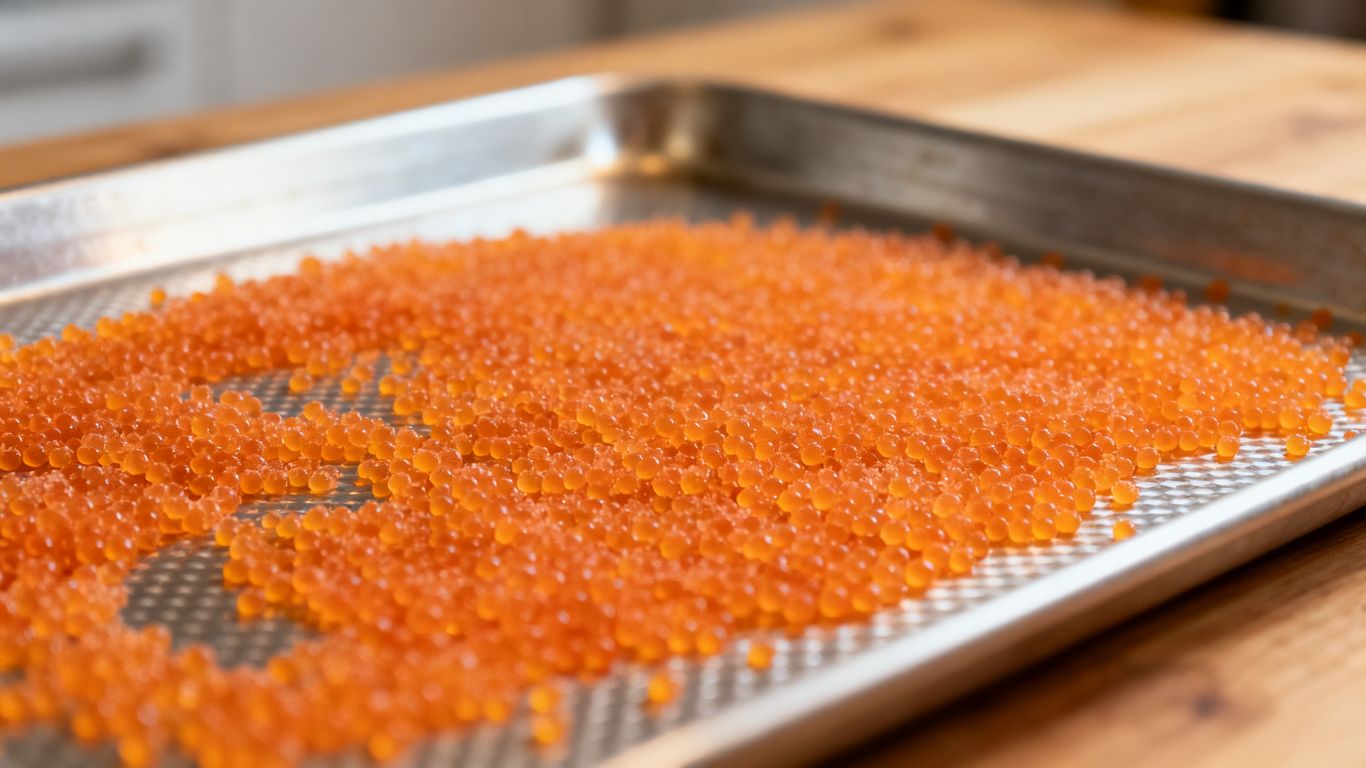
Reactivating beads in a standard kitchen oven requires steady, moderate heat to ensure you do not destroy the bead structure. You should place them in a heat-safe metal pan at roughly 250 degrees Fahrenheit, ensuring the layer is thin enough to allow moisture to evaporate evenly. Always avoid excessively high heat, which can crack the beads and render them useless for future moisture collection cycles.
Microwave heating techniques for efficiency
Microwaving is faster but carries a higher risk of overheating the material if you are not careful. Use short intervals at medium power, stirring in between to ensure consistent drying throughout the batch. It is safer to dry them over several short sessions than a single long, high-power blast.
Recognizing when beads are fully saturated
Saturation is rarely obvious without an indicator bead, but a simple weight check can sometimes reveal the state of the material. If you have kept an initial dry weight log, you will find that fully saturated beads often weigh 15% to 30% more than their dry counterparts. Observing the physical weight, paired with color indicators, creates a reliable monitoring routine for all storage containers.
Determining when beads have reached their end of life
Eventually, through repeated thermal cycling, the internal porous network of the material will collapse, and its absorption efficiency will plummet. You should look for beads that remain dull or show signs of physical fragmentation even after a thorough drying cycle. If you notice persistent humidity despite regular recharging, it is likely the beads have expired and must be replaced.
Calculating the required quantity
Effective moisture control is not just about having some beads; it is about having enough material to cover the specific volume of your storage area. Overestimating is usually safer than underestimating, especially in humid regions.
Assessing internal volume of containers
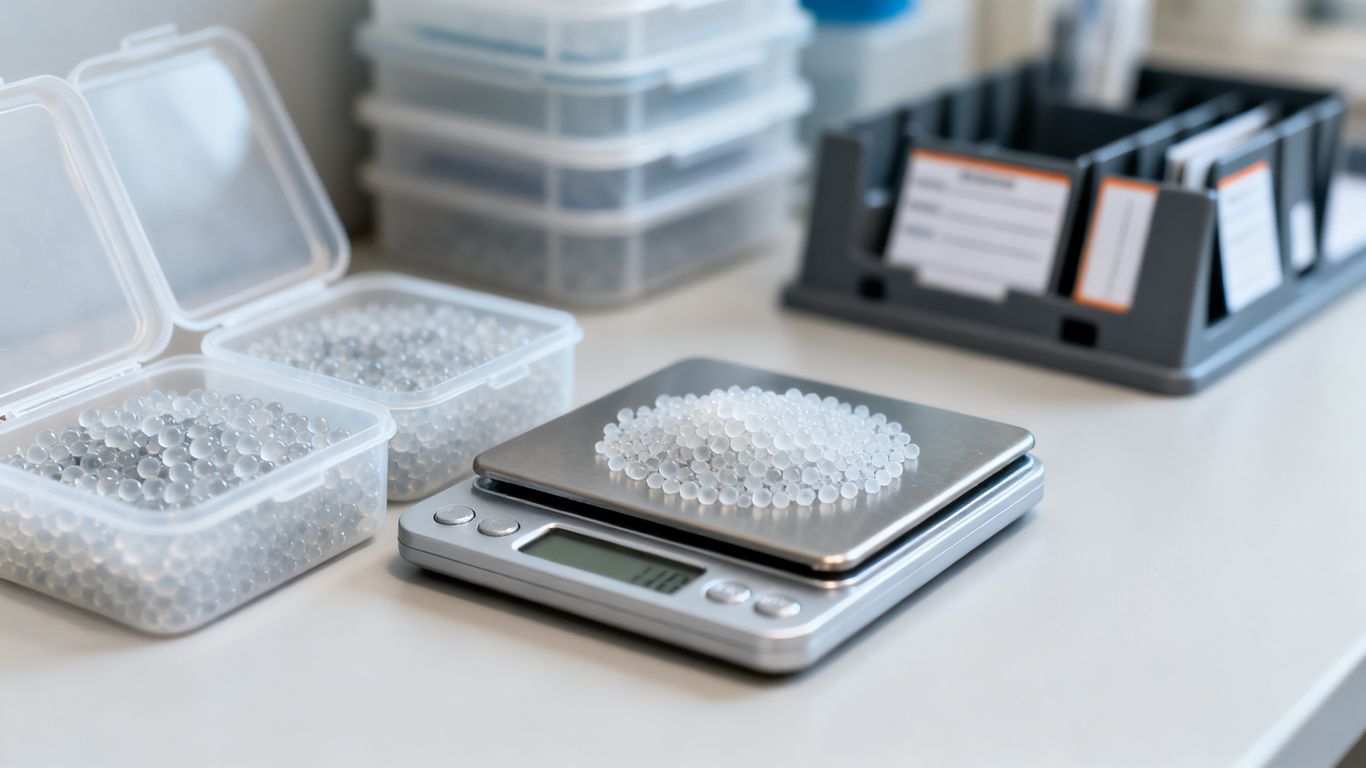
Calculating the cubic feet of your storage unit is the first logical step toward effective deployment. If your container is too large, a small packet will be overwhelmed in hours, leaving your items vulnerable. You should aim for a ratio of at least one unit of desiccant per cubic foot for standard storage, though high-moisture items require a steeper ratio.
Adjusting for ambient humidity levels
In tropical environments, the baseline humidity is significantly higher, requiring more aggressive moisture removal strategies. When considering the scope of such projects, experts at Helios Energy Global note that the air-tightness of your sealing is the primary factor limiting the lifespan of your desiccant beads. Humidity spikes require more frequent recharge cycles, so plan your supplies accordingly.
Evaluating the air tightness of storage environments
Beads perform best in closed systems where they only have to fight the moisture trapped on the first day. If your container has gaps, you are essentially trying to dry out the entire room, which is an impossible task for small silica pouches. Always check the gasket integrity of your storage bins to ensure your setup remains as isolated as possible.
Establishing a maintenance schedule for monitoring
Consistent monitoring turns a set of storage bins into a proactive humidity-management system. We suggest these steps for your routine:
- Log the date of initial deployment for every storage container.
- Add calendar reminders to check color indicators every month.
- Keep a backup batch of dry beads ready for immediate swapping.
- Rotate saturated beads for fresh ones to minimize downtime.
Following this schedule eliminates the danger of suddenly finding mold when you reopen your items later in the year.
Safety and handling best practices
While generally safe, desiccants should be handled with care to prevent accidental ingestion or chemical exposure. Following basic safety rules ensures that your home environment remains healthy for everyone residing within.
Identifying toxic additives in indicator beads
Some blue indicator beads may contain cobalt chloride, which is listed as a potential health risk in some regions. Always check the label to ensure your chosen beads are non-toxic, especially if you have children or pets nearby. Switching to orange-to-green or orange-to-clear indicators often avoids these hazardous chemicals entirely.
Safe disposal methods for spent desiccant
Most silica gel beads are non-hazardous, but they should still be disposed of in a household waste bin rather than flushed down a drain where they could cause clogs. If your beads have been used in an industrial setting or in contact with hazardous materials, you must treat them as chemical waste. Consult your local municipal waste guidelines for specific advice on large-volume disposal.
Storage tips for unused dehumidifier beads
Unused beads should always stay in an airtight container to keep them ready for use. If left exposed to the ambient air for even a few days, they will begin to adsorb moisture and lose their capacity before you even have a chance to use them. A hermetically sealed plastic bag or a standard glass mason jar will keep your supply fresh.
Precautionary warnings for households with pets or children
Brightly colored beads can look like toys or candy to small children and curious pets. Always store your desiccant canisters in secured locations, such as locked cabinets or high shelves where they cannot be knocked over. If an ingestion does occur, contact your veterinarian or a local poison control center for immediate guidance.
Conclusion
Mastering the use of dehumidifier beads provides a durable, low-maintenance way to keep your home goods protected from the persistent dampness found in humid climates. By understanding their capacity, tracking their saturation, and planning your quantity, you can ensure a safer, dryer environment for your most important belongings.
Frequently Asked Questions
Can dehumidifier beads be used alongside electrical dehumidifiers?
Yes, they work well together in different contexts. While an electrical unit manages the room air, beads are excellent for individual, enclosed drawers or containers inside that same room.
Do silica gel beads expire over time if they are never used?
Unused beads will last for years as long as they are stored in a truly airtight container that prevents them from reaching their moisture capacity before you need them.
Is it safe to leave desiccant packets in clothes drawers?
Absolutely, as long as the packaging prevents the beads from leaking out. They are very effective at keeping fabrics fresh and preventing the musty smell common in stagnant storage.
What happens if I use too little desiccant for a large space?
If the volume of desiccant is too low, it will become fully saturated very quickly. Once saturated, it stops absorbing moisture, rendering it effectively useless until it is recharged.
Can I use silica gel to dry out damp electronics?
It can help, but it is not a cure-all for water damage. It is better for preventing moisture buildup over time rather than reversing significant liquid exposure in a device.
Should I wash the beads to clean them?
You should never wash the beads directly, as this fills their pores with water and may release any coatings applied to them. Only use heat for the reactivation process.
Where can I find out more about managing home humidity?
For professional advice and high-performance solutions for tropical environments, you can buy now from our collection to ensure long-term, reliable moisture control.