Key Takeaways
Closets are common breeding grounds for mold and mildew due to poor ventilation and trap-heavy environments. Implementing effective moisture management strategies protects your belongings and maintains air quality.
- Identify humidity signsEarly through musty odors or damp spots.
- Utilize targeted dehumidification for enclosed spaces.
- Maintain consistent airflow to discourage mold growth.
- Select moisture control tools based on spatial needs.
- Schedule regular maintenance to ensure maximum efficiency.
Understanding moisture issues in closets
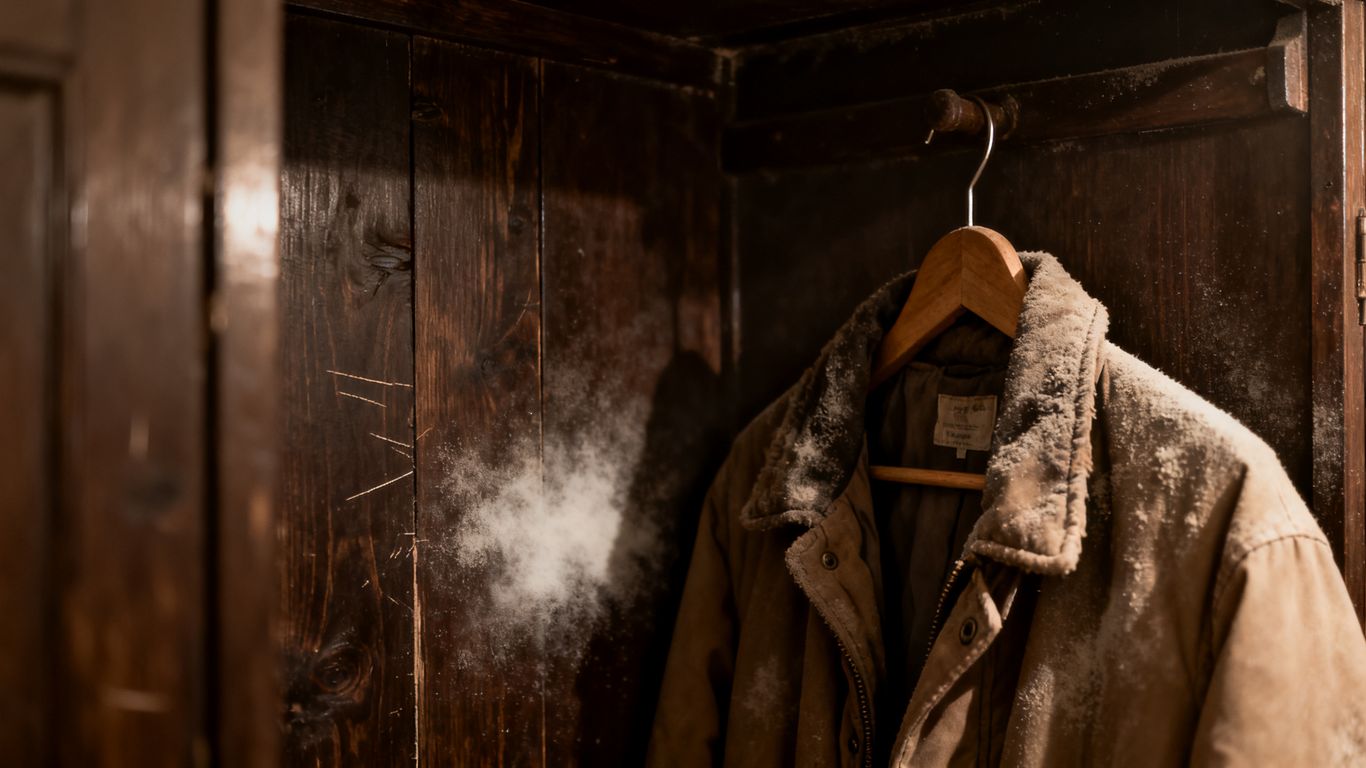
Common signs of high closet humidity
Recognizing the early signs of dampness can save your wardrobe from significant damage. Often, a persistent musty smell is the first indicator that moisture levels are too high, followed by visible dark spots on walls or leather surfaces.
How moisture damages clothing fabrics
High humidity causes fibers like wool and silk to weaken or succumb to mildew. When dampness settles into the weave, it creates an environment where spores thrive, potentially ruining favorite items beyond repair. Understanding how a dehumidifier works is a critical step in preserving garment longevity.
The role of inadequate airflow in wardrobe dampness
Stagnant air allows water vapor to linger indefinitely, leading to condensation on cool surfaces. To prevent these localized pockets of moisture, consider these effective strategies for better circulation:
- Store clothes with enough space between hangers to allow air movement.
- Use breathable storage covers rather than plastic bags.
- Avoid overcrowding the closet rail.
- Position the closet away from exterior damp walls.
- Regularly open closet doors to refresh the internal air.
Types of wardrobe dehumidifiers
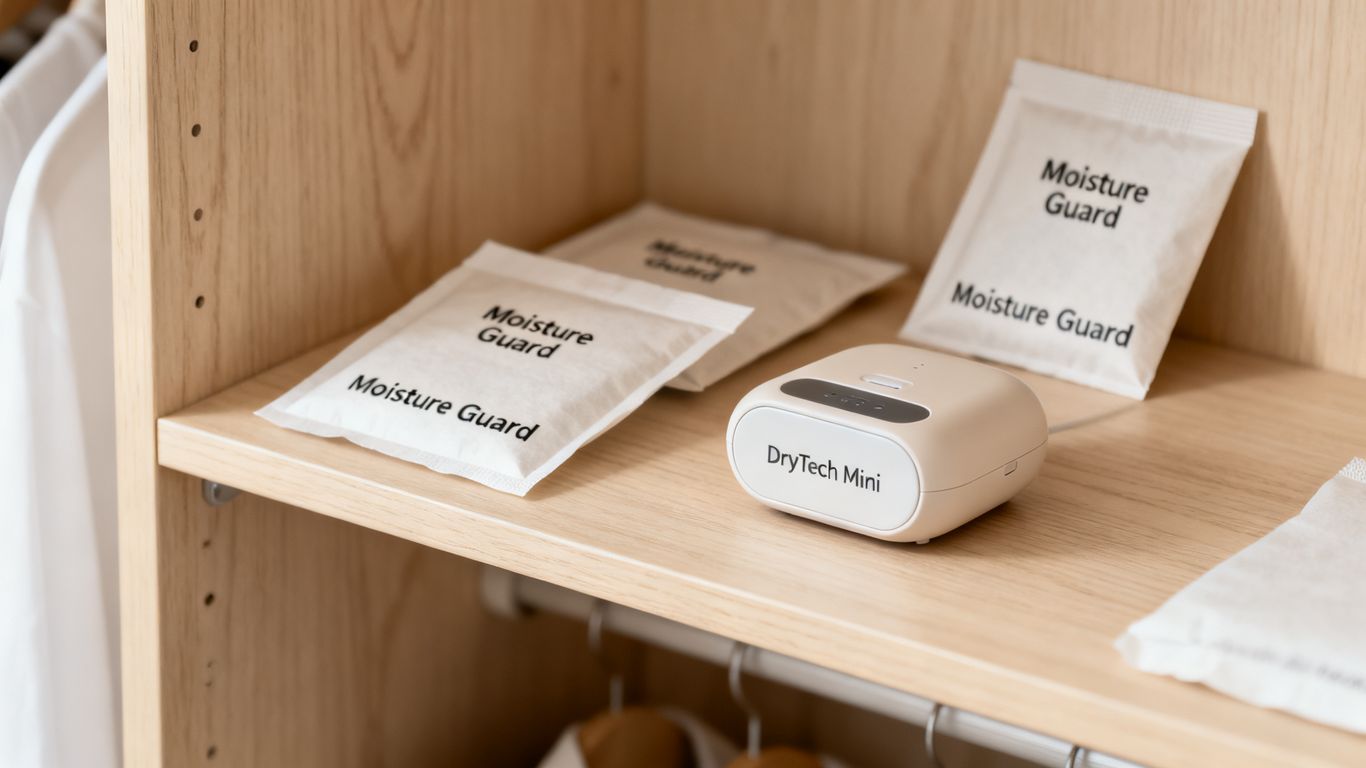
Non-electric desiccant bags
These passive devices rely on chemical agents to pull water from the air. They are ideal for tight spots where electrical outlets are unavailable.
Reusable silica gel canisters
Reusable options allow users to regenerate the drying agent through heating rather than discarding the product. This approach provides a long-term solution for those seeking cost-effective moisture management.
Compact electric dehumidifiers for closets
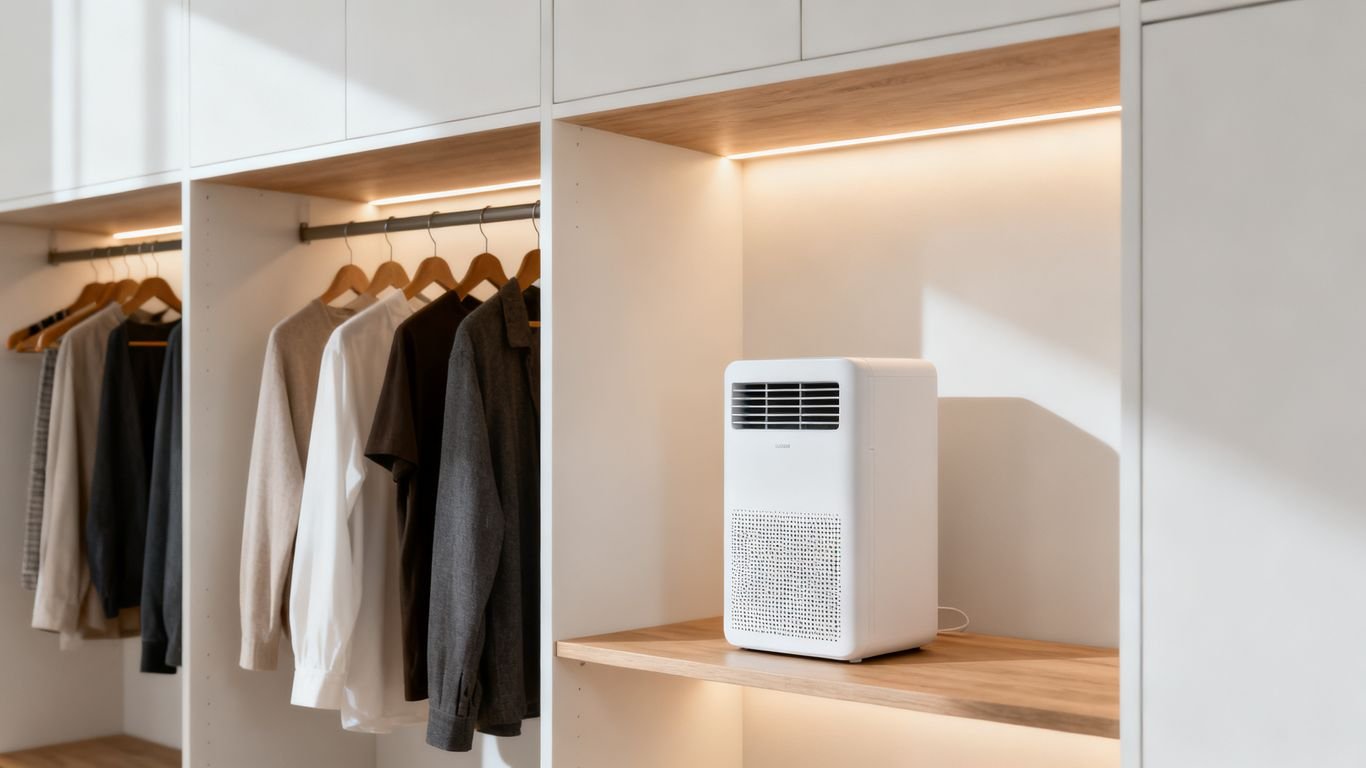
For more persistent issues, motorized units offer an active approach to moisture removal. While these units require power to operate, they effectively circulate and dry the ambient air rapidly.
| Feature | Desiccant Bag | Electric Unit |
|---|---|---|
| Power Req | None | Required |
| Capacity | Low/Limited | Moderate |
| Longevity | Short-term | Permanent |
These automated systems often outperform passive methods in high-humidity zones where rapid extraction is required to avoid saturation.
Choosing the right solution for your space

Assessing the size of your wardrobe
The volume of your closet determines whether a single hanging bag or a powered unit will suffice. Large, walk-in styles often benefit from specialized equipment, while small cabinets require compact placement.
Matching moisture capacity to local climate
In especially humid regions like Singapore, one might need a robust system that can handle constant exposure to water vapor. Devices like the Aerofy DualCore 20 are engineered specifically for these challenging tropical conditions, focusing on efficiency and thorough air treatment.
Disposable versus permanent design options
Choosing between disposable and permanent models depends on your maintenance preferences. For frequent travelers, a Selleys dehumidifier provides a convenient disposable way to keep small spaces dry, whereas permanent fixtures require fewer replacements.
Proper placement and installation tips
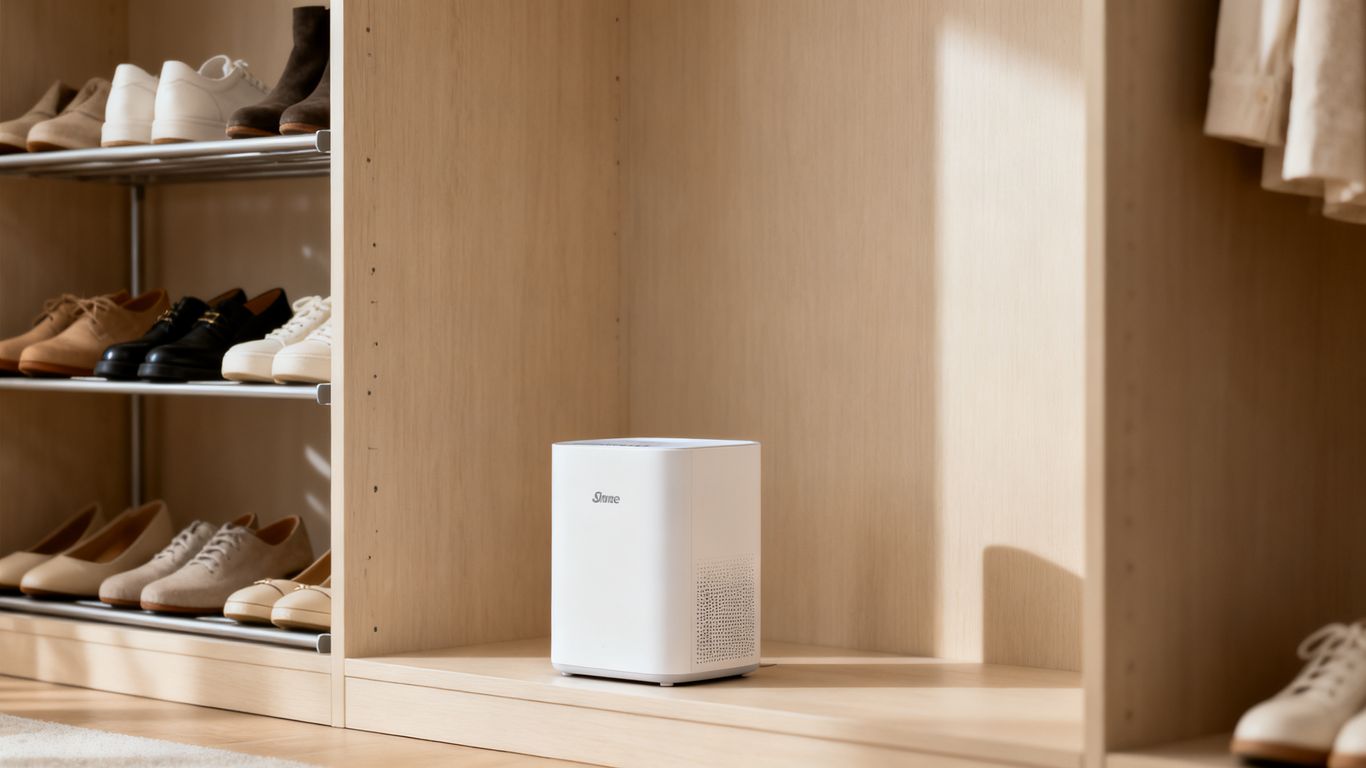
Where to hang or place dehumidifiers
Strategic placement ensures the device interacts with the largest volume of air possible. Avoid hiding units behind stacks of clothes or boxes, which blocks their primary intake paths.
Ensuring proper air circulation around units
Air flow is the foundation of effective moisture control. Even the most powerful unit, such as an Aerofy DualCore 20, requires clear space to intake air and expel dried output effectively.
When to position units near the floor versus top shelves
Moisture often settles toward the bottom of dark spaces, making floor-level placement ideal for capturing dampness. Top-shelf placement works better when using products designed to distribute moisture-absorbing agents evenly through the closet space.
Maintenance and replacement schedules
Identifying when desiccant bags are full
Most indicator packets change color when saturated, providing a clear visual cue that the product has reached its capacity. Regular checking ensures your space is always protected.
Regenerating silica gel beads
Users can often restore capacity by carefully heating the beads to release trapped water, extending the unit’s lifespan significantly.
Safely disposing of accumulated liquid
Always follow manufacturer instructions when discarding liquid from a full unit. Handling instructions are vital to ensure user safety and compliance with your Privacy Policy, which may inform how you manage home maintenance services.
Additional strategies for mold and mildew prevention
Improving ventilation in closed spaces
Simple habits like leaving closet doors open when the home is unoccupied can prevent the buildup of stagnant air. Natural air movement remains your best first line of defense.
Selecting the best fabrics for moisture-prone environments
Opting for synthetic blends or high-performance fabrics in humid climates minimizes the risk of mold growth compared to organic materials that retain moisture easily.
When to seek professional mold remediation
If you discover widespread discoloration or persistent health symptoms linked to your closet, professional intervention is necessary to identify hidden sources of dampness.
Conclusion
Maintaining a dry wardrobe environment requires a consistent combination of passive and active interventions. By monitoring your space and utilizing specialized tools such as the Aerofy DualCore 20, you can effectively prevent damage and keep your clothing fresh, regardless of the outdoor climate.
Frequently Asked Questions
How often should I check my closet humidity?
Checking weekly is ideal, especially during heavy rain or humid seasons, to catch moisture buildup before it leads to visible mold.
Will a dehumidifier eliminate existing mold smell?
Yes, by removing the excess water that mold needs to thrive, these devices stop the proliferation of spores and gradually clear out musty odors.
Can I use a dehumidifier in a tiny cabinet?
Compact units are perfectly suited for small cabinets if they are designed for micro-space operation and have enough air intake to prevent overheating.
Do dehumidifiers affect my skin or health?
Maintaining a healthy humidity level between 30% and 50% can actually improve home comfort and reduce allergy triggers like dust mites.
What happens if a desiccant bag leaks?
Leaked contents can damage surfaces due to their salt-heavy composition, so it is important to place bags on stable, non-porous surfaces or within protective trays.
Is electricity consumption high for closet units?
Smaller units meant for wardrobes typically use very low amounts of energy, making them efficient even if they run continuously.
How long does a typical absorber last?
Duration depends on the local humidity, but most standard bags last between two to four months before requiring replacement.
Order Your Dehumidifier Today
If you are ready to stop fighting dampness, Buy Now to explore our latest moisture control solutions designed to keep your home environment comfortable and your wardrobe protected.