Key Takeaways
Keeping your home environment balanced is critical in the tropics, where high humidity can compromise your belongings and comfort.
- A dehumidifier rod prevents mold and mildew by gently raising the local temperature to discourage moisture accumulation.
- Unlike disposable packets, these rods offer a permanent, maintenance-free solution for enclosed spaces.
- Installation requires careful attention to placement to ensure even heat dispersion and safety for delicate fabrics.
- Always calculate your required wattage based on the specific volume of your wardrobe or storage cabinet.
- Regularly auditing your relative humidity levels helps verify that the rod is functioning effectively for your needs.
Understanding why a dehumidifier rod is essential in Singapore
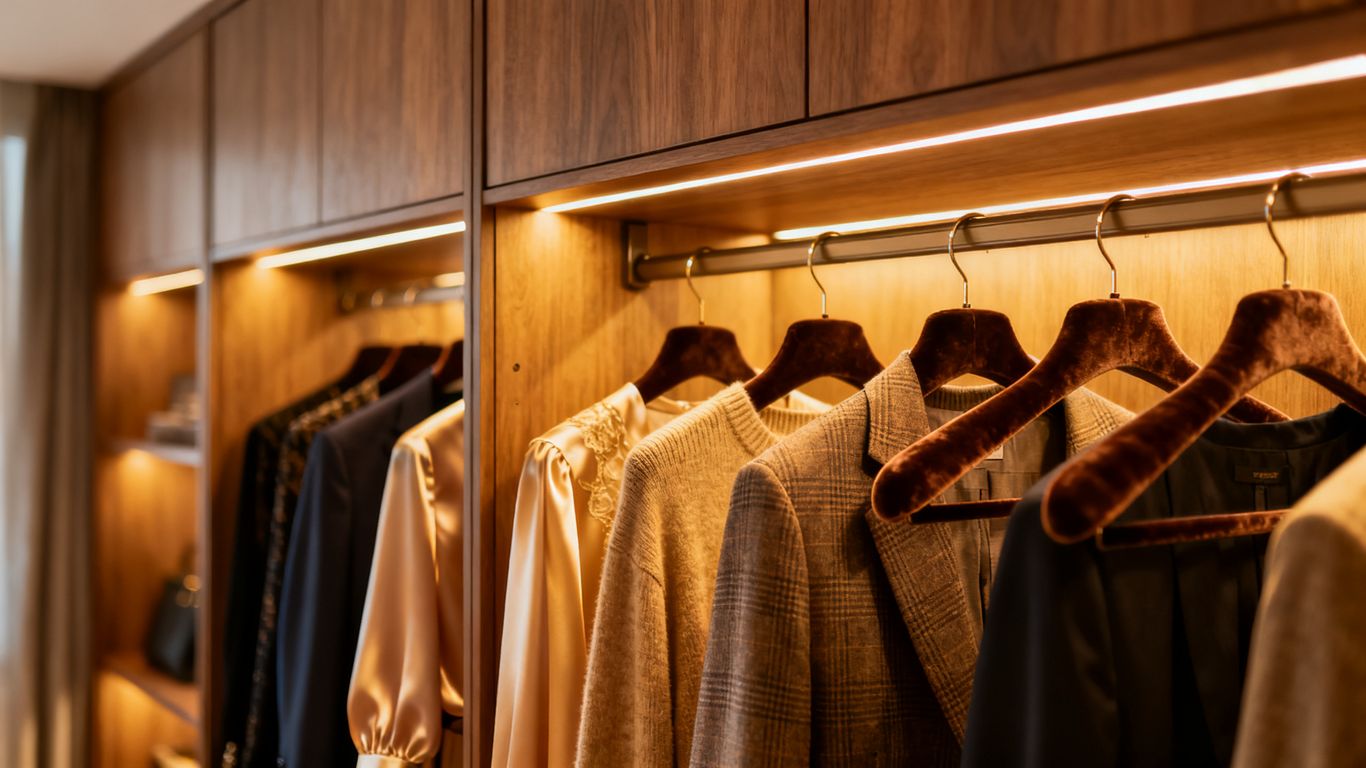
In Singapore, the near-constant high humidity can turn a standard wooden wardrobe into a breeding ground for mold, mildew, and musty odors that linger in your fabrics. While many residents turn to [26a9] to keep their belongings fresh, localized moisture control remains a persistent challenge for enclosed areas. A dehumidifier rod serves as a simple, passive climate control device specifically engineered to protect these sensitive spaces.
The impact of high humidity on sensitive belongings
High vapor pressure forces dampness into fabrics, leathers, and even sensitive electronics, causing irreparable degradation over time. This process is accelerated in the tropics, where the combination of heat and humidity damages organic fibers and promotes biological growth like fungi and dust mites.
How a dehumidifier rod differs from disposable moisture absorbers
Disposable moisture absorbers rely on chemical desiccants that eventually saturate and require messy replacements. In contrast, a heater rod provides a consistent, maintenance-free moisture removal method by reducing the relative humidity in small, semi-sealed storage environments through low-wattage heat.
Ideal climates and storage spaces for using dehumidifying rods
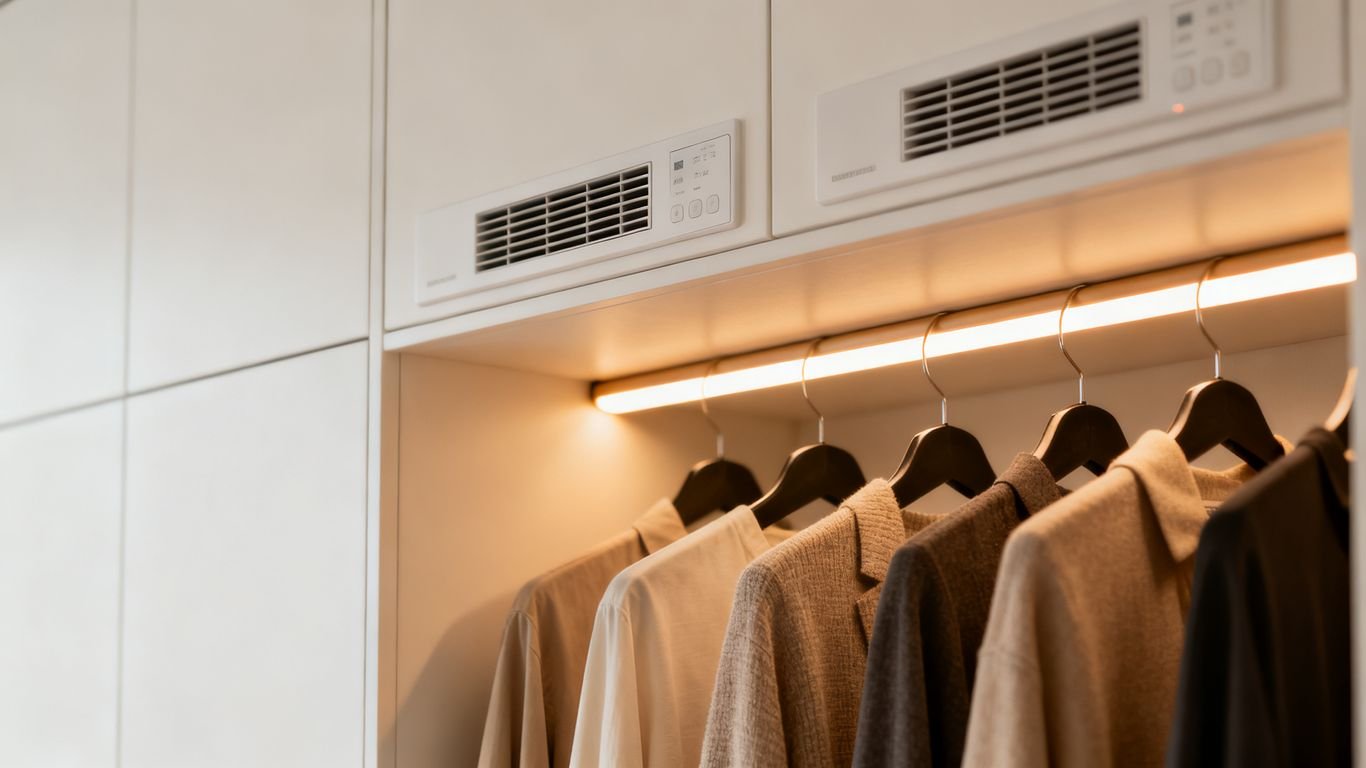
These devices are best suited for confined areas where static air creates pockets of dampness. Common applications include shoe cupboards, safes, kitchen cabinetry, and large walk-in wardrobes where natural airflow is limited.
How dehumidifier rods work
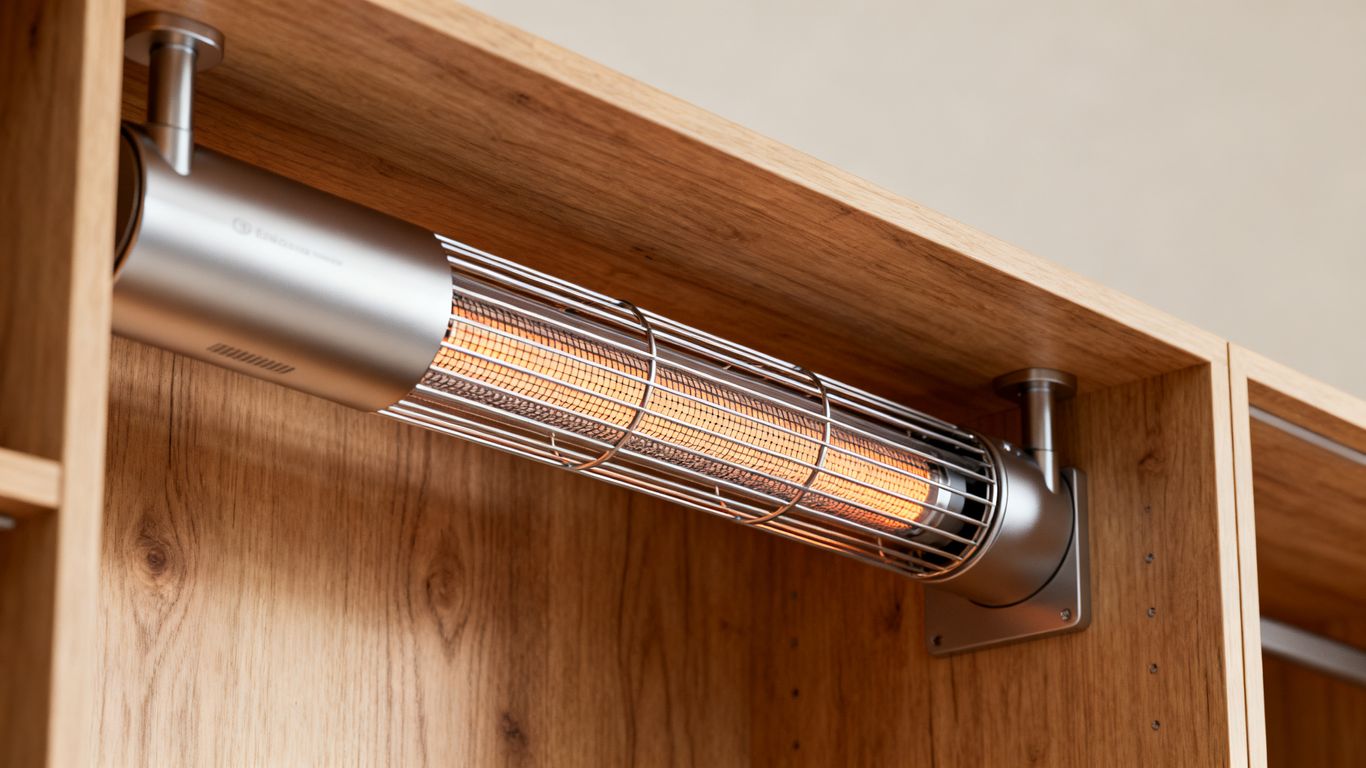
At their core, these rods function through basic thermodynamics to interrupt the conditions required for condensation. By maintaining a slightly elevated temperature, the rod prevents air from reaching its dew point, effectively keeping contents dry without the need for complex internal components found in larger household appliances like the Aerofy DualCore 20, which uses a rotary compressor to manage moisture levels across an entire room.
The heating element and effective heat dispersion
Inside the metallic casing sits an element that generates steady, low-intensity heat. This radiant heat travels through the casing and disperses into the immediate air, creating a micro-environment that is inhospitable to moisture accumulation.
Why constant low heat prevents mold and mildew growth
By keeping the temperature of the air and surfaces within the cabinet marginally higher than the surrounding room, the rods prevent excessive moisture effectively from forming on cool, stored items. This prevents the primary trigger for mold spore germination.
Energy efficiency and power consumption considerations
Because they operate on a low wattage, these rods are extremely energy-efficient for 24/7 use. Their minimal power draw makes them a cost-effective guardian for expensive leather goods or electronics.
Best practices for installing your dehumidifier rod
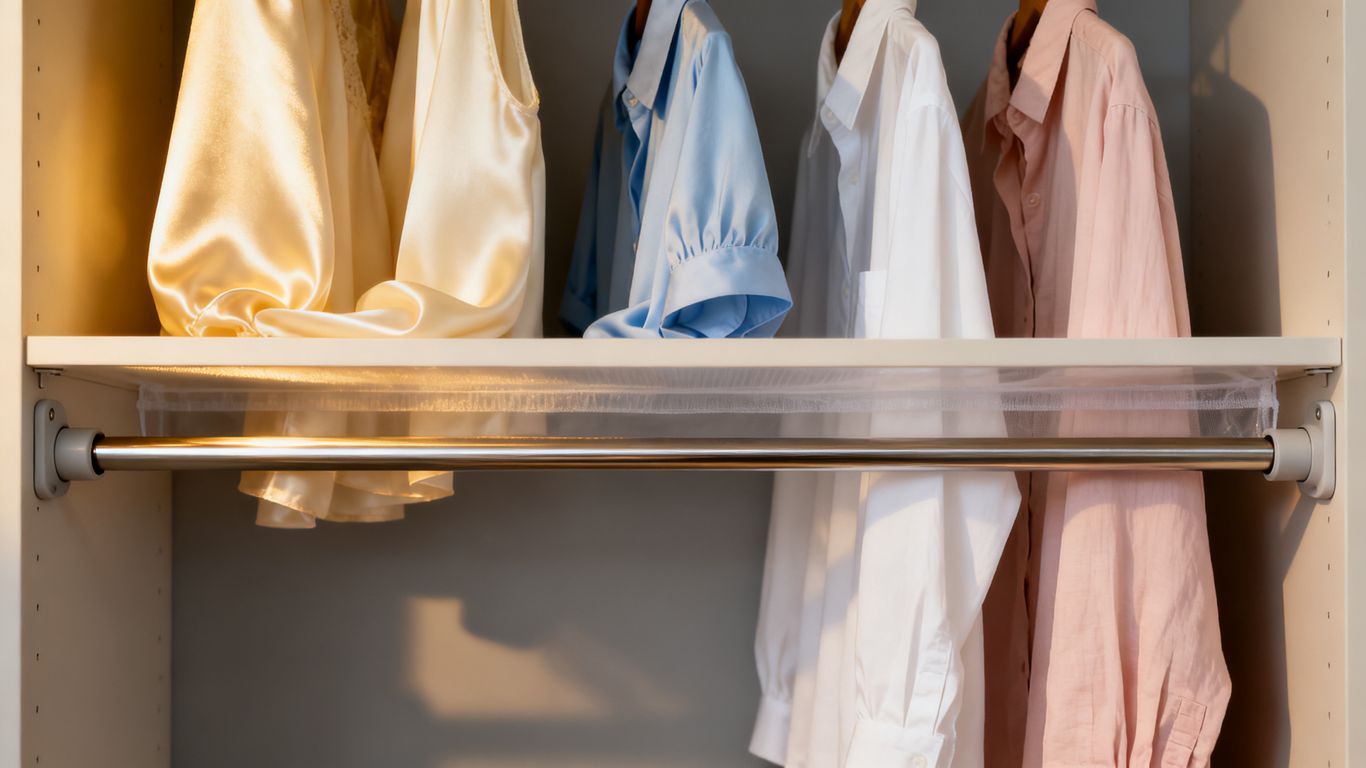
Proper setup is necessary to maximize the coverage area and ensure your unit does not pose a fire risk to nearby materials. Strategic installation transforms the device from a mere heating element into an integrated system that protects your investment in quality clothing and storage.
Strategic placement within wardrobes and cabinets
For the best results, install the rod as low as possible in the enclosure. Because warm air naturally expands and rises, placing the rod at the base allows the heat to circulate throughout the entire vertical space of the wardrobe.
Safety clearance and heat protection for delicate materials
Maintain a minimum clearance of at least 5-10 centimeters from fabrics or plastic items. While the surface temperature is typically safe, avoiding direct contact prevents any risk of discoloration or minor singeing on synthetic materials.
Managing proper ventilation versus sealed cabinet setups
While total sealing is not required, minimizing gaps helps the rod work efficiently. If you are fitting a rod into a large space, follow these installation steps:
- Measure the total interior volume of your cabinet to determine the appropriate length.
- Mount the rod securely using the provided brackets to prevent it from rolling.
- Place the unit near the bottom of the cabinet, avoiding contact with hanging garments.
- Ensure loose electrical cords are secured away from high-traffic zones.
Following these steps ensures that the device creates a consistent thermal blanket across your stored items.
Key features to look for when buying in Singapore
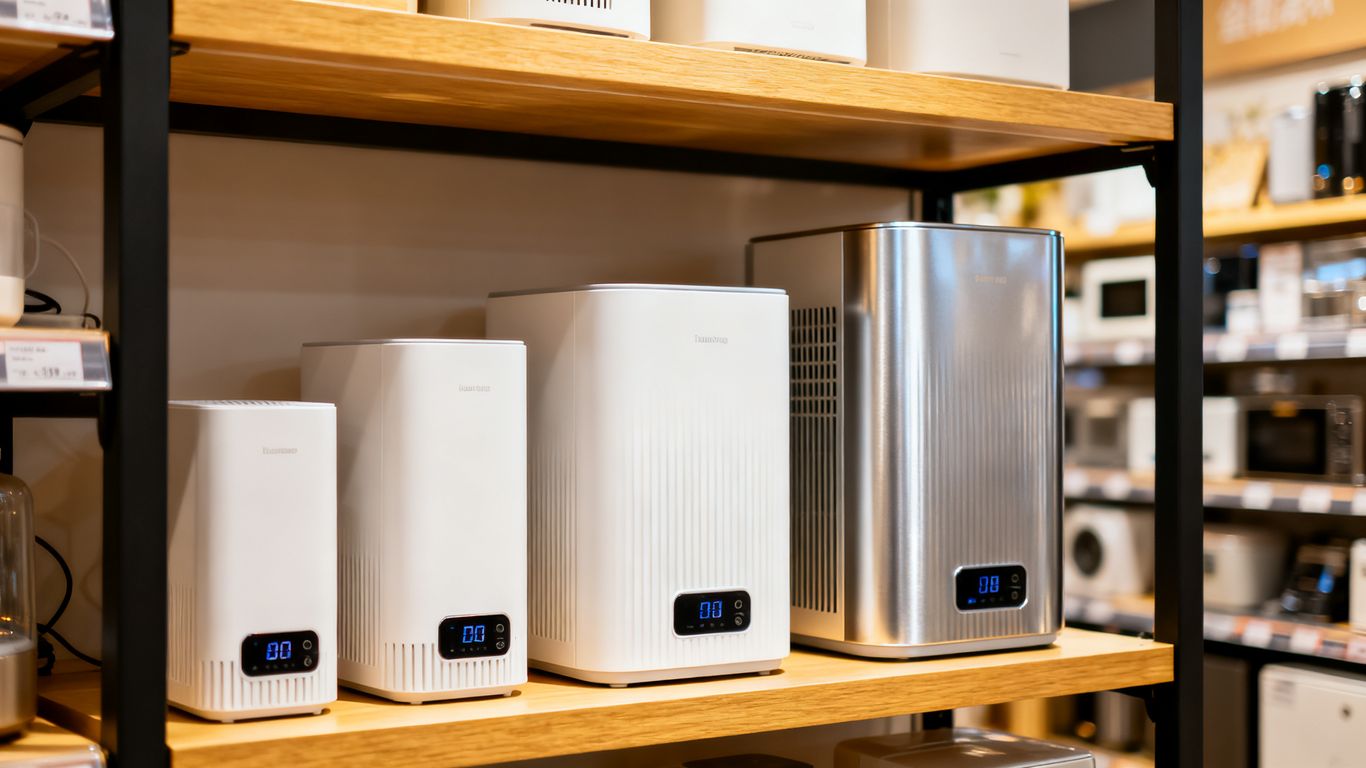
When you buy your unit in local markets, you will find a variety of options ranging from 12 to 36 inches in length. Choosing the right device, perhaps by exploring options from Aerofy or other reliable manufacturers, ensures you don’t overspend on power for a small closet.
Assessing wattage requirements based on enclosure volume
Wattage must be proportional to your storage volume; too low and humidity stays high, but too high wastes energy. A standard sizing chart helps guide your purchase decision.
| Rod Length | Typical Wattage | Recommended Enclosure |
|---|---|---|
| 300mm | 9W | Small Drawer / Safe |
| 600mm | 22W | Standard 2-Door Wardrobe |
| 900mm | 32W | Large Walk-in Closet |
You should always check the manufacturer label to match the wattage against your specific interior dimensions to ensure consistent moisture management.
Material durability and heat dissipation design
Opt for units using high-grade, powder-coated metals that resist oxidation. The outer shell should feature a safety mesh that allows for efficient heat flow while preventing direct contact with flammable items.
Comparing popular brands and models available locally
When surveying the market, consider models like the OleeRod for their long history and warranty support, or generic alternatives that focus on core performance. Balancing design with manufacturer trust is key for 24/7 appliances.
Maintenance and safety tips for residential use
Taking care of your rod ensures it continues to provide a reliable, safe moisture solution for years. Since these units are designed to run continuously, they are built for minimal intervention but still require basic care.
Periodic cleaning and dust removal for optimal efficiency
Over time, fine dust can settle on the rod casing and potentially become a fire hazard or reduce heat output. Wipe the surface down with a dry cloth every few months while the device is unplugged and cool.
Monitoring ambient humidity levels after installation
Use an inexpensive digital hygrometer kept inside your storage unit to verify that humidity stays under 60%. If levels remain high, you may need a higher wattage rod or better airflow management.
Essential safety precautions to avoid overheating hazards
Always check for frayed cords and ensure the mounting brackets are stable, as loose units can fall. If you notice any unusual burning smell or discoloration on the unit, disconnect power immediately and contact the manufacturer, especially if your unit is an Aerofy or similar regulated product.
Conclusion
By integrating a dehumidifier rod into your home maintenance routine, you protect your wardrobe against the persistent challenges of tropical moisture. This simple technology provides peace of mind, ensuring that your clothing and valuables remain pristine, dry, and free from the damaging effects of humidity, effectively extending their lifespan without requiring constant human attention.
Frequently Asked Questions
Can I use a dehumidifier rod in a walk-in wardrobe?
Yes, but you may need to use multiple rods or a high-wattage model to ensure that air is properly warmed and circulated throughout the entire space.
How long can I leave the rod turned on?
These rods are designed for 24/7 operation and should remain powered on continuously to maintain a stable, dry micro-climate inside your cabinets.
Does the rod need to be turned off in the dry season?
While humidity levels may drop, it is generally recommended to keep the rod on to ensure that any trapped dampness is continuously managed regardless of the weather outside.
Will the heat from the rod warp my wooden furniture?
Modern rods operate at a low, regulated temperature that is specifically safe for standard wooden furniture, as it only raises the internal heat by a few degrees.
Is it safe to leave electrical items near the rod?
It is perfectly safe to store electronics like cameras or laptops near the rod, as the gentle heat actually prevents condensation that would otherwise damage sensitive internal components.
How will I know if my dehumidifier rod is working?
The most reliable way is to place a small hygrometer inside the storage space and track the humidity reading over a week compared to the outside room.
Does the rod eliminate existing mold?
No, the rod prevents new mold from forming by removing moisture, but existing mold should be scrubbed and cleaned thoroughly before you install the rod.
Enhance Your Space Today
If you are ready to stop fighting dampness, buy your unit now and experience the difference that professional moisture control makes in your home storage. Our recommended solutions are purpose-built to handle Singapore’s unique climate requirements effectively.