
Key Takeaways
Controlling indoor moisture is essential for protecting your home’s structural integrity and your health in humid climates.
- Identify the best technology for your local humidity levels to ensure efficient water removal.
- Match the pint capacity of your device to the specific square footage of your rooms.
- Maintain consistent airflow by avoiding blocking the unit’s intake and exhaust ports.
- Clean internal air filters every few weeks to prevent dust buildup and performance loss.
- Use modern features like automatic shutoff to manage power usage without constant supervision.
Understanding different types of dehumidifier units
Compressor-driven models
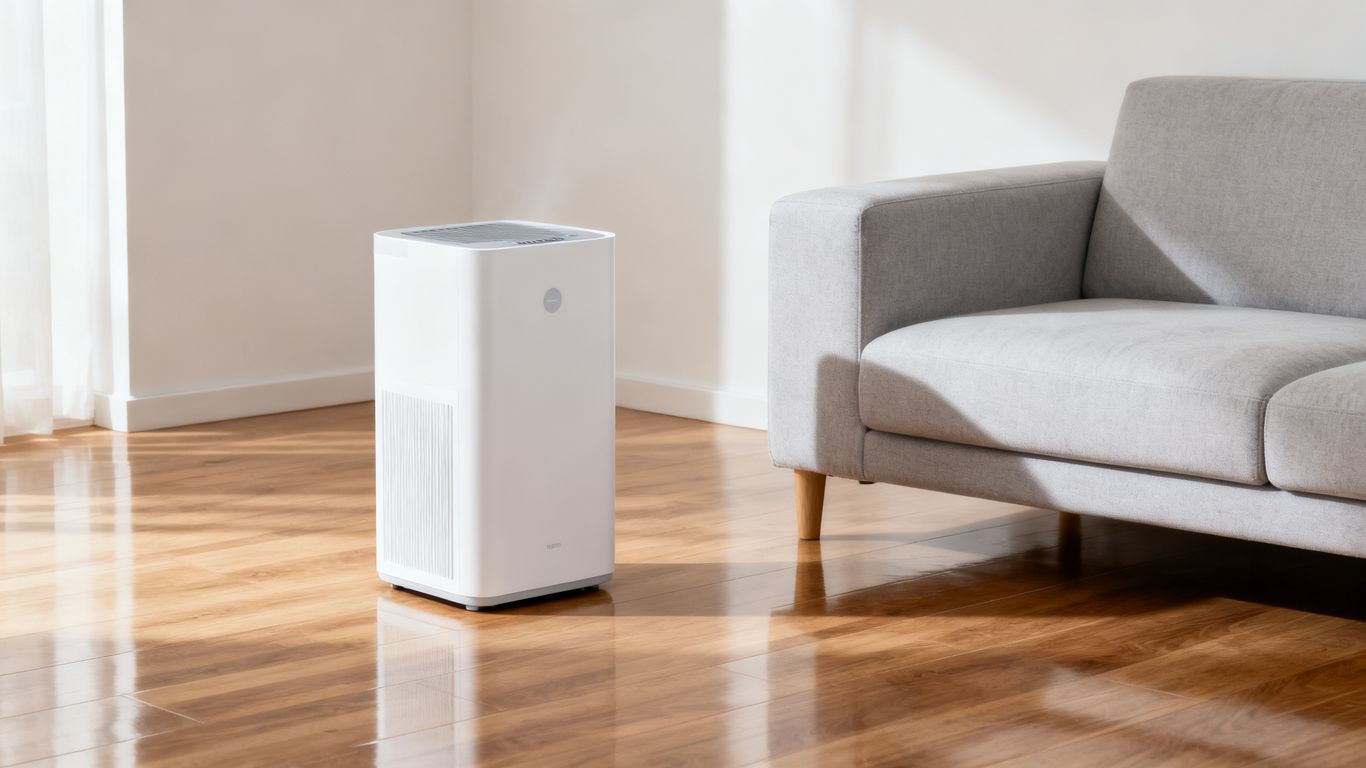
These units function similarly to refrigerators, cooling their internal coils to condense moisture from the passing air. They are highly effective in warmer environments where high humidity levels are constant, making them a staple for tropical living. The Aerofy DualCore 20, for instance, utilizes a high-efficiency rotary compressor to handle heavy moisture loads common in Southeast Asian homes.
Desiccant dehumidifiers
Unlike their compressor-based counterparts, these units use a moisture-absorbing desiccant material to remove humidity from the air. They are quiet, vibration-free, and excel in cooler temperatures where refrigerant systems might struggle with frost. Many homeowners choose this desiccant dehumidification approach when they need subtle, consistent moisture control in spaces that do not require intense cooling.
Whole-house vs. portable systems
Choosing between a whole-house installation and a portable appliance depends on whether you need targeted moisture removal or broad environmental stability. While whole-home systems integrate directly into your HVAC infrastructure, portable units provide flexible, room-specific adjustment for areas like basements or bedrooms. Understanding the difference between portable units and built-in systems allows you to match the equipment to your specific living layout and humidity needs.
How to calculate the right capacity for your space
Assessing square footage
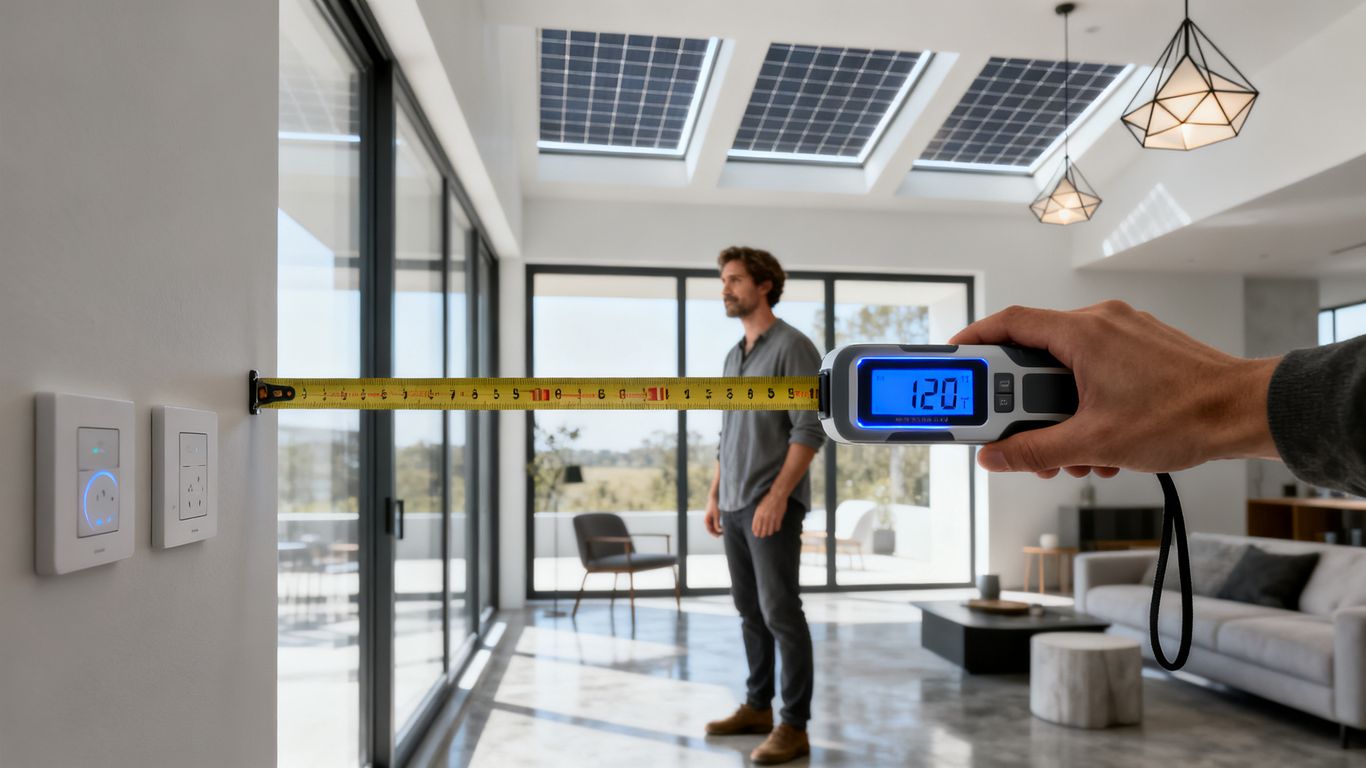
The physical size of your room is the primary indicator for the extraction power needed to keep air dry. A unit rated for a small bedroom will fail to move the needle in a large open-plan living area, leading to unnecessary energy waste. To determine the correct pint capacity, assess the specific square footage to ensure your appliance can cycle the volume of air effectively within your home environment.
Identifying moisture levels in the room
Different spaces possess varying degrees of humidity, particularly if they are near moisture-generating zones like bathrooms or laundry areas. A Santa Fe Compact70 Dehumidifier might be necessary for extremely damp basements, while less aggressive units suffice for well-ventilated rooms. Keeping track of daily moisture levels helps you avoid purchasing an underpowered device that runs continuously without achieving effective results.
Considering ceiling height and ventilation
Volume, rather than just floor space, determines how much moisture-laden air your dehumidifier needs to process. Higher ceilings mean more air volume, requiring a more powerful air dehumidifier to maintain ideal levels. When reviewing capacity needs, consider these factors in the comparison table below:
| Room Condition | Expected Humidity | Target Capacity (Pints) |
|---|---|---|
| Damp Basement | High | 50-70 |
| Moderate Bedroom | Medium | 20-30 |
| Open Living Area | Low to Medium | 30-50 |
Selecting a unit that aligns with these metrics ensures better durability and lower operational overhead throughout the year.
Optimal placement for maximum humidity control
Positioning in basements and crawl spaces
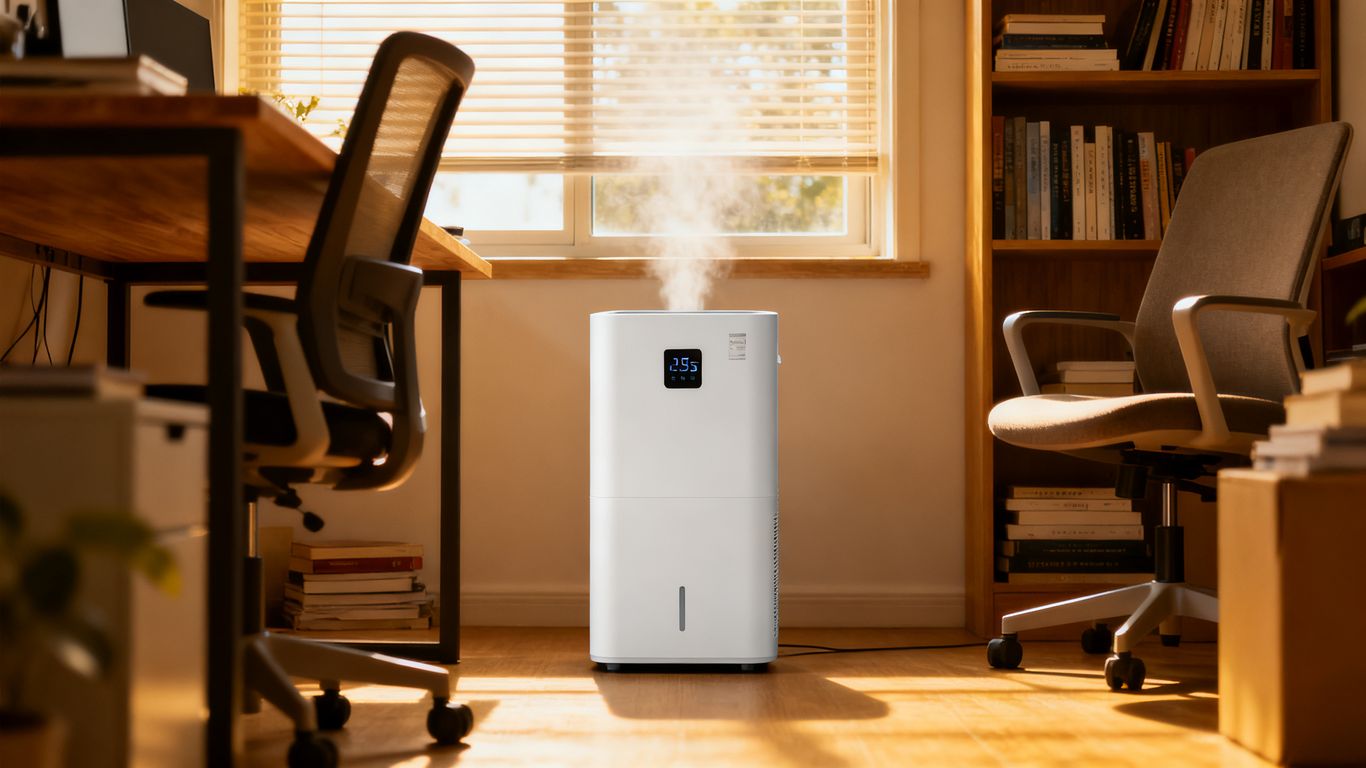
Basements and crawl spaces remain primary hotspots for moisture, often requiring dedicated air management to prevent microbial growth. If you are struggling with these areas, whole house dehumidifier systems can provide the continuous, high-volume performance necessary for these challenging environments.
Improving airflow around the unit
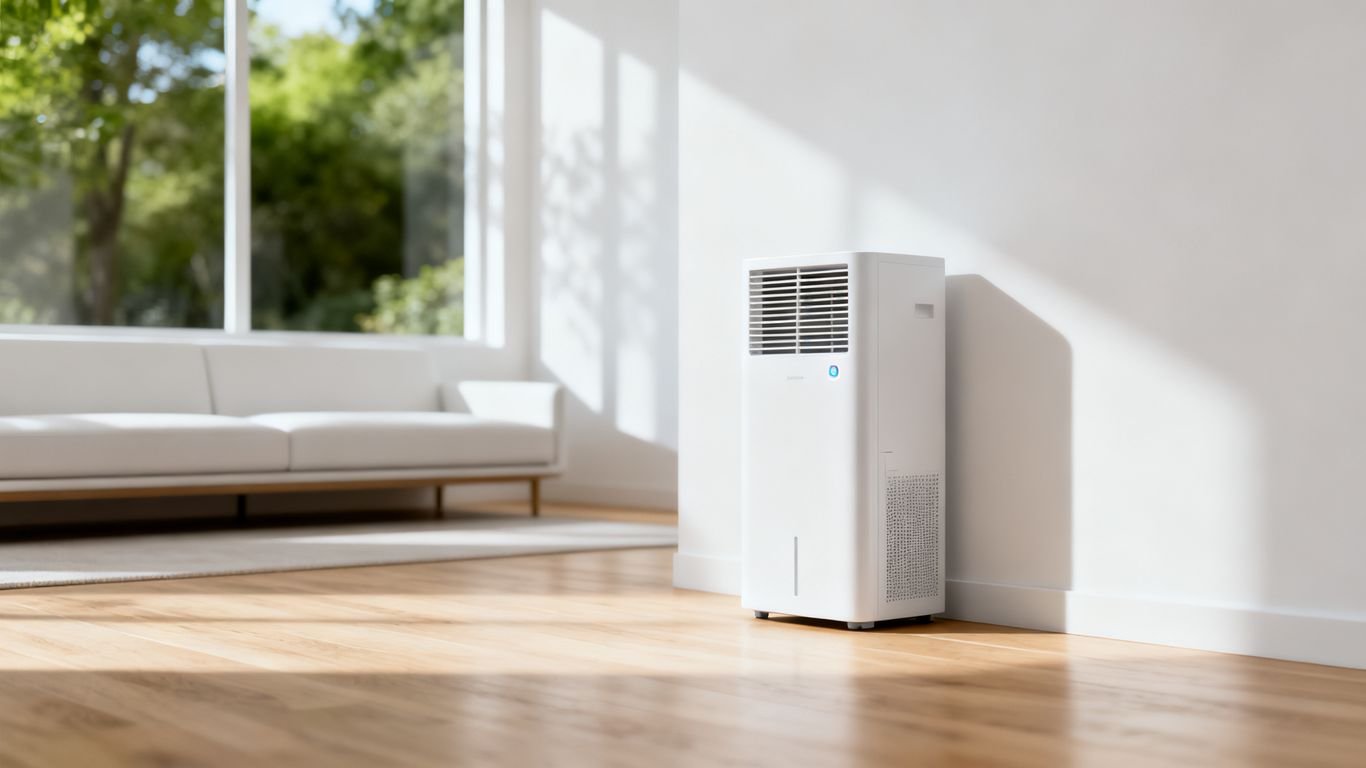
Positioning matters as much as the internal engineering of the Aerofy DualCore 20 when it comes to performance. You should always ensure a clear path for air intake and exhaust, which means keeping furniture or walls at least thirty centimeters away from the vents. For optimal efficiency, consider these arrangement steps:
- Clear the area around the unit of bulky items that restrict air movement.
- Place the device in a central location within the room whenever possible.
- Keep the unit on a flat, stable surface for consistent machine operation.
- Avoid blocking the front-facing sensor grid to maintain accurate humidity readings.
These practices protect your appliance from overheating and keep the internal circulation consistent for your daily needs.
Avoiding proximity to heat sources
Placing your device too close to radiators, heat registers, or direct sunlight forces the compressor to struggle against excessive intake temperatures. Instead, try to keep the unit in a stable environment where it can focus on removing humidity without fighting unnecessary heat fluctuations.
Essential features to look for in a modern unit
Built-in humidistats and auto-shutoff
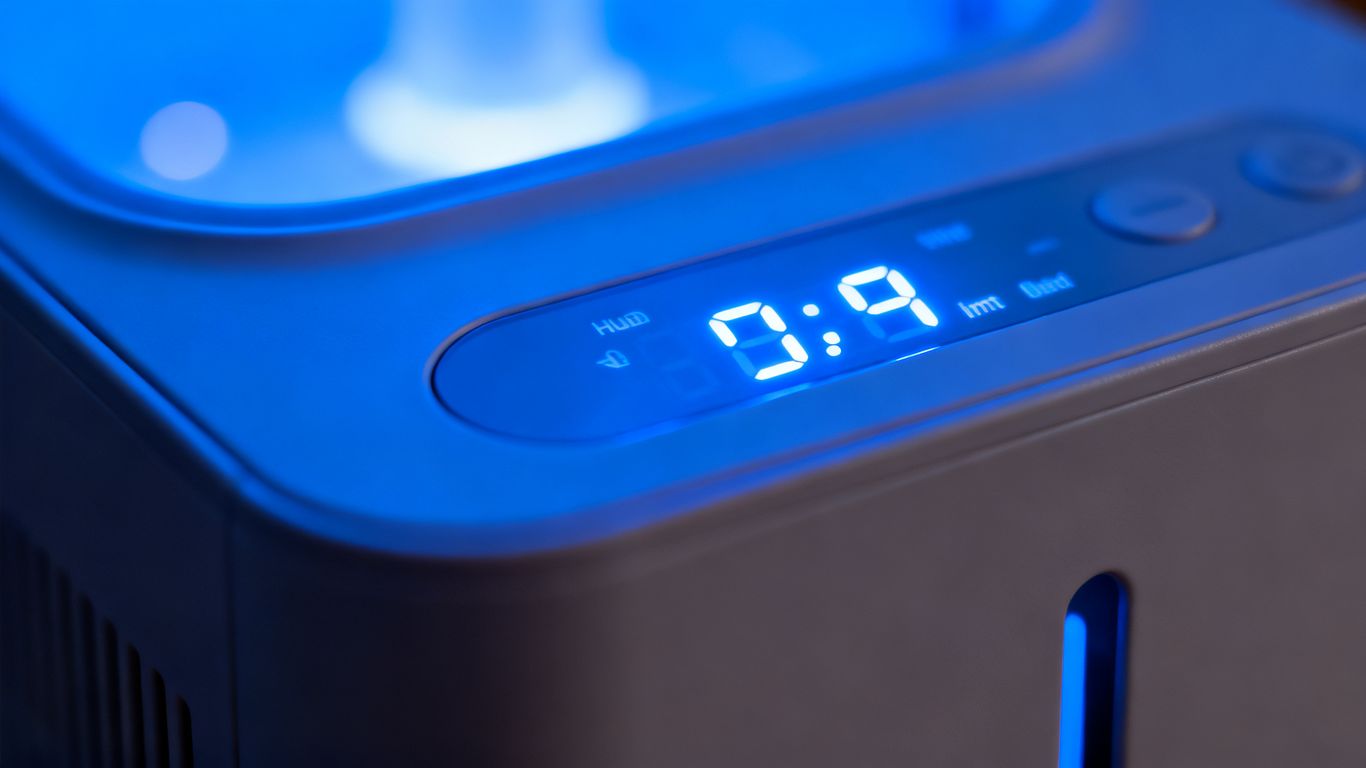
A precise humidistat is the brain of your device, allowing you to set a target humidity level rather than guessing. When the target is reached, automatic shutoff prevents the unit from wasting energy, which is a critical feature when choosing an energy-saving dehumidifier for smaller living spaces.
Continuous drainage options
Manually emptying a heavy water bucket daily can become tiresome, especially in highly humid climates. Advanced units offer a continuous drainage port, which allows you to attach a hose and pipe the water directly toward a floor drain, providing a truly set-and-forget experience.
Energy Star certification and efficiency ratings
Because dehumidifiers may need to run for extended periods, selecting an energy-efficient model is a smart way to manage utility costs. Look for certified efficiency ratings that guarantee the motor is engineered to extract maximum moisture using minimal electricity, which is standard for high-quality, locally engineered air solutions.
Best practices for routine maintenance
Cleaning and replacing air filters
Dust and debris are the enemies of good performance, often clogging the internal mechanics and restricting airflow. Regular cleaning of the filter is mandatory for maintaining the device’s lifespan and ensuring the HEPA filtration (if equipped) works to improve overall house air quality.
Managing the water bucket or drainage hose
If you use the onboard water tank, inspect it periodically to ensure there is no mildew accumulation near the float valve. Proper hygiene in this reservoir keeps your air fresh and ensures the auto-shutoff mechanism remains sticky or clogged, preventing potential overflows.
Managing coil frosting and defrost cycles
In colder conditions, moisture can turn to ice on the cold refrigerant coils, which inhibits the machine’s ability to function. Routine maintenance ensures that your defrost cycles work correctly, allowing the unit to clear that ice buildup automatically so you do not have to intervene during extreme temperature swings.
Regular upkeep significantly extends the operating life of your system, ensuring your home protection remains consistent throughout the intense periods of tropical humidity challenges that we face.
Maintaining units like the Aerofy DualCore 20 ensures you avoid frequent service calls and enjoy cleaner air year-round.
Conclusion
Selecting the right system for your home involves balancing capacity with the unique environment of your living space. By focusing on proper placement, consistent filter maintenance, and understanding the core technology within your appliance, you can effectively combat rising humidity and protect your living environment for years to come.
Frequently Asked Questions
What is the ideal indoor humidity level?
Most homeowners aim for a relative humidity between forty and fifty percent to prevent the growth of mold and keep the environment comfortable.
Can a dehumidifier replace my air conditioner?
While dehumidifiers remove excess water from the air, they do not have the cooling capacity required to function as an air conditioner and may even slightly raise the room temperature.
How often should I clean the air filter?
It is recommended to clean your air filter at least every two to four weeks depending on how much dust accumulates in your home.
Will a dehumidifier help with musty smells?
Yes, by removing the dampness in the air that feeds mold and mildew, these units are highly effective at neutralizing persistent musty odors.
Is it safe to leave a dehumidifier running 24/7?
Most modern units are designed for continuous operation and feature automatic shutoff mechanisms to ensure they operate safely when the water tank is full or the target humidity is reached.
Where is the best place to put a dehumidifier?
A central location or an area with high traffic and limited airflow is usually best, away from walls and furniture that might block the intake.
What does ‘pint capacity’ mean?
This metric refers to the total volume of water, measured in pints, that your unit is physically capable of removing from the air over a twenty-four-hour period under standard testing conditions.