Key Takeaways
Staying dry in Singapore’s tropical climate requires understanding both initial purchase costs and long-term ownership expenses to find the most efficient solution for your home.
- Entry-level dehumidifiers offer basic moisture removal for small rooms, starting at a lower price point.
- High-performance models often integrate air purification, significantly increasing the upfront cost compared to basic units.
- Electricity usage is a primary hidden cost, making energy-efficient models with higher ratings better for long-term savings.
- Official flagship stores often provide better warranty support and access to genuine parts than gray market alternatives.
- Leveraging bundle deals and seasonal promotions can bridge the affordability gap for premium, whole-home capacity units.
Average cost of dehumidifiers in Singapore
Understanding the financial range for these appliances helps when planning for a healthier home environment, as price is usually driven by internal components like the rotary compressor and the sophistication of moisture-sensing software. Investing in a unit that balances cost with performance is vital to prevent mold growth without overpaying for unnecessary features.
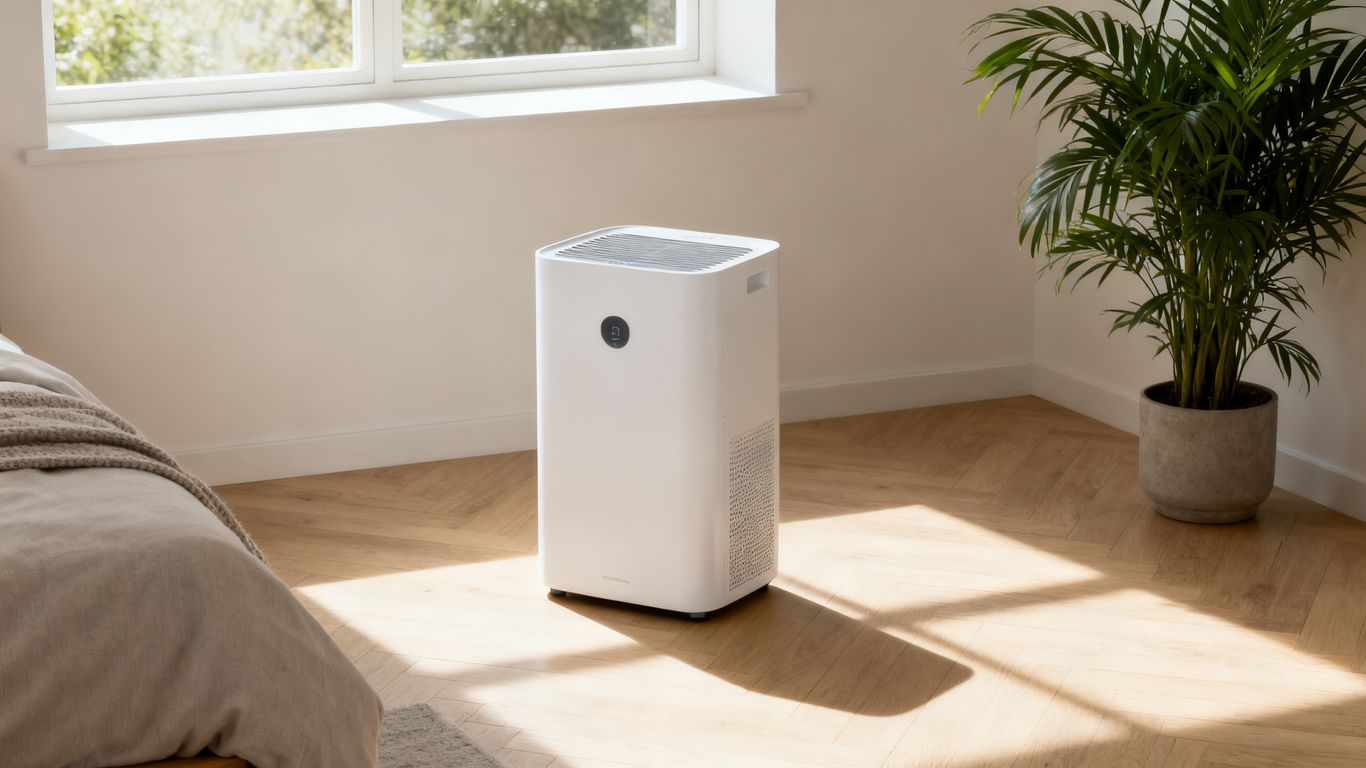
Entry-level models for small spaces
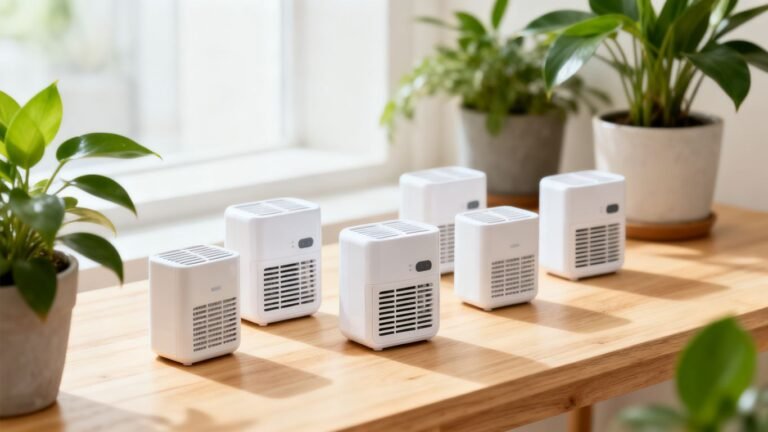
These portable units are designed for walk-in wardrobes or small bathrooms where high moisture levels cause persistent dampness. Often using thermoelectric cooling, they are affordable and compact but lack the power to handle larger, open-plan living areas effectively in our humid climate.
Mid-tier performance units for bedrooms
Moving up in price, these units feature dual-functionality (dehumidify and purify) capabilities and larger water tanks suitable for master bedrooms. You should expect to see air quality sensors that automatically adjust output based on real-time humidity levels for greater convenience.
Premium high-capacity models for whole-home use
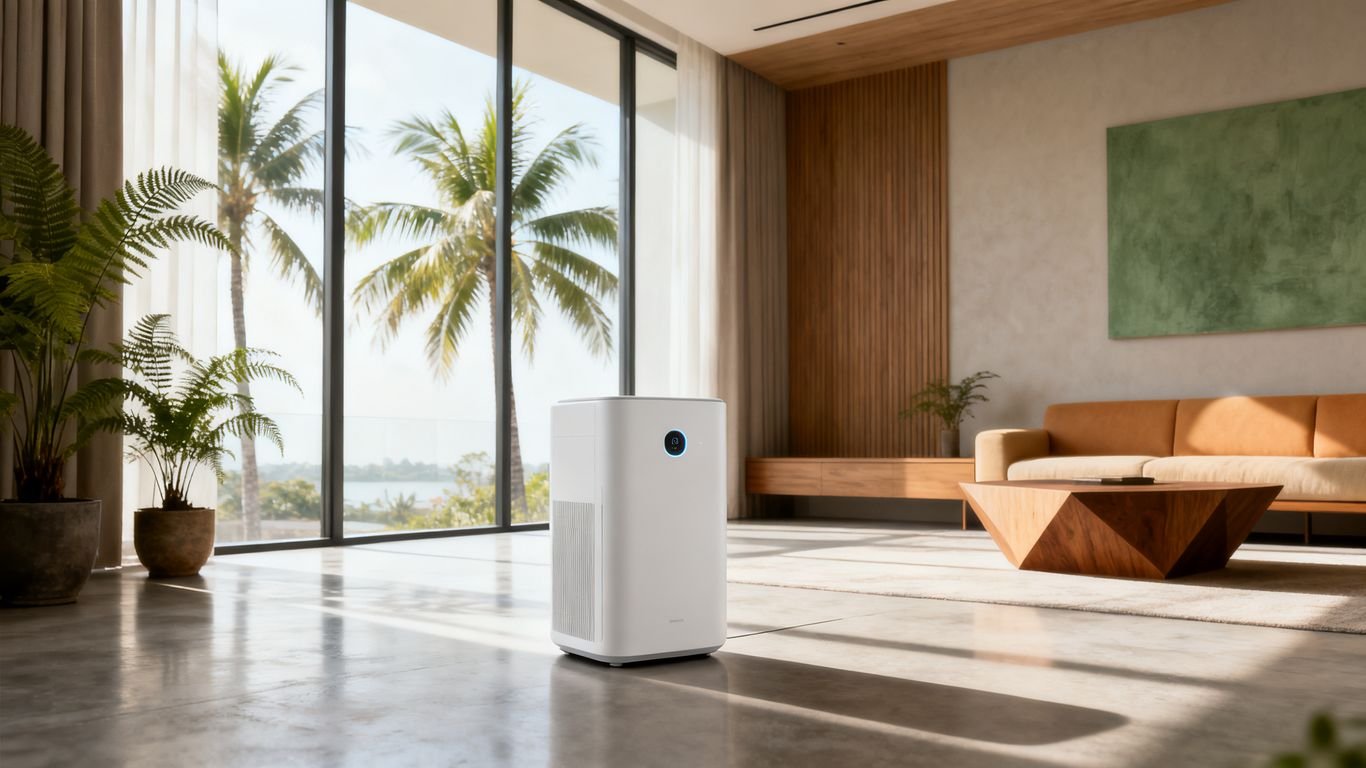
For those living in larger apartments, premium models are designed for robust moisture extraction with advanced HEPA filtration systems. These units often prioritize quiet, continuous operation and utilize more efficient components to keep your home’s humidity level stable throughout the day.
Key factors influencing dehumidifier prices
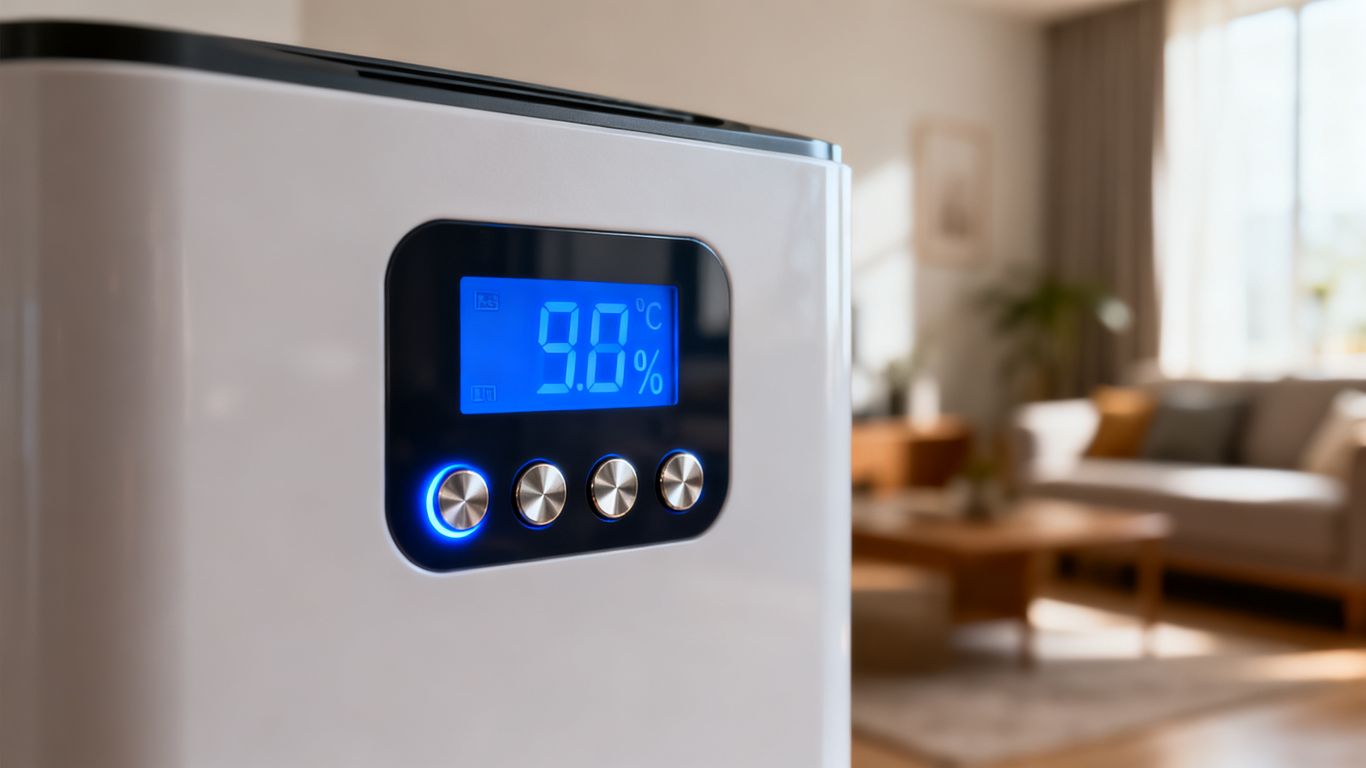
Extraction capacity and water tank size
Extraction capacity is measured by how many liters of water a machine can pull from the air daily. Units with high daily capacities naturally cost more because they require more substantial cooling coils and larger fans, while tank size affects how often you need to perform manual maintenance.
Integrated air purification and sensor technology
Many modern units now combine moisture control with indoor air quality management. The Aerofy DualCore 20 is a prime example of this engineering, as it integrates both functions into one system to save space in smaller urban homes. High-end sensors detect air impurities and humidity fluctuations while signaling the rotary compressor to adjust performance accordingly.
Smart connectivity and mobile app automation
Modern devices often include Wi-Fi modules for remote control via mobile apps. If you prioritize convenience, the ability to monitor your home’s air quality while you are at work justifies a higher entry price. Automation features can also prevent unnecessary energy draw by shutting the unit down once optimal levels are reached.
Energy efficiency ratings and electricity usage
Scenario Time: Imagine you turn on a powerful, energy-draining unit only to find your monthly bill spiked by fifty dollars. By choosing a model with high energy efficiency, you avoid this shock while running the appliance continuously to keep your home dry. Below is a comparison of typical operating costs based on efficiency groupings.
| Efficiency Rating | Typical Wattage | Annual Operation Cost Estimate |
|---|---|---|
| Basic Grade | 400W+ | High (>$150) |
| Mid-Range Efficiency | 250W – 350W | Moderate ($80 – $140) |
| Energy Star Certified | < 200W | Low (<$70) |
These estimates demonstrate why the initial dehumidifier singapore price should be viewed alongside long-term operating efficiency to ensure the most cost-effective ownership experience.
Where to buy dehumidifiers for the best price
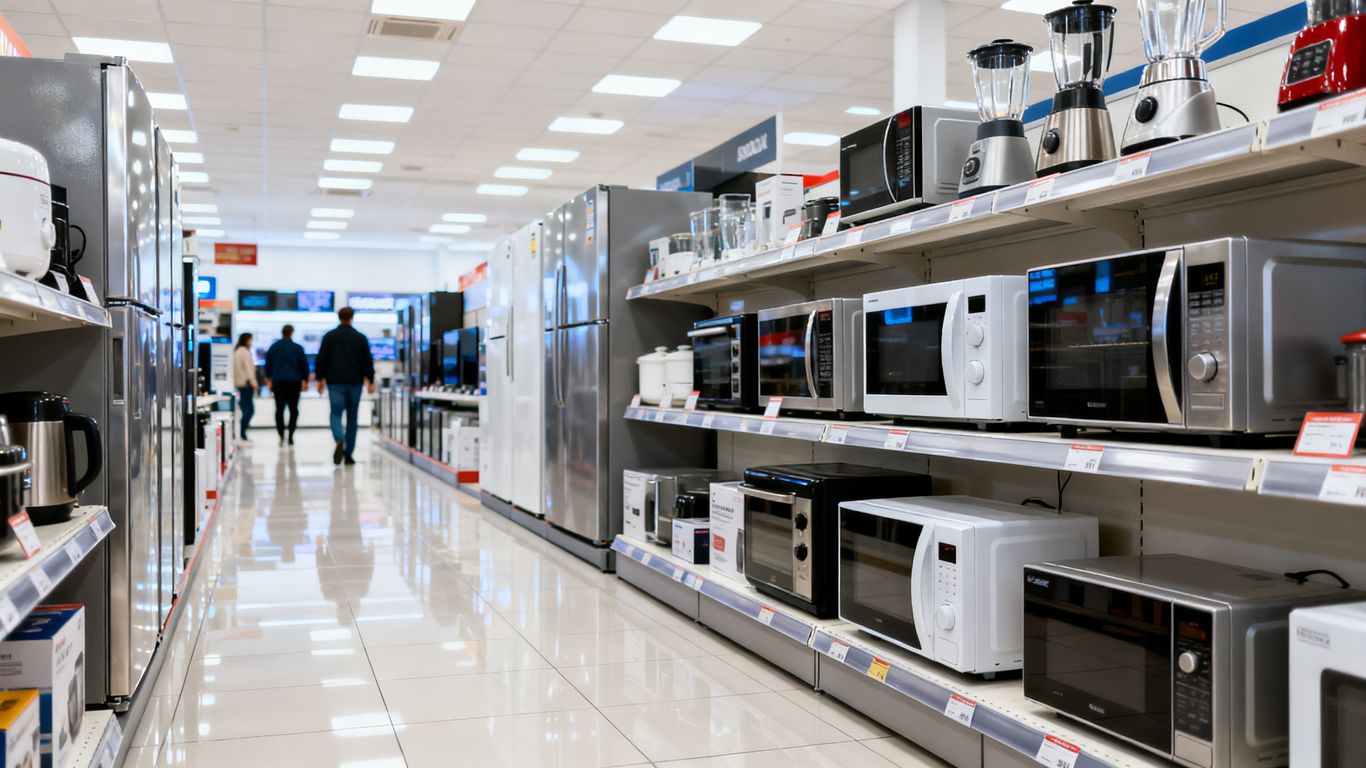
Major electronics retailers and physical showrooms
Shopping in person allows you to test the noise levels and build quality of different units, which is helpful if you are particularly sensitive to ambient sound. These retailers often carry a wide range of brands, providing a clear way to compare technical specifications side-by-side in real time.
Official brand flagship stores and online shops
Buying directly from manufacturers or official online shops ensures you receive the most recent hardware revisions and full warranty coverage. When you purchase from official outlets, you also gain access to pre-sale consultations, which can be invaluable when trying to match a unit’s capacity to your specific square footage.
Authorized local distributors vs gray market imports
Authorized distributors provide essential secondary support that gray market imports lack, such as local warranty processing and easy access to replacement filters. Using products from authorized local distributors prevents the headache of being stranded without repair options if a part fails after a few months of heavy, continuous use.
Hidden costs of dehumidifier ownership
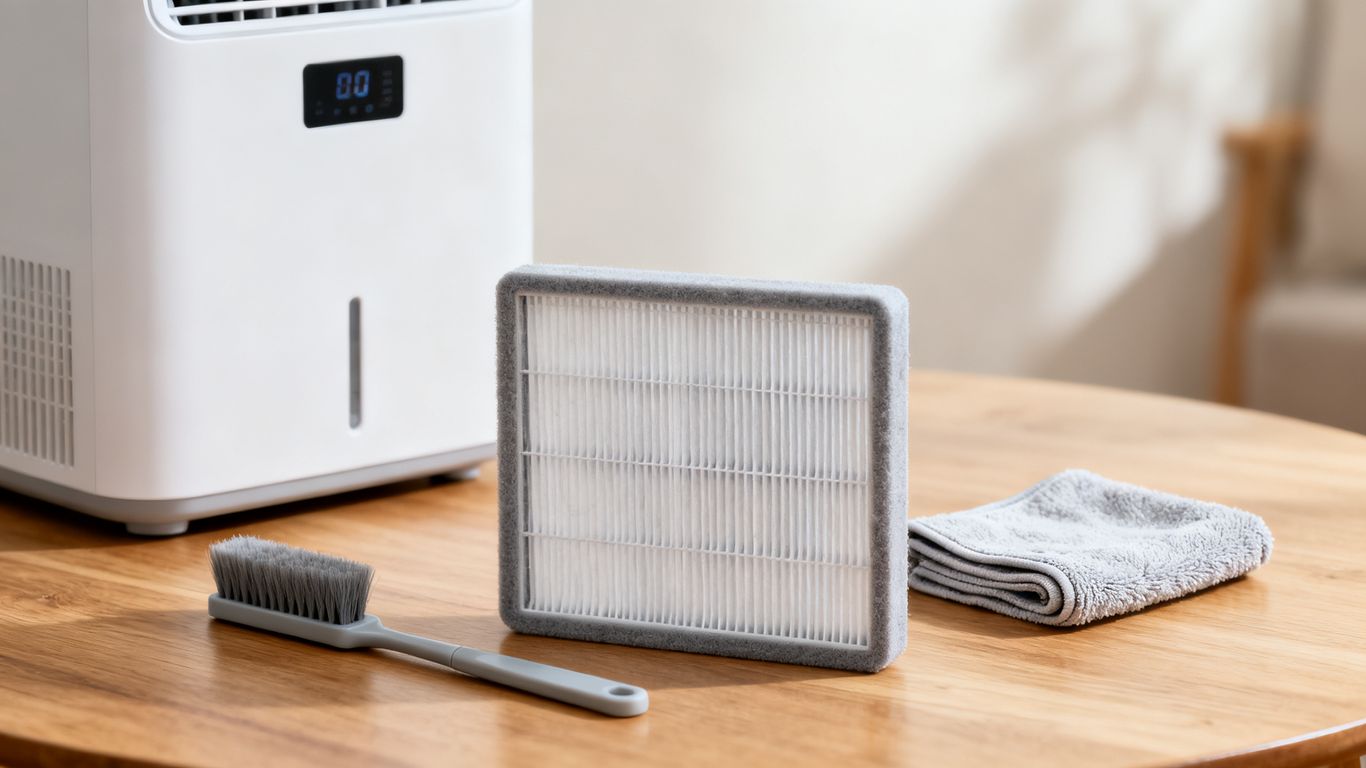
Routine filter replacement and maintenance kits
Most units require regular deep cleaning and filter changes to maintain efficacy, especially in tropical air that carries high amounts of dust and particles. Failing to replace HEPA filters according to the schedule reduces performance and can lead to musty odors instead of eliminating them.
Expected fluctuation in monthly electricity bills
Because dehumidifiers run for long hours, the energy consumption contributes noticeably to your baseline electricity usage. Residents should budget for these costs by selecting models that offer lower power draw for the amount of moisture they extract.
Long-term parts availability and serviceability
Having access to specialized parts for repairs keeps your investment running for years rather than months. We prioritize machines where components like the R290 refrigerant systems are easily serviceable by local technicians, preventing early device obsolescence.
Strategies for getting the best value
Leveraging seasonal sales and holiday promotions
Retailers often clear stock during island-wide sales events, making it the perfect time to purchase a premium dehumidifier at a discounted price. If you track prices consistently, you can often save significant amounts versus buying during peak demand months.
- Sign up for retailer newsletters to receive early notifications of flash sales.
- Compare the original price and discount across multiple platforms before locking in a purchase.
- Check for specific cardholder promotions that offer extra rebates or cashback percentages.
- Look for seasonal bundle offers that include free extra filters or extended warranties.
Following these steps ensures that you are not overpaying for cooling or ventilation equipment when your home needs reliable moisture management.
Comparing price-to-performance ratios across brands
Don’t let aggressive marketing confuse you; always calculate the cost-per-liter of moisture removal capacity to see which units offer genuine value. Focusing on the engineering specifications like airflow volume and daily extraction capacity helps you strip away the branding noise.
Evaluating trade-in options and bundle deals
When upgrading, many retailers offer trade-in programs that reduce the net cost of your new purchase. Additionally, consider bundle deals that group your dehumidifier with other home essentials to maximize your initial savings.
Conclusion
Selecting the right model involves balancing your immediate budget for the unit against long-term operational costs and maintenance necessities to ensure a healthy living environment. By focusing on essential specs and utilizing official brand channels for your purchase, you can secure a reliable, energy-efficient solution that keeps your home comfortable in our tropical climate.
Frequently Asked Questions
How often should I drain the water tank?
If you are using the unit in a high-humidity area, you will likely need to empty the tank once a day to prevent the device from shutting off automatically.
Can a dehumidifier replace an air conditioner?
No, they serve different purposes; a dehumidifier focuses on moisture reduction, while an air conditioner is designed to lower the ambient temperature of your room.
Where is the best place to position a dehumidifier?
Place the unit in an open space, away from walls or furniture to allow for unobstructed airflow, ideally near the source of the dampness for the best results.
Do dehumidifiers make much noise?
Most modern units have a ‘quiet mode’ for nighttime, but compressor-based models naturally produce a low-level hum that is comparable to a small electric fan.
How do I know if I have a humidity problem?
Signs include persistent musty smells, visible condensation on windows, damp patches on walls, or clothing that feels wet or clammy despite the air being cool.
Are smart features necessary for a dehumidifier?
While not strictly required, smart features like humidity monitoring and auto-off scheduling can save electricity and prevent you from having to adjust the settings manually throughout the day.
What is the ideal indoor humidity level for comfort?
For most homes, keeping the relative humidity between 40% and 60% provides the best balance of comfort and health while preventing mold growth.