Key Takeaways
Optimizing your home air quality often involves balancing humidity levels and particulate filtration simultaneously.
- Dehumidifiers extract moisture to curb mold and dust mite proliferation.
- Air purifiers utilize mechanical filters to capture microscopic allergens and odors.
- Managing high humidity is essential for preventing structural damage and health issues.
- Combining technologies offers a comprehensive solution for tropical indoor environments.
- Proper maintenance ensures long-term operational efficiency and air cleanliness.
Understanding how dehumidifiers and purifiers work
Mechanics of moisture removal
Dehumidifiers generally function by pulling humid ambient air over cold coils to condense water vapor, which is then collected in a tank. This process is essential for maintaining comfort in damp climates. The Aerofy DualCore 20 utilizes high-efficiency hardware to manage moisture effectively while ensuring quiet operation.
How filtration systems capture particulates
Air quality control often relies on HEPA filtration to trap small pollutants that settle on surfaces or float through rooms. These systems force air through specialized high-performance media, trapping dust, smoke, and pollen before releasing cleaner air back into your living space.
Common pollutants removed by each device
Understanding what each device targets is vital for cleaner air. While moisture control prevents biological growth like mildew, filtration is the primary line of defense against allergens, pet dander, and external pollutants.
| Pollutant Category | Primary Solution | Effectiveness Goal |
|---|---|---|
| Airborne dust | Air Purifier | 99.97% removal |
| Mold spores | Dehumidifier | Suppress growth |
| Pet dander | Air Purifier | Reduce allergens |
Signs your home needs a dehumidifier
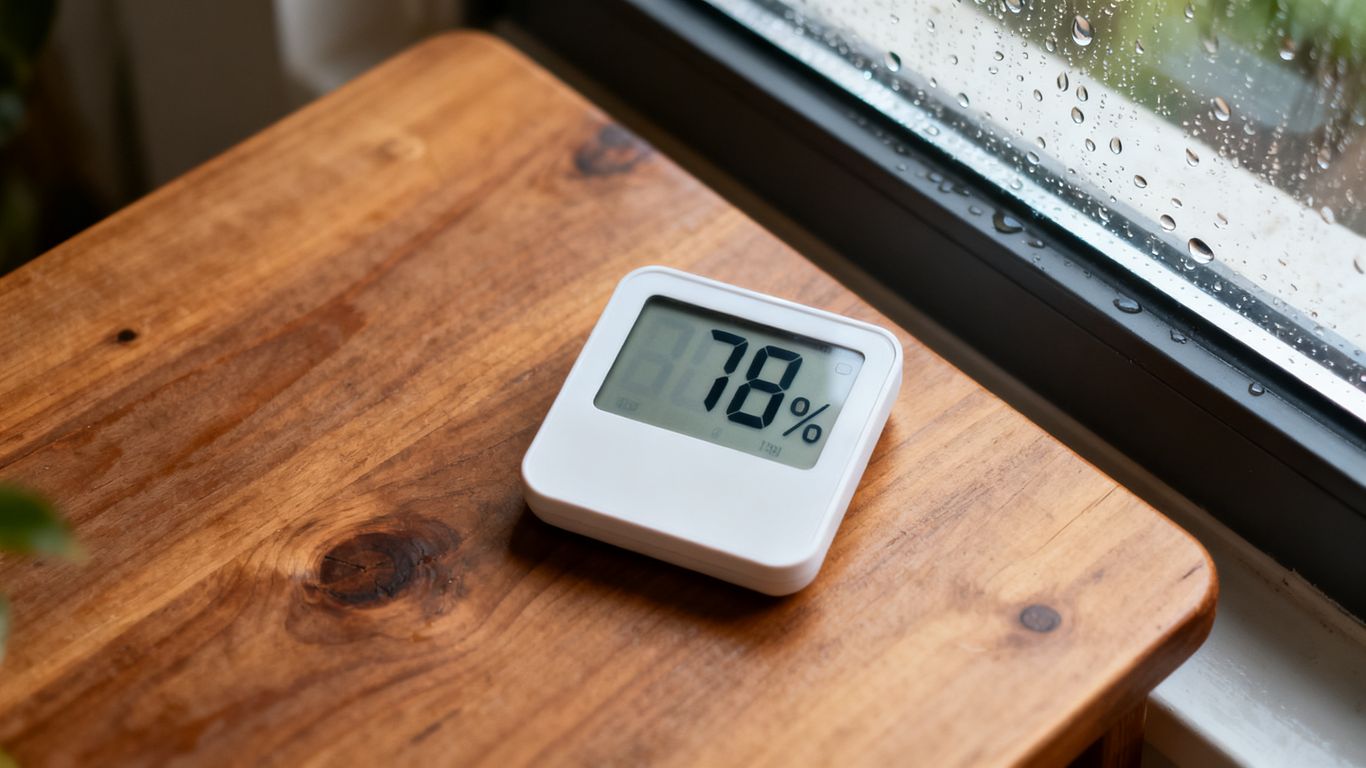
Monitoring indoor humidity levels
High humidity often makes homes feel heavy and damp, significantly affecting overall comfort levels. When relative humidity consistently exceeds 60%, it becomes difficult for the home to naturally regulate temperature and air quality effectively.
Detecting mold and mildew growth
Musty odors are usually the first sign of excess moisture hiding in corners, basements, or closets. Without proper intervention, these spores spread rapidly, compromising the air you breathe and the surfaces of your home.
Identifying physical symptoms of excess humidity
Many residents experience increased congestion or aggravated allergies when their environment stays damp for too long. If you find yourself frequently sneezing or noticing persistent stuffiness, it might be time to monitor your home’s moisture levels more closely.
Identifying when you require an air purifier
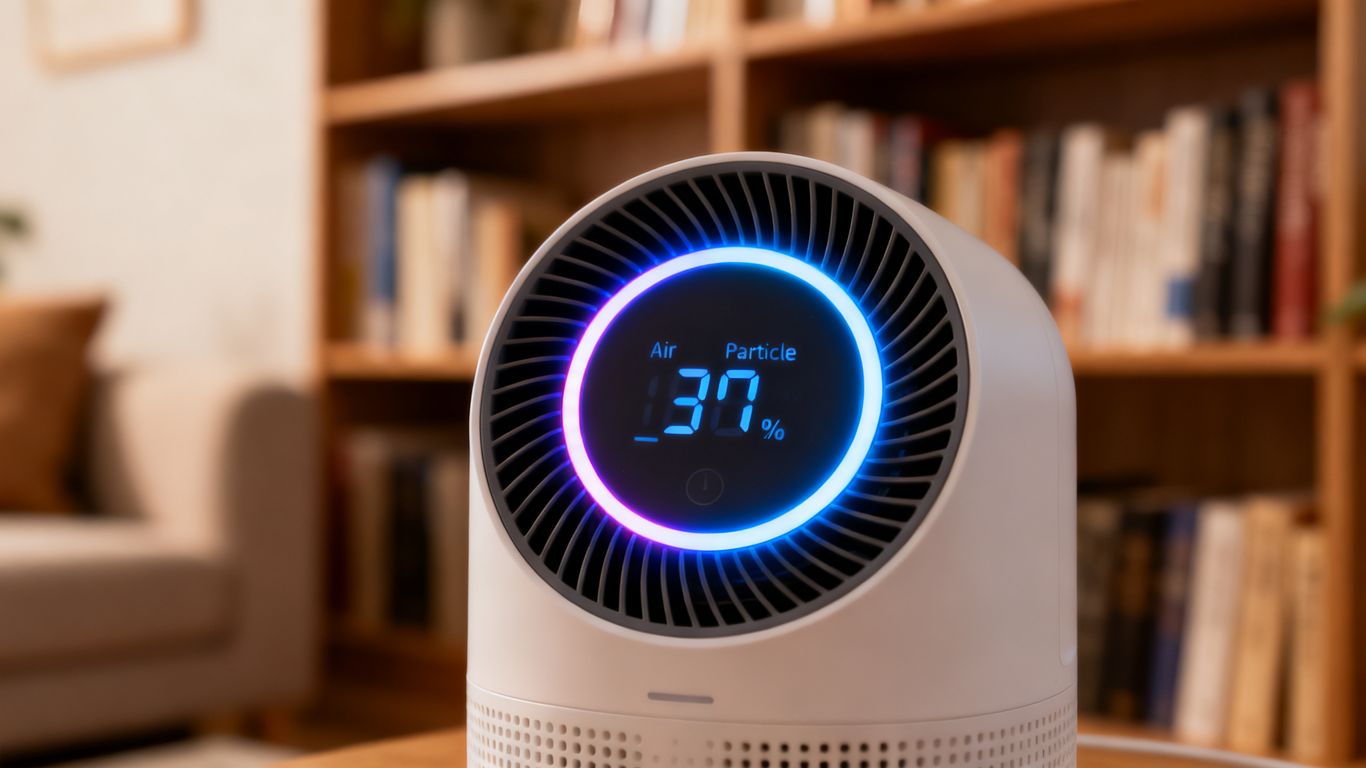
Managing common household allergens and irritants
Living in urban environments often introduces microscopic particles like soot or pollen into your living room through open windows. An air purifier acts as a critical barrier against these irritants, significantly reducing the amount of dust that settles on furniture.
Recognizing symptoms of poor indoor air quality
Physical indicators such as dry throats, irritation, or worsening asthma often reveal that the atmosphere in a room is laden with unseen contaminants. Consistently running purification equipment helps alleviate these physical triggers by keeping the concentration of allergens low.
Mitigating pet dander and volatile organic compounds
Pet owners and those living near construction or high-traffic areas face unique challenges with dander and chemical fumes. These particles require specialized fine-mesh filters found in dedicated purification units to be fully removed from circulation.
Combining appliances for better air quality
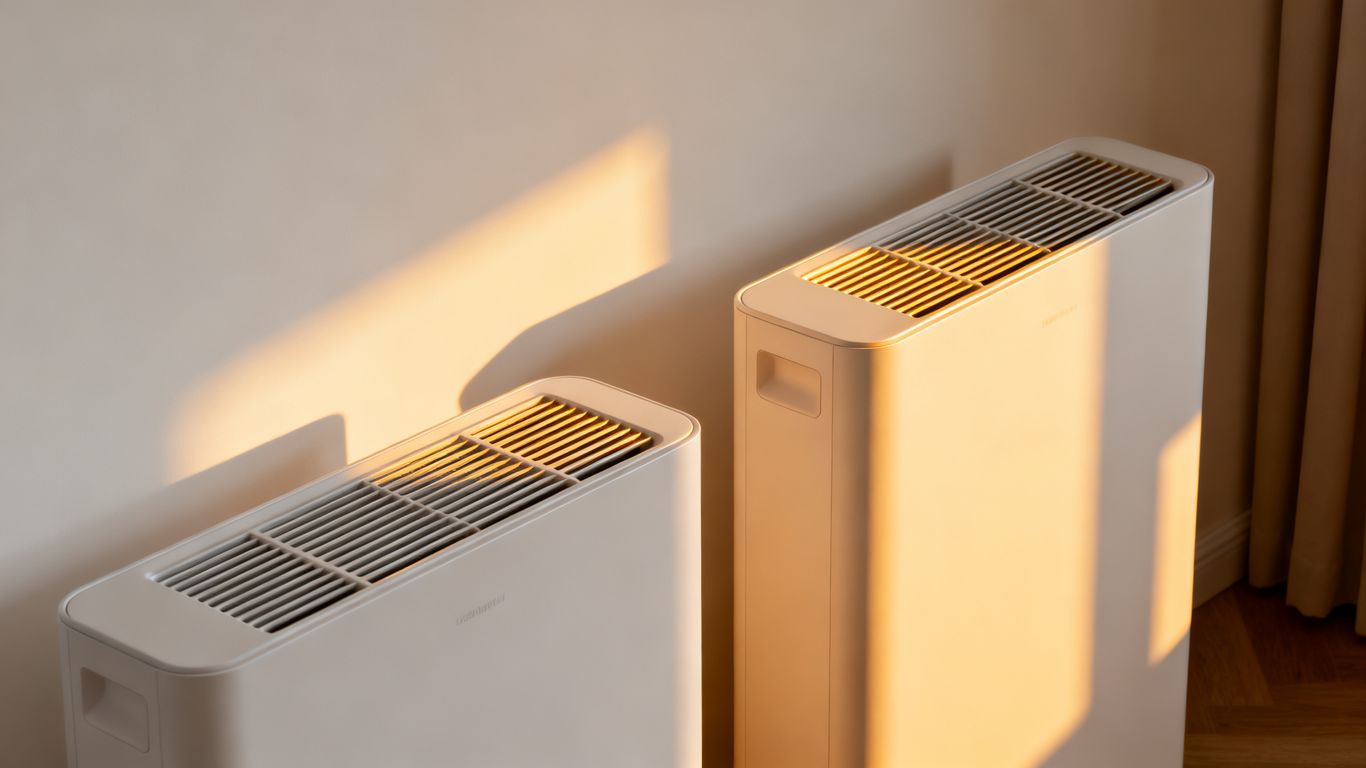
Strategic placement for maximum efficiency
Positioning your devices is crucial, especially when you are using both a dehumidifier and an air purifier. You want to ensure that neither unit obstructs the other’s intake or exhaust vents, allowing for unimpeded airflow across the entire room.
Managing energy consumption with multiple machines
Operating multiple high-capacity machines can spike utility costs if you are not careful about timing or power settings. Many modern units, like those from Aerofy, include energy-saving modes that cycle components based on real-time sensor data.
Optimizing airflow between devices
To keep your living environment balanced, follow these steps to place your equipment properly:
- Group devices toward the center of the room to pull air from all corners.
- Avoid placing units against walls where intake air is restricted.
- Maintain a clear path between the dehumidifier and the main living area.
- Use a centralized circulation fan if the layout creates dead zones.
Comparing 2-in-1 combo units versus separate devices
Space-saving benefits of multifunctional units
Multifunctional units are ideal for tighter living spaces like modern apartments where footprint is at a premium. By merging components, you gain the benefit of dual-core performance without cluttering your room with two separate power cords and large exterior housings.
Performance limitations of combo systems
While hybrid machines offer convenience, they often require larger housing units to maintain peak effectiveness for both air drying and filtration. Users should compare technical specifications to ensure the combined output meets their specific requirements for area coverage.
Cost-benefit analysis of individual purchases
Buying separate units often allows for more precise control over specific humidity and air purity ratios. If your home has an especially damp basement requiring a powerful compressor, a standalone dehumidifier is often the superior long-term financial investment.
Maintaining your air quality equipment for longevity
Filter replacement schedules for purifiers
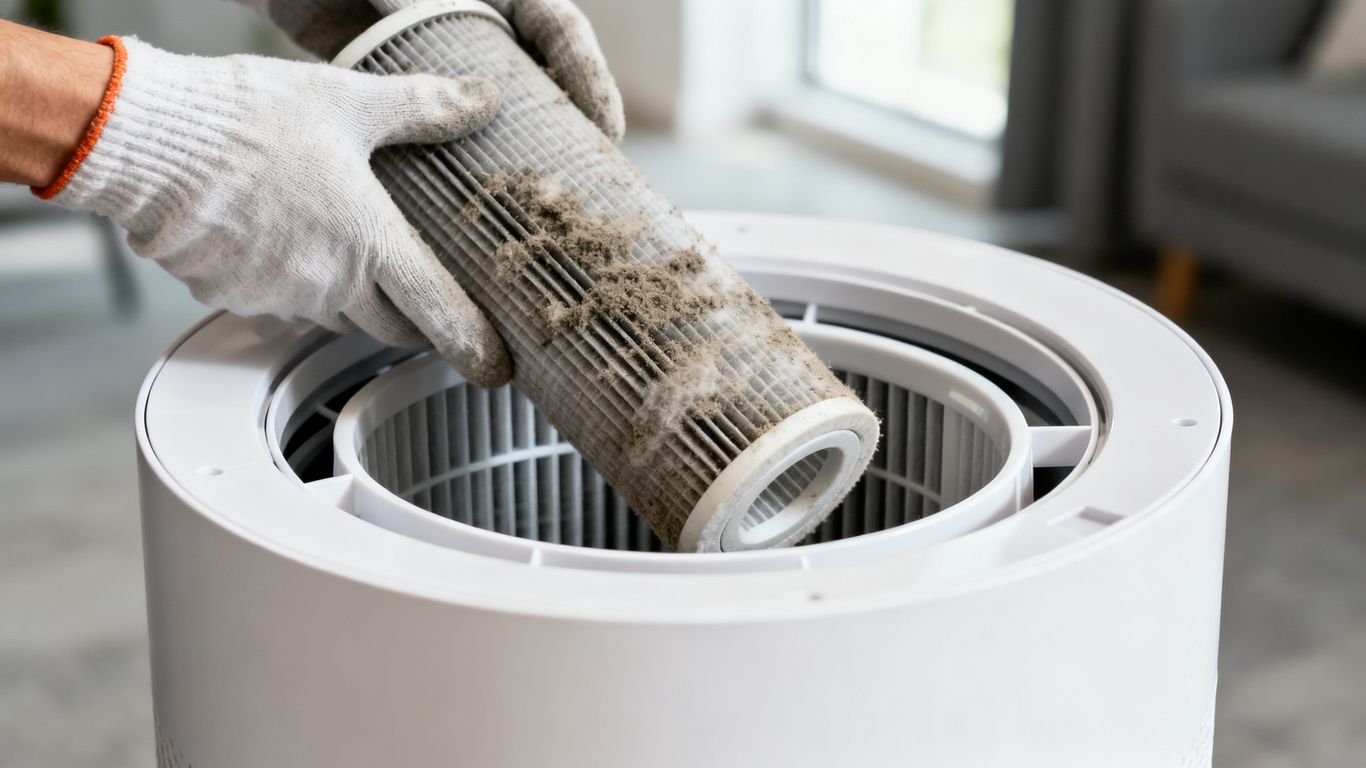
Filters are the heart of any air purification system and must be treated as consumables that expire over time. Check your manufacturer guidelines to see when the HEPA layers require replacement, as waiting too long forces the fan to work harder, eventually leading to motor fatigue.
Cleaning condensate tanks and cooling coils
Dehumidifiers require regular cleaning to prevent mold buildup within the storage bucket or internal drip tray. Neglecting the condensate tank can lead to secondary contamination, where stagnant water becomes a breeding ground for bacteria.
Ensuring proper ventilation for machine health
Proper airflow is non-negotiable if you want your appliances to last for years. Keep the area around your machine clear of furniture and curtains, as consistent restriction will cause overheating and reduce the effectiveness of its high-grade components.
Scenario Time
Imagine moving into a new apartment during the height of the monsoon season. You notice the walls feel slightly cold and damp throughout the afternoon, and the air feels stuffy, even with the windows open. By placing a compact hybrid unit in the corner, you effectively drop the humidity levels and clear out trapped dust before it settles on your clothes.
Conclusion
Choosing the right equipment depends entirely on whether your environment suffers more from excess humidity, particulate matter, or a combination of both. By integrating devices like the Aerofy DualCore 20 into your home maintenance routine, you can create a far healthier living space that is both comfortable and free from lingering irritants.
Frequently Asked Questions
Can I run my dehumidifier and air purifier at the same time?
Yes, these devices operate using entirely different principles and often complement one another by tackling two distinct problems in your home simultaneously.
How often should I check the water tank for mold?
It is best practice to clean the water collection bucket at least once a week, or whenever it indicates full, to prevent any mildew from forming in the stagnant water.
Does high humidity cause more dust mites?
Yes, dust mites thrive in relative humidity above 50%, so keeping your indoor levels lower is one of the most effective ways to reduce their population.
Why does my purifier have a CADR rating?
Clean Air Delivery Rate, or CADR, helps you understand the volume of air the unit can process per minute, ensuring it is rated for the size of your specific room.
Is it okay to use a dehumidifier in a basement with a floor drain?
Using a unit with a continuous drainage hose in a basement is highly recommended, as it allows for maintenance-free operation without needing to empty the tank daily.
What do VOCs stand for and how are they removed?
Volatile Organic Compounds are gaseous pollutants like paints or cleaners; they are typically removed from the air using activated carbon pre-filters.
Should I turn my appliances off when I leave the house?
Most modern appliances are designed to run safely for long periods, though using the built-in timer or smart sensor features can help conserve power while keeping your air clean.