Key Takeaways
Maintaining the air quality and humidity balance in a tropical home requires an intelligent approach to environmental control. Understanding how different devices function enables you to create a cleaner and more stable indoor atmosphere.
- Dehumidifiers stabilize moisture to prevent structural damage and mold.
- Air purifiers remove airborne particulates that trigger respiratory sensitivities.
- Running units simultaneously provides comprehensive comfort and health protections.
- Proper room placement significantly enhances the operational output of technology.
- Strategic maintenance ensures that filtration systems perform at peak capacity.
Understanding the functions of air treatment devices
Managing indoor climate effectively begins with understanding that air quality and ambient humidity are distinct performance parameters. While many homeowners assume these concerns are synonymous, they require separate engineering approaches to solve effectively. By separating moisture regulation from particulate removal, you can create a more balanced environment that actively suppresses biological growth and improves respiratory comfort.
How a dehumidifier manages moisture levels
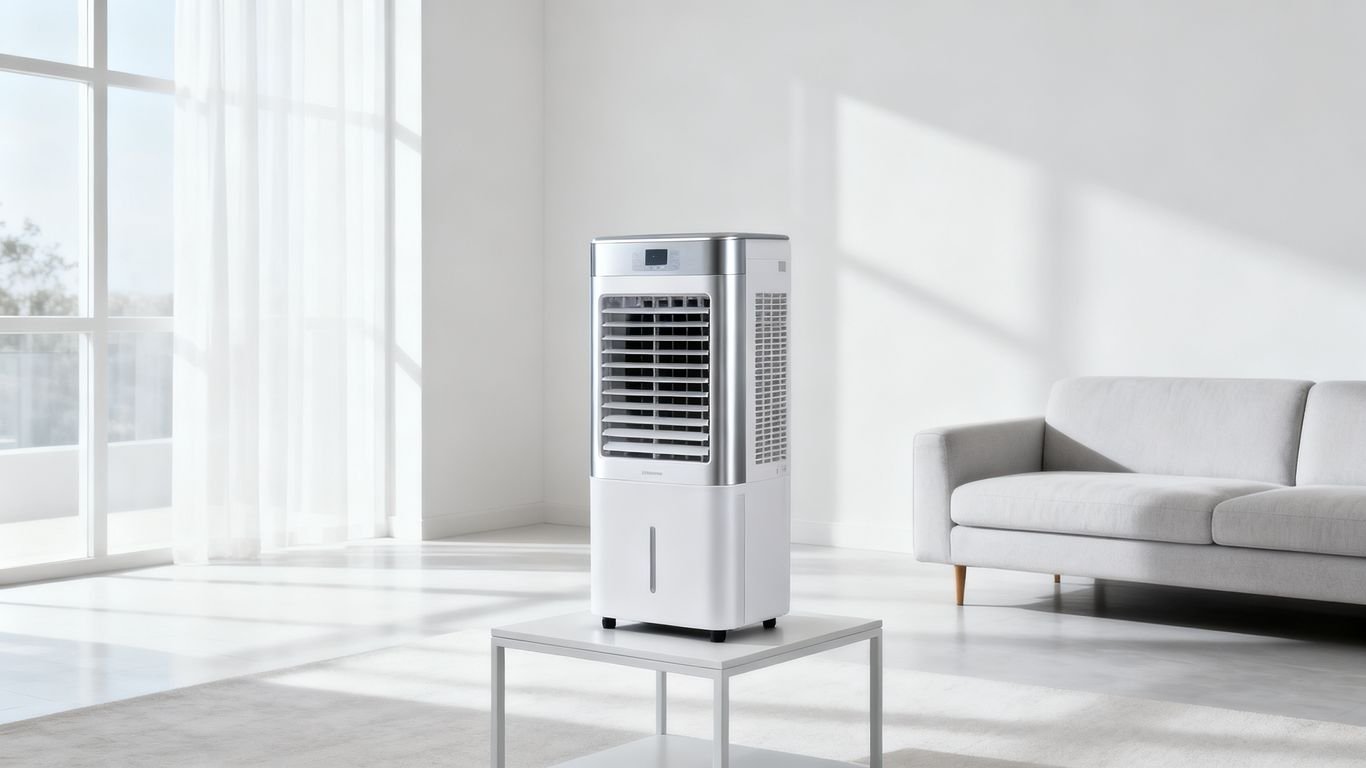
Dehumidifiers function by drawing warm air over cold coils, which causes moisture to condense into water that is captured in a reservoir. This process effectively lowers the dew point in a room, ensuring the humidity levels stay within the beneficial 30% to 50% range. Advanced systems like the DualCore 20 utilize a high-efficiency rotary compressor to manage cooling and moisture removal reliably in warm, humid climates.
What an air purifier actually removes from the air
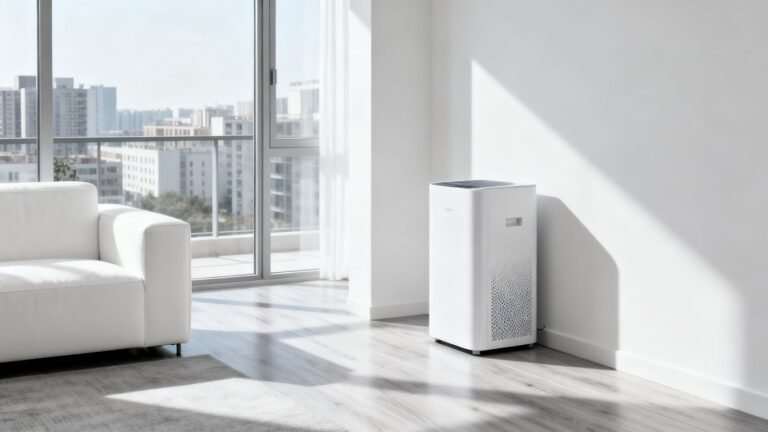
An air purifier acts as the first line of defense against microscopic threats by pushing air through dense media layers to trap unwanted particles. High-quality HEPA filtration is capable of neutralizing dust, pet dander, and volatile organic compounds that degrade indoor air quality. By capturing these irritants early, you reduce the overall load on your respiratory system while creating a cleaner physical environment.
Identifying the difference in hardware and technology
Hardware design for humidity control differs drastically from air filtration, primarily because the former relies on thermodynamic phase changes and the latter on physical straining. A dehumidifier requires a compressor and refrigerant, such as the R290 refrigerant found in precision-engineered units, to facilitate condensation. In contrast, an air purifier relies on high-flow fan systems and specialized filter media to cycle air volumes continuously without necessarily changing the moisture content of the room.
Key benefits of running a dehumidifier & air purifier simultaneously
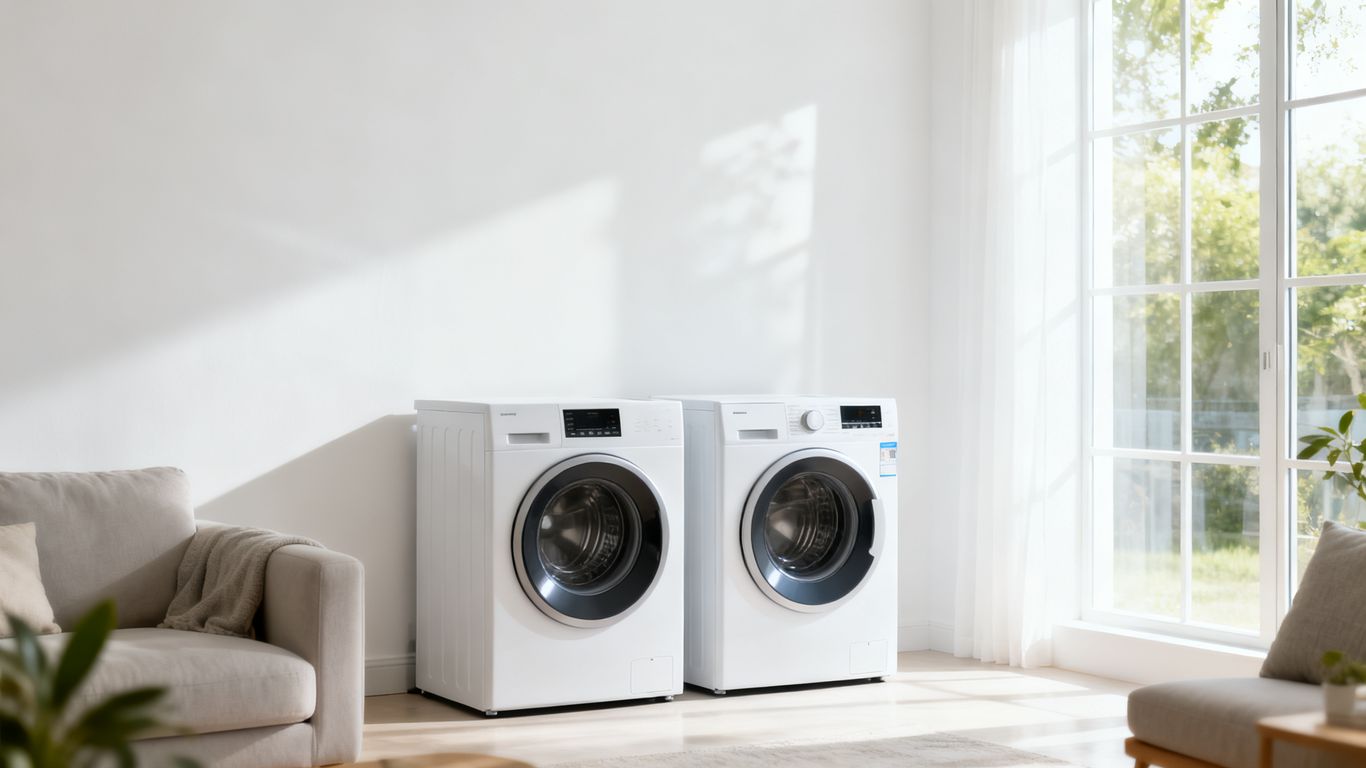
Deploying a dehumidifier & air purifier concurrently creates a synergy that address the dual threats of moisture and particulate matter. Living in a humid climate like Singapore often means dealing with damp-related mold alongside urban air pollutants. When you address both, you ensure that damp air doesn’t keep filters moist or harbor dust mites, which significantly improve respiratory comfort for all household members.
Combatting mold growth in damp environments
High humidity serves as a catalyst for mold and mildew development on walls, fabrics, and hidden crevices within the home. By reducing the ambient humidity to optimal levels, you eliminate the hydration source required for these spores to prosper. Controlling this parameter prevents the underlying decay of materials while keeping the internal air free from biological odors.
Improving indoor air quality for allergy sufferers
When mold and dust mites are suppressed through dehumidification, your purifier has fewer contaminants to process, allowing its filters to last longer and perform more efficiently. This combination is essential for allergy sufferers because it attacks the source of the irritation while clearing the existing air of pollen and urban particulate matter. Creating a consistently dry, clean room is the most effective way to manage chronic respiratory sensitivities.
Protecting furniture and structures from dampness
Furniture and home structures are highly susceptible to high moisture, which leads to warping, peeling paint, and the deterioration of wooden surfaces over time. Keeping a controlled climate ensures that moisture-sensitive materials stay stable, preserving the integrity of your interior design. By maintaining a steady environment, homeowners avoid the costly repairs associated with long-term exposure to damp air.
Creating a more comfortable seasonal climate
Seasonal changes and monsoonal weather can make an indoor environment feel heavy, sticky, or oppressive, affecting your daily rest and productivity. Using both devices allows you to define your personal comfort zone, making the home feel cooler and more refreshing even when outdoor temperatures remain high. Scenario Time: Imagine arriving home on an incredibly humid afternoon and finding that the stagnant, thick air in your living room has been replaced by a crisp, breezy atmosphere that makes you instantly feel at ease.
Strategic placement for maximum air treatment efficiency
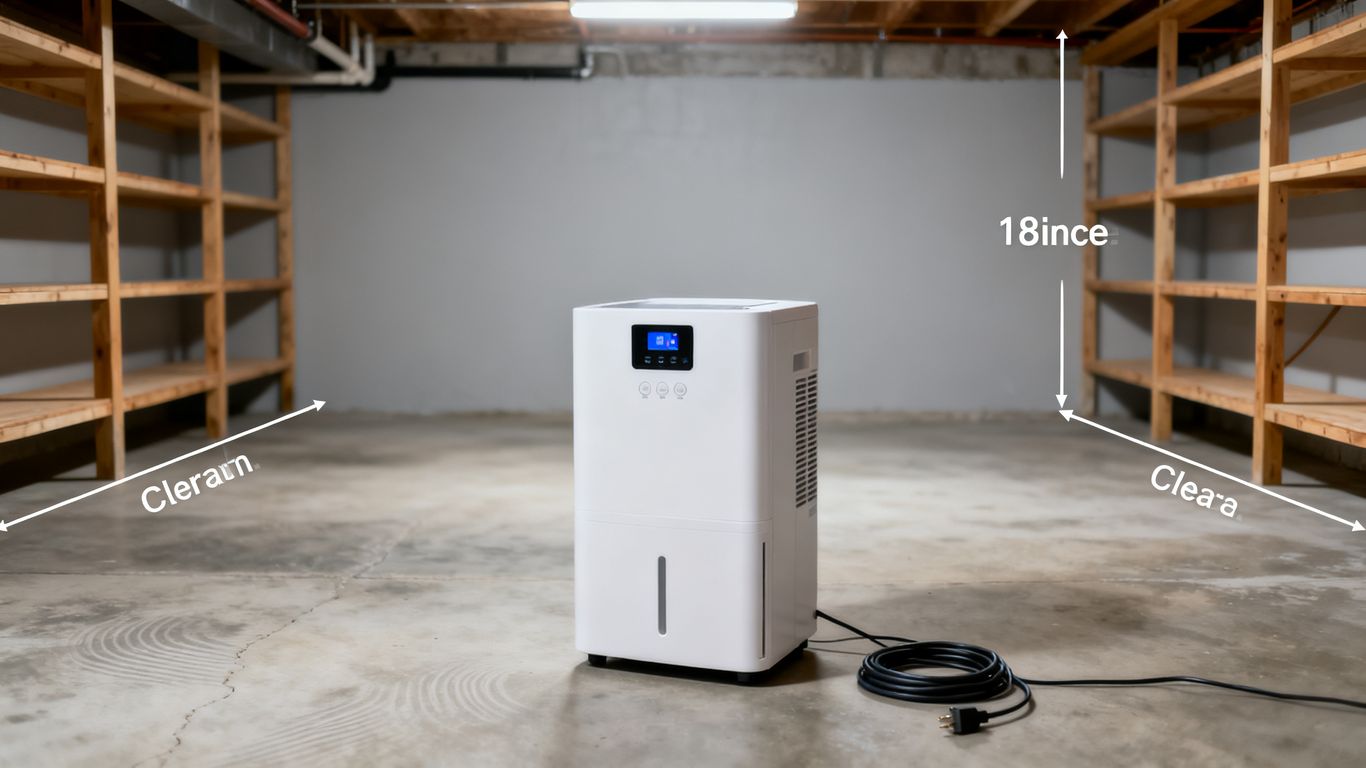
Positioning your air appliance in the correct part of the room is essential for achieving the performance specifications designed by manufacturers. Improper placement often leads to short-cycling or limited air turnover, which defeats the purpose of the investment. When choosing a location, consider the natural flow of air through the dwelling and any structural obstacles that might inhibit efficient processing.
Ideal locations for basement and crawl space use
Subterranean regions are the most challenging environments to maintain due to their proximity to soil-based moisture. Placing your unit near the center of these spaces allows for better air circulation and prevents damp pockets from forming in the corners. It is also important to ensure there is enough clearance around the intakes to avoid restricting the airflow required for the unit to remove moisture effectively.
Optimizing airflow in bedrooms and living rooms
To ensure your appliances perform at their peak, follow these guidelines for optimal placement within shared living areas or private suites. Proper positioning allows the sensors to detect environmental changes accurately and maintains a steady flow of cleaned air throughout the living space.
- Keep units at least twenty inches away from walls for intake clearance.
- Place devices away from curtains that might block exhaust airflow ports.
- Prioritize central locations to avoid corner dead zones in large rooms.
- Maintain a steady distance from direct sunlight to protect internal sensors.
Why proximity to windows and doors impacts performance
Operating high-performance equipment near windows or frequently opened doors forces the device to pull in outdoor air continuously, making it impossible to stabilize relative humidity. If you are struggling to reach target levels, moving the equipment away from these high-exchange areas will allow the system to process the internal volume more effectively. This adjustment helps the machine reach operational equilibrium without needing to run at peak load consistently.
Managing electrical load and cord safety
High-capacity appliances draw significant current, so it is safer to avoid grouping them on thin extension leads or overloaded power strips. Always plug these items directly into a wall outlet to prevent overheating and ensure consistent voltage during intensive cycles. Taking care of your electrical setup preserves the lifespan of the internal compressor while securing your home against potential circuit issues.
All-in-one combo units vs. standalone devices
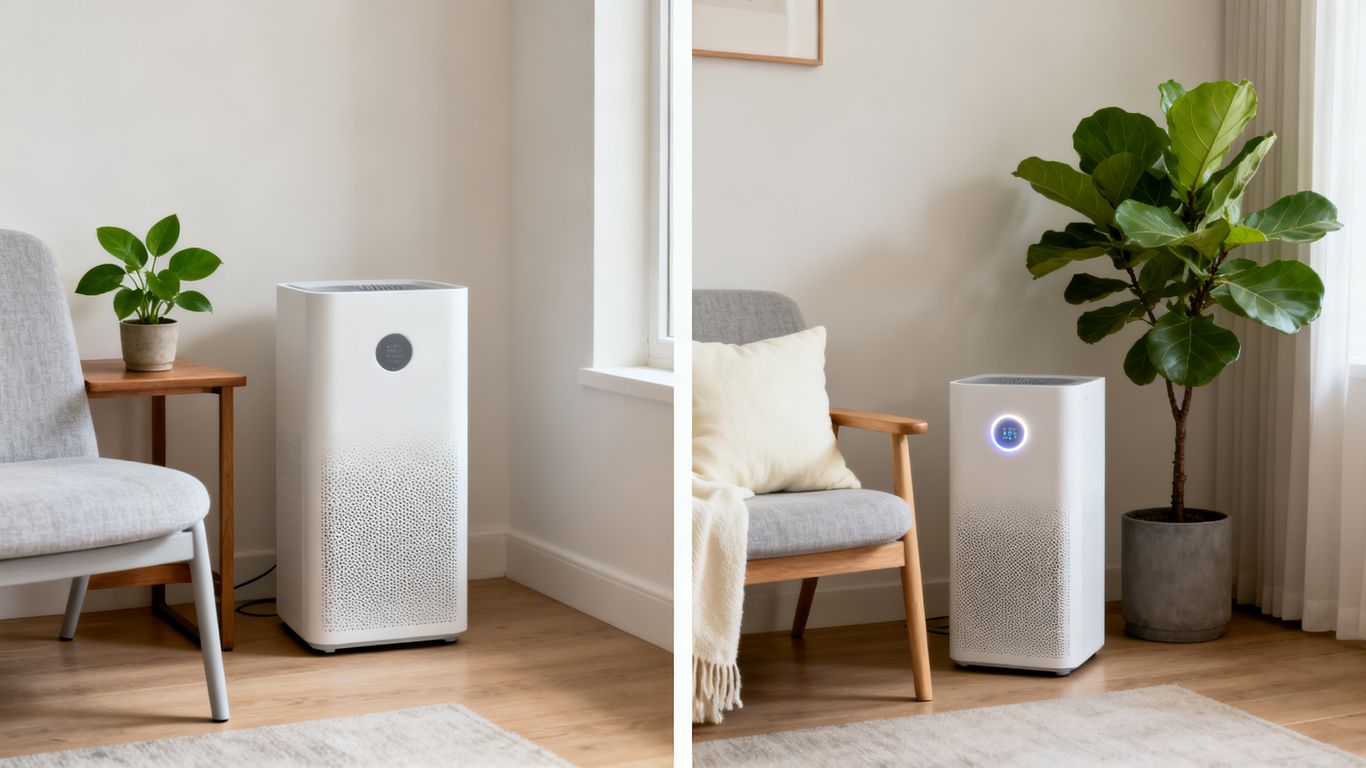
Choosing between hybrid systems and separate machines depends on your available floor space and specific environmental requirements. Hybrid systems are engineered to provide space-saving convenience, while separate machines offer granular control over each process. You can buy now to start optimizing your home environment immediately.
Evaluating the pros and cons of hybrid systems
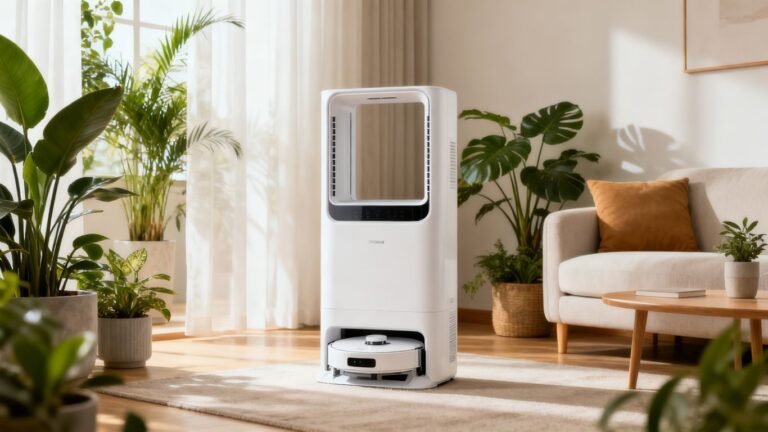
Hybrid systems provide a streamlined approach to air quality management by integrating multiple technologies into a single housing design. This can be perfect for smaller apartments where space is limited and a clean, minimalist aesthetic is preferred.
| System Type | Benefits | Drawbacks |
|---|---|---|
| Hybrid | Saves floor space, improves logistics | Limited extraction capacity |
| Standalone | Maximum performance for each job | Uses more total footprint |
| Integrated | Managed by one control system | Higher initial investment cost |
By condensing technologies, hybrid units reduce the number of power cables needed and simplify the control interface for the home user.
Performance trade-offs in multi-functional technology
While convenience is a major factor, there are often physical trade-offs when forcing two distinct thermodynamic tasks into one chassis. The internal fan capacity may struggle to balance the need for high-speed air filtration with the refined condensation process required for dehumidification. However, modern units are increasingly adept at managing these trade-offs through refined scheduling and automated power management.
When it makes sense to invest in separate machines
Separate machines are often more effective for larger homeowners who have specific issues, such as severe moisture in a cellar coupled with heavy particulate pollution in a master bedroom. By separating the devices, you can optimize each one for its intended task without compromise. This setup allows for granular maintenance, where the air purifier continues to operate at peak levels even if the dehumidifier requires a cleaning cycle.
Maintenance differences between single and dual units
Maintaining a hybrid unit requires attention to both the air filter and the water collection tank as part of a single checklist. In contrast, separate units require independent service schedules, which can technically be more work but often allow for longer operating intervals between filter changes for the purifier. Understanding your own capacity for maintenance is essential when selecting the hardware that best fits your household lifestyle.
Maintenance and care for long-term health
Consistent upkeep of internal components is the definitive factor preventing long-term mechanical degradation and ensuring the air in your home remains allergen-free.
Routine care transforms a standard appliance into a long-lasting household partner. Monitoring the health of your machine ensures that air quality remains high and your energy usage stays consistent over time.
Cleaning and replacing air purifier filters
Filters are the primary constraint on air quality improvement, so checking them every few weeks is crucial. A clogged filter restricts airflow, which places unnecessary strain on the internal fans and significantly reduces the volume of air processed each hour. When you notice a decrease in suction or a slight increase in ambient noise, it is time to check if a replacement is needed to maintain high-quality results.
Emptying and sanitizing the dehumidifier water tank
Stagnant water in a collection tank can foster bacteria if left for extended periods between empties. Regular sanitization of the internal bucket prevents these odors from being recirculated into your home. Ensure you clean the cavity where the bucket sits to stop any hidden moisture from creating a petri dish for unwanted mold growth.
Tracking component life and water removal rates
Keep a simple log of how much water your unit is pulling from the air to verify it is functioning as intended. If you notice the extraction rate is dropping, it might indicate it is time to check the coils or the refrigerant system. Tracking these metrics is the best way that you can effectively extract excess moisture over time without constant trial and error.
Troubleshooting airflow and humidity readouts
If the display readouts seem unusually stagnant despite changes in weather, check for dust buildup on the ambient sensors. Sensors are incredibly sensitive, and a layer of particulates can cause them to report inaccurate climate data to the main control board. A simple dusting or wipe-down usually recalibrates the system to provide accurate, real-time reporting.
Essential features to look for when shopping
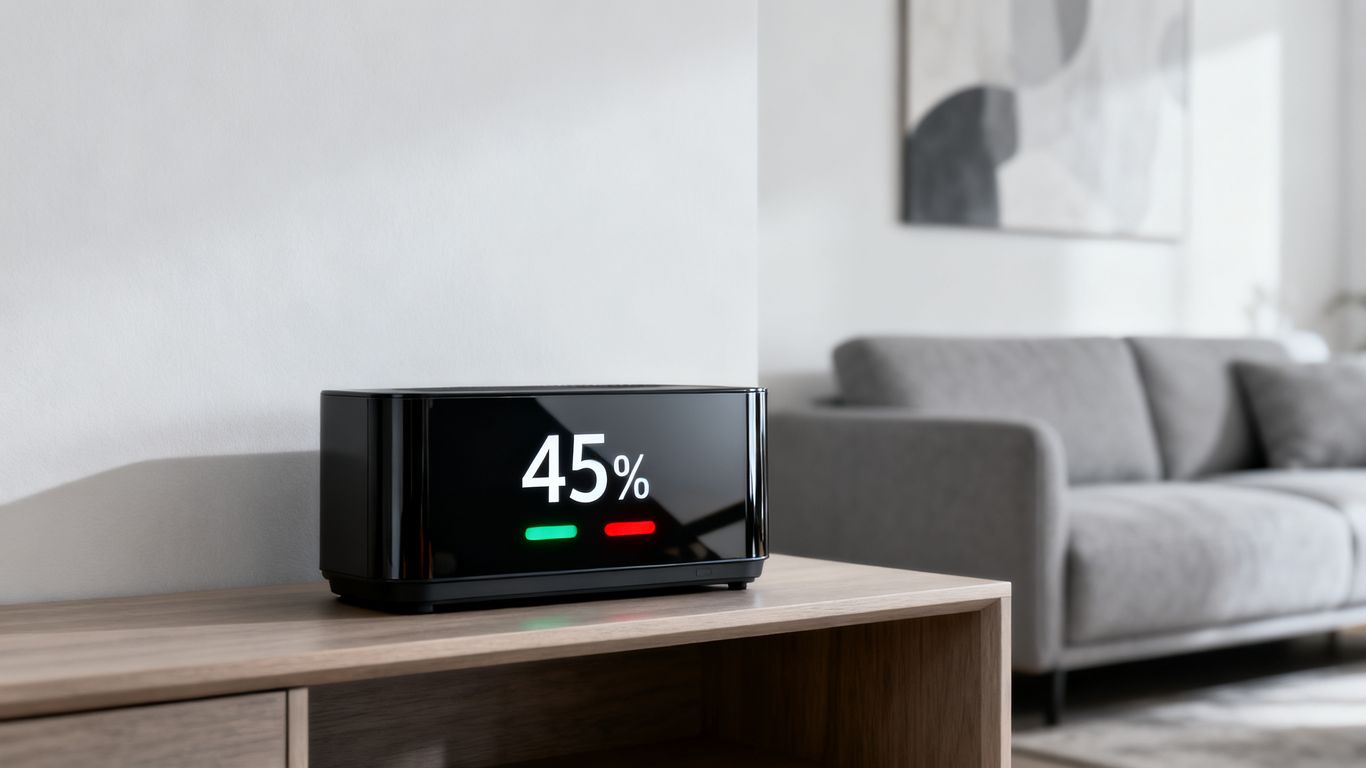
Finding the right solution requires sorting through various marketing metrics to find features that actually impact your daily quality of life. The best units for tropical climates focus on robust build quality, energy efficiency, and ease of use. Prioritize products that reflect the 6a6c engineering standards for longevity before making your final selection.
Smart sensors and automated humidity control
Integrated sensors that actively monitor the humidity level are essential for power efficiency. These systems stop the appliance once the target is reached, preventing the unnecessary use of electricity through continuous operation. Using internal intelligence allows homeowners to set the environment and leave the duty of regulation to the machine.
Energy efficiency ratings and power consumption
Since these devices often run for extended periods, look for energy-star certifications that verify lower power consumption during standard operation. An efficient unit uses high-performance components to maximize the volume of air processed per watt of electricity consumed. This results in significant long-term savings on your utility bills while allowing for continuous environmental protection.
Noise output considerations for quiet environments
Noise output is a critical factor if your units run in a sleeping area or home office. Look for appliances that feature whisper-quiet modes or low-decibel settings that can maintain function without disrupting your peace of mind. Practical, well-engineered designs use vibration-dampening materials within the housing to keep the mechanical noise to an absolute minimum.
Portability, weight, and internal capacity
Choose a model with sturdy casters or handles to ensure that you can move the gear where it is needed most. Internal capacity is also a significant convenience factor; larger buckets mean fewer daily trips to drain the unit. Balancing these factors provides the best overall experience for your specific living environment.
Conclusion
Managing your indoor climate with a focus on both humidity and purity creates a significantly healthier home. By choosing reliable appliances designed for the nuances of your local climate, you ensure that your living spaces remain comfortable, protected, and free from common respiratory triggers. Investing time in proper placement and maintenance will yield long-term benefits for your well-being and your home’s longevity.
Frequently Asked Questions
Why does my dehumidifier have a smell?
An odor from your unit is typically caused by accumulated mold or mildew in the collection bucket or the cooling coils. Regular cleaning of the water reservoir and a quick wipe-down of the intake vents should clear this up, ensuring that the air returning to your room remains fresh and clean.
How low should I set the humidity?
For most homes, keeping the relative humidity between 40% and 50% is ideal. Going below 40% can dry out your skin and throat unnecessarily, while going above 50% increases the risk of mold growth, especially in stagnant areas like closets or corners.
Can both units run at the same time?
Yes, running both devices simultaneously is often the best strategy for high-humidity environments. They address different problems, ensuring that moisture doesn’t feed biological growth and airborne particles are captured before they settle on surfaces.
How often should I drain the water?
This depends entirely on the size of your tank and the current humidity level in your home. During the wet season, you might need to empty the bucket daily, while in drier months, you may only need to address it once every few days.
Do I really need a HEPA filter?
Yes, a true HEPA filter is the gold standard for removing the tiny particles that cause allergic reactions. While cheaper filters capture large dust bunnies, they rarely protect against the microscopic pollutants that negatively affect respiratory health.
Where is the best place for a dehumidifier?
Place your unit in a central location with plenty of space around the intake vents. It should be away from doors and windows, which bring in outside air that forces the machine to work much harder to reach your target humidity levels.
Will these appliances increase my electricity bill?
Most modern appliances are quite efficient, but because they run for long hours, there will be a noticeable impact on your energy usage. Choosing a model with smart features that allow it to turn off once the room is balanced will help you keep costs down.